




Winter's Silent Threat: How a New Norovirus Strain Is Reshaping Public Health Preparedness
- Emerging GII.17 strain signals critical need for enhanced hygiene protocols in communal settings

















Overview
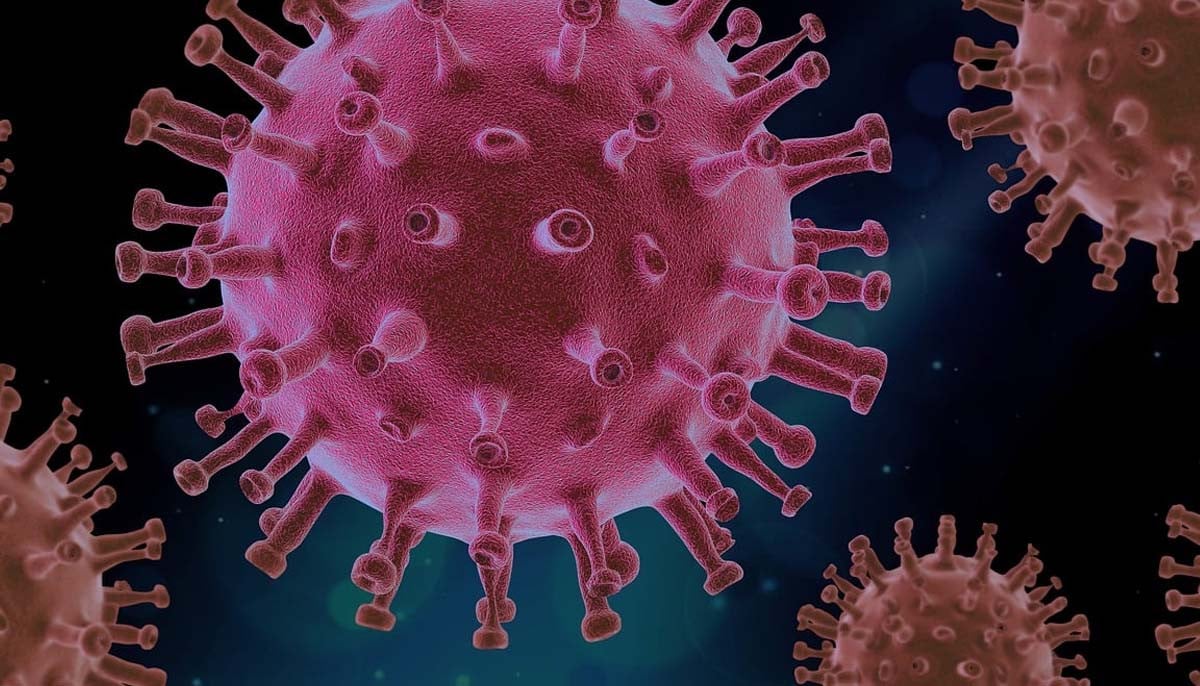
A perfect storm of viral transmission is unfolding across California, with a highly contagious norovirus strain threatening to redefine winter health risks. The emerging GII.17 strain represents more than just another seasonal bug—it's a sophisticated viral adaptation that could potentially cause 50% more infections compared to previous years, signaling a significant public health challenge.
The data tells a compelling story of viral momentum. Wastewater monitoring in California, particularly in the San Francisco Bay Area and Los Angeles County, reveals rising virus concentrations that paint a concerning picture. Nationally, the test positivity rate has climbed from 8.66% to 11.69%, with Western U.S. regions experiencing even higher rates at 14.08%. During the 2024-25 winter season, this new strain was responsible for approximately 75% of national norovirus outbreaks—a staggering statistic that demands immediate attention.
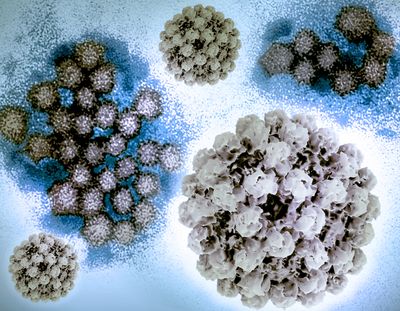
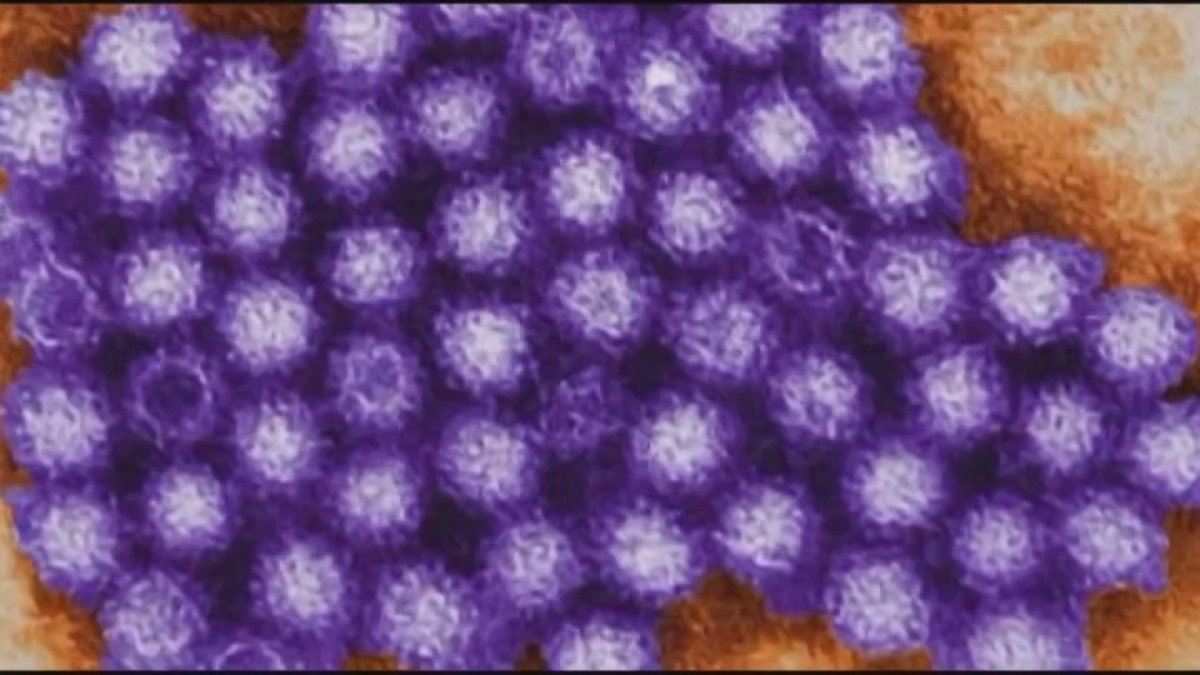
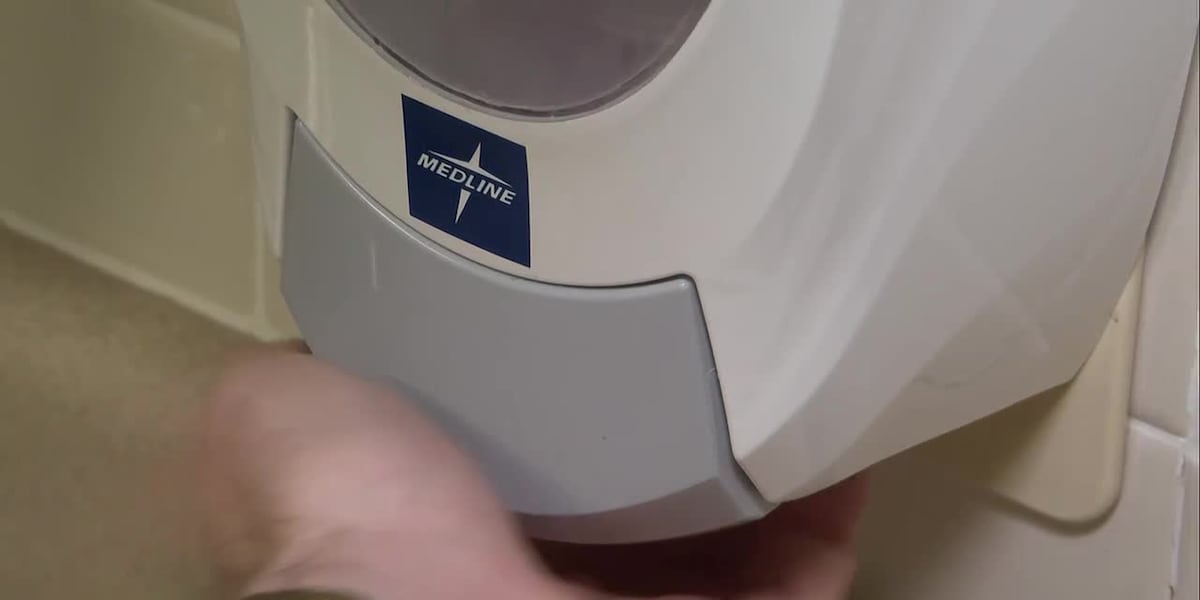
What makes this strain particularly dangerous is its extraordinary transmissibility. Requiring just 10 viral particles to initiate infection, norovirus spreads through microscopic contamination vectors that traditional sanitization methods struggle to combat. Hand sanitizers prove ineffective, and the virus can persist on surfaces for weeks. This creates a perfect transmission environment in high-contact settings like schools, cruise ships, and communal living spaces.
The human impact is significant. In a typical year, norovirus causes 2.27 million outpatient visits, 465,000 emergency department visits, and 109,000 hospitalizations. Vulnerable populations—young children, seniors, and immune-compromised individuals—face the highest risks. The lack of a vaccine underscores the critical importance of prevention and early intervention.
Experts like Dr. Peter Chin-Hong from UC San Francisco emphasize that this is not just a medical issue, but a broader public health challenge requiring coordinated, strategic responses. The key lies in rigorous personal hygiene, immediate isolation when symptomatic, and community-wide awareness of transmission mechanisms.
Questions 4
Why is the new GII.17 norovirus strain more concerning than previous variants?
The GII.17 strain is potentially 50% more infectious, responsible for 75% of national outbreaks in the 2024-25 winter season. It requires minimal viral particles (just 10) to cause infection and has displaced the previously dominant GII.4 strain, indicating a significant evolutionary adaptation in viral transmission.
What populations are most at risk from this norovirus outbreak?
Young children, seniors, pregnant women, and individuals with weakened immune systems face the highest risks. These groups are more susceptible to complications like severe dehydration and may require medical intervention such as anti-nausea medication or intravenous hydration.