


Nissan's Tariff-Driven Restructuring Creates Supply Chain Opportunities for Cross-Border Sellers
- Nissan reduces tariff exposure by 286 billion yen, signals manufacturing consolidation affecting automotive parts suppliers and logistics providers across North America, Europe, and Asia Pacific





!role~Preview!mt~photo!fmt~JPEG%20Baseline)









Overview
Nissan Motor's dramatic turnaround from seven years of contraction to 4.7% growth forecasts represents a critical inflection point for cross-border e-commerce sellers in automotive supply chains, logistics, and parts distribution. The company's Re:Nissan recovery plan, ahead of schedule, projects operating profit to triple to 200 billion yen in FY2026, driven by aggressive cost reduction and tariff mitigation strategies. Most significantly, tariffs reduced Nissan's FY2025 results by 286 billion yen—a staggering figure that illustrates the cost pressures reshaping global automotive manufacturing and creating cascading effects throughout supply chains.
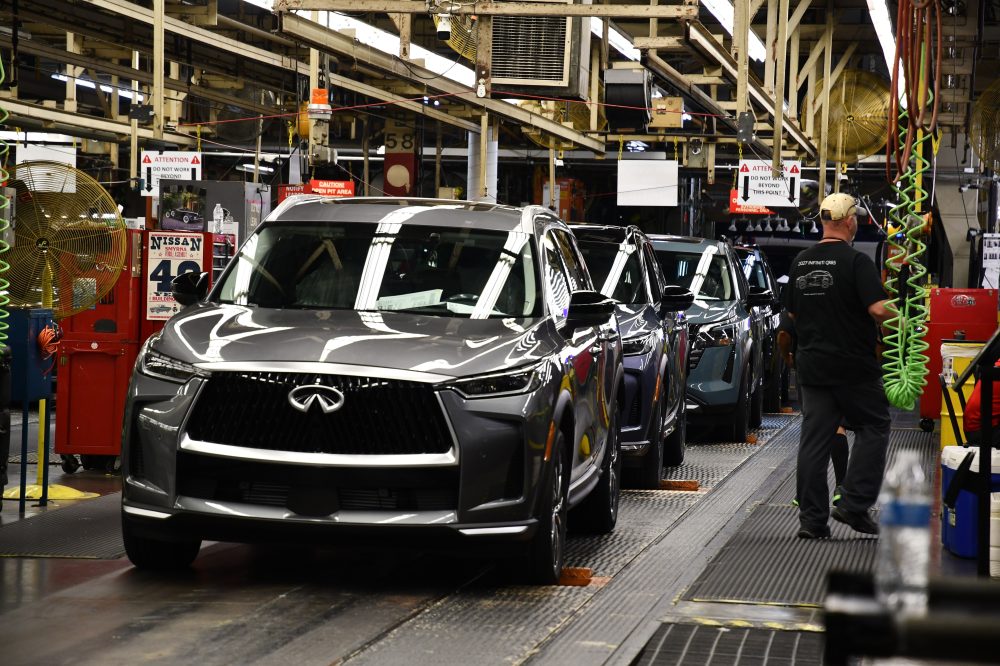
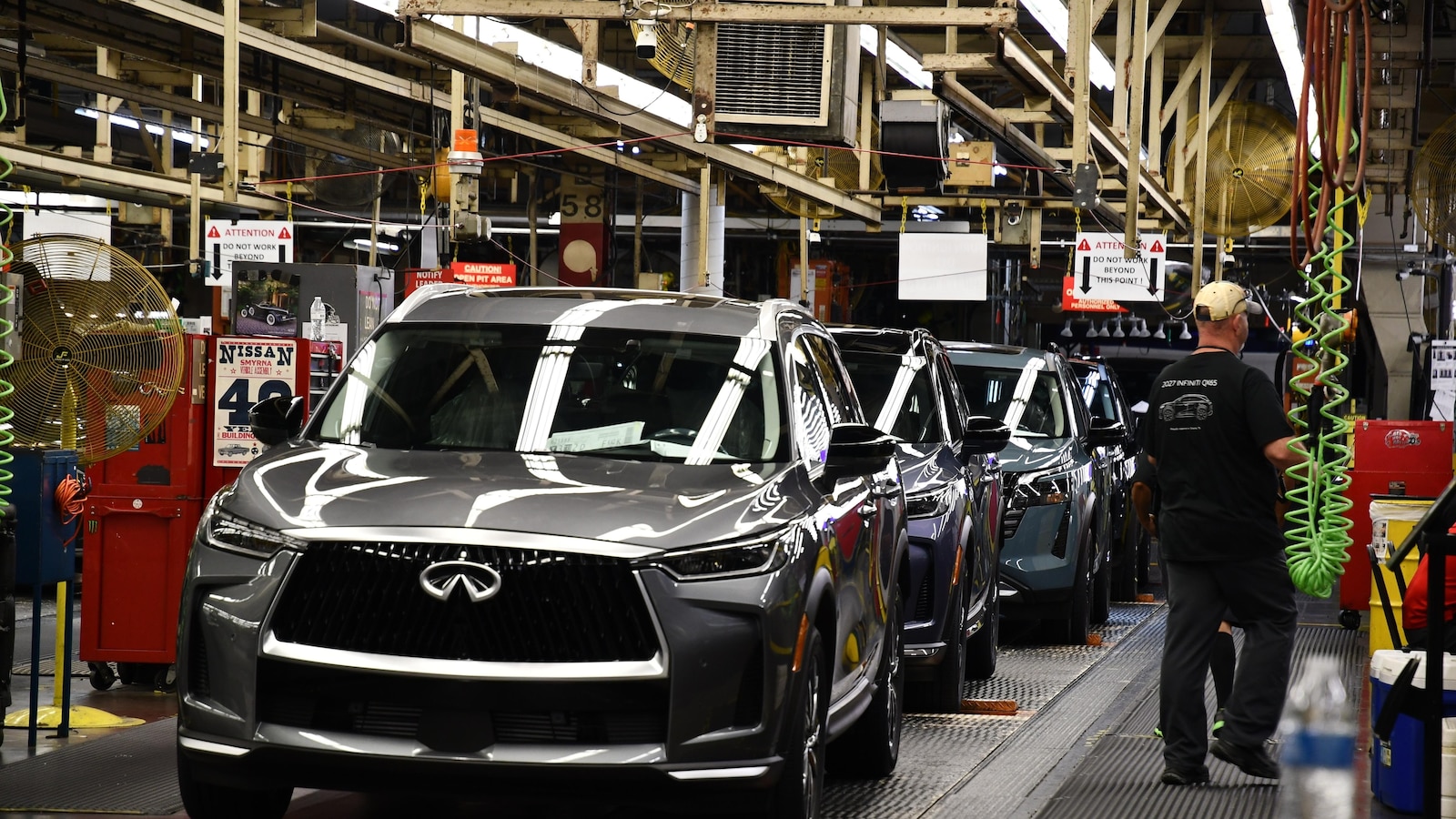
Nissan's "America-first" manufacturing strategy demonstrates how major OEMs are restructuring to navigate trade barriers, directly impacting e-commerce logistics providers and parts suppliers. The company successfully reduced tariff costs by 2.3 billion yen in FY2025 and projects further reductions to 1 billion yen or less by March 2027 through strategic manufacturing placement. This shift from 17 to 10 global manufacturing sites—with seven facilities undergoing consolidation—signals substantial supply chain reorganization. For cross-border sellers, this means: (1) increased demand for logistics services supporting nearshoring strategies, (2) sourcing opportunities as Nissan optimizes supplier networks, and (3) potential margin compression for parts suppliers dependent on legacy supply chains. The company's 500 billion yen cost reduction target, including 200 billion yen in fixed costs and 55 billion yen in variable savings, indicates aggressive supplier negotiations ahead.
Nissan's recovery trajectory creates dual opportunities for e-commerce sellers: increased demand for automotive-related products and services as production scales, plus strategic positioning in supply chain solutions. The company's improved automotive free cash flow (112 billion yen positive in H2 FY2025) and strong liquidity (3.6 trillion yen) signal capacity for capital investments and supplier partnerships. Strategic initiatives including improved U.S. retail-driven sales mix and targeted NEV-led approach in China indicate geographic expansion requiring localized logistics, parts distribution, and supply chain management services. However, sellers must recognize continued headwinds: intensifying competition, foreign exchange fluctuations, inflation, and geopolitical uncertainties remain structural challenges. The company's zero dividend policy for FY2026 reflects reinvestment priorities in manufacturing efficiency and product execution—areas where supply chain partners can capture value through specialized services and optimized logistics solutions.
Questions 8
How can sellers leverage Nissan's U.S. retail-driven sales strategy?
Nissan's strategic focus on improved U.S. retail-driven sales mix signals increased North American production and distribution. This creates opportunities for: (1) logistics providers supporting U.S. manufacturing and distribution networks, (2) parts suppliers serving North American assembly plants, (3) aftermarket product sellers targeting increased U.S. vehicle sales, and (4) supply chain service providers supporting retail distribution. The company's nearshoring strategy (reducing tariff exposure through U.S. manufacturing) means sellers should position inventory and logistics infrastructure in North America. Sellers should also monitor Nissan's dealer network expansion and retail partnerships to identify complementary product opportunities in the U.S. market.
What does Nissan's China NEV strategy mean for cross-border sellers?
Nissan's targeted NEV-led approach in China represents a major geographic expansion opportunity. The company's strategic shift toward electric vehicles in the world's largest EV market creates demand for: (1) EV-specific parts and components, (2) battery supply chain services, (3) logistics solutions for China-based manufacturing and distribution, and (4) supply chain management tools for complex EV supply networks. Sellers should develop expertise in EV supply chains, battery logistics, and China-specific distribution networks. The company's improved liquidity and growth trajectory suggest capacity for supplier partnerships in this strategic market. However, sellers must navigate China's regulatory environment, tariff policies, and competitive dynamics with local EV manufacturers.