


Strait of Hormuz Closure Triggers 50% Oil Price Spike | E-Commerce Logistics Crisis
- Brent crude at $105.63/barrel with potential $150+ peak; shipping costs surge 15-25% for cross-border sellers; Strait closure extends through May 2026 with no clear resolution timeline























Overview
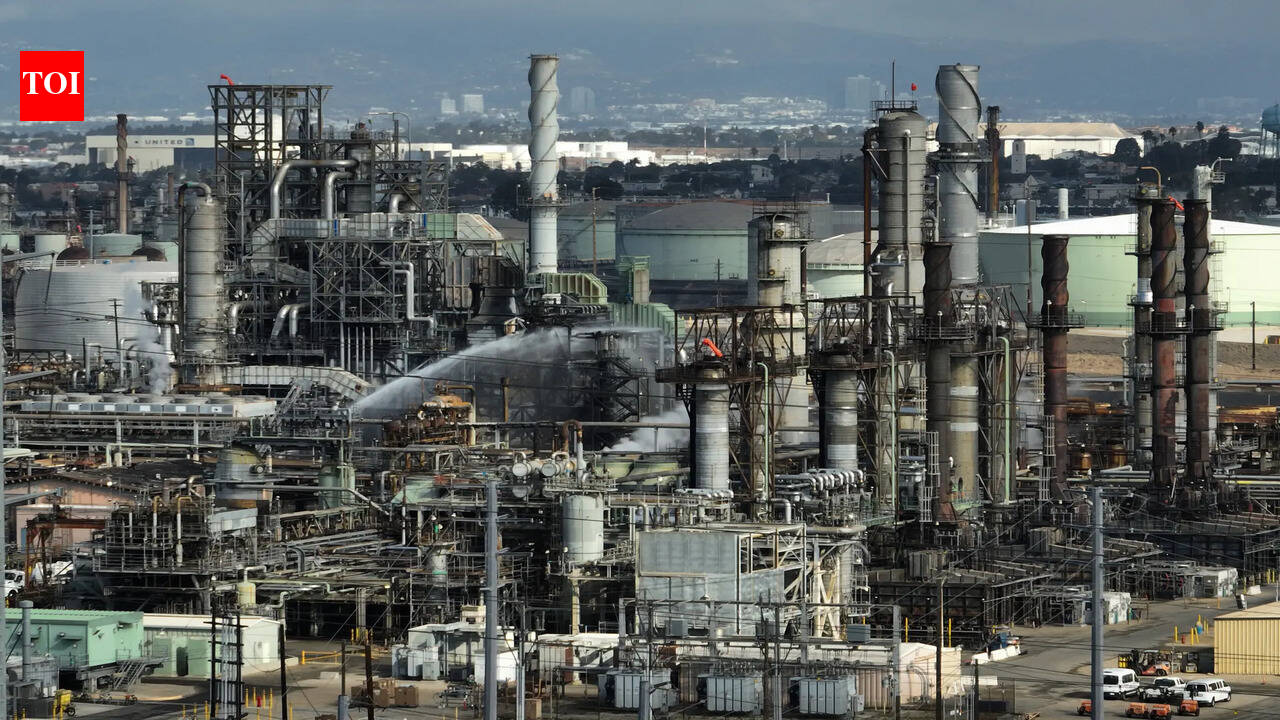
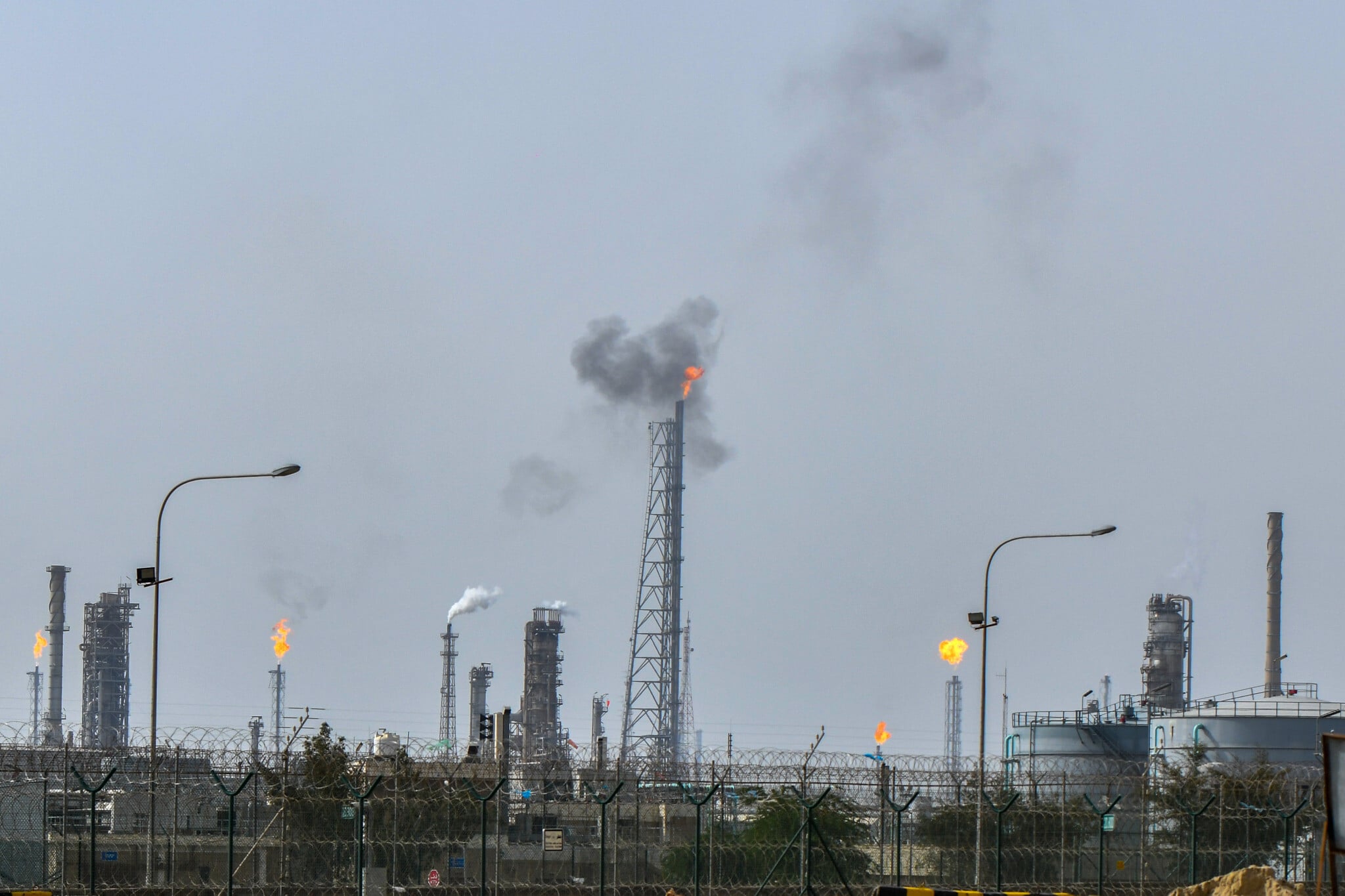
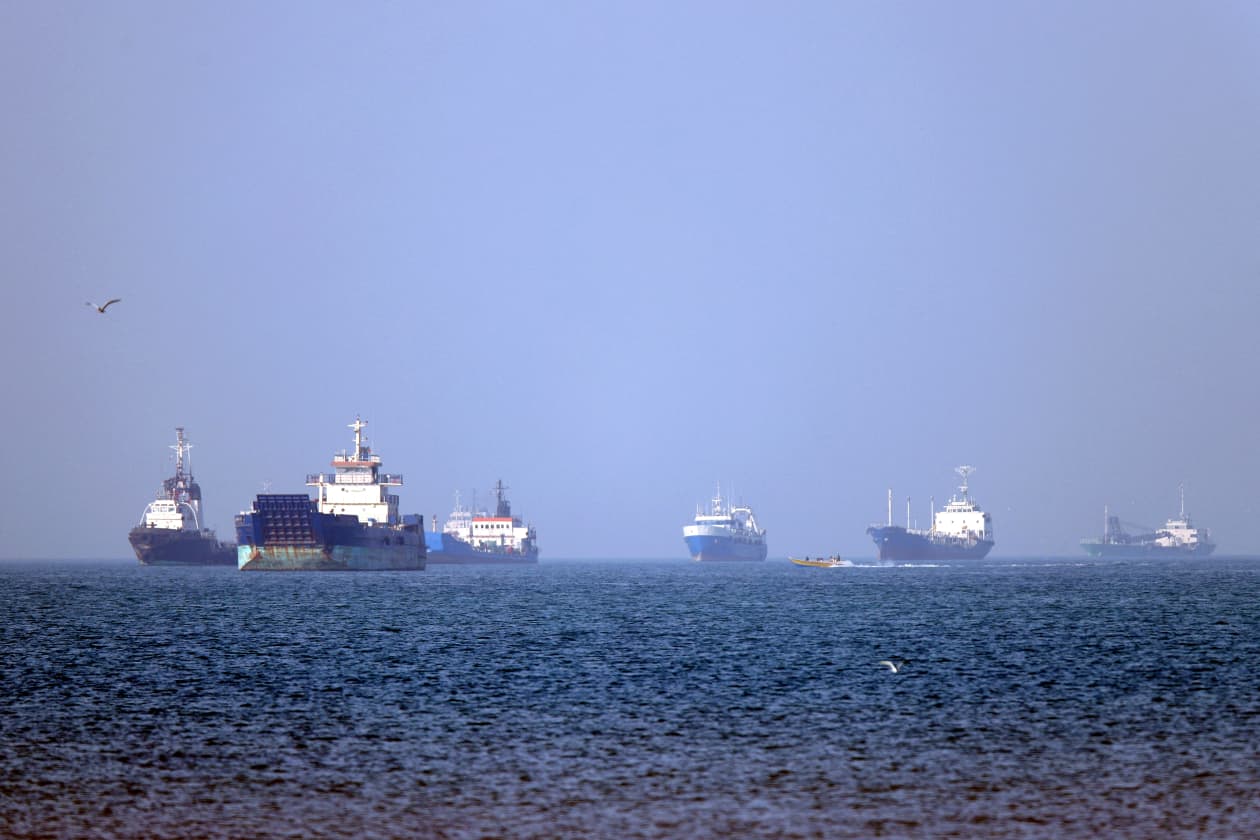
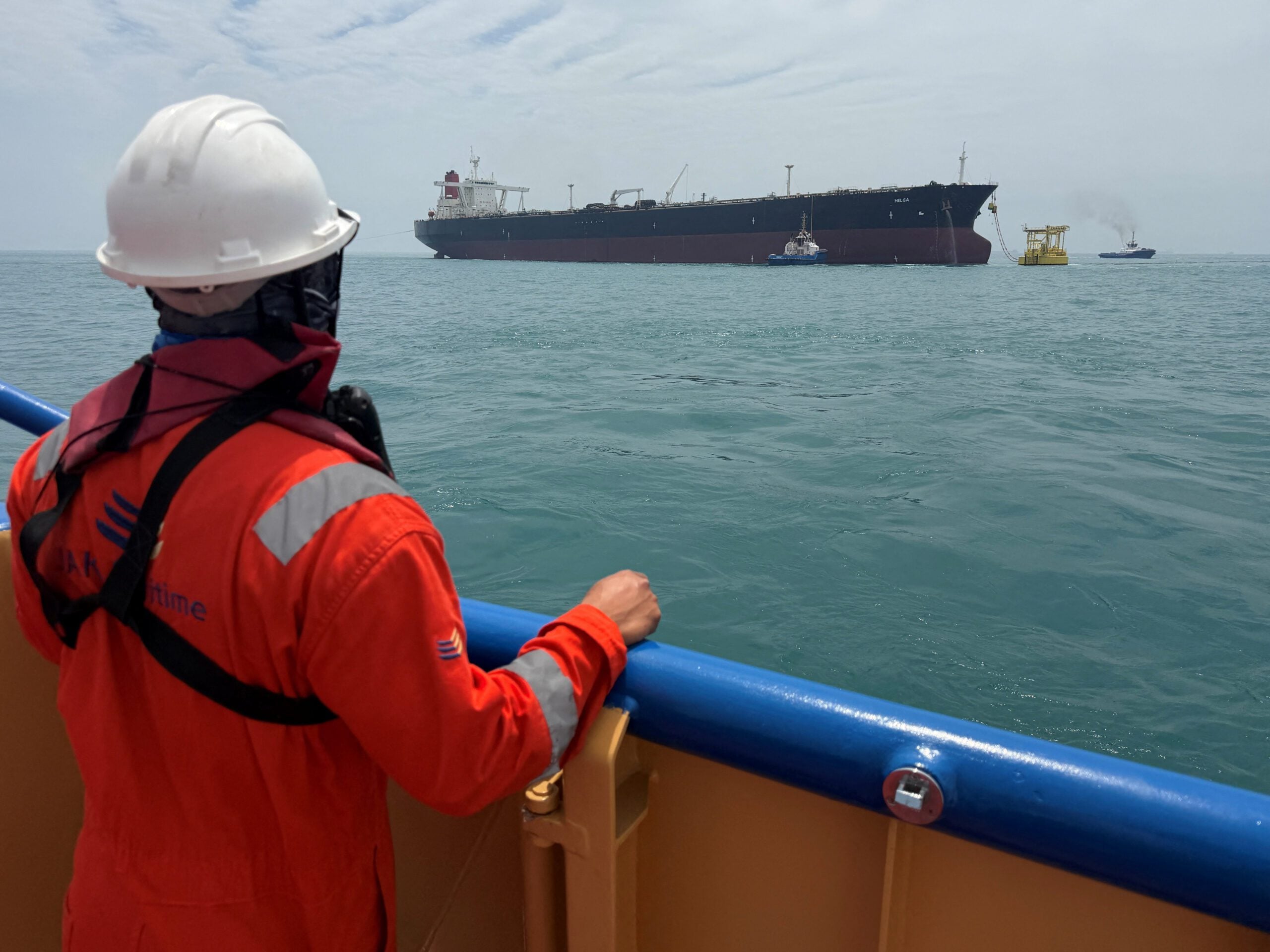
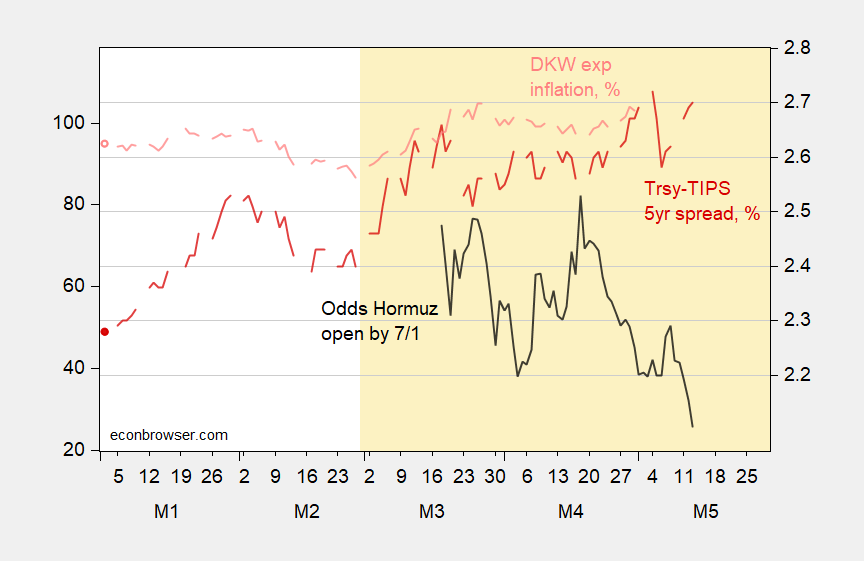
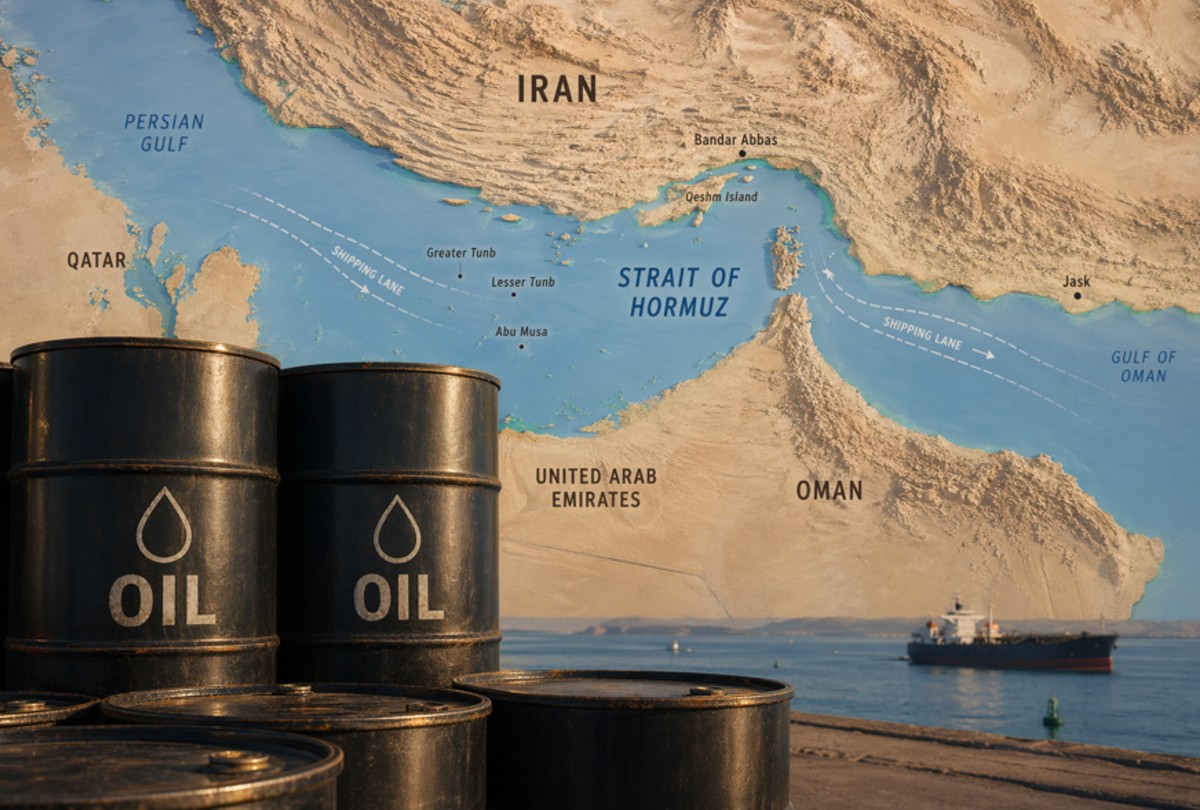
The effective closure of the Strait of Hormuz—controlling approximately one-fifth of global oil supply—has created the largest energy supply disruption in modern history, directly threatening cross-border e-commerce operations worldwide. According to the International Energy Administration (IEA), Persian Gulf oil output has fallen more than 14 million barrels daily below pre-war levels, with the IEA reporting a loss of 12.8 million barrels per day over 75 days (approximately 960 million barrels total). The U.S. Energy Information Administration (EIA) revised forecasts on May 12, 2026, projecting peak supply disruptions of 10.8 million barrels per day in May 2026, up from earlier estimates of 9.1 million bpd. Brent crude prices have risen nearly 50% since the conflict began in late February 2026, currently settling at $105.63 per barrel as of May 13, 2026, with expert projections suggesting prices could reach $150 or higher if the Strait remains closed beyond June 2026.
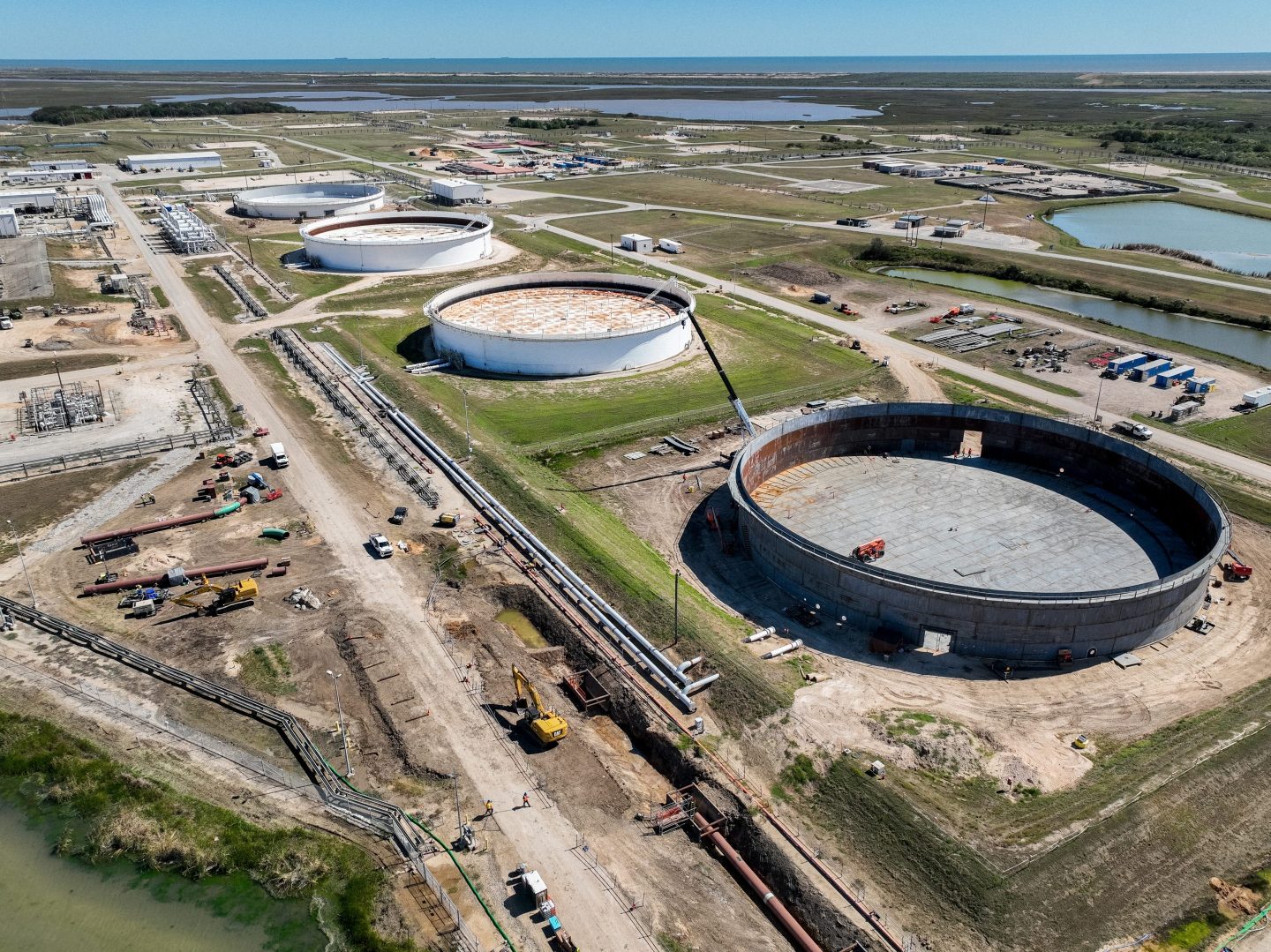
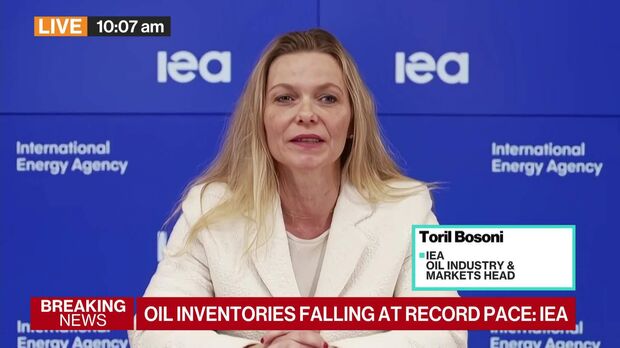
For cross-border e-commerce sellers, this crisis creates immediate operational and financial pressures across multiple dimensions. Shipping costs are experiencing acute increases, with sellers relying on air freight or expedited shipping facing particularly severe cost escalation. The EIA projects U.S. retail gasoline prices will average $3.88 per gallon in 2026 (18 cents higher than April forecasts), with expert projections suggesting prices could reach $5 per gallon by June if crude exceeds $125 per barrel. Global logistics networks face extended transit times and higher insurance premiums for shipments through alternative routes bypassing the Strait. The IEA coordinated a 400-million-barrel emergency oil reserve release among member nations, but experts warn these finite mitigation efforts provide only temporary relief. Warehouse operations, cold chain logistics, and last-mile delivery costs are all experiencing inflationary pressure. The EIA forecasts global oil inventories will fall 2.6 million barrels per day in 2026—dramatically up from the earlier estimate of approximately 300,000 bpd—indicating accelerating depletion of strategic reserves.
Strategic sourcing dynamics are shifting as sellers reassess supply chain dependencies. The United Arab Emirates, OPEC's second-largest producer, has announced plans to leave the cartel, weakening OPEC's ability to maintain production quotas that artificially inflate prices. Infrastructure experts predict massive pipeline development bypassing the Strait of Hormuz through Saudi Arabia and UAE, potentially reducing long-term transportation costs. However, the short-term outlook remains volatile, with the EIA extending its assumption that the Strait will remain effectively closed through May 2026. Approximately 40 countries are implementing IEA recommendations to reduce energy demand, including expanded public transportation subsidies and remote work encouragement, which could suppress overall consumer spending and e-commerce demand. The supply chain disruption extends beyond crude oil to critical materials including lubricants, sulfuric acid, helium, and aluminum—all essential inputs for manufacturing and logistics operations. Rising fertilizer costs driven by energy disruptions threaten to increase global food prices, impacting agricultural supply chains and creating inflationary pressure on product costs across multiple categories. The uncertainty surrounding the Strait's reopening timeline creates significant planning challenges for inventory management and pricing strategies, requiring sellers to maintain flexibility in logistics planning and cost projections.
Questions 7
How much will shipping costs increase for cross-border e-commerce sellers due to the Strait of Hormuz closure?
Shipping costs are experiencing 15-25% increases across most logistics corridors, with air freight and expedited shipping facing the most acute cost escalation. The EIA projects U.S. retail gasoline prices will average $3.88 per gallon in 2026 (18 cents higher than April forecasts), with potential to reach $5 per gallon by June if crude exceeds $125 per barrel. For sellers using FBA or third-party logistics providers, these fuel surcharges directly impact fulfillment costs. Sellers shipping via air freight face particularly severe increases, while ocean freight experiences extended transit times (3-5 weeks longer) and higher insurance premiums for alternative routes. The IEA reports global oil inventories falling 2.6 million barrels per day, indicating sustained price pressure through at least Q2 2026.
Which product categories face the greatest supply chain disruption from the energy crisis?
Supply chain disruptions extend beyond crude oil to critical materials including lubricants, sulfuric acid, helium, and aluminum—all essential inputs for manufacturing and logistics. Cold chain logistics and perishable goods face particularly acute challenges due to increased refrigeration costs and extended transit times. Agricultural products are threatened by rising fertilizer costs driven by energy disruptions, which threaten to increase global food prices. Electronics and machinery categories dependent on aluminum and helium face component sourcing delays. Sellers in these categories should prioritize supply chain diversification away from Middle Eastern dependencies and consider sourcing alternatives from UAE, Saudi Arabia, and other non-Strait-dependent suppliers.