




Wholesale Inflation Hits 6% | Cross-Border Sellers Face Margin Compression & Extended High Borrowing Costs
- Shipping costs surge 8-12% monthly; Fed delays rate cuts to mid-2027; consumer purchasing power erodes as inflation outpaces wage growth









Overview
CRITICAL SELLER ALERT: U.S. wholesale inflation surged to 6% year-over-year in April 2025—the highest level in over three years—with the monthly Producer Price Index jumping 1.4%, the largest monthly gain in four years. This inflationary shock directly threatens cross-border e-commerce seller profitability through cascading cost increases across logistics, inventory financing, and operational expenses.
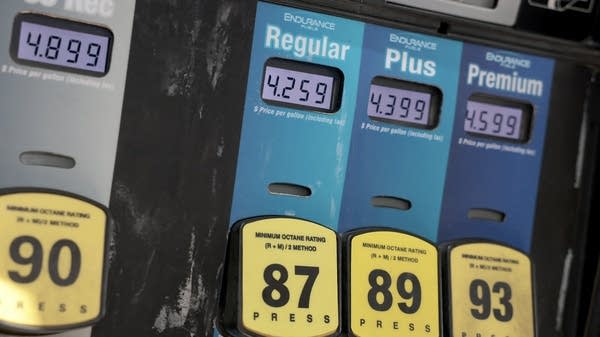
IMMEDIATE COST PRESSURES: Energy prices climbed 7.8% month-over-month and 22.7% annually, driven by geopolitical tensions and unprecedented supply disruptions from the Strait of Hormuz (12.8 million barrels daily reduction since February). Diesel—critical for shipping and logistics—jumped 12.6% monthly, while truck transportation freight costs surged over 8% monthly and air freight rose 3.6%. These shipping cost increases directly compress margins on FBA inventory, 3PL fulfillment, and international shipments. Core producer prices (excluding food and energy) rose 5.2% annually, signaling broader systemic inflation beyond temporary energy shocks. Consumer Price Index already jumped 3.8% year-over-year in May, the largest increase in three years, with visible impacts across appliances, household goods, and air travel—categories where sellers face immediate pricing pressure.
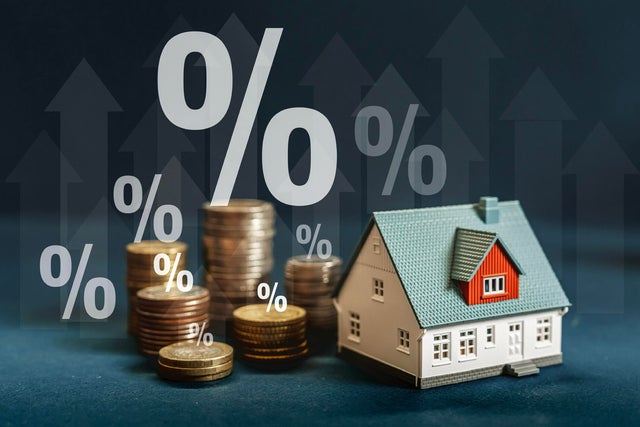
FEDERAL RESERVE OUTLOOK EXTENDS BORROWING COST PAIN: The April inflation report has fundamentally altered Fed rate expectations. Most economists now forecast the earliest interest rate cuts will occur in mid-to-late 2027, not June 2026 as previously anticipated. The CME FedWatch Tool shows traders pricing in rate cuts for mid-to-late 2027, while prediction markets estimate a 42% chance of a Fed rate hike before July 2027. For inventory-dependent sellers relying on credit lines, this extended high-rate environment means borrowing costs will remain elevated or increase further. Sellers with variable-rate debt face payment increases, while those planning inventory expansion must budget for 7-9% financing costs through 2027. Housing costs have climbed significantly since 2024, directly affecting warehouse and fulfillment center expenses for 3PL operations.
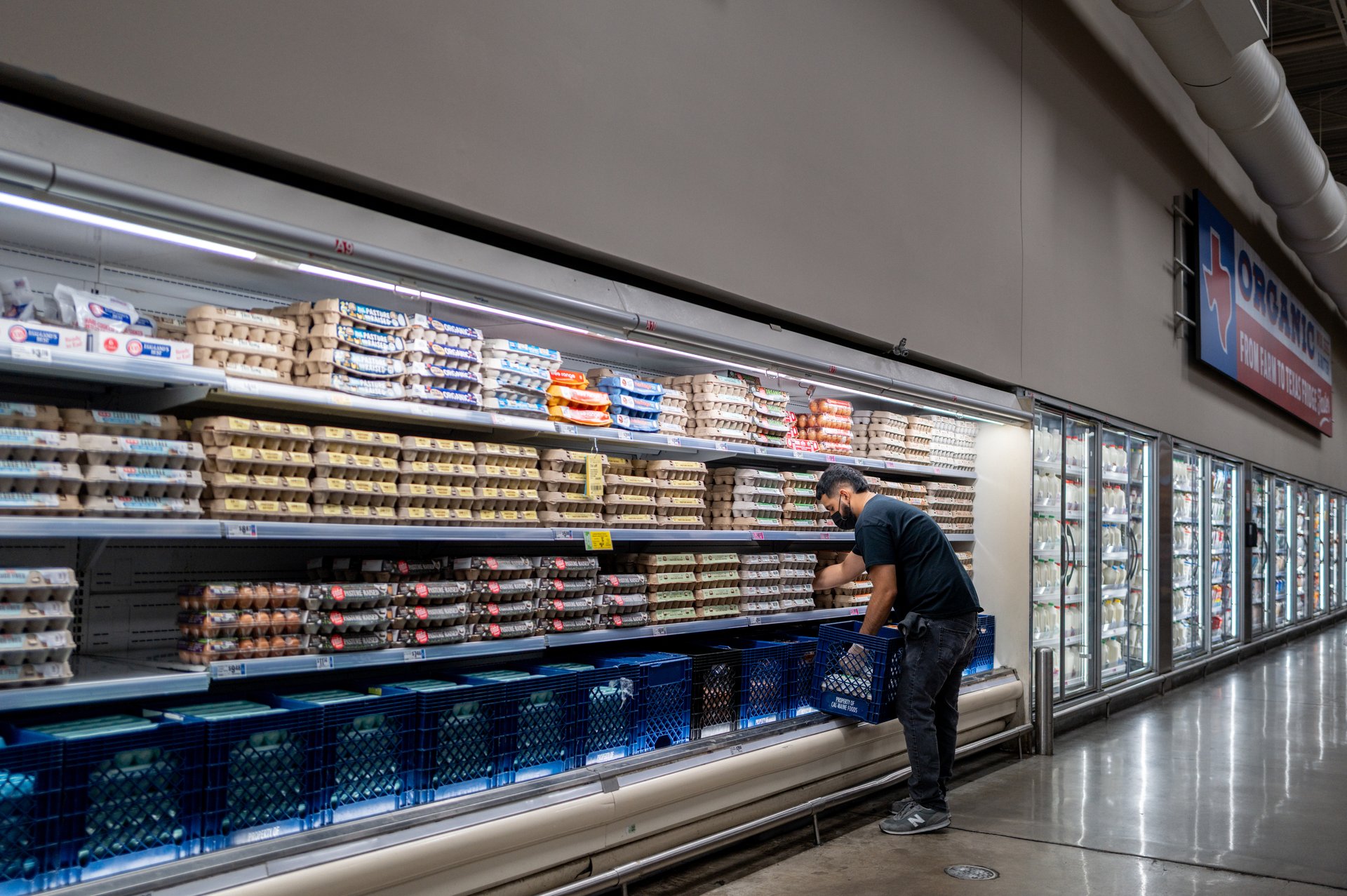
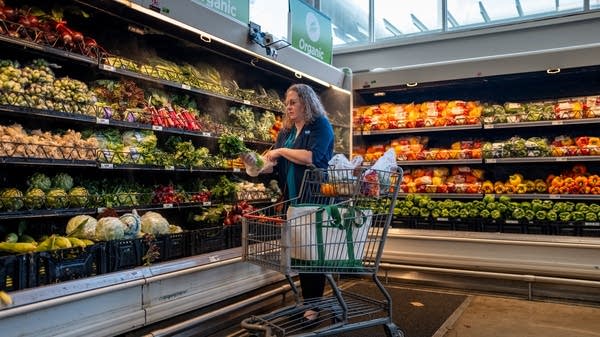
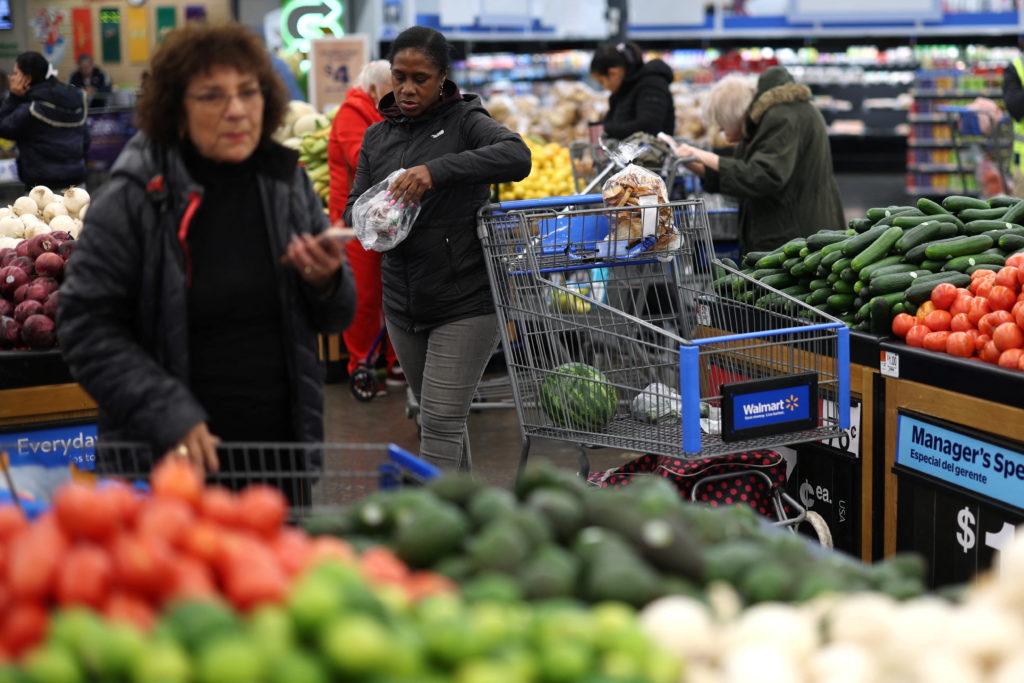
CONSUMER DEMAND DESTRUCTION RISK: Inflation outpacing wage growth (first time since 2023) directly reduces consumer discretionary spending. Non-essential product categories face demand destruction as consumers prioritize essential purchases. Major retailers are responding with price increases—Walmart announced rare price hikes, while Whirlpool implemented a 10% price increase in April with an additional 4% planned for July, citing "recession-level industry decline" affecting consumer confidence. Sellers face a margin compression squeeze: raising prices risks demand destruction, while absorbing wholesale cost increases reduces profitability. Transportation and warehousing prices specifically rose 5% annually, with broader inflation across services affecting payment processing fees and platform costs. The data demonstrates that sellers in discretionary categories (electronics, home décor, fashion) will experience the most severe demand headwinds, while essential goods sellers may maintain volume but face margin pressure from wholesale cost increases.
Questions 7
When will the Federal Reserve cut interest rates and reduce borrowing costs for sellers?
The Federal Reserve has delayed rate cut expectations significantly. Most economists, traders, and Fed watchers now forecast the earliest interest rate cuts will occur in mid-to-late 2027, not June 2026 as previously anticipated. The CME FedWatch Tool shows traders pricing in rate cuts for mid-to-late 2027, while prediction markets estimate a 42% chance of a Fed rate hike before July 2027. For sellers relying on inventory financing, this means borrowing costs will remain elevated at 7-9% through 2027. Sellers with variable-rate debt should expect payment increases, and those planning inventory expansion must budget for extended high-cost financing. The strong April jobs report (115,000 nonfarm payrolls, 4.3% unemployment) indicates a resilient labor market that may sustain inflation pressures, further delaying rate relief.
How much will shipping costs increase for cross-border e-commerce sellers in 2025?
Truck transportation freight costs surged over 8% monthly in April 2025, while air freight rose 3.6%, according to the Labor Department's Producer Price Index. Diesel prices—critical for logistics—jumped 12.6% monthly, driven by supply disruptions from the Strait of Hormuz reducing global oil supplies by 12.8 million barrels daily. For sellers shipping 1,000+ units monthly via FBA or 3PL, this translates to $200-400 additional monthly costs depending on weight and destination. International sellers face compounded pressure through currency fluctuations and increased shipping expenses. These cost increases will persist through 2025 as economists warn higher energy prices could sustain elevated inflation throughout the year.