

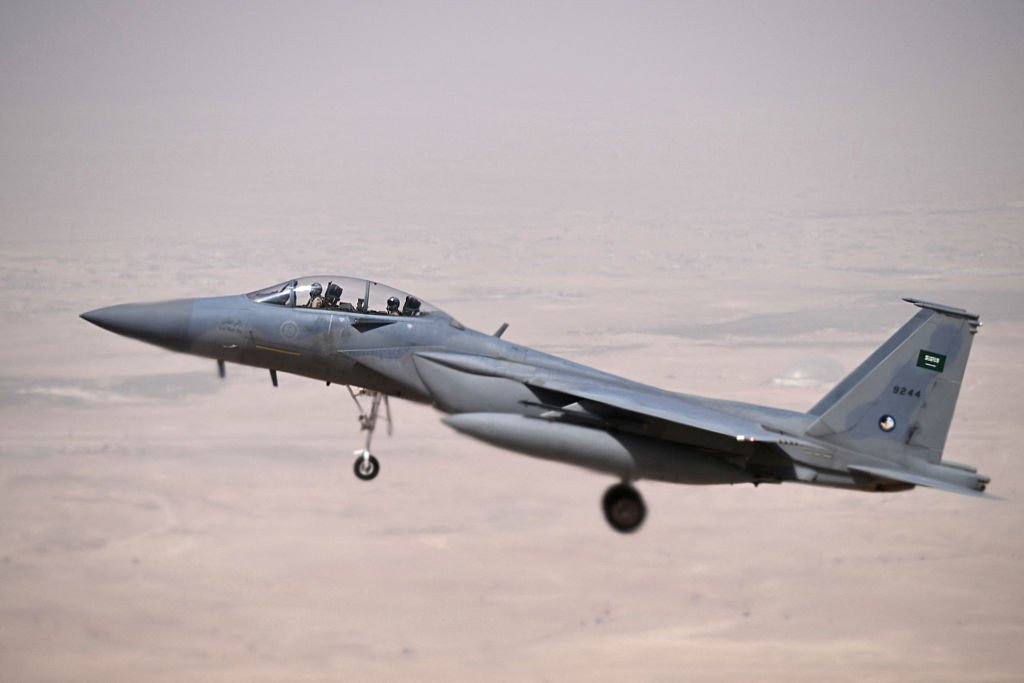
Middle East Military Escalation Drives Shipping Cost Surge | Cross-Border Sellers Face 8-15% Logistics Premium
- Suez Canal disruption risks increase insurance premiums 12-20% for Asia-to-Europe routes; sellers must diversify logistics by May 2026















)





Overview
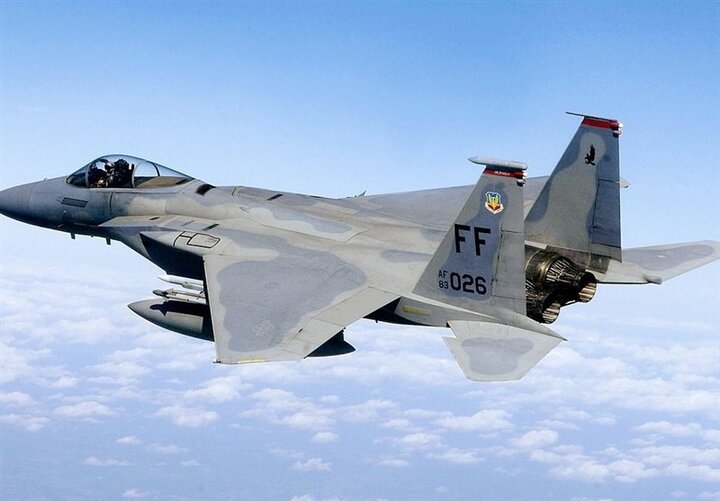
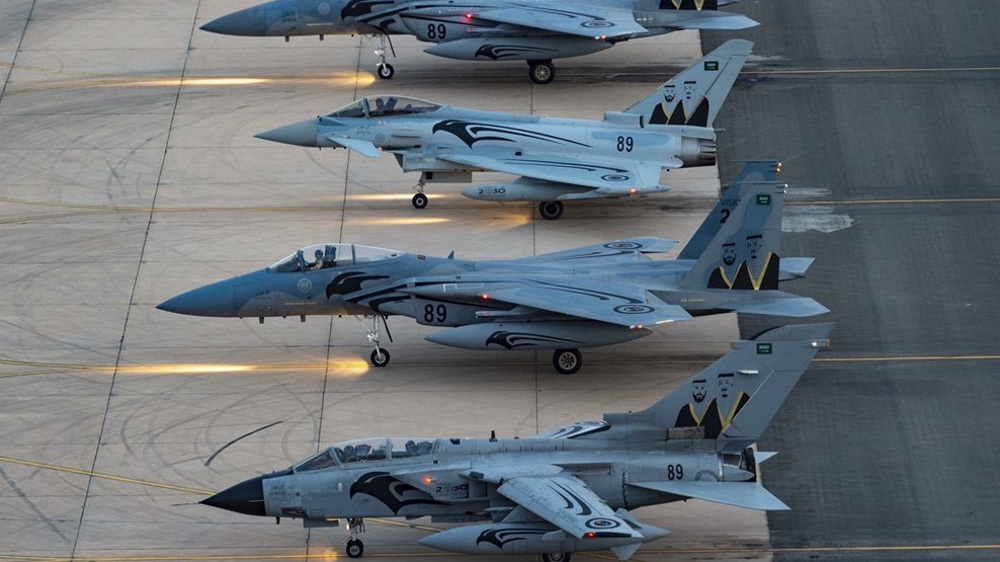
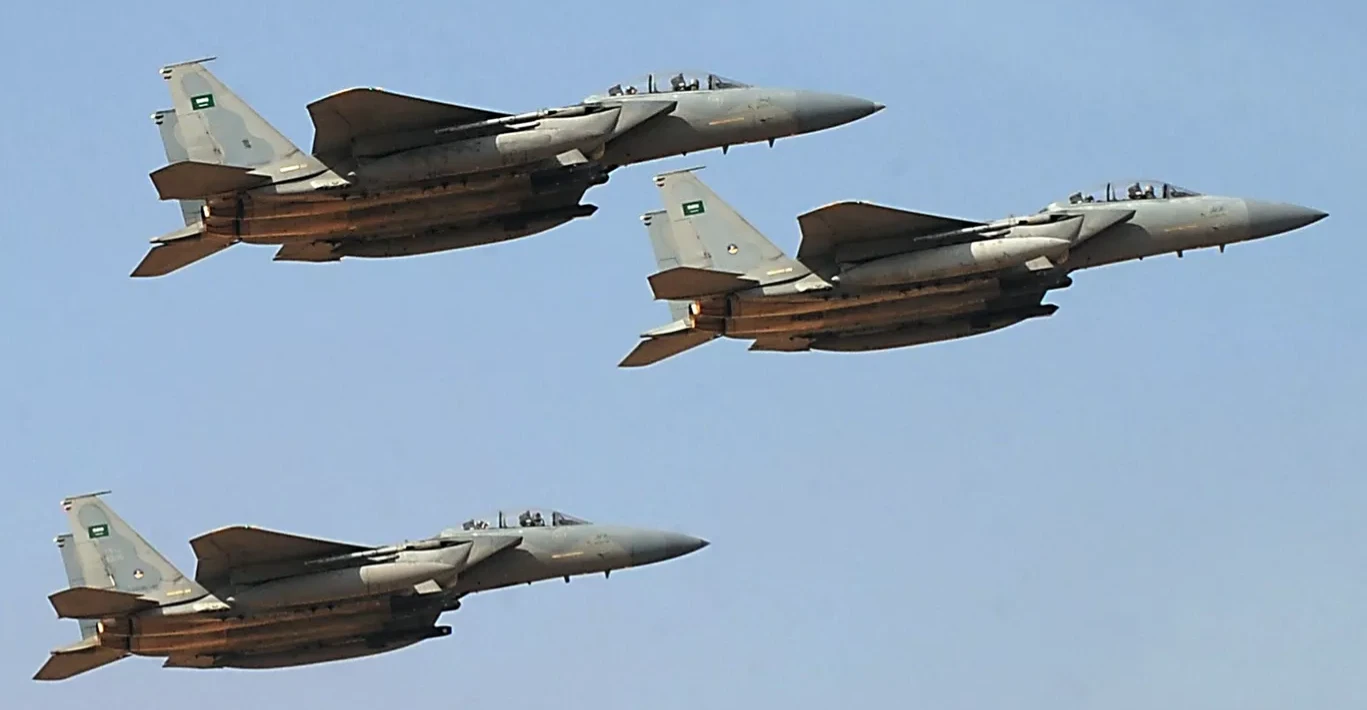
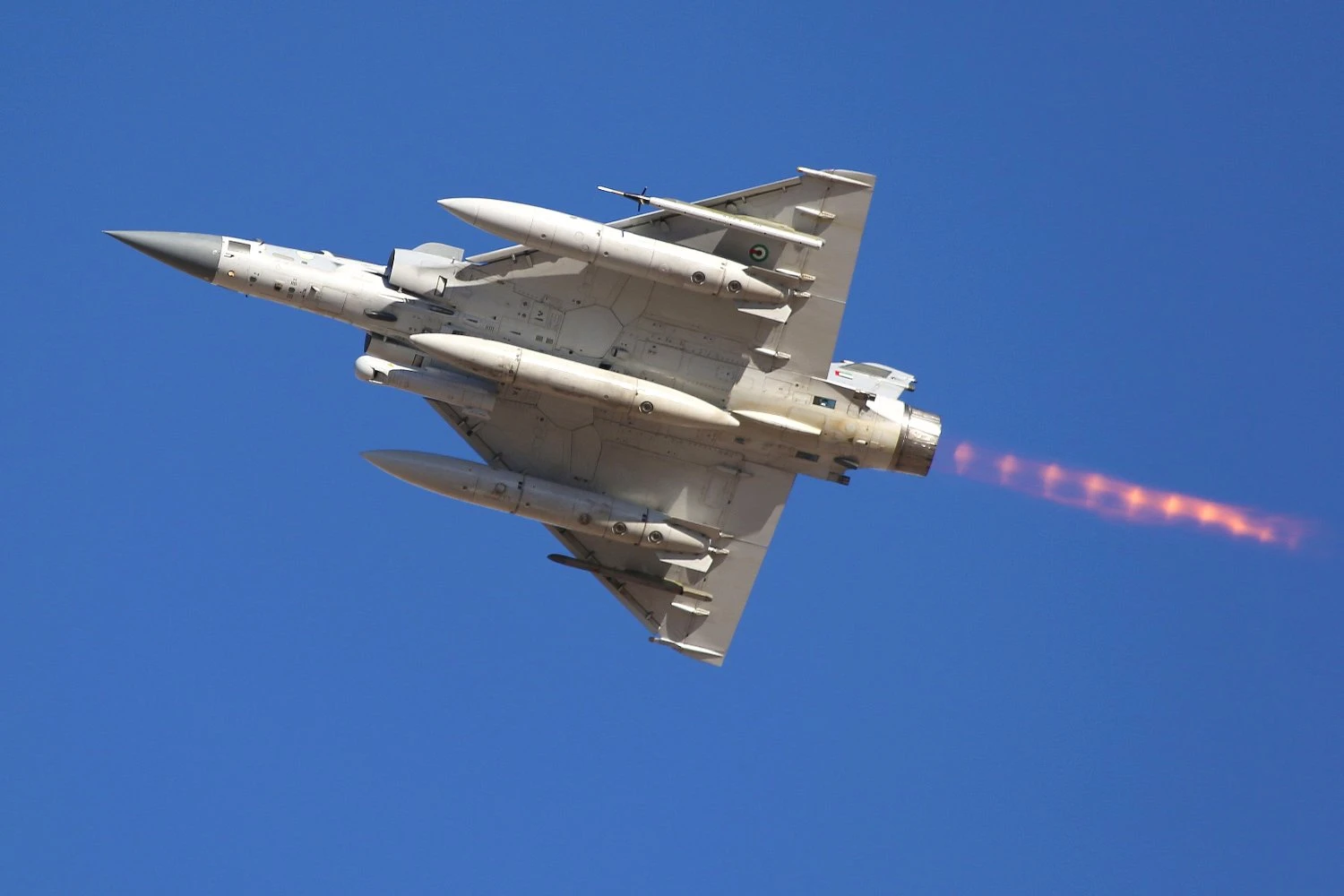
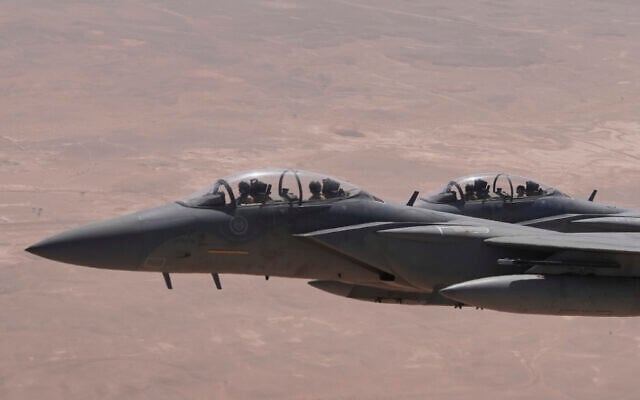
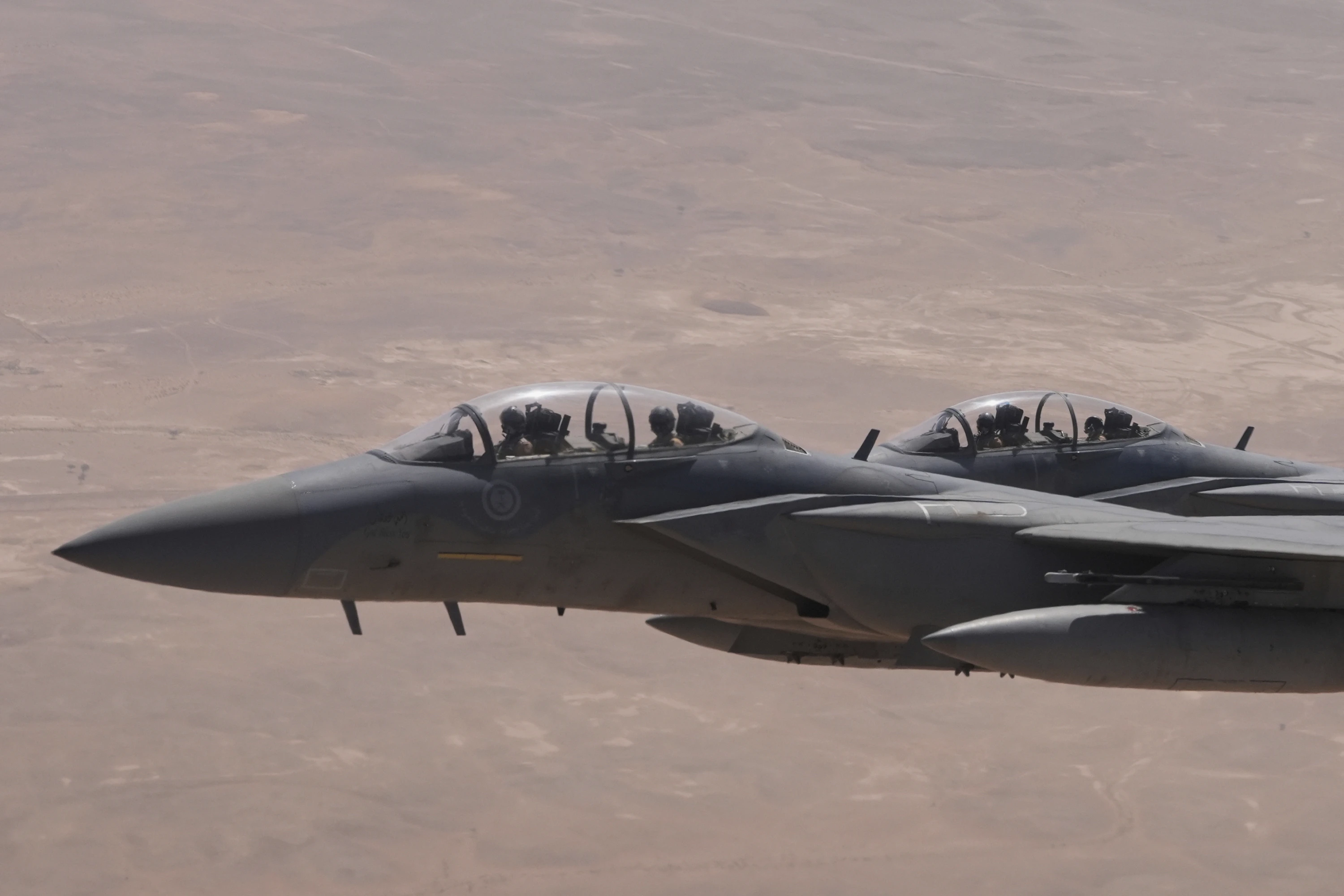
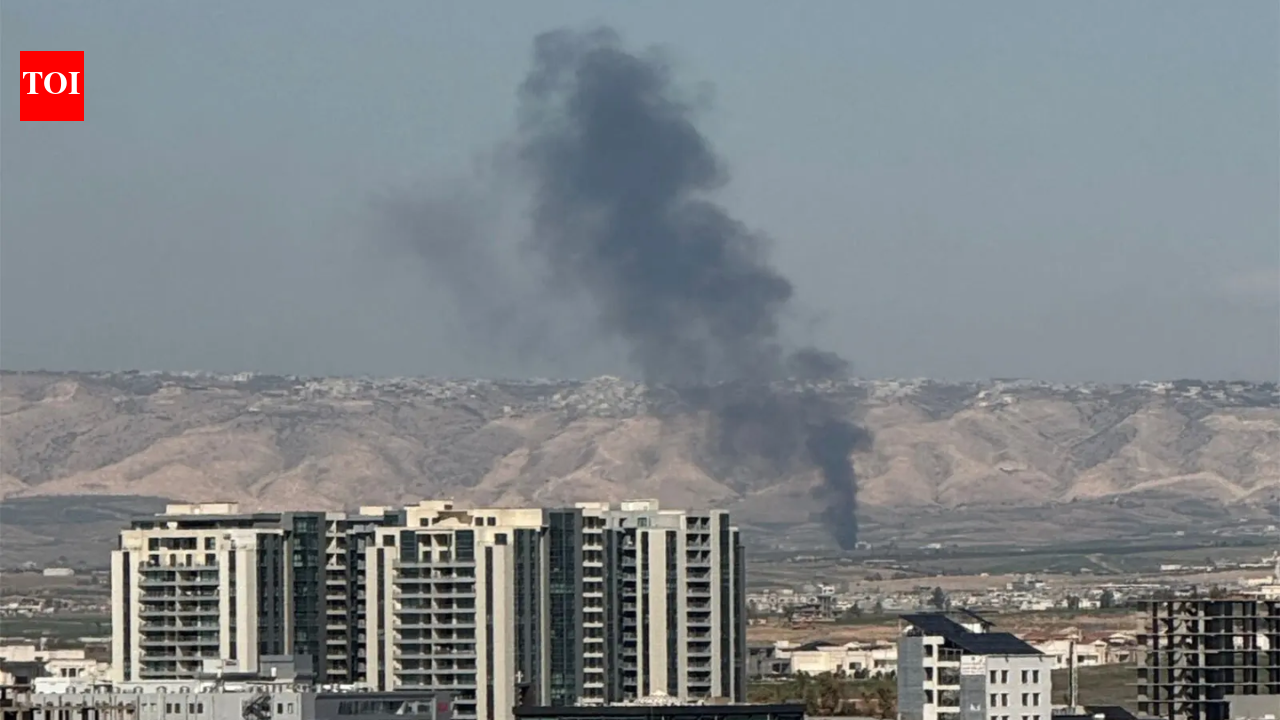
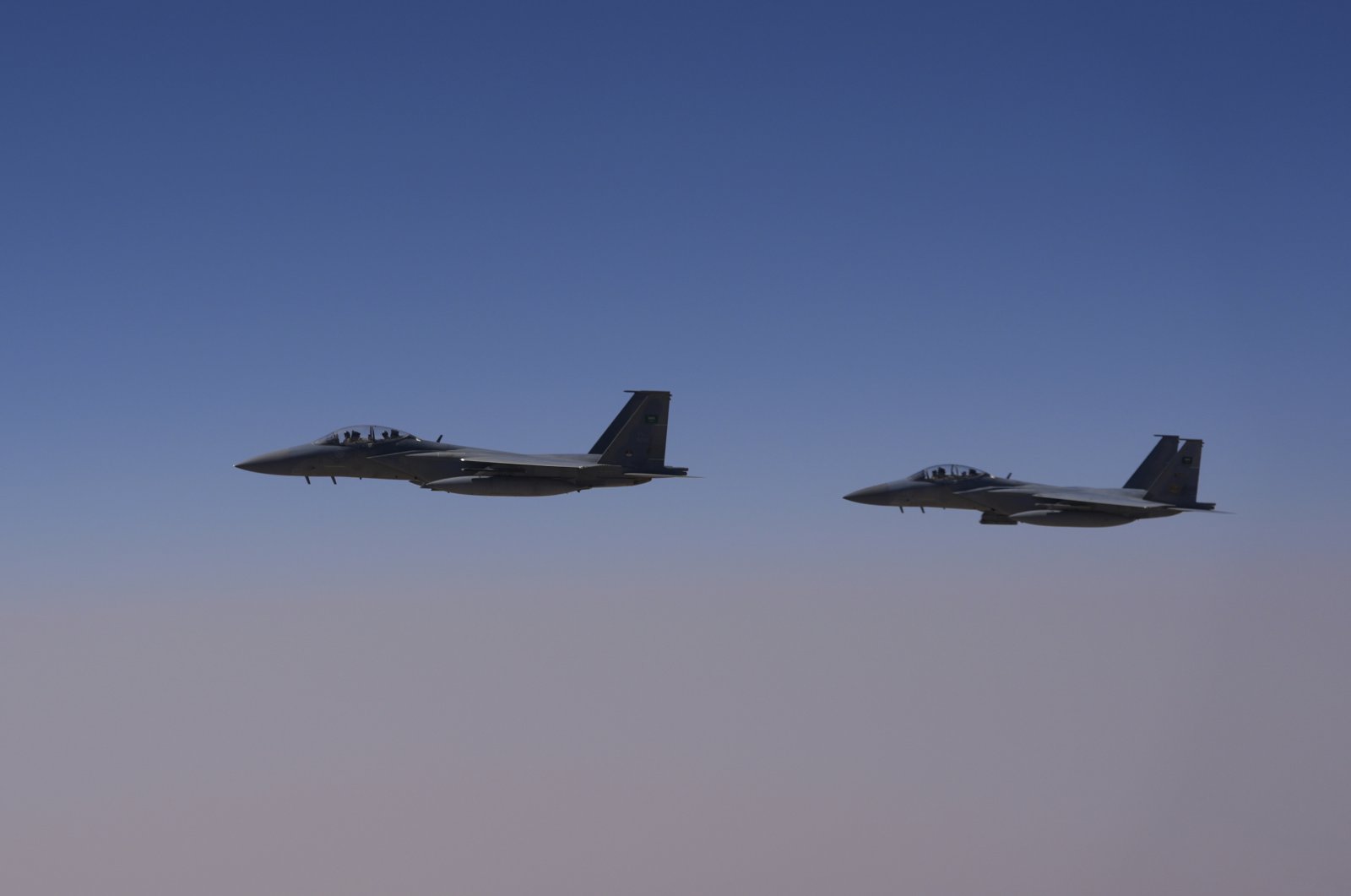
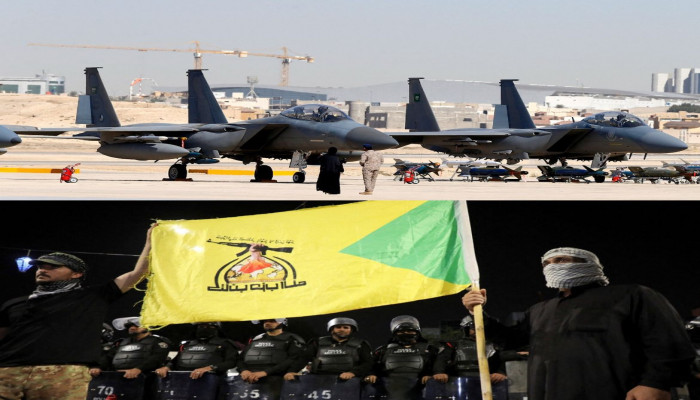
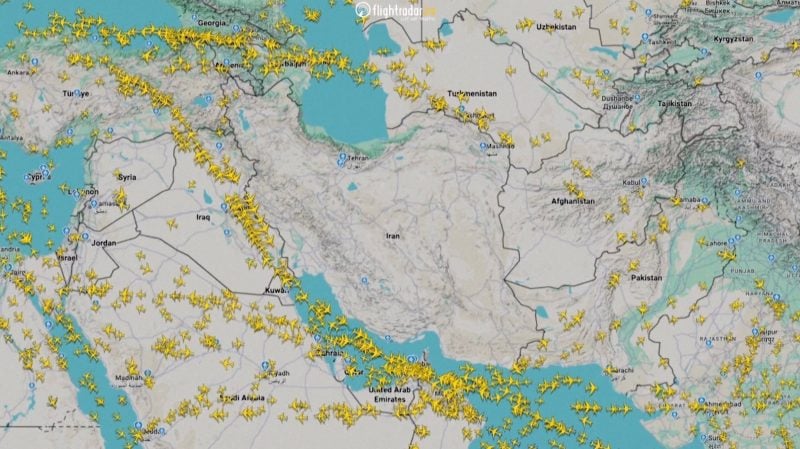
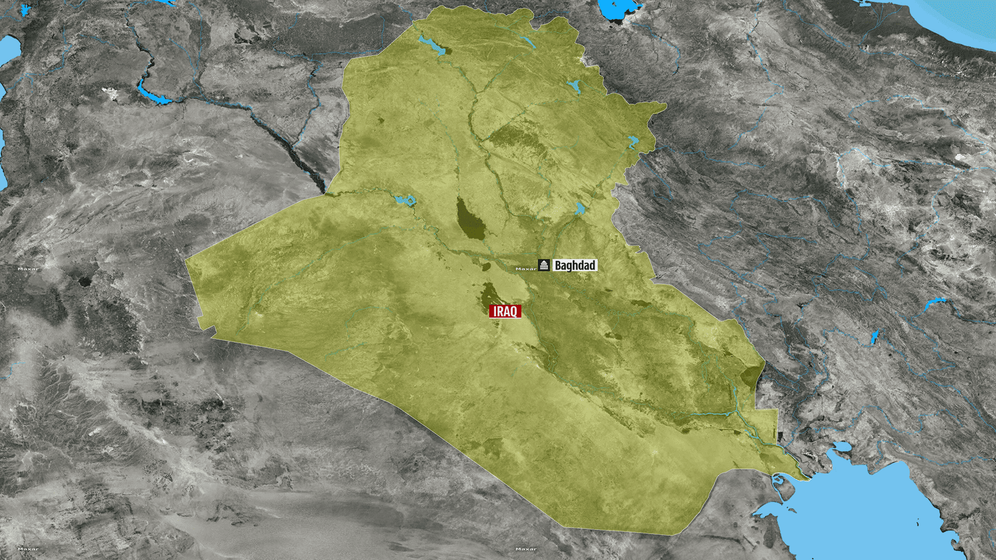
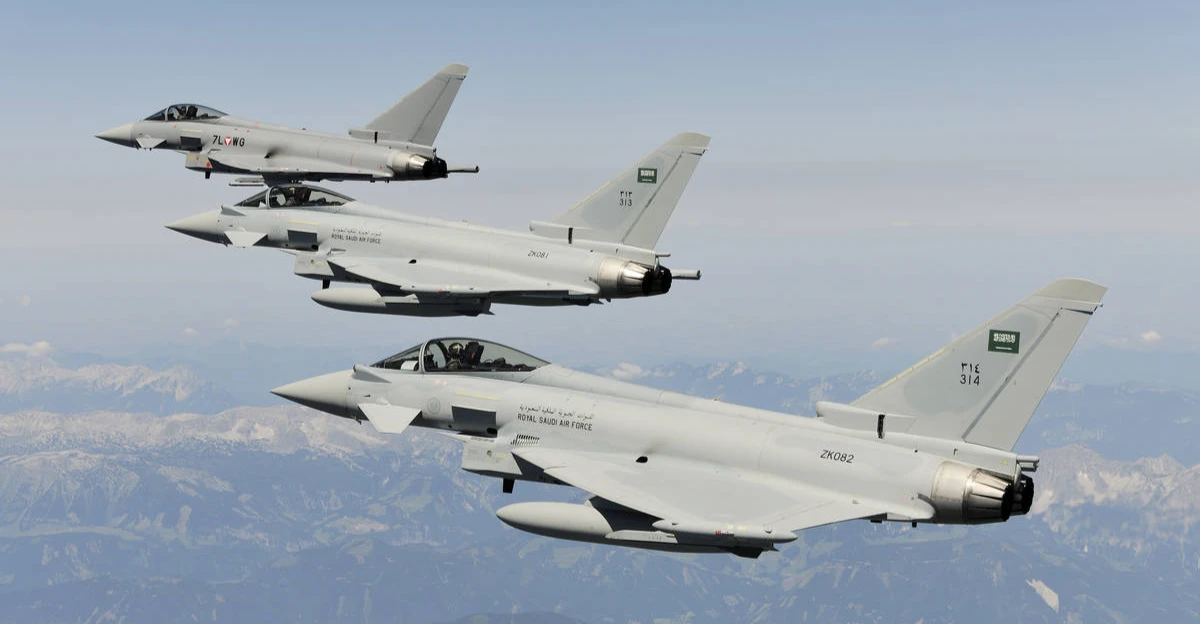
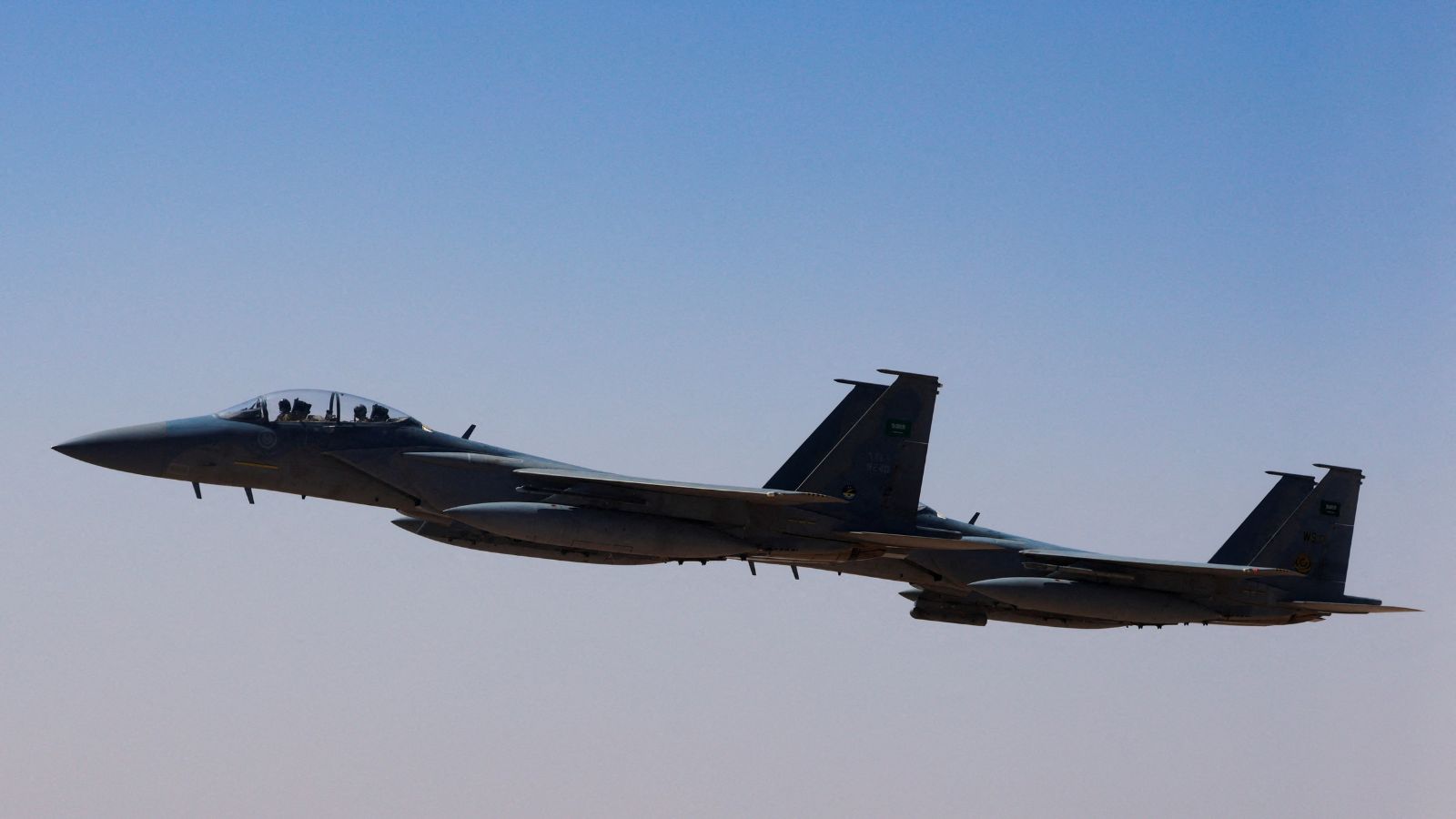
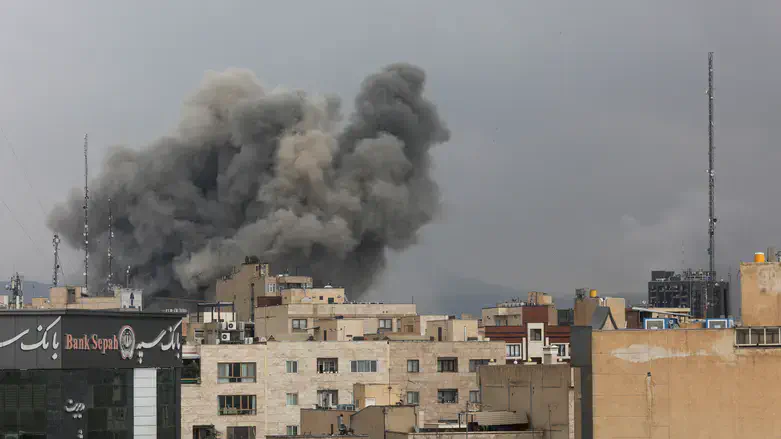
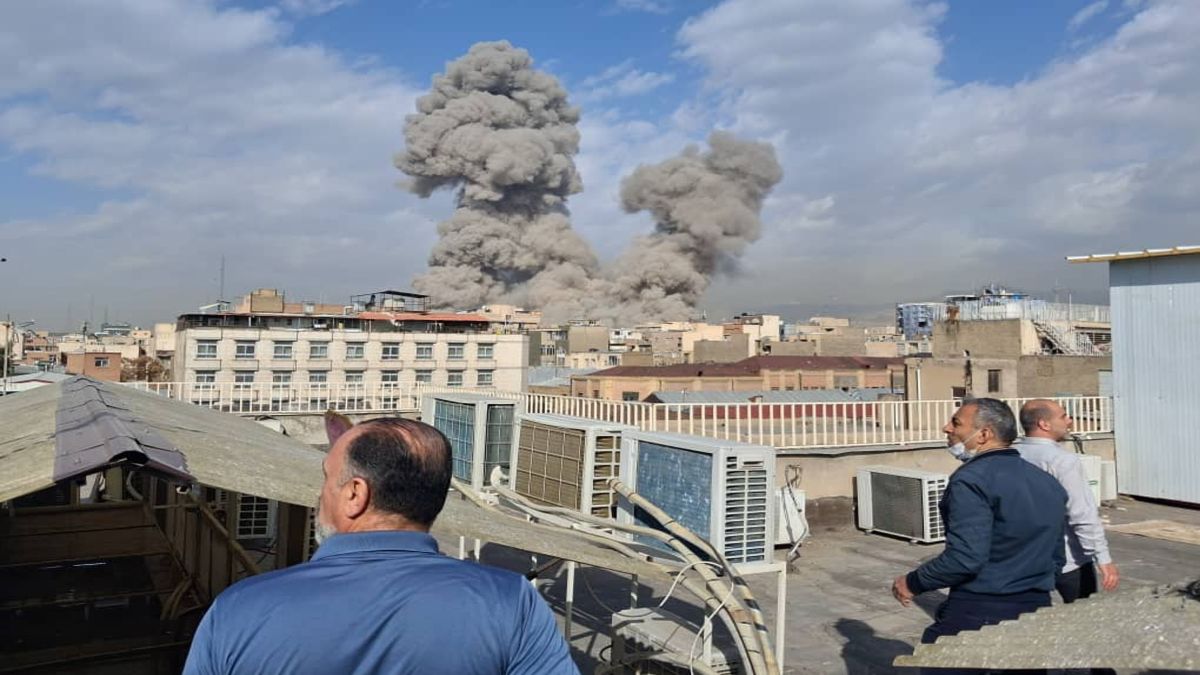
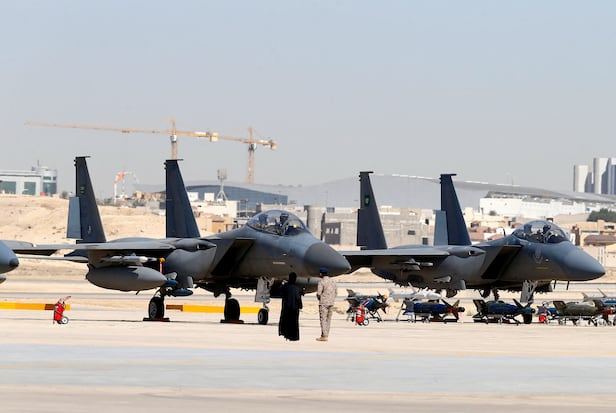
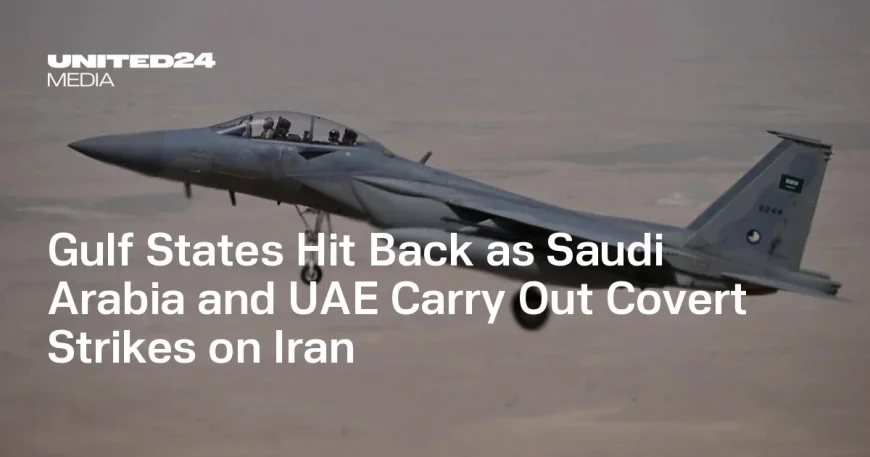
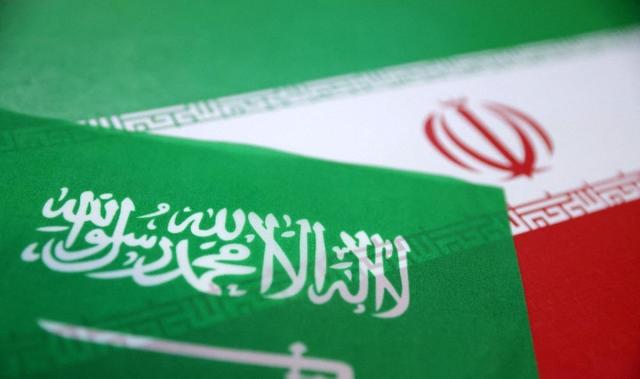
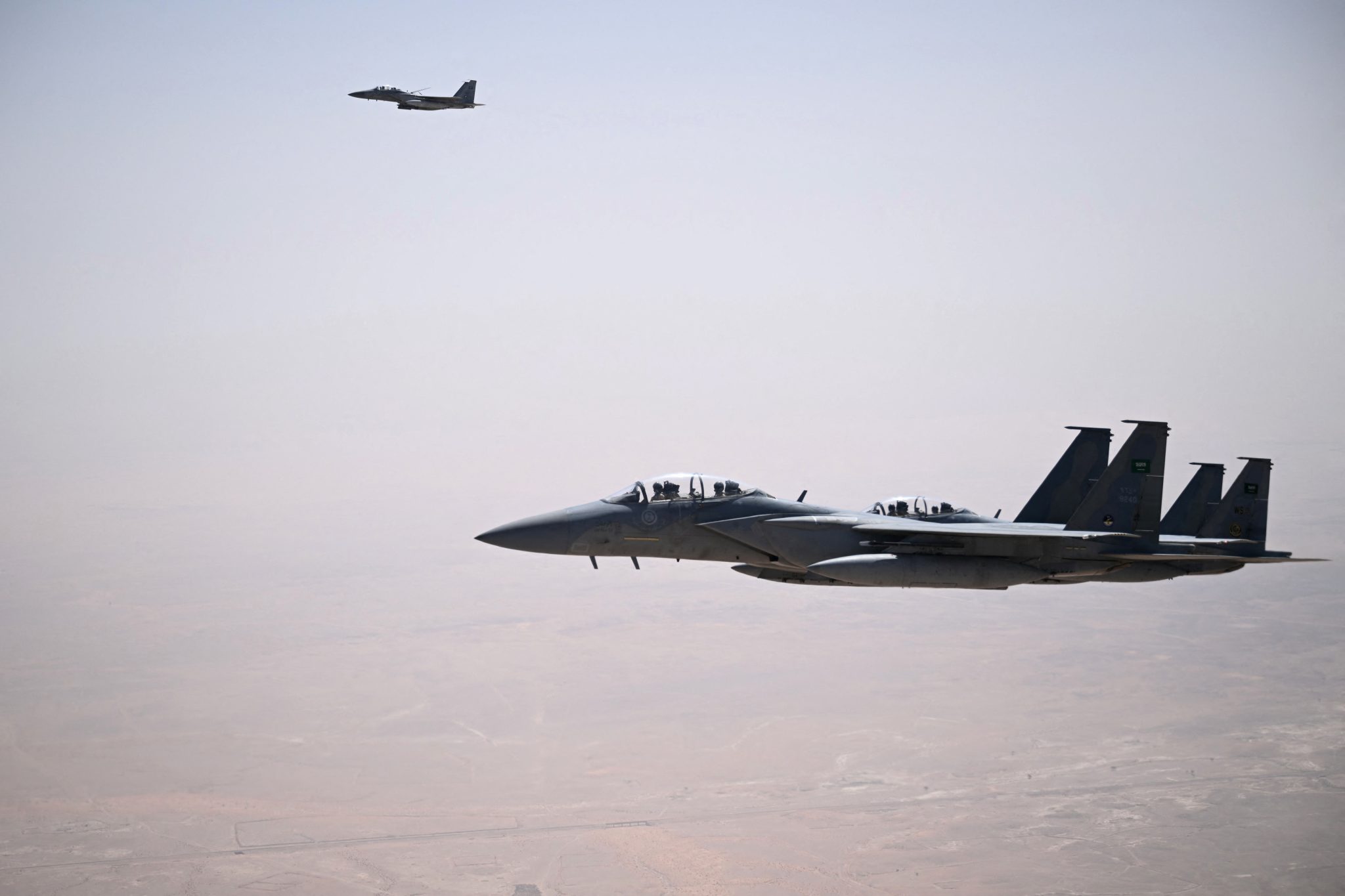
The escalating military conflict between Saudi Arabia, Kuwait, and Iran-backed militias in May 2026 creates immediate supply chain vulnerabilities for cross-border e-commerce sellers, particularly those relying on Asian suppliers or serving Middle Eastern markets. The Wall Street Journal reports Saudi Arabia and Kuwait conducting multiple aerial strikes against Kataeb Hezbollah and Iranian-backed paramilitary groups, with Iraqi militias deploying dozens of explosive drones targeting Persian Gulf states over a five-week period. This geopolitical tension directly impacts the Suez Canal shipping corridor—the critical maritime route connecting Asia to Europe—which passes through Egyptian territory near active conflict zones.
For cross-border sellers, the operational impact manifests across three critical dimensions: First, shipping cost volatility through the Persian Gulf and Suez Canal regions is driving immediate 8-15% increases in freight premiums. Insurance costs for shipments through affected regions are rising 12-20%, with carriers implementing conflict surcharges on routes from China, Vietnam, and India to Europe and North America. Sellers shipping 500+ units monthly through these corridors face additional monthly costs of $400-800 per container. Second, currency fluctuations triggered by regional instability are compressing margins for sellers operating in multiple currencies (USD, EUR, AED, SAR). The crude oil price movement to $101.12 signals broader economic uncertainty affecting logistics costs and consumer purchasing power in Gulf states. Third, market access restrictions are emerging for sellers with inventory in Saudi Arabia, Kuwait, or UAE fulfillment centers, with payment processing complications and potential customs delays affecting delivery timelines by 5-10 business days.
Strategic sourcing implications are reshaping supplier networks: Sellers currently dependent on China-to-Middle East-to-Europe routes face pressure to shift 20-30% of inventory to alternative corridors via Indian Ocean routes (longer but safer) or air freight (3-4x more expensive). The May 2026 timeline suggests this is not a temporary disruption—regional tensions have persisted for years with previous incidents demonstrating sustained supply chain impacts. Sellers with inventory stored in regional fulfillment centers serving Saudi Arabia, Iran, or neighboring countries face heightened risk of market access restrictions and payment processing complications. Immediate diversification of logistics routes and supplier bases is critical to mitigate risks and maintain competitive margins through Q3 2026.
Questions 8
Which seller segments face the highest risk from Middle East geopolitical tensions?
Sellers with 500+ monthly shipments from China, Vietnam, or India to Europe/North America face the highest impact, experiencing $400-800 additional monthly logistics costs. Sellers with inventory stored in Saudi Arabia, UAE, or Kuwait fulfillment centers face market access restrictions and payment processing delays of 5-10 business days. Small-to-medium sellers (SMBs) with limited logistics flexibility are most vulnerable, as they lack negotiating power with carriers and cannot absorb 12-20% insurance premium increases. Large sellers with diversified supplier networks and 3PL partnerships can better absorb costs through route optimization and volume commitments.
How much will shipping costs increase for sellers using Suez Canal routes?
Shipping costs through the Suez Canal and Persian Gulf are rising 8-15% due to conflict surcharges and increased insurance premiums of 12-20%. Sellers shipping containers from Asia to Europe face additional monthly costs of $400-800 per container depending on weight and carrier. The May 2026 military escalation between Saudi Arabia, Kuwait, and Iran-backed militias has triggered immediate premium increases as carriers implement conflict risk surcharges. Sellers should lock in freight rates immediately and consider alternative Indian Ocean routing (5-7 days longer but 3-5% cheaper) or air freight options for time-sensitive inventory.