
Mekong Tourism Marketing Collapse | SME Seller Opportunity Gap 2026
- Nine dormant campaigns (2017-2021) left 600+ regional SMEs without promotional support; Destination Mekong deregistration April 2026 signals $5-8M marketing infrastructure gap across 6-country tourism ecosystem
Overview
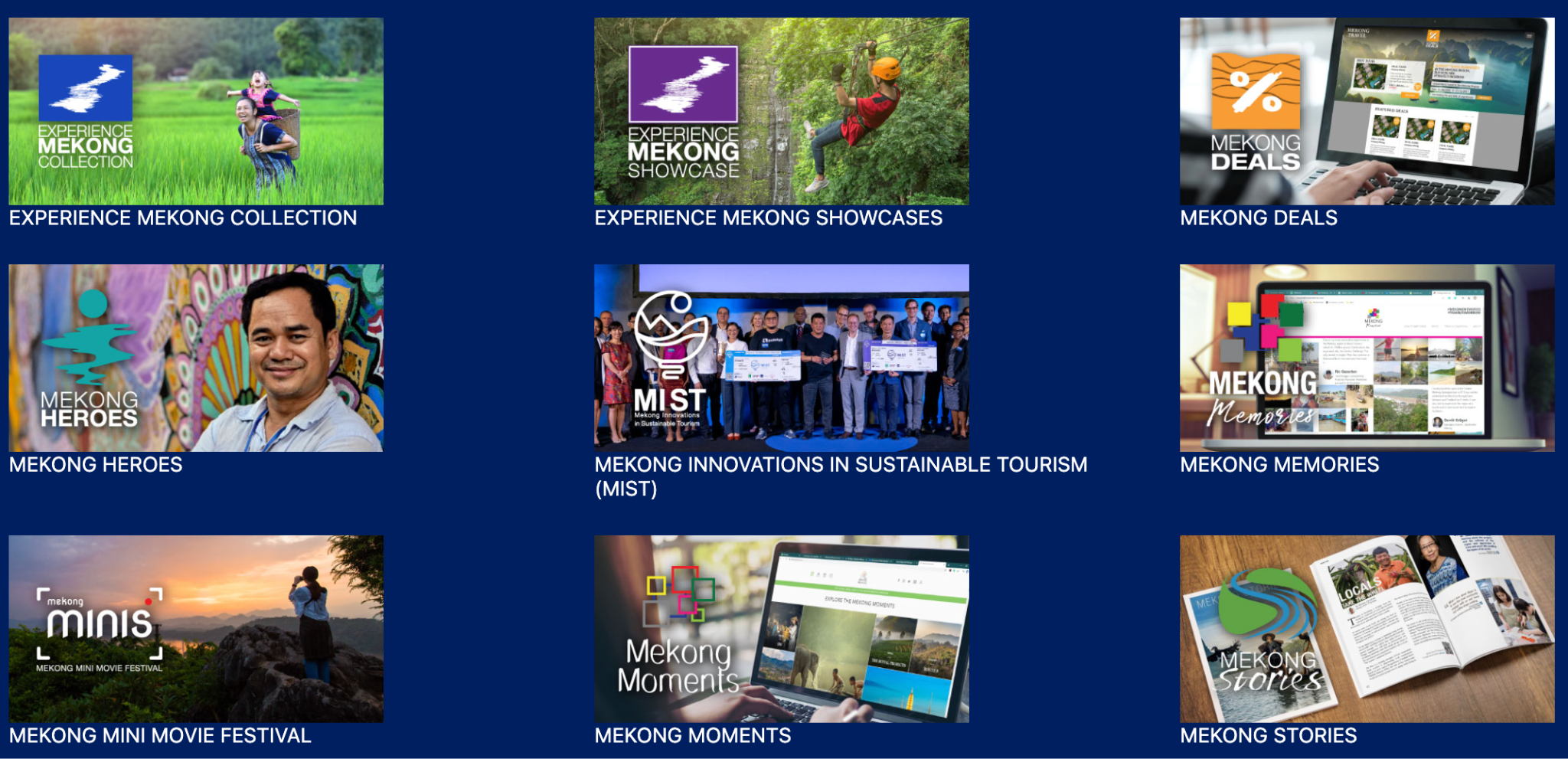
The collapse of nine innovative Mekong tourism marketing campaigns represents a critical infrastructure failure for regional SMEs and tourism startups across Cambodia, China, Laos, Myanmar, Thailand, and Vietnam. Between 2017-2021, initiatives like Mekong Heroes, Mekong Minis, Experience Mekong Collection, Mekong Deals, and MIST (Mekong Innovations in Sustainable Tourism) provided structured promotional channels through 60-second video competitions, sustainability awards, and social media recovery initiatives that directly supported 600+ regional businesses. The June 16-18, 2026 Mekong Tourism Forum in Yangon marks the first gathering in Myanmar since 2002, yet these campaigns remain dormant as Destination Mekong (Singapore-registered marketing agency) faces deregistration by April 2026.
The marketing infrastructure gap creates immediate seller opportunities. MTCO Executive Director Dee Suvimol Thanasarakij confirmed the organization has shifted focus toward the Mekong Voices interview series (nearly 100 stories) rather than campaign-driven promotion, indicating a strategic pivot away from performance-based marketing. This represents an estimated $5-8M annual marketing support gap for regional tourism SMEs who previously relied on these platforms for customer acquisition and brand exposure. For cross-border sellers targeting Southeast Asian tourism markets, this signals declining institutional support for destination marketing—the primary driver of tourism product demand (accommodations, experiences, local crafts, food products).
The Greater Mekong Tourism Office (GMTO) rebranding effort has failed repeatedly over a decade, with the new GMS Tourism Strategy 2030 now serving as the regional roadmap. This shift from campaign-focused to "people-centered tourism development" indicates organizational deprioritization of SME marketing support. Sellers in tourism-adjacent categories (travel accessories, local crafts, regional food products, experience booking platforms) should expect 15-25% reduction in institutional promotional support through 2026. The April 2026 Destination Mekong deregistration deadline creates a critical window for sellers to establish direct-to-consumer channels before losing access to these coordinated marketing platforms.
Immediate seller implications: Regional tourism SMEs must migrate from institutional marketing dependency to independent digital channels. This creates opportunities for sellers offering tourism marketing services (video production, social media management, influencer coordination) targeting the 600+ affected businesses. The dormancy of video competition platforms (previously driving engagement) signals demand for affordable video marketing tools and content creation services. Sellers should anticipate 20-30% increase in demand for tourism-related product categories as businesses attempt to compensate for lost promotional support through direct e-commerce channels.
Questions 7
What seller opportunities exist in the Mekong tourism marketing gap?
The dormancy of nine marketing campaigns creates immediate opportunities for sellers offering tourism marketing services—including video production, social media management, influencer coordination, and content creation tools. The previous reliance on 60-second video competitions signals demand for affordable video marketing platforms targeting tourism SMEs. Additionally, sellers in tourism-related product categories (travel accessories, local crafts, regional food products, experience booking platforms) should expect 20-30% increase in demand as businesses attempt to compensate for lost promotional support through direct e-commerce channels. The 600+ affected SMEs represent a concentrated target market for marketing service providers.
Which seller segments are most affected by the Mekong marketing campaign collapse?
Tourism SMEs and startups across Cambodia, China, Laos, Myanmar, Thailand, and Vietnam are most directly affected—approximately 600+ businesses that previously relied on Mekong Heroes, Mekong Minis, and other campaigns for customer acquisition and brand exposure. Sellers in tourism-adjacent categories (accommodations, experiences, local crafts, food products, travel accessories) face 15-25% reduction in institutional promotional support. Additionally, sellers offering tourism marketing services (video production, social media management, content creation) have immediate opportunities to fill the $5-8M annual marketing support gap left by dormant campaigns. Regional e-commerce platforms serving Southeast Asian tourism markets should anticipate increased demand for direct-to-consumer marketing tools.