




Vaccine Policy Unraveling: The High-Stakes Battle Over Infant Health Protection
- Emerging regulatory shifts threaten decades of public health progress for vulnerable populations

















Overview
The current landscape of vaccine policy is experiencing a profound and potentially dangerous transformation, driven by political interference and ideological challenges to established public health protocols. At the epicenter of this critical shift is the hepatitis B vaccination program, which has historically been a cornerstone of infant disease prevention.
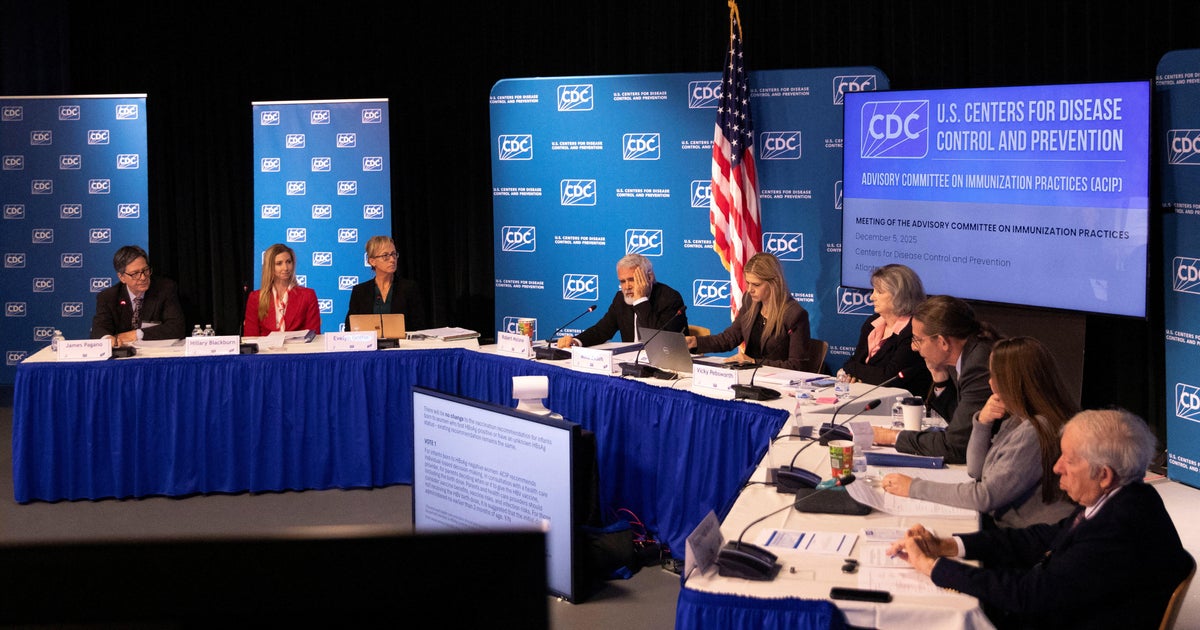
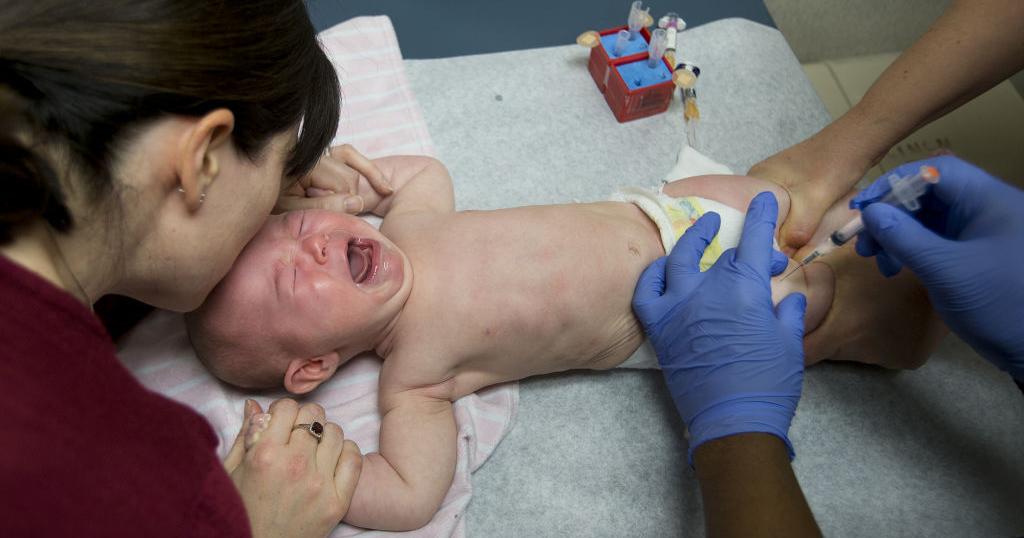
The recent decision by the CDC's Advisory Committee on Immunization Practices (ACIP) to modify universal newborn hepatitis B vaccination represents a dramatic departure from three decades of successful public health strategy. By voting to delay the first vaccine dose and create an individualized approach, the committee has introduced significant risks that could potentially reverse the remarkable 99% reduction in pediatric hepatitis B infections achieved since 1991.
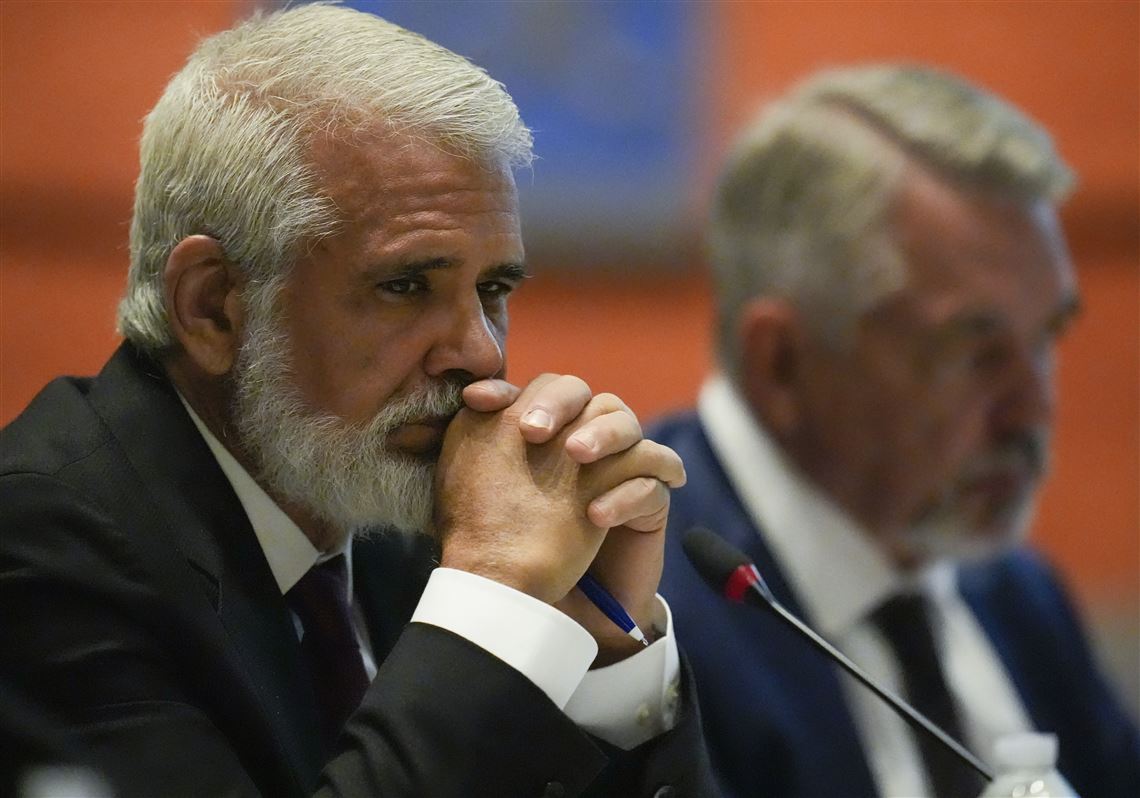
Regulatory capture emerges as a central concern, with the committee's composition raising serious questions about scientific integrity. The fact that all committee members were appointed by Robert F. Kennedy Jr., a known vaccine skeptic, suggests a systematic undermining of evidence-based medical decision-making. Medical experts like Dr. Dean Blumberg have explicitly criticized the committee as being "gutted of vaccine experts" and replaced with individuals lacking fundamental vaccine science knowledge.
The potential consequences are alarming. Experts predict an additional 1,400 infant hepatitis B infections annually and approximately 480 related deaths. This isn't merely a statistical risk but represents a direct threat to infant health infrastructure. The proposed changes expose a broader pattern of institutional vulnerability, where political ideology can potentially override decades of scientific consensus.
Critically, the proposed changes highlight a dangerous trend of importing inappropriate international comparisons. While some countries like Denmark have more limited vaccine recommendations, medical experts emphasize that direct comparisons are impossible due to fundamental differences in healthcare systems, population demographics, and public health infrastructure.
The broader implications extend far beyond hepatitis B vaccination. This represents a potential template for systematic deconstruction of established public health protocols, with potentially devastating long-term consequences for population health and preventative medicine.
Questions 3
How does this vaccine policy change differ from international practices?
While some countries like Denmark have more limited vaccine recommendations, U.S. medical experts caution against direct comparisons. The U.S. has unique healthcare system complexities, including a diverse population, no universal healthcare, and different population dynamics that make imported vaccination strategies potentially dangerous.
What are the potential health risks of delaying the hepatitis B vaccine?
Experts predict an additional 1,400 infant hepatitis B infections annually and approximately 480 related deaths. The delay could expose infants to unnecessary risks during a critical early exposure period, potentially reversing decades of progress in reducing pediatric hepatitis B infections.