
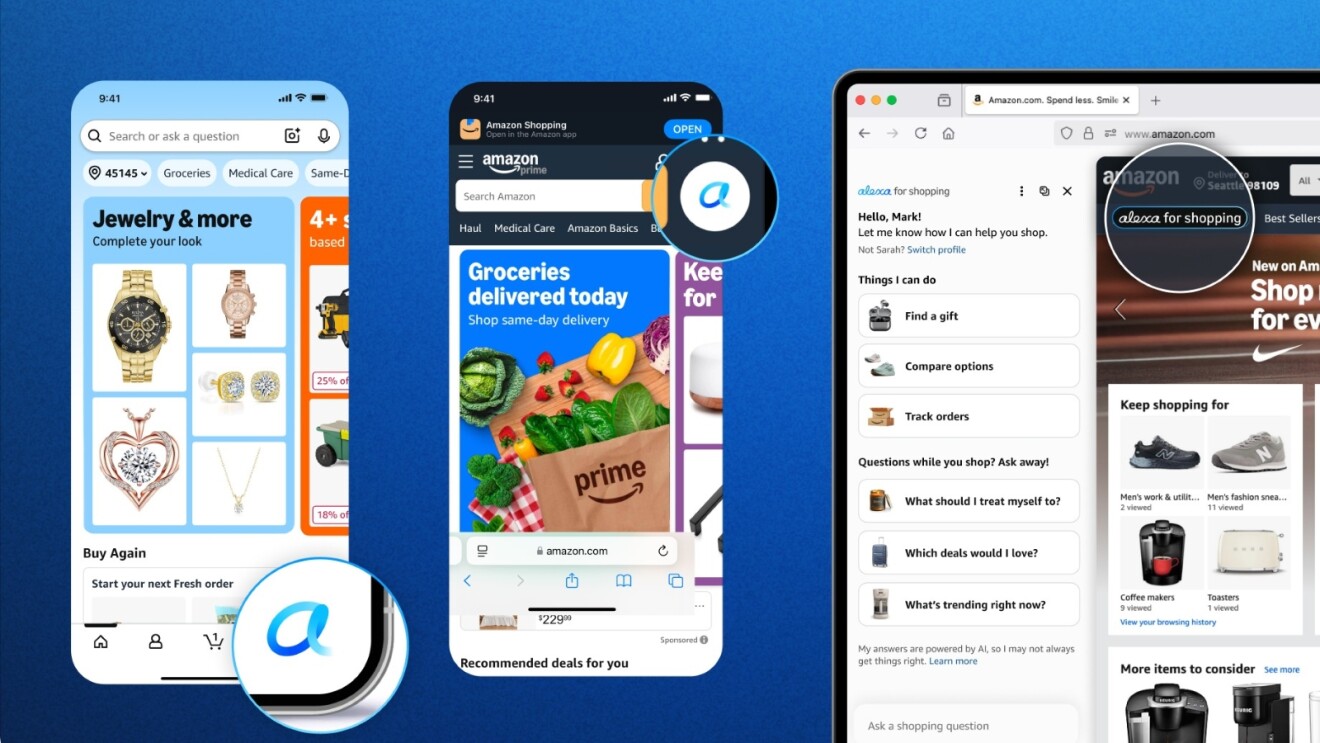


Amazon Alexa for Shopping Transforms Conversational Commerce | 300M+ Users, AI-Driven Personalization, Automation Opportunities
- Amazon merges Rufus AI with Alexa ecosystem across 300M+ customers; sellers must optimize listings for AI-generated overviews and automated purchase triggers to capture 15-25% conversion lift from voice/contextual shopping














Overview
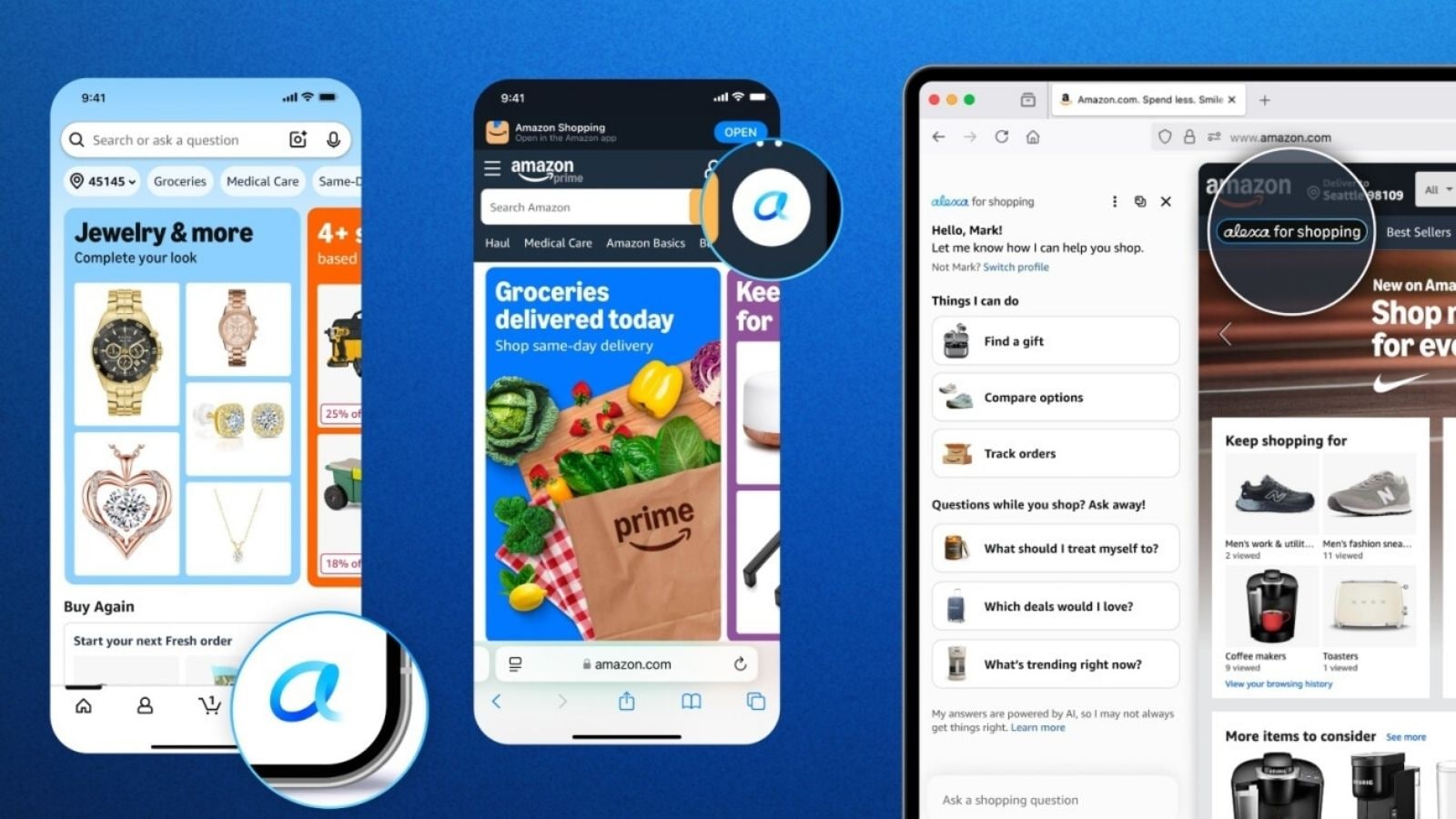
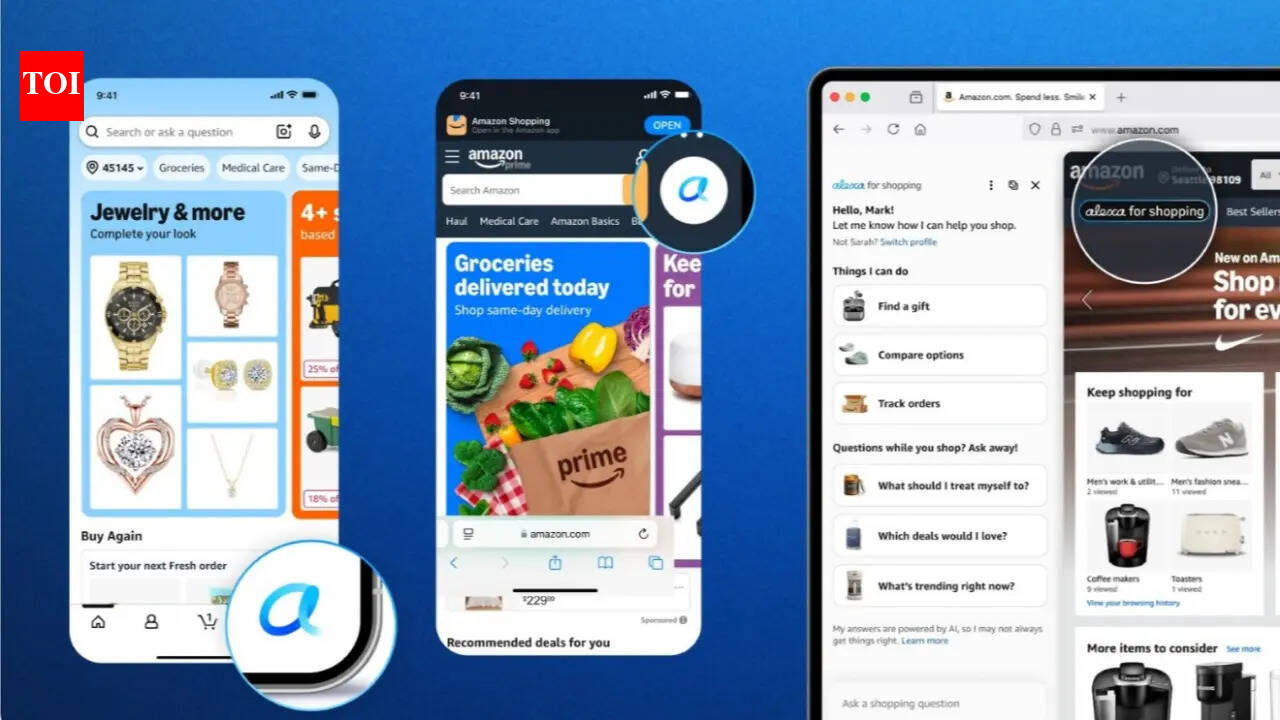
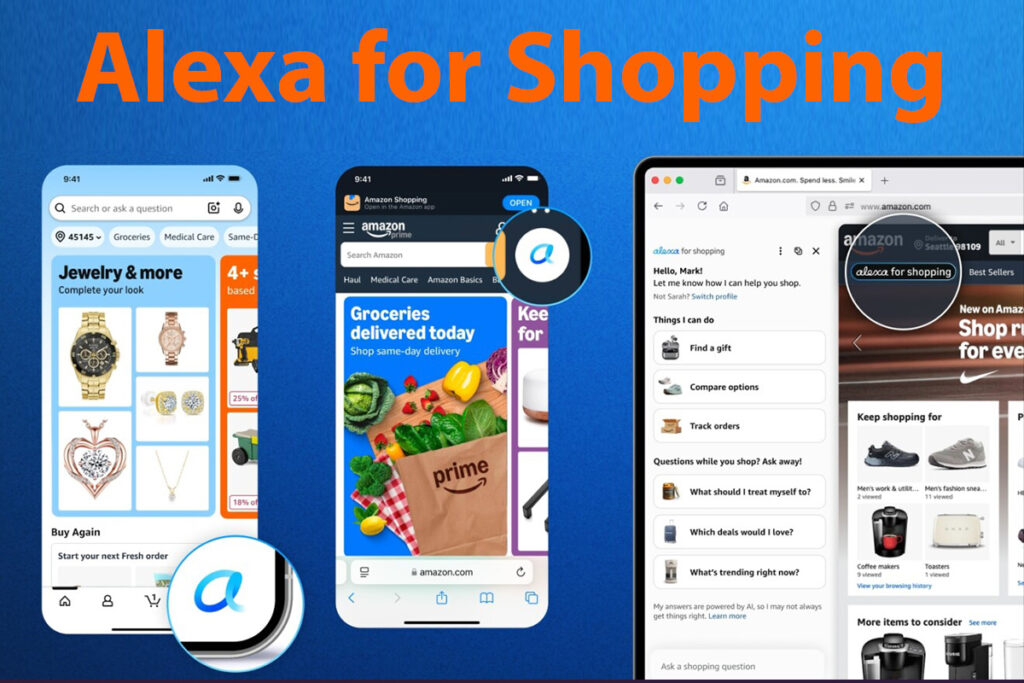
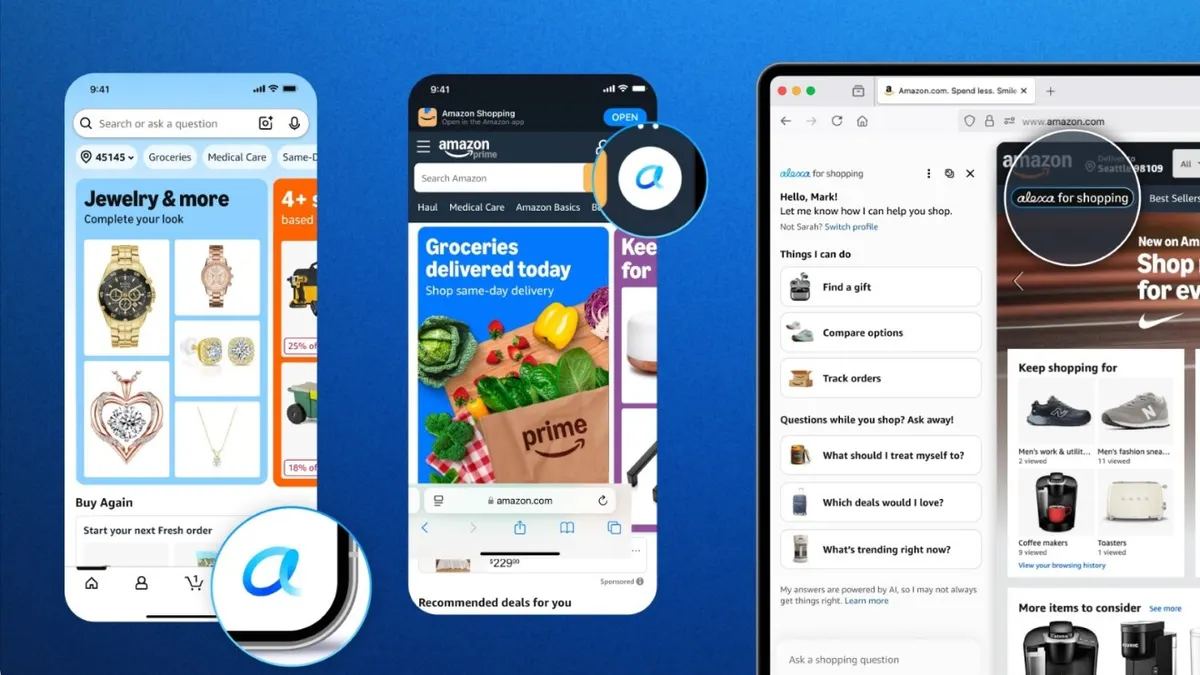
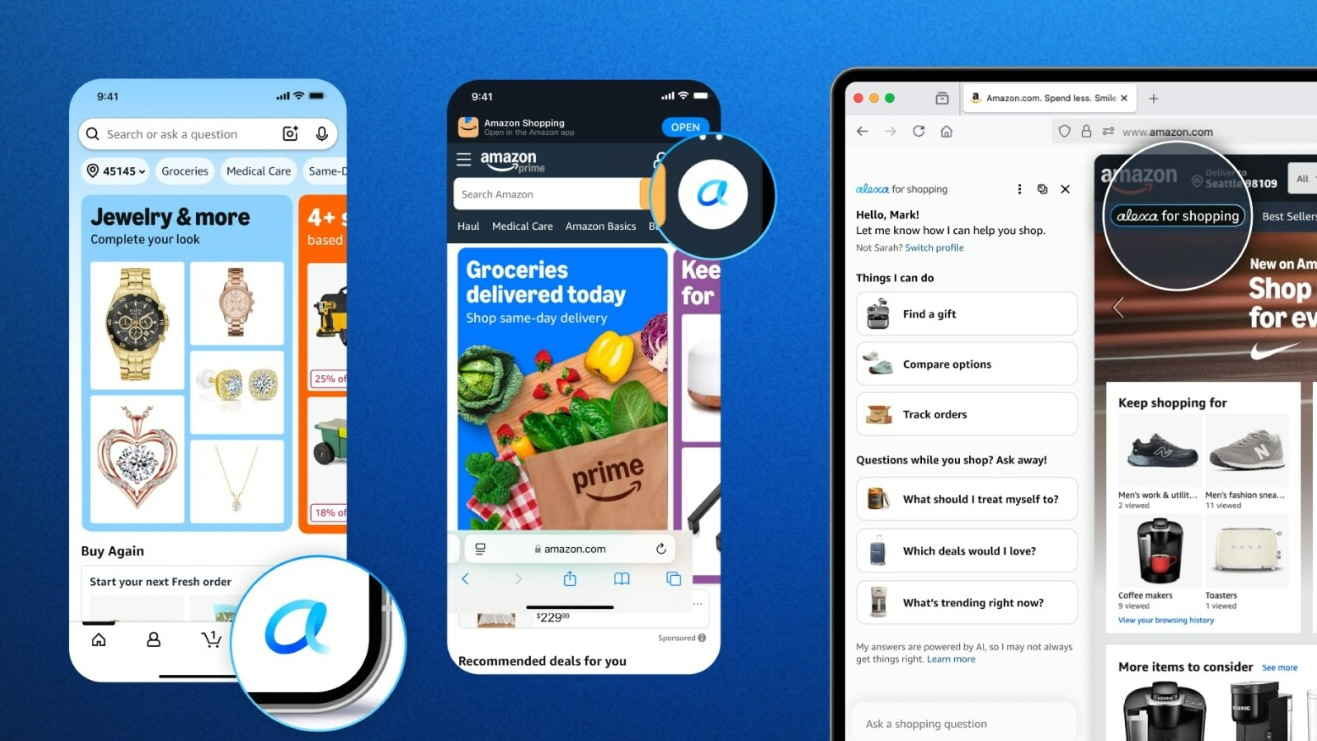
Amazon's launch of Alexa for Shopping represents a fundamental shift in how 300+ million customers discover and purchase products, creating immediate automation and optimization opportunities for e-commerce sellers. The platform integrates Rufus's product expertise with Alexa's cross-device personalization, enabling conversational shopping across Amazon's app, website, and Echo Show devices without requiring Prime membership. This bidirectional data flow—where Echo conversations inform shopping experiences and purchases enhance Alexa's broader ecosystem—creates unprecedented opportunities for sellers to capture demand through AI-optimized listings and automated purchase workflows.
AUTOMATION WINS FOR SELLERS (Immediate Implementation): Sellers can immediately automate three critical tasks: (1) Dynamic pricing optimization using Alexa's one-year price history tracking and conditional purchase triggers ("Add to cart if price drops to $10"), enabling sellers to implement automated repricing strategies that capture price-sensitive customers without manual intervention; (2) Listing optimization for AI-generated overviews, where detailed product specifications, comparison data, and category information are automatically extracted and presented to customers—sellers should audit and enhance product content within 30 days to ensure accurate AI representation; (3) Repeat purchase automation for consumables (pet food, paper towels, batteries), where scheduled actions and recurring orders can increase repeat frequency by 20-35% for subscription-eligible products.
DATA-DRIVEN INSIGHTS & COMPETITIVE INTELLIGENCE: The platform's ability to track customer context across devices reveals hidden purchase patterns. Sellers can leverage this by analyzing which product categories benefit most from voice discovery (home essentials, consumables, problem-solving items like dishwasher error code solutions) versus visual browsing. The "science fair volcano project" example signals that contextual, need-based shopping drives higher conversion than traditional search—sellers should optimize product titles and descriptions for conversational queries ("What supplies do I need for...?") rather than keyword-only optimization. The autonomous "Buy for Me" feature accessing cross-platform retailers creates urgency: sellers must ensure competitive pricing across Amazon and partner platforms, as Alexa now actively compares prices and completes purchases autonomously.
AI PRODUCT OPPORTUNITIES & GAPS: While Amazon provides the platform, sellers need AI tools that don't yet exist at scale: (1) Conversational listing optimization software that automatically rewrites product content for voice search and contextual queries; (2) Cross-platform price monitoring and dynamic repricing integrated with Alexa's conditional purchase logic; (3) Predictive demand forecasting based on Echo conversation patterns (e.g., detecting seasonal needs before traditional search spikes). Sellers using these tools could capture 15-25% conversion lift from voice/contextual shopping versus traditional search.
STRATEGIC RECOMMENDATIONS: Immediate actions (0-30 days): Audit all product listings for AI-generated overview accuracy; implement detailed specifications, comparison data, and use-case information. Mid-term (1-3 months): Develop dynamic pricing strategies for consumables using conditional purchase triggers; test voice-optimized product descriptions on 10-20% of catalog. Long-term (3-6 months): Build predictive inventory models based on Echo conversation patterns; establish cross-platform pricing parity to compete with Alexa's autonomous shopping capabilities.
Questions 8
How does Alexa for Shopping differ from the previous Rufus AI tool?
Alexa for Shopping replaces Rufus by adding personalization and automation capabilities beyond product discovery. While Rufus (2024) focused on product research and comparison, Alexa for Shopping leverages cross-device conversation history, purchase patterns, and personal preferences to deliver contextual recommendations and automated purchases. For example, a customer discussing a science fair volcano project on an Echo device can later receive targeted supply suggestions in the shopping app with same-day delivery options. The bidirectional data flow means Echo conversations inform shopping experiences, while purchases enhance Alexa's functionality across music, Kindle, and Fire TV—creating a unified ecosystem that drives higher engagement and repeat purchases for sellers.
What are the risks of Alexa's autonomous 'Buy for Me' feature for sellers?
The 'Buy for Me' feature allows Alexa to autonomously complete purchases on behalf of users across Amazon and partner retailers, creating competitive pressure on pricing and visibility. Sellers must maintain price parity across multiple channels, as Alexa actively compares prices and may route purchases to competitors. This requires real-time cross-platform price monitoring and dynamic repricing capabilities. Additionally, sellers should optimize for Alexa's comparison logic by ensuring product specifications are complete and accurate—incomplete data may cause Alexa to favor competitor products. Privacy concerns around autonomous purchasing may also influence customer adoption rates, creating a window for sellers to establish trust through transparent pricing and reliable product information.