


US-China Trade Tensions Escalate | Dual-Use Export Controls Tighten May 2026
- Increased sanctions enforcement threatens $8-12B dual-use component supply chain; Chinese manufacturers face stricter export compliance; cross-border sellers handling semiconductors, sensors, electronics must update compliance protocols immediately





Overview
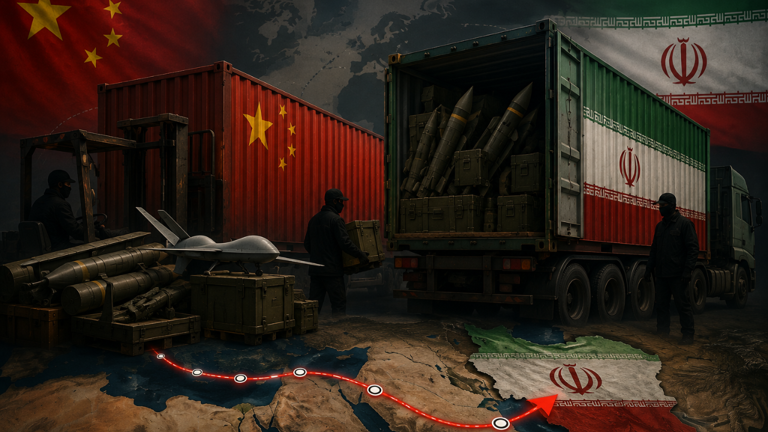
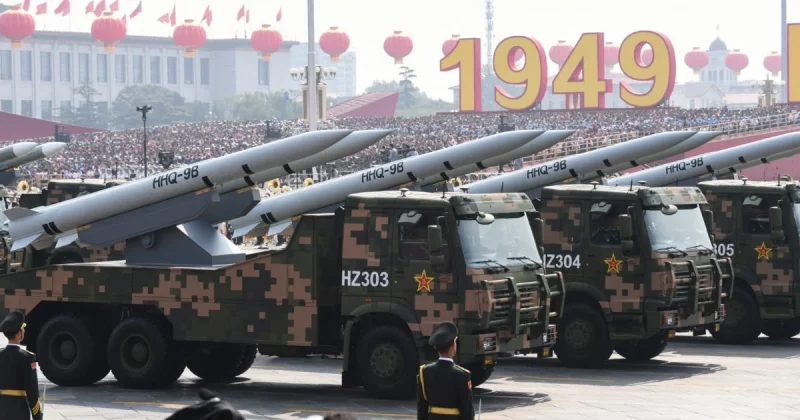
Geopolitical tensions between the US and China over alleged covert arms transfers to Iran are creating immediate compliance risks for cross-border e-commerce sellers. According to US intelligence officials cited by the New York Times on May 14, 2026, Chinese companies have been communicating with Iranian officials about weapons transfers, with plans to route shipments through African intermediaries. While the focus is on military hardware, the broader enforcement implications directly impact legitimate e-commerce supply chains. US officials report China has supplied Iran with dual-use components including semiconductors and sensors for drone and missile production—categories that attract less regulatory scrutiny than direct arms sales but remain subject to export controls.
For cross-border sellers, this escalation signals three critical compliance shifts. First, US export control enforcement is intensifying on dual-use materials (HS codes 8471-8549 for semiconductors, 9014-9033 for sensors and electronic components). Sellers sourcing these components from China face heightened customs scrutiny, with processing delays extending from 5-7 days to 14-21 days at US ports. Second, transshipment routes through African countries are now flagged as high-risk by US Customs and Border Protection, meaning shipments routed through Kenya, Nigeria, or South Africa face mandatory inspections and potential seizure if documentation cannot prove legitimate commercial purpose. Third, Chinese manufacturers are implementing stricter export verification, requiring buyers to provide end-use certifications and compliance documentation—adding 10-15 days to procurement timelines and increasing component costs by 3-5% due to compliance overhead.
The Strait of Hormuz disruptions mentioned in the reporting compound logistics challenges. With 80% of Iran's oil exports flowing through this corridor and ongoing Middle East instability, shipping insurance premiums for routes through the Persian Gulf have increased 8-12% since February 2026. This affects sellers using Asian manufacturing hubs that depend on Gulf shipping lanes. Sellers with inventory in transit through these routes should expect 2-4 week delays and potential rerouting through longer Cape of Good Hope routes, adding $400-800 per 20-foot container to shipping costs. Additionally, Amazon, eBay, and Shopify are tightening restricted product policies on dual-use electronics—sellers must now provide detailed end-use documentation for semiconductor and sensor sales, with non-compliance resulting in account suspension within 48 hours of detection.
Questions 8
What is the timeline for these compliance changes to take effect?
Changes are effective immediately as of May 15, 2026 (Trump's Beijing visit date). US Customs and Border Protection began enhanced screening of dual-use components on May 14, 2026. Amazon, eBay, and Shopify implemented policy changes within 48 hours of the intelligence reports becoming public. Sellers have until June 15, 2026 (30 days) to update compliance documentation before enforcement intensifies. After June 15, non-compliant shipments will face automatic seizure, and seller accounts will be suspended without warning. Chinese manufacturers are implementing stricter export verification immediately, so procurement timelines are already extending by 10-15 days. Act now to avoid disruption during peak summer selling season.
What are the risks of using African transshipment routes for electronics inventory?
African transshipment routes through Kenya, Nigeria, and South Africa are now flagged as high-risk by US Customs and Border Protection due to intelligence about weapons smuggling through these corridors. Shipments routed through these countries face mandatory inspections and potential seizure if documentation cannot prove legitimate commercial purpose. Processing delays extend to 21-30 days, and seized shipments may result in total loss. Sellers should reroute inventory through direct Asian-to-US shipping lanes or established European hubs (Rotterdam, Hamburg) to avoid these delays and seizure risks. Rerouting adds $400-800 per 20-foot container but eliminates compliance exposure.