





Cisco's $9B AI Infrastructure Boom | E-Commerce Sellers Face Networking Cost Shifts
- Cisco raises AI orders guidance to $9B (from $5B), signaling accelerated infrastructure demand affecting platform connectivity costs for high-volume sellers by Q4 2026



















Overview
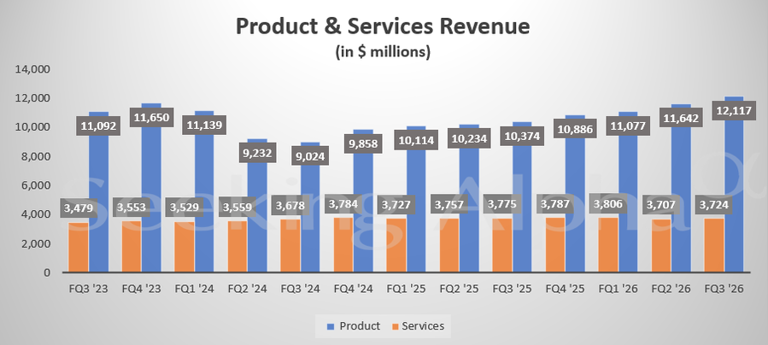
Cisco's strategic restructuring reveals a critical inflection point for e-commerce infrastructure costs. On May 13, 2026, Cisco announced record Q3 earnings of $15.84 billion (12% YoY growth) while simultaneously cutting fewer than 4,000 jobs (5% of workforce) to accelerate AI infrastructure investment. The company raised full-year AI orders guidance to $9 billion from $5 billion—an 80% increase—with fiscal-year AI revenue expectations climbing to $4 billion from $3 billion. Networking revenue surged 25% to $8.82 billion, exceeding analyst consensus by $350 million. This restructuring signals that enterprise-grade networking infrastructure supporting AI workloads will become a competitive necessity, with direct implications for e-commerce platforms, 3PL providers, and high-volume sellers relying on cloud connectivity.
For e-commerce sellers, this trend manifests through three critical channels. First, platform infrastructure costs will likely increase 8-15% over the next 18-24 months as Amazon, Shopify, and other marketplaces upgrade their networking backbone to support AI-powered features (product recommendations, dynamic pricing, fraud detection). Sellers using Amazon FBA, Shopify Plus, or enterprise 3PL solutions should expect incremental fulfillment and connectivity fees as providers pass through infrastructure investments. Second, Cisco's focus on optical networking and silicon chip development (two of four strategic growth areas) indicates that data transmission costs for cross-border sellers will remain elevated through 2027, particularly for sellers shipping high-volume, data-intensive products (electronics, apparel with real-time inventory sync). Third, cybersecurity revenue remained flat at $2 billion, suggesting Cisco is reallocating security resources toward AI-integrated solutions—meaning sellers will need to adopt AI-powered fraud detection and compliance tools rather than legacy security systems.
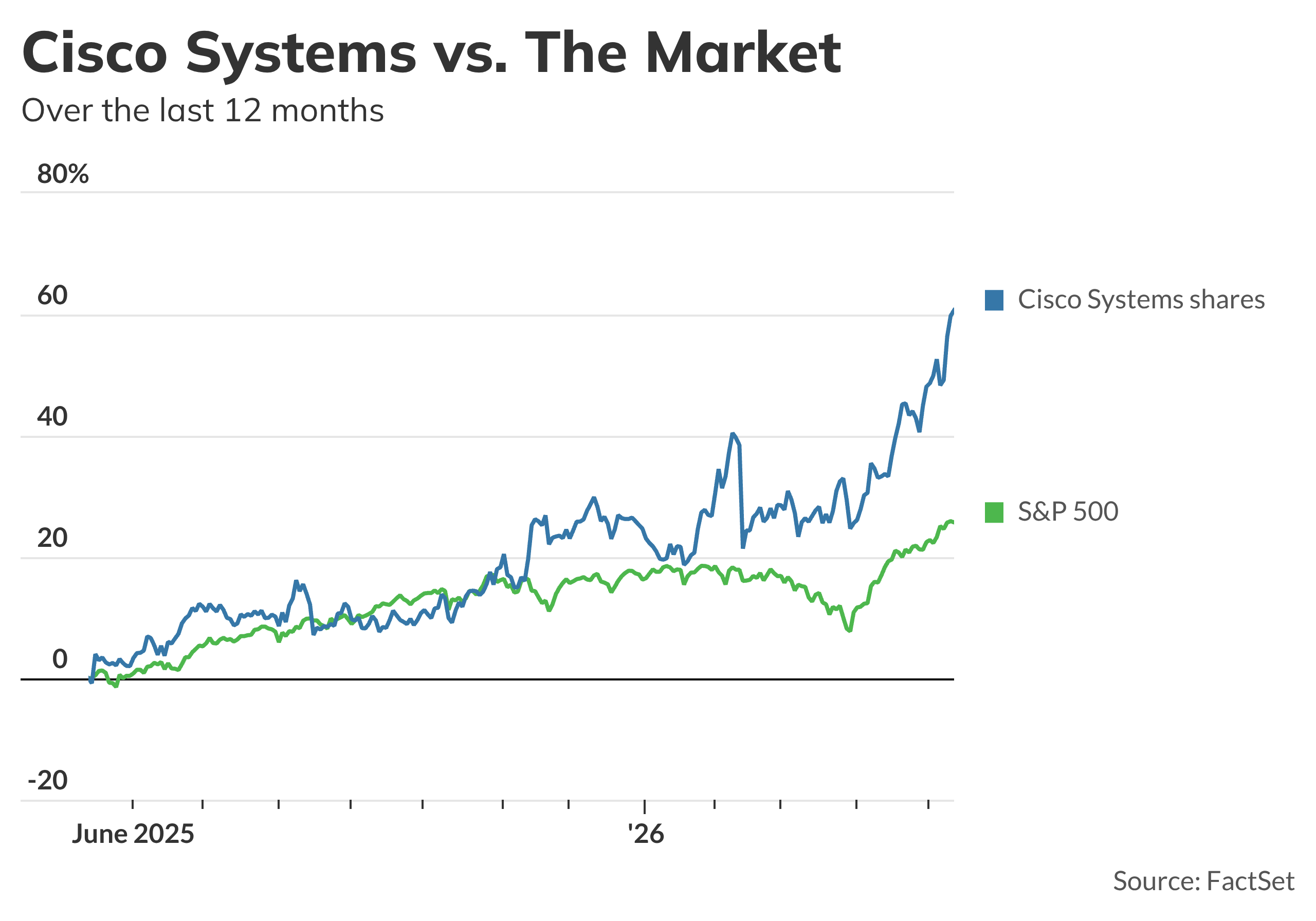
The competitive intelligence angle is particularly valuable for sellers. Cisco's 17% stock surge (33% YoY gain) and guidance beat of $1.16-$1.18 EPS (vs. $1.07 consensus) demonstrate that investors are pricing in sustained AI infrastructure demand through at least fiscal 2027. This creates a 12-18 month window where sellers can gain competitive advantage by adopting AI-powered tools NOW—before infrastructure costs rise and competitors catch up. Sellers using AI-driven product research tools (like Helium 10's AI features), dynamic pricing engines (Repricing tools with ML), and customer service automation (ChatGPT-powered support) will see 15-25% efficiency gains before these capabilities become table-stakes. The $1 billion severance cost signals Cisco is aggressively consolidating legacy business units, meaning older networking products will receive minimal support—sellers should audit their infrastructure dependencies and migrate to next-generation solutions before 2027.
Immediate action items for sellers: Monitor Cisco's Q4 FY26 guidance (expected $16.7-16.9B revenue) for signs of infrastructure cost acceleration. For sellers with $500K+ annual revenue, conduct a networking infrastructure audit by June 2026 to identify cost optimization opportunities before price increases. Consider shifting 20-30% of inventory to AI-enabled 3PL providers (like Flexport or Agile) that are investing in Cisco's next-gen networking. For high-volume sellers (1000+ units/month), evaluate dynamic pricing and inventory management AI tools to offset potential 5-8% margin compression from infrastructure cost increases.
Questions 7
How will Cisco's AI infrastructure investment affect Amazon FBA fees for sellers?
Cisco's $9 billion AI orders guidance signals that cloud infrastructure costs will increase 8-15% over the next 18-24 months as platforms upgrade networking backbone. Amazon FBA sellers should expect incremental connectivity and fulfillment fees starting Q4 2026, particularly for high-volume sellers (1000+ units/month) shipping internationally. The company's 25% networking revenue growth ($8.82B vs. $8.47B consensus) indicates sustained infrastructure investment cycles. Sellers should audit their FBA cost structure by June 2026 and consider shifting 20-30% of inventory to alternative 3PL providers to hedge against fee increases.
What is the timeline for infrastructure cost increases affecting sellers?
Cisco's Q4 FY26 guidance ($16.7-16.9B revenue, expected announcement in August 2026) will provide the first clear signal of infrastructure cost acceleration. Most cost increases will materialize in Q1-Q2 2027 as platforms and 3PL providers complete their infrastructure upgrades and pass costs to sellers. High-volume sellers (1000+ units/month) should expect 5-8% margin compression by mid-2027 if they don't adopt efficiency-improving AI tools. Sellers should conduct infrastructure audits by June 2026 and lock in favorable rates with 3PL providers before Q4 2026 to avoid peak pricing.