



Apple Opens App Store to AI Agents | iOS 27 Siri Integration Creates $2B+ Automation Opportunity for E-Commerce Sellers
- Apple's WWDC June 8 announcement enables agentic AI apps with 2B+ user distribution; Siri's App Intents feature automates hundreds of in-app actions; sellers can deploy AI agents for product research, pricing optimization, and customer service automation immediately








Overview
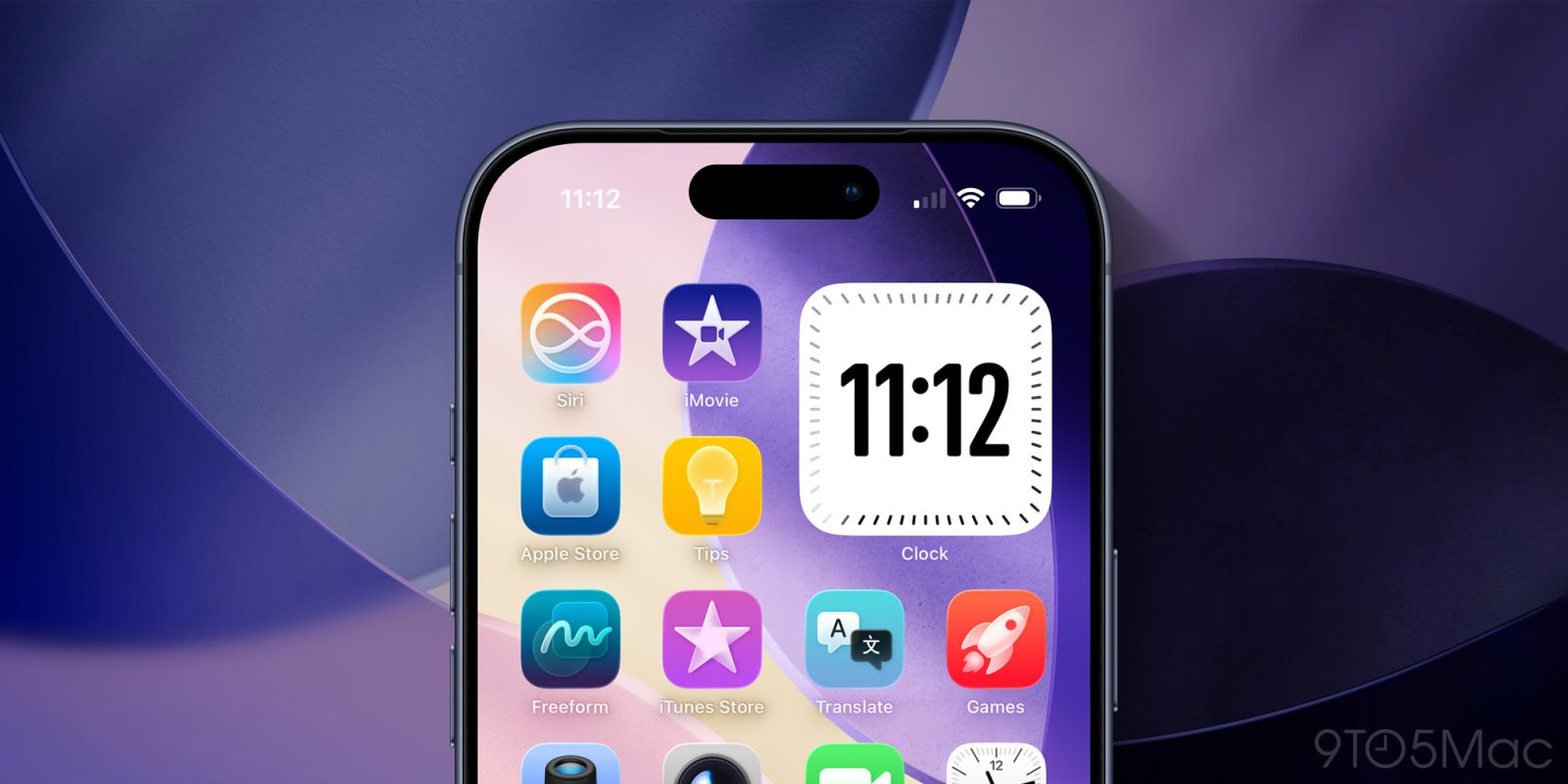
Apple's strategic shift to embrace agentic AI represents a watershed moment for e-commerce automation. The company is developing a regulated framework to permit autonomous AI applications on its App Store—currently prohibited due to security concerns—while maintaining strict privacy controls. This policy change, announced ahead of WWDC on June 8, 2025, directly enables e-commerce sellers to deploy AI agents for product research, dynamic pricing, inventory management, and customer service automation at scale. The App Store's 2+ billion user base creates unprecedented distribution for AI-powered commerce tools, while iOS 27's enhanced Siri integration through App Intents enables voice-activated cross-app actions without requiring users to open applications directly.
The immediate automation opportunity is substantial. Sellers can now deploy AI agents to autonomously handle product listing optimization, competitive price monitoring, customer inquiry responses, and inventory forecasting—tasks currently requiring 15-25 hours weekly per seller. Apple's sandboxing architecture prevents unauthorized data access while allowing agents to execute approved commands, creating a trust model that addresses historical concerns about "freewheeling" AI behavior (like OpenAI's agents inadvertently deleting user emails). For e-commerce sellers, this means AI agents can safely access product catalogs, pricing databases, and customer communication systems without exposing sensitive data. The competitive advantage accrues to early adopters: sellers integrating with Siri's App Intents framework by Q3 2025 gain voice-commerce capabilities that competitors cannot easily replicate.
Monetization uncertainty creates strategic risk for developers. Apple has explicitly reserved the right to introduce future commissions on Siri integration—similar to its 15-30% App Store fee structure—despite promising no initial charges. This creates a critical decision point for sellers: early adoption of Siri integration provides competitive advantages (voice-activated shopping, hands-free inventory management, voice-based customer service), but with potential future cost implications. The Chinese market shows particular sensitivity to this risk, with Baidu, Alibaba, and Tencent hesitating on integration due to commission concerns. Sellers must weigh immediate automation benefits (estimated 8-12 hours weekly time savings per seller) against potential future fee structures that could compress margins by 2-5% if Apple implements a 15% commission on Siri-driven transactions.
For cross-border and marketplace sellers, the implications are transformative. Amazon, eBay, and Shopify sellers can deploy AI agents to monitor competitor pricing across platforms, automatically adjust listings based on demand signals, and respond to customer inquiries in multiple languages—capabilities that currently require expensive third-party tools or manual labor. The regulatory framework Apple is establishing will likely influence how other platforms (Google Play, Amazon Appstore) approach agentic AI, creating industry standards that reduce compliance complexity. Sellers should prepare for formal App Store guidelines and submission requirements expected in coming months, ensuring their AI implementations meet transparency, user control, and data handling standards.
Questions 8
What is the difference between Apple's agentic AI approach and previous AI agent implementations?
Apple's framework uses sandboxing architecture to prevent the 'freewheeling behavior' documented in systems like OpenAI's agents, which inadvertently deleted user emails and caused unintended damage. The company's system prevents agents from accessing sensitive user data, executing unauthorized commands, or creating security vulnerabilities. This trust model is critical for e-commerce: sellers can safely deploy agents to access product databases and customer communication systems without exposing personal information. The regulatory approach Apple is establishing will likely influence how Google Play and Amazon Appstore handle agentic AI, creating industry standards that reduce compliance complexity.
How can e-commerce sellers use Apple's new agentic AI framework to automate operations?
Sellers can deploy AI agents to autonomously monitor competitor pricing, optimize product listings, manage inventory forecasts, and respond to customer inquiries—tasks currently requiring 15-25 hours weekly. Apple's regulated framework prevents unauthorized data access while allowing agents to execute approved commands on product catalogs and pricing systems. Early adopters integrating with iOS 27's Siri App Intents by Q3 2025 gain voice-activated shopping capabilities that competitors cannot easily replicate. The estimated time savings is 8-12 hours weekly per seller, translating to $400-600 monthly in labor cost reduction for small sellers.