



Ukraine's Strategic Diplomatic Pivot: Negotiating Peace Through Calculated Compromise
- Zelensky Reshapes Geopolitical Landscape by Redefining Security Strategies













Overview
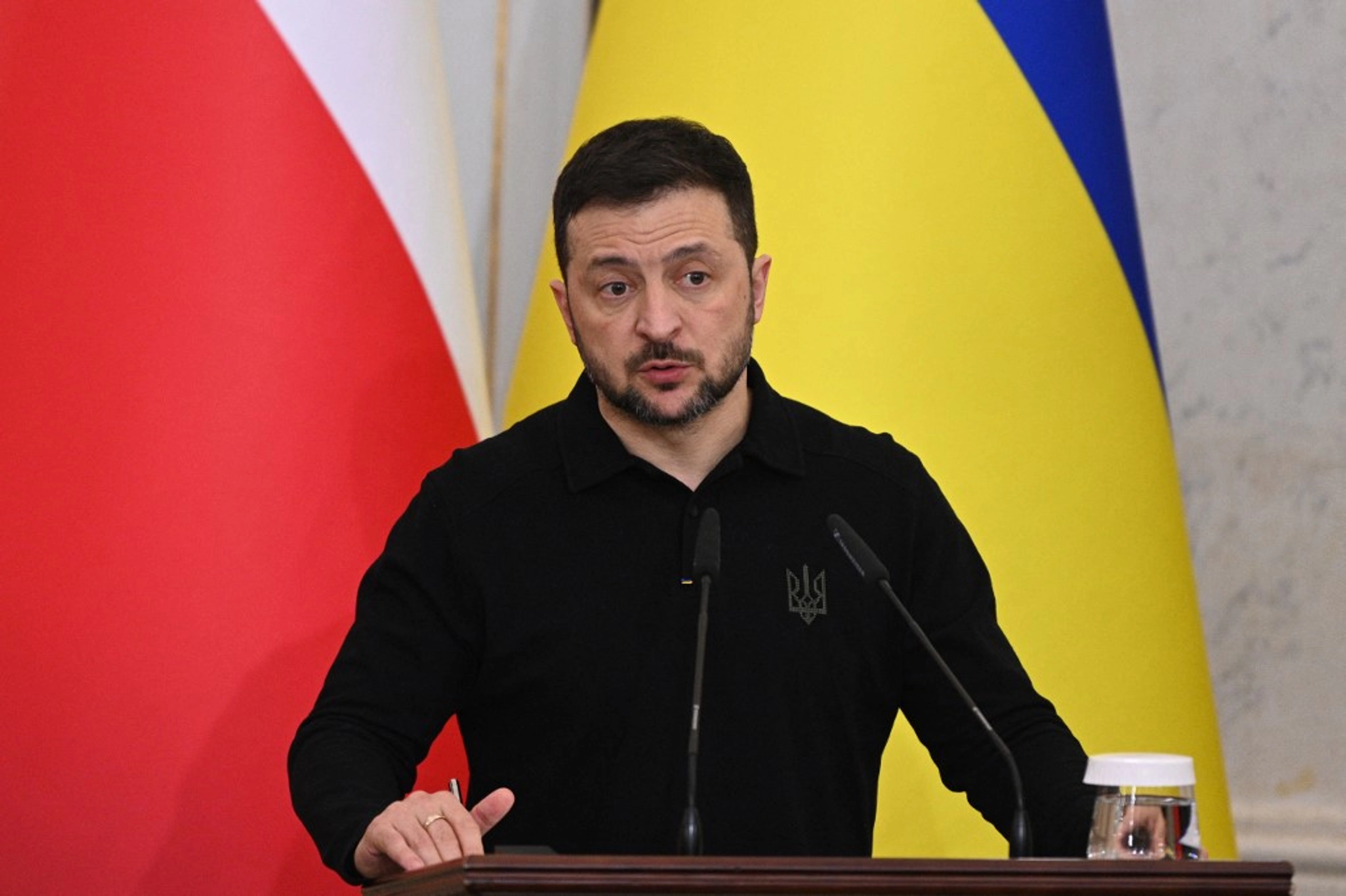
The ongoing Ukraine-Russia conflict has entered a critical phase of diplomatic recalibration, with President Volodymyr Zelensky executing a nuanced strategy that fundamentally transforms Ukraine's geopolitical positioning. At the core of this strategic shift is a remarkable willingness to compromise without surrendering core national interests.
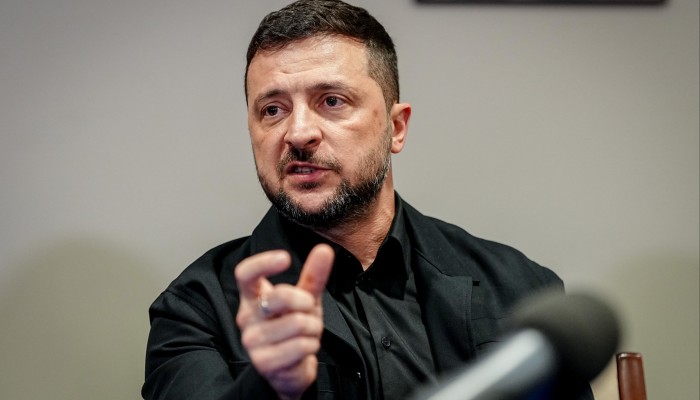
Diplomatic Flexibility emerges as Zelensky's primary tactical instrument. By signaling readiness to drop NATO membership—a long-standing national aspiration—in exchange for robust bilateral security guarantees, Ukraine is rewriting the traditional playbook of international conflict resolution. The proposed approach involves securing Article 5-like guarantees from the United States and additional commitments from European allies, Canada, and Japan, effectively creating an alternative security framework that circumvents traditional alliance structures.
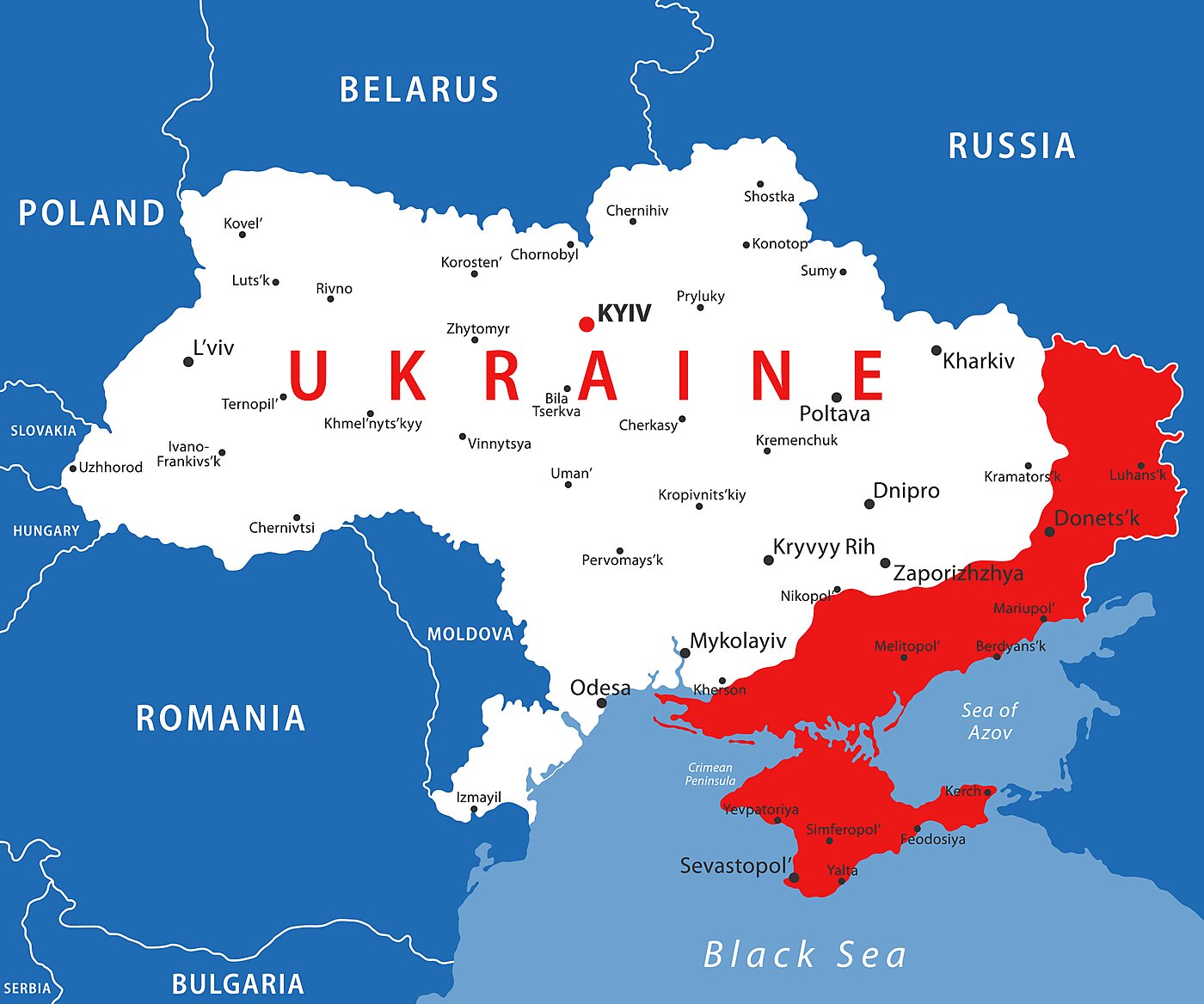
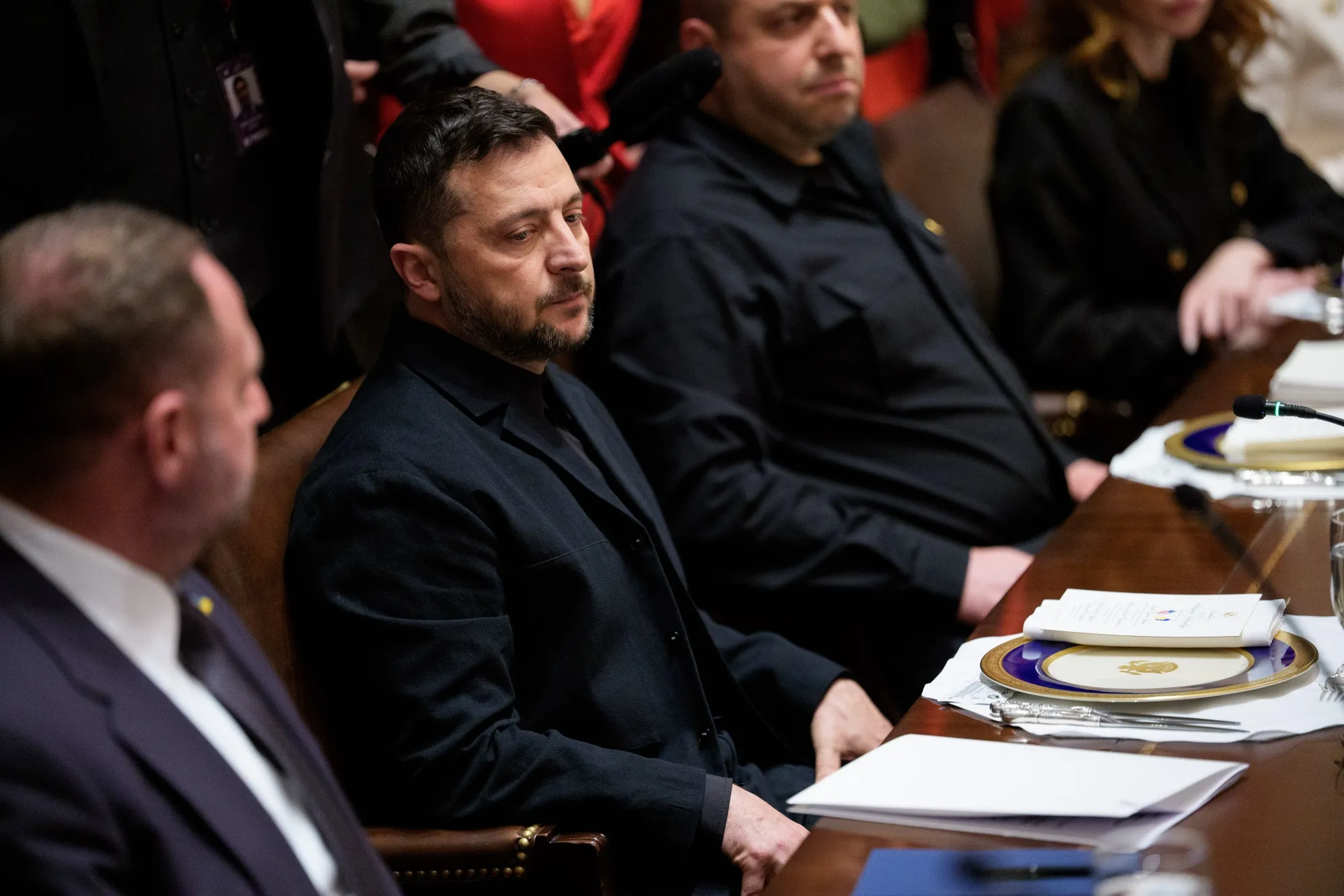
The negotiations unfolding in Berlin represent more than a mere peace talk; they are a sophisticated geopolitical chess match. Zelensky's approach to the U.S.-drafted peace plan demonstrates extraordinary diplomatic finesse. Rather than outright rejection, he is strategically proposing modifications that maintain Ukraine's fundamental sovereignty. Key concessions include willingness to hold elections (contingent on a ceasefire) and a proposed shared control model for the Zaporizhzhia nuclear power plant, where Ukraine and the U.S. would retain primary oversight.
Russia's position remains intractable, with the Kremlin demanding Ukrainian forces withdraw from parts of the Donetsk region before any ceasefire. Despite launching over 450 drones and 30 missiles against Ukrainian regions—causing significant infrastructure damage and leaving more than a million people without electricity—Zelensky maintains a diplomatic offensive that prioritizes long-term strategic positioning over short-term military posturing.
The emerging diplomatic landscape suggests a profound transformation. Ukraine is not just fighting a war but simultaneously reconstructing its international strategic identity. By demonstrating flexibility without weakness, Zelensky is creating a unique diplomatic pathway that could potentially reset regional geopolitical dynamics.
Critically, this approach signals to the international community that Ukraine seeks sustainable security through negotiation, not perpetual conflict. The strategy creates a delicate but potentially breakthrough moment in resolving what has been an intractable geopolitical confrontation.
Questions 3
What strategic shift is Zelensky making in Ukraine's approach to national security?
Zelensky is signaling willingness to drop NATO membership in exchange for robust bilateral security guarantees from the U.S. and other international partners. This approach seeks alternative security mechanisms that provide meaningful protection without the complex geopolitical implications of NATO accession.
How is Ukraine modifying the proposed peace plan?
Ukraine is proposing conditional acceptance of the peace plan, including holding elections only after a ceasefire, suggesting a shared control model for the Zaporizhzhia nuclear power plant, and proposing to cap military troop numbers at current levels. These modifications aim to maintain Ukraine's core interests while appearing cooperative.