




US-China Semiconductor Trade Thaw | AI Chip Approval Reshapes Cross-Border Seller Compliance & Platform Competition
- U.S. approves 10 Chinese firms to buy 750,000 H200 chips; triggers stricter export controls enforcement affecting Southeast Asian intermediaries and cross-border sellers handling tech products








)





Overview
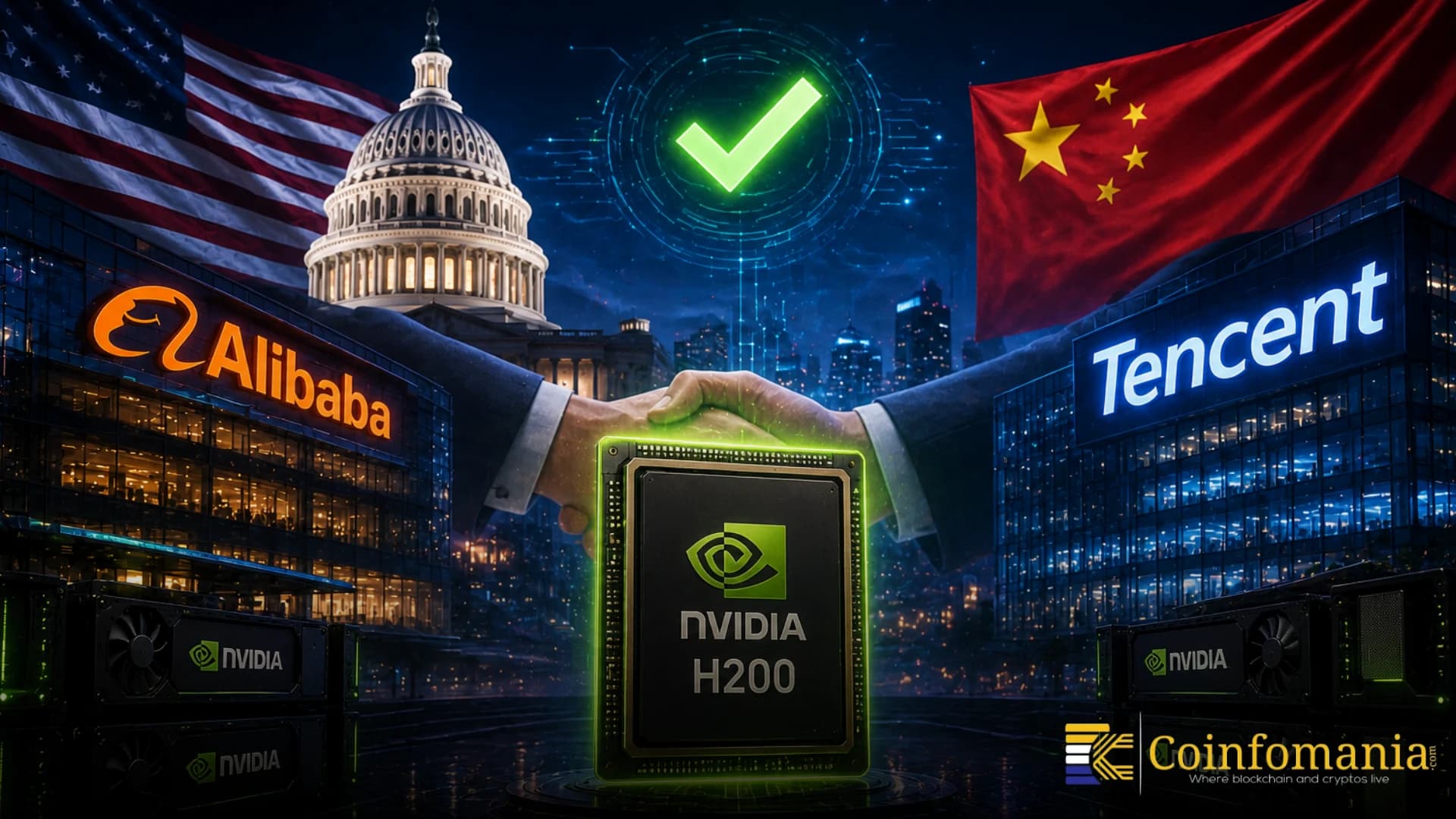
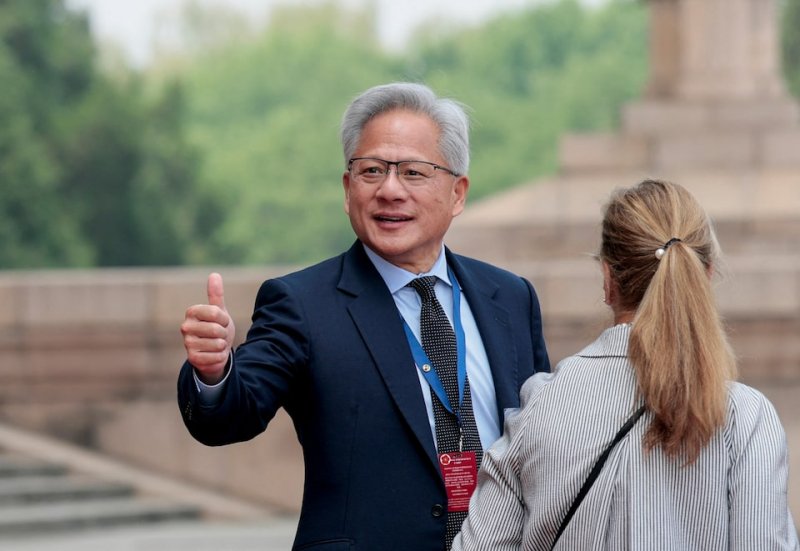
The U.S. Commerce Department's approval for 10 Chinese technology companies (Alibaba, Tencent, ByteDance, JD.com, Lenovo, Foxconn) to purchase up to 75,000 H200 chips each represents a critical inflection point in U.S.-China semiconductor policy with cascading implications for cross-border e-commerce sellers. This May 2026 development signals a partial relaxation of export controls that previously restricted advanced chip sales—Nvidia held 95% of China's AI chip market before April 2025 restrictions reduced its market share to effectively zero. However, the approval remains largely symbolic: zero deliveries have occurred to date, and China's central government has actively prevented purchases to protect domestic AI chip development, creating a geopolitical stalemate despite diplomatic engagement by Nvidia CEO Jensen Huang during Trump's Beijing delegation visit on May 14, 2026.
For cross-border sellers, this creates a dual-impact compliance environment. First, the approval demonstrates U.S. policy is selectively reopening China trade corridors, but with unprecedented regulatory scrutiny. U.S. rules issued in January mandate Chinese buyers demonstrate "sufficient security procedures" and certify non-military use—requirements that will cascade through supply chains. Second, and more immediately threatening, the Culper Research investigation alleging Nvidia's 20%+ continued China revenue through illegal GPU diversion via Southeast Asian intermediaries (particularly Megaspeed, under Commerce Department investigation) signals aggressive enforcement. This investigation pattern indicates the U.S. government is intensifying compliance audits across supply chains, not relaxing them. Sellers working with Chinese manufacturers, Southeast Asian distributors, or handling technology products with dual-use applications face substantially elevated due diligence requirements and potential liability exposure.
The strategic opportunity window is narrowing for sellers relying on gray-market supply chains. China's simultaneous push for domestic chip alternatives (DeepSeek, Huawei chips) and Beijing's new supply chain security regulations intensifying scrutiny of foreign technology dependencies create a bifurcated market: approved channels with 25% U.S. revenue-sharing requirements and strict documentation, versus increasingly risky gray-market alternatives facing Commerce Department enforcement. Alibaba and JD.com's potential AI infrastructure upgrades could improve their platform efficiency and seller tools, but only if chip deliveries materialize—currently uncertain. For sellers, the immediate risk is regulatory exposure from Southeast Asian sourcing relationships, while the medium-term opportunity lies in supporting Chinese e-commerce platforms' AI-powered logistics and recommendation systems if approved channels stabilize. The compliance cost for sellers handling technology products will increase 15-25% due to stricter origin verification, end-use certification, and documentation requirements.
Questions 8
What compliance changes should sellers expect when dealing with China-related transactions?
Sellers handling technology products or goods with dual-use applications should expect stricter documentation, origin verification, and end-use certification requirements when dealing with China-related transactions or Southeast Asian supply chains. The U.S. rules issued in January mandate buyers demonstrate 'sufficient security procedures' and certify non-military use—requirements that cascade through supply chains. Sellers must implement enhanced due diligence for Chinese manufacturers and Southeast Asian intermediaries, maintain detailed documentation of product origins and end-use, and verify compliance certifications before shipment. Non-compliance carries material liability exposure.
How does the Culper Research investigation into Nvidia's alleged China trade violations affect sellers?
Culper Research's May 13, 2026 investigation alleging Nvidia maintained 20%+ China revenue through illegal GPU diversion via Southeast Asian intermediaries (particularly Megaspeed, under Commerce Department investigation) signals aggressive U.S. enforcement of export controls. This pattern indicates the government is intensifying compliance audits across supply chains, not relaxing them. Sellers working with Chinese manufacturers or Southeast Asian distributors face substantially elevated due diligence requirements and potential liability exposure if connected to restricted goods flows. Regulatory enforcement against trade violation schemes typically triggers broader supply chain audits affecting all participants.