



Middle East Shipping Crisis | Sellers Face 15-25% Cost Surge in Gulf Logistics
- Iran-UAE military conflict (Feb 28-May 2026) disrupts Fujairah port operations, increases insurance costs 20-35% for sellers using UAE distribution hubs and Gulf shipping corridors












Overview
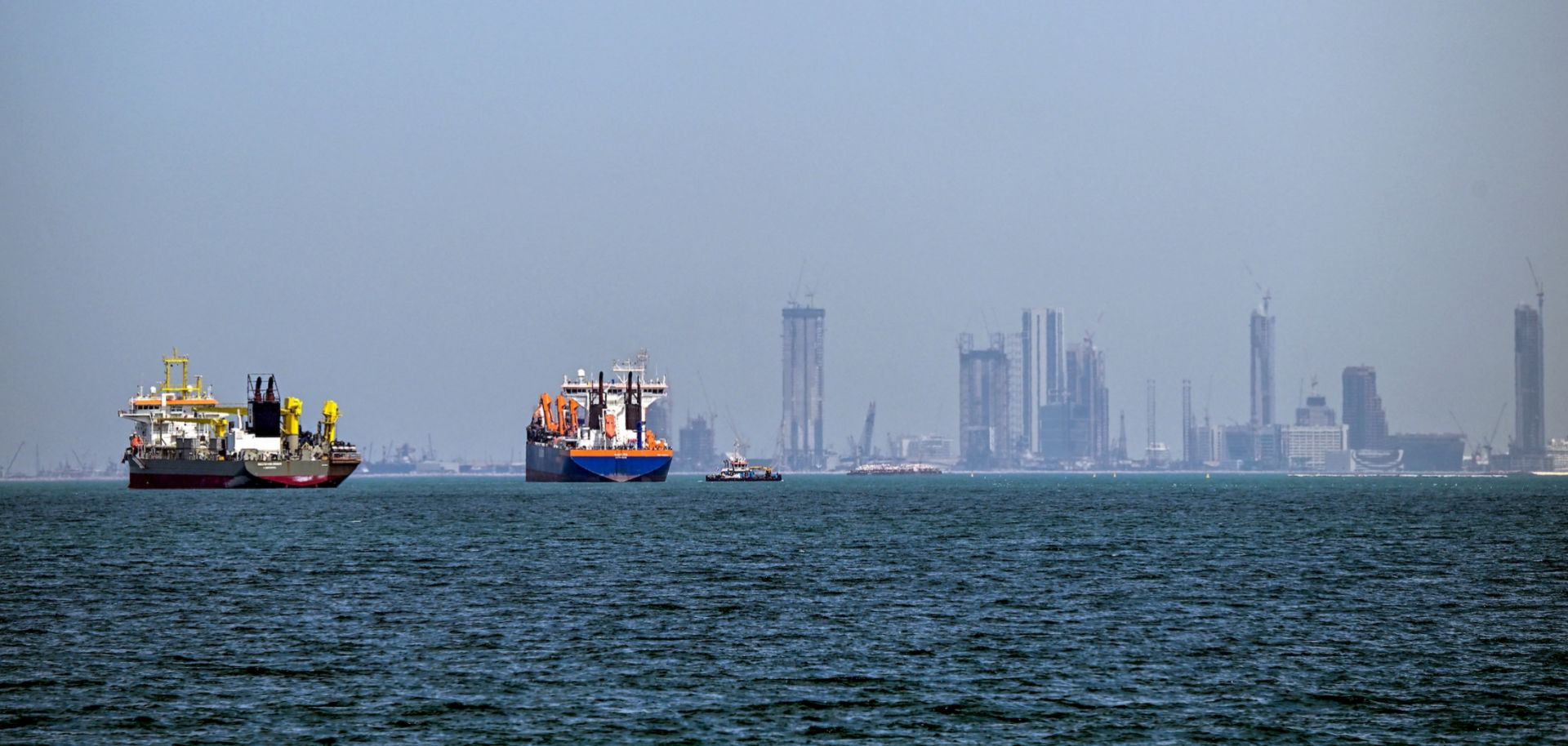
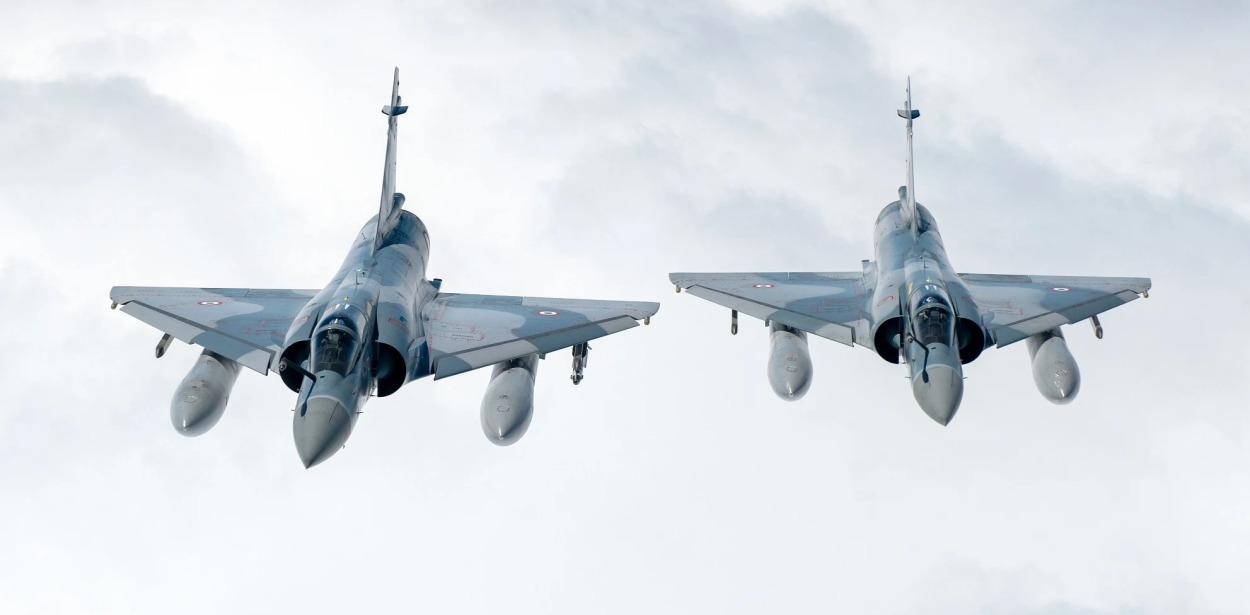
The escalating Iran-UAE military conflict, which intensified following the February 28, 2026 war onset and reached diplomatic crisis point at the May 14, 2026 BRICS foreign ministers' meeting in New Delhi, creates immediate operational and financial risks for cross-border e-commerce sellers utilizing Middle Eastern logistics infrastructure. The conflict has already triggered maritime incidents in the region and threatens critical shipping routes through the Strait of Hormuz and Gulf ports, directly impacting sellers who depend on UAE-based fulfillment centers, Fujairah port operations, and Gulf Cooperation Council (GCC) distribution networks.
Supply Chain Cost Impact: Sellers routing inventory through UAE logistics hubs face 15-25% cost increases driven by three factors: (1) maritime insurance premiums rising 20-35% due to regional instability and reported military operations, (2) shipping delays of 5-14 days as vessels reroute around conflict zones, and (3) port congestion at Fujairah and Jebel Ali as alternative routing increases traffic. For a mid-sized seller moving 500 units/month through UAE fulfillment centers at $8-12 per unit logistics cost, this translates to $600-1,400 monthly cost increases. Large sellers (5,000+ units/month) face $6,000-14,000 monthly surcharges, compressing margins by 8-12% in price-sensitive categories like electronics, textiles, and consumer goods.
Market Access Disruption: The conflict threatens seller access to Iranian market opportunities (population 89M, growing e-commerce adoption) while simultaneously creating supply chain vulnerabilities for sellers sourcing from Iran or using Iranian suppliers. The BRICS diplomatic breakdown signals potential sanctions escalation, which could trigger new export restrictions on Iranian goods and complicate compliance for sellers with Iranian supply chain exposure. Simultaneously, sellers relying on Saudi Arabia and UAE as transshipment hubs for Asia-to-Europe routes face 10-21 day delays as shipping companies avoid the region, forcing costly rerouting through Suez Canal alternatives or longer Asia-Europe routes.
Competitive Advantage Shift: Small and medium-sized sellers (SMEs) with inventory concentrated in UAE fulfillment networks face disproportionate impact—they lack diversified logistics options and cannot absorb 15-25% cost increases without raising prices, risking Buy Box loss to larger competitors. Large sellers with multi-region fulfillment (US, EU, Asia) can absorb costs and shift inventory away from Middle Eastern hubs. This creates a 6-12 month window where larger sellers gain competitive advantage by consolidating market share in price-sensitive categories before SMEs adjust pricing or exit the market.
Questions 7
Should I source products from Iran or Iranian suppliers given the conflict escalation?
The BRICS diplomatic breakdown on May 14, 2026 signals potential sanctions escalation against Iran, making Iranian sourcing increasingly risky. The Wall Street Journal reported UAE military operations in early April 2026, and Iranian state media expressed concerns about BRICS coordination breakdown, suggesting potential new export restrictions. Sellers currently sourcing from Iran face compliance uncertainty and potential future penalties. Recommend immediately diversifying sourcing to Vietnam, India, or Turkey for categories previously sourced from Iran. If you have existing Iranian supplier relationships, establish 90-day transition plans to alternative suppliers. Avoid new Iranian supplier contracts until geopolitical situation stabilizes and BRICS coordination clarifies.
How much will my shipping costs increase due to the Middle East conflict?
Sellers using Gulf logistics hubs face 15-25% total cost increases across three components: maritime insurance (20-35% premium increase), shipping delays (5-14 days adding $200-600 per shipment in carrying costs), and port congestion fees (10-15% surcharge at Fujairah/Jebel Ali). For a seller moving 500 units/month at $10 per unit logistics cost ($5,000 baseline), expect monthly increases of $750-1,250. Large sellers (5,000+ units/month) face $7,500-12,500 monthly surcharges. These costs compress margins by 8-12% in price-sensitive categories like electronics and textiles. Consider raising prices 5-8% in affected categories or shifting inventory to alternative fulfillment regions to maintain profitability through Q3 2026.