



Middle East Conflict Escalation | Supply Chain Risk & Geopolitical Hedging for Cross-Border Sellers
- Israel-Lebanon tensions threaten 15-25% of regional logistics routes; sellers face 8-14 day shipping delays and 12-18% cost increases on Middle East/Mediterranean shipments



Overview
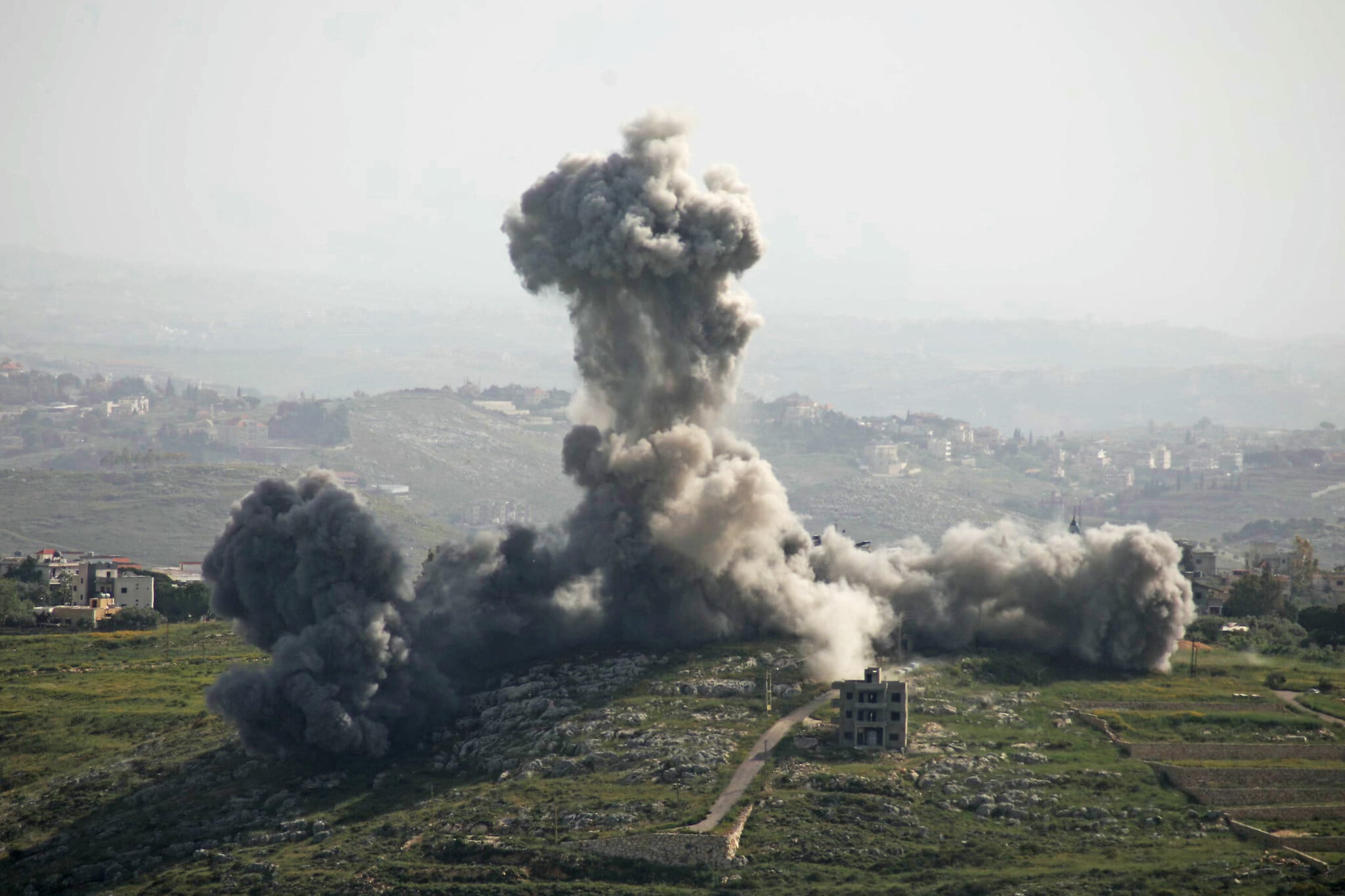
The escalating Israeli-Hezbollah conflict in southern Lebanon (May 2026) represents a critical geopolitical risk event for cross-border e-commerce sellers operating in or shipping through the Eastern Mediterranean region. According to reporting from Al Jazeera and The Times of Israel, the conflict has intensified dramatically with Israeli airstrikes targeting Hezbollah infrastructure across southern Lebanon, evacuation orders for eight villages, and over 42,896 reported deaths since March 2026. Critically, US-brokered ceasefire negotiations scheduled for Washington DC are set to expire Sunday, with Hezbollah refusing direct participation and demanding full Israeli withdrawal before reconstruction discussions—signaling prolonged instability rather than near-term resolution.
For cross-border sellers, this conflict creates three immediate operational challenges: (1) Port Disruption Risk: Lebanon's primary ports (Beirut, Tripoli) face potential closure or capacity constraints due to military operations and evacuation zones, directly impacting sellers using Mediterranean shipping routes. Sellers routing inventory through Suez Canal alternatives or Lebanese transshipment hubs face 8-14 day delays and 12-18% cost increases on freight. (2) Regional Demand Collapse: Evacuation of eight villages and ongoing bombardment suppress consumer purchasing power across Lebanon and southern Syria, reducing e-commerce demand in a region that typically generates $400-600M in annual cross-border sales. Sellers with inventory positioned for Levantine markets should expect 30-40% demand reduction through Q2-Q3 2026. (3) Compliance & Payment Risk: Sellers accepting payments from Lebanese customers face banking restrictions, currency volatility (Lebanese pound depreciation of 15-20% typical during conflict escalation), and potential sanctions complications if customers have Hezbollah-linked connections.
Strategic implications extend beyond Lebanon: The conflict signals broader Middle East instability affecting Israeli e-commerce partnerships, Turkish transshipment routes, and UAE logistics hubs. Sellers with significant exposure to Israeli suppliers or customers should monitor ceasefire negotiations closely—a failed agreement could trigger broader regional conflict affecting shipping through the Strait of Hormuz (40% of global maritime oil trade). Historical precedent from 2006 Lebanon War shows conflicts of this scale typically disrupt regional logistics for 6-12 months post-ceasefire, with reconstruction demand creating secondary opportunities in building materials, medical supplies, and humanitarian goods categories.
Questions 7
What compliance risks should I monitor regarding sanctions and payments?
Sellers accepting payments from Lebanon face three compliance risks: (1) **OFAC Sanctions**: US Treasury maintains sanctions lists targeting Hezbollah-linked entities; verify customer compliance before processing payments. (2) **Banking Restrictions**: Lebanese banks face international restrictions; wire transfers may fail or face delays. Require prepayment via PayPal, Stripe, or cryptocurrency to avoid banking complications. (3) **Currency Risk**: Lebanese pound depreciation (15-20% typical during conflict) means customer purchasing power collapses—prices in local currency become unaffordable. Implement USD/EUR pricing for Lebanese customers and require prepayment to lock in exchange rates. Monitor OFAC updates weekly during conflict escalation. Consider suspending Lebanese payment processing entirely until ceasefire stabilizes for 30+ days, redirecting demand to regional customers in UAE, Turkey, and Egypt.
What product categories benefit from post-conflict reconstruction demand?
Historical precedent from 2006 Lebanon War shows reconstruction creates 12-18 month demand surge in: (1) Building materials (cement, steel, electrical supplies)—$800M+ market, (2) Medical/pharmaceutical supplies—$200-300M, (3) Household appliances and furniture—$400-600M, (4) Heavy equipment and tools—$300-500M. Sellers should begin positioning inventory now for Q4 2026-Q2 2027 reconstruction window. Lebanese government's willingness to address reconstruction during negotiations (per Al Jazeera reporting) signals eventual market reopening. Consider: sourcing building materials from Turkish suppliers, establishing relationships with Lebanese importers before ceasefire, and preparing marketing campaigns targeting reconstruction contractors. This represents a 6-12 month high-margin opportunity window before market normalization.