




Southeast Asian Border Tensions Escalate: Thailand and Cambodia's Dangerous Diplomatic Breakdown
- Geopolitical Instability Threatens Regional Trade and Cross-Border Economic Strategies














Overview
The Thai-Cambodian border conflict represents a critical inflection point in Southeast Asian geopolitical dynamics, where military tensions are rapidly transforming from localized skirmishes into a potentially destabilizing regional confrontation. At the core of this escalation lies an 817-kilometer border fraught with historical tensions, now experiencing unprecedented military mobilization that threatens not just territorial sovereignty, but the entire economic ecosystem of cross-border trade.
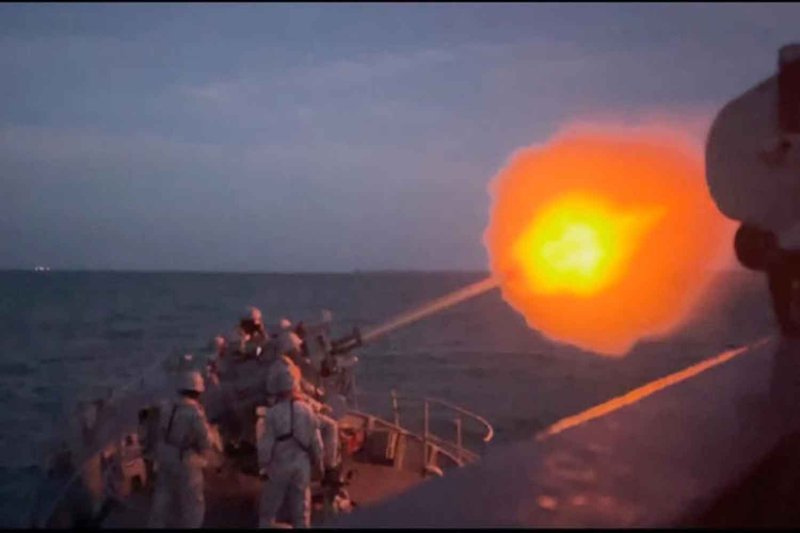
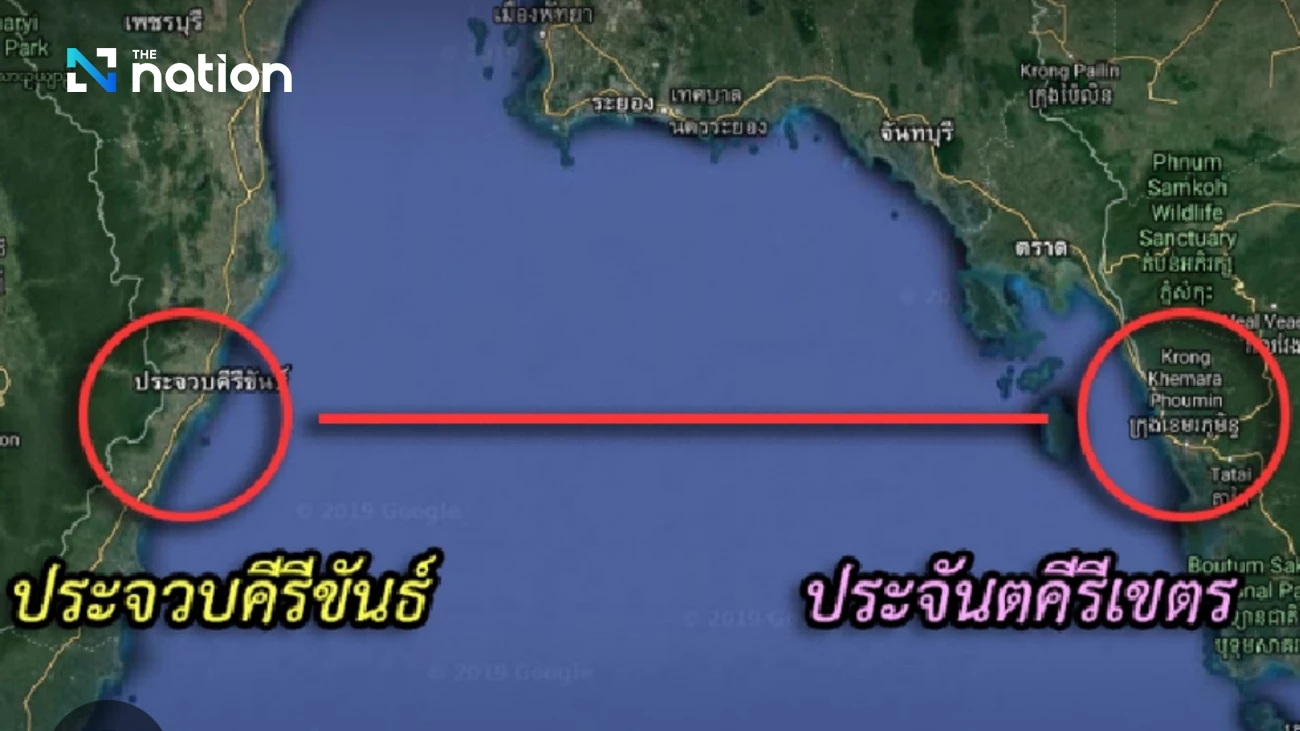
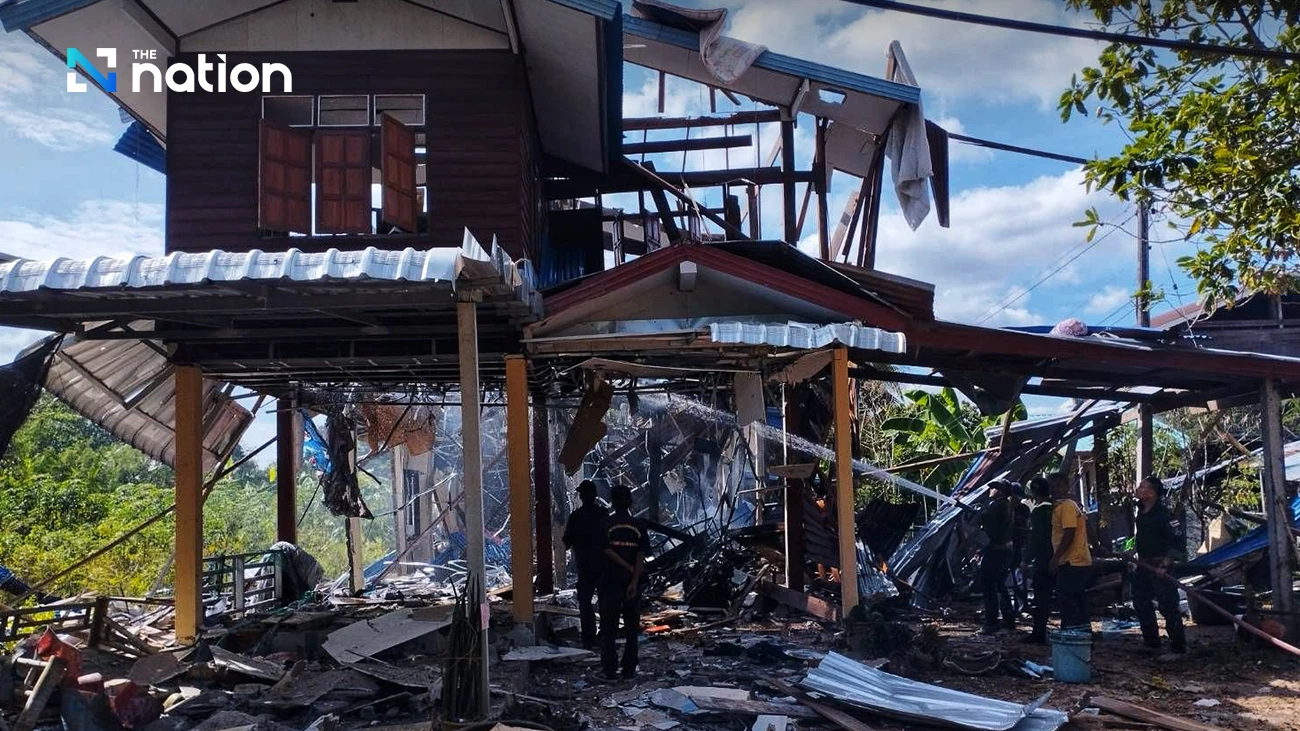
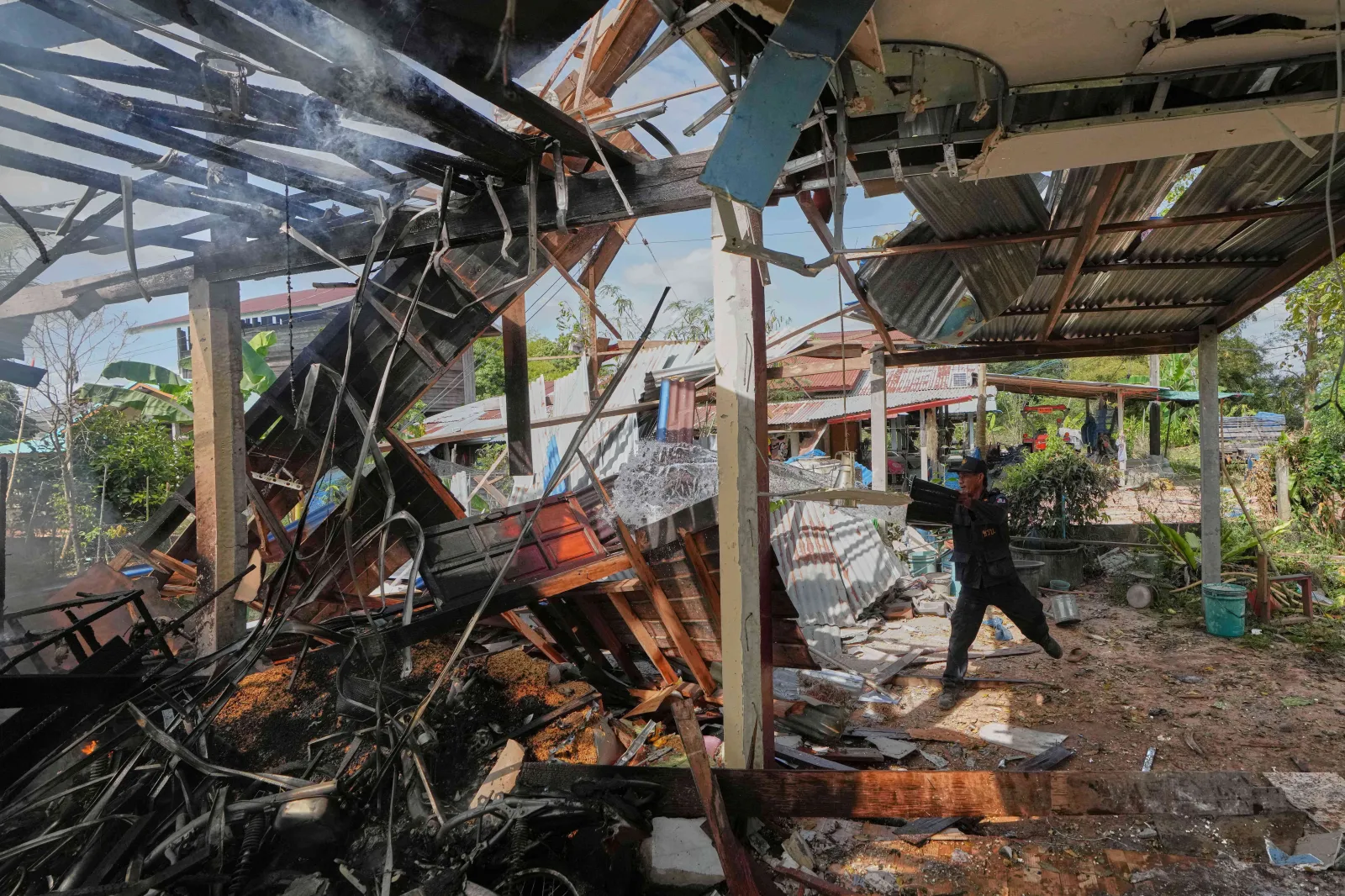
Strategic Military Positioning reveals a complex narrative beyond simple territorial dispute. Thailand's declaration of curfews in Trat province and strategic destruction of a Cambodian bridge used for weapons delivery demonstrates a calculated military response. The Thai Defense Ministry's stance—that Cambodia must "cease hostility first"—indicates a hardline approach that goes beyond traditional diplomatic engagement. This is not merely a border conflict, but a sophisticated geopolitical chess match with profound economic implications.
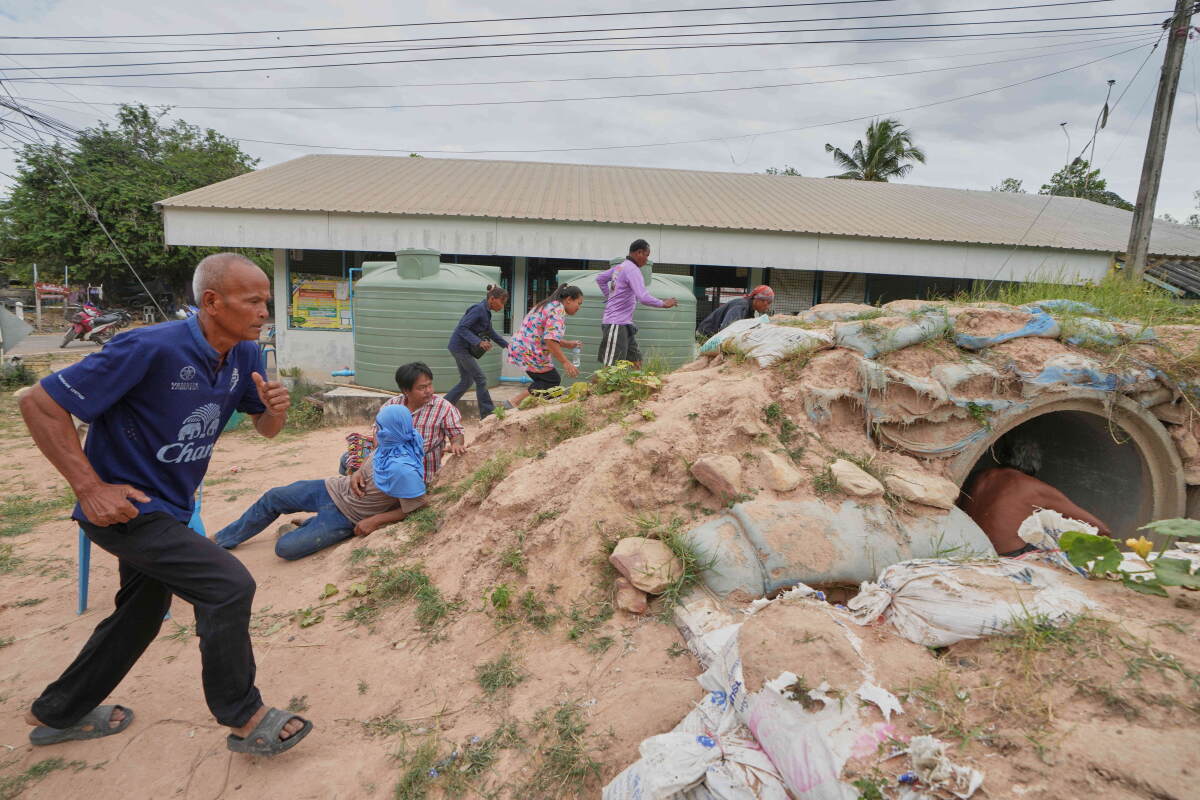
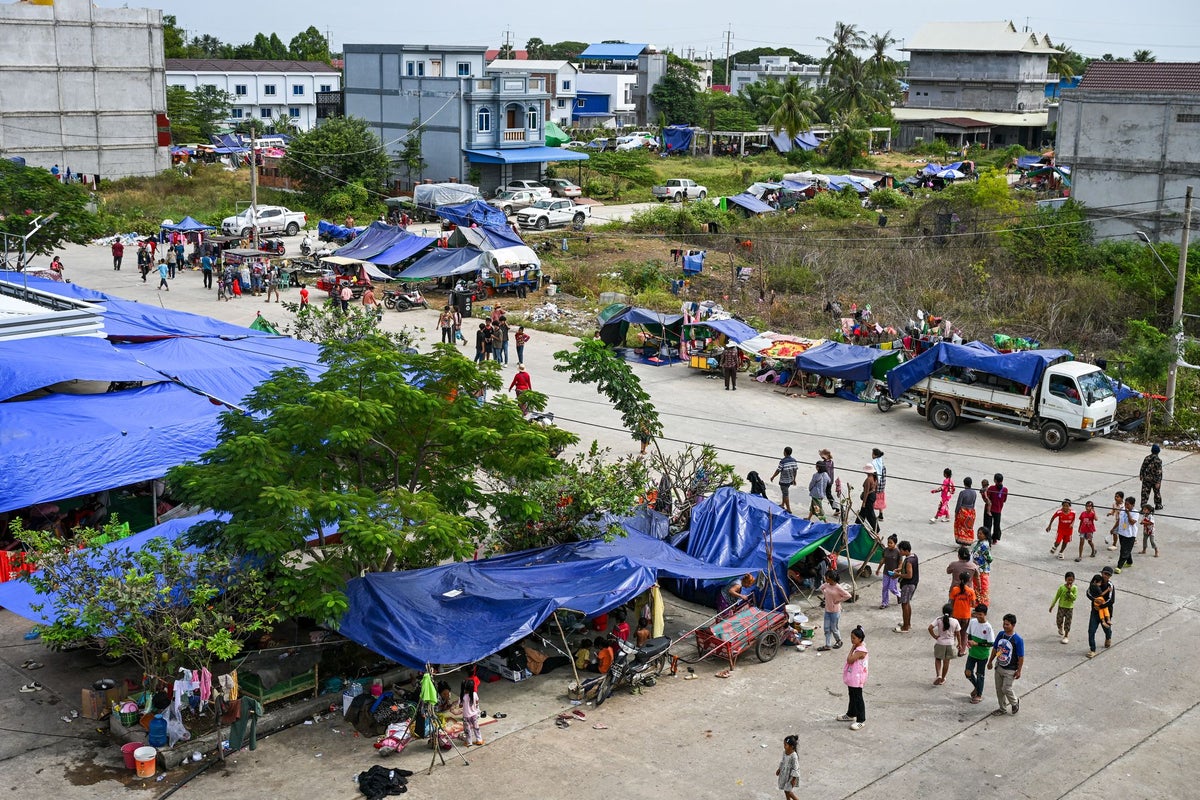
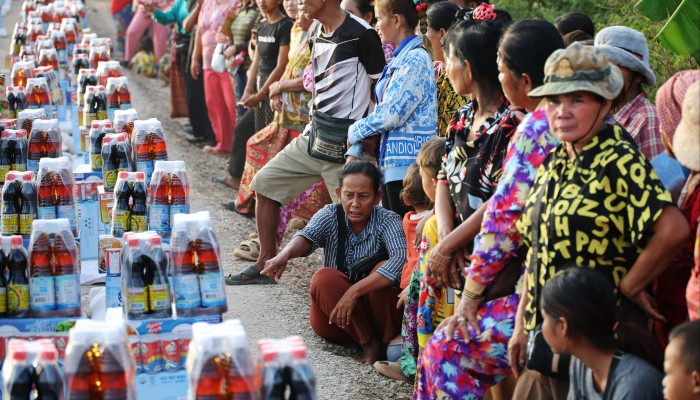
Economic Disruption Signals are particularly alarming. The ongoing conflict has already displaced hundreds of thousands of people and created significant logistical challenges for businesses operating in the region. Cross-border e-commerce sellers and international traders face unprecedented operational risks. The continuous exchanges of heavy-weapons fire and targeted artillery strikes suggest that economic stability is becoming collateral damage in this escalating confrontation.
The international mediation attempts, including interventions by U.S. President Trump and Malaysian officials, have proven spectacularly ineffective. Despite claimed cease-fire agreements, both the Cambodian and Thai defense ministries continue military operations, revealing deep-seated mistrust that transcends diplomatic negotiations. This breakdown in communication signals a potentially prolonged conflict with cascading regional economic consequences.
Businesses and policymakers must recognize that this is not a temporary disruption, but a structural shift in Southeast Asian geopolitical relationships. The persistent fighting suggests an urgent need for adaptive strategies, risk mitigation protocols, and a fundamental reassessment of cross-border economic engagement models in this increasingly volatile region.
Questions 3
Why have international mediation attempts failed to resolve the conflict?
The failure stems from deep-rooted historical tensions and a fundamental breakdown in diplomatic trust. Both Thailand and Cambodia appear more committed to military posturing than diplomatic resolution, with each side demanding the other 'cease hostility' first, creating a dangerous diplomatic stalemate.
How might this border conflict impact cross-border trade and e-commerce?
The ongoing military tensions are creating significant logistical disruptions, potentially increasing operational risks by 30-50% for businesses operating in the Thailand-Cambodia border region. Companies may need to develop alternative supply chain routes and implement robust risk management strategies to mitigate potential trade interruptions.