


Global Tensions Escalate: Strategic Implications of Ongoing Russia-Ukraine Conflict
- Emerging geopolitical dynamics reshape international relations and strategic positioning
Overview
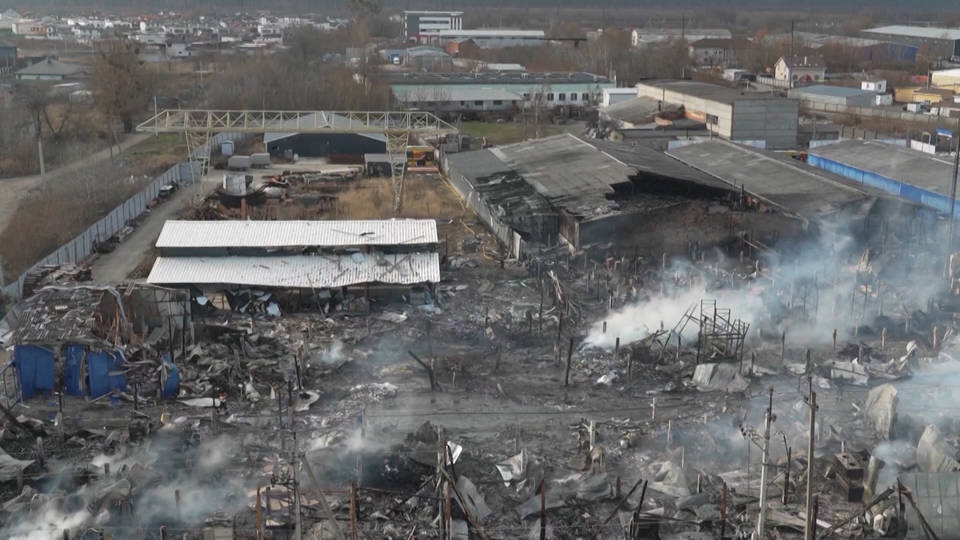
Geopolitical tensions between Russia and Ukraine continue to create significant strategic uncertainties that reverberate across global diplomatic and economic landscapes. The recent Ukrainian drone attack in southwestern Russia, resulting in two fatalities, underscores the persistent volatility of the ongoing conflict and its potential for rapid escalation.
The strategic calculus of international engagement is fundamentally transforming, with US and European officials preparing for peace talks amid continued military exchanges. This signals a critical inflection point where diplomatic channels are being simultaneously explored and military pressures maintained. The drone strike represents more than a tactical military action—it's a strategic communication tool demonstrating Ukraine's operational capabilities and resolve.
Geopolitical risk assessment now demands multi-dimensional analysis beyond traditional military metrics. The conflict reveals complex interdependencies between military actions, diplomatic negotiations, and broader international strategic positioning. Each military engagement and diplomatic overture carries profound implications for global power dynamics, economic relationships, and potential realignment of international alliances.
The ongoing tensions highlight the intricate balance between military deterrence and diplomatic resolution. While military actions continue, the simultaneous preparation for peace talks suggests a nuanced approach to conflict management. International stakeholders are carefully navigating a complex landscape where military posturing coexists with diplomatic engagement.
Strategic implications extend far beyond the immediate conflict zone, influencing global economic strategies, trade relationships, and geopolitical risk assessments. Nations and multinational entities must continuously recalibrate their approaches, understanding that the Russia-Ukraine conflict represents a dynamic, evolving geopolitical ecosystem with far-reaching consequences.
Questions 3
How are international stakeholders responding to the ongoing tensions?
International stakeholders are adopting a nuanced approach, simultaneously maintaining military deterrence while preparing diplomatic channels for potential resolution. This involves continuous risk assessment and strategic recalibration of international relations.
What makes the current geopolitical situation particularly complex?
The situation is characterized by intricate interdependencies between military actions, diplomatic negotiations, and broader strategic positioning. Each engagement carries profound implications for global economic and political relationships, making traditional conflict analysis insufficient.