


Trump-Xi Beijing Summit May 2026 | Critical Tariff & Market Access Shifts for E-Commerce Sellers
- High-stakes negotiations with semiconductor/ag executives signal major policy changes affecting sourcing costs, tariff structures, and market access for 50K+ cross-border sellers






Overview
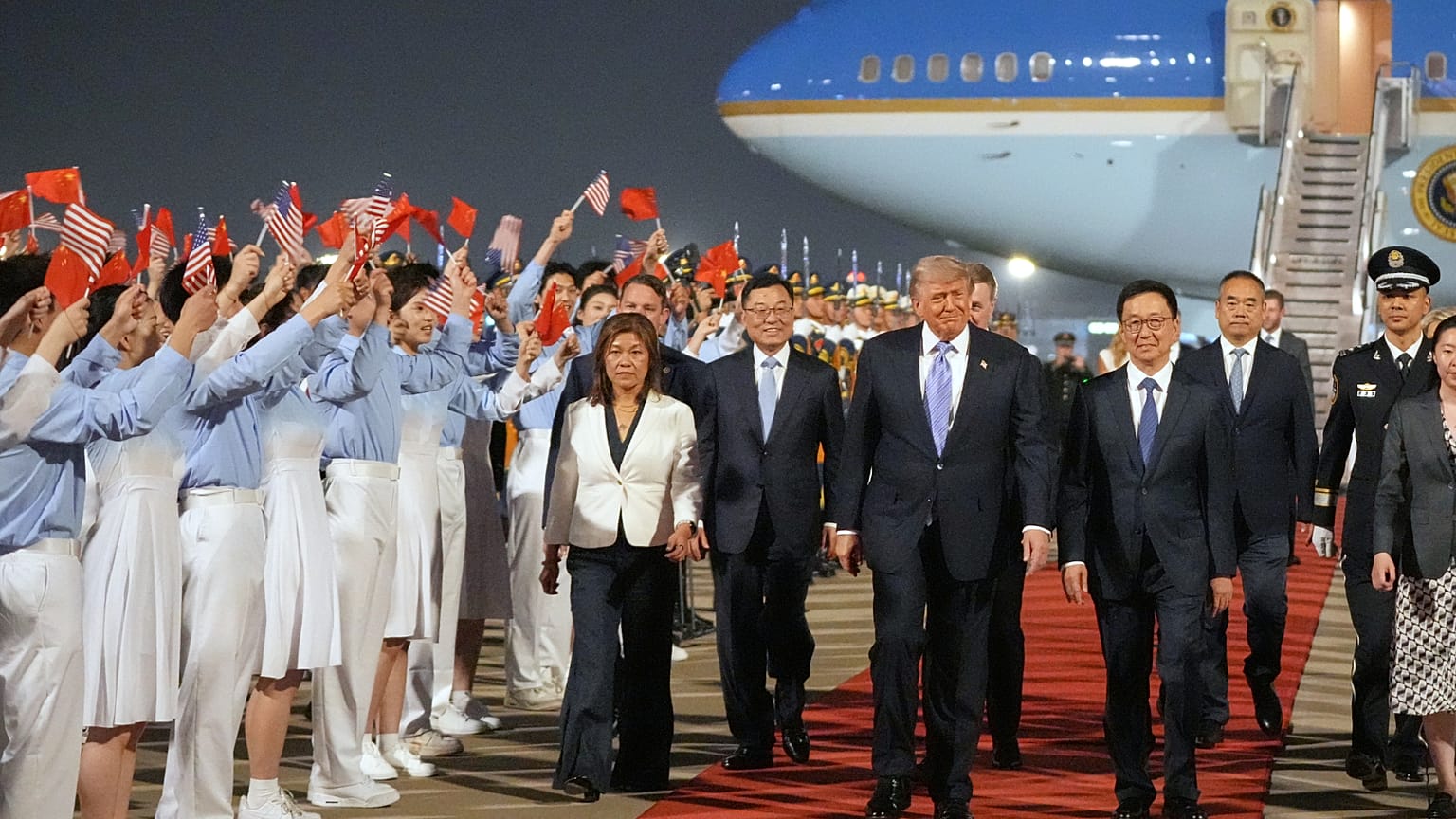
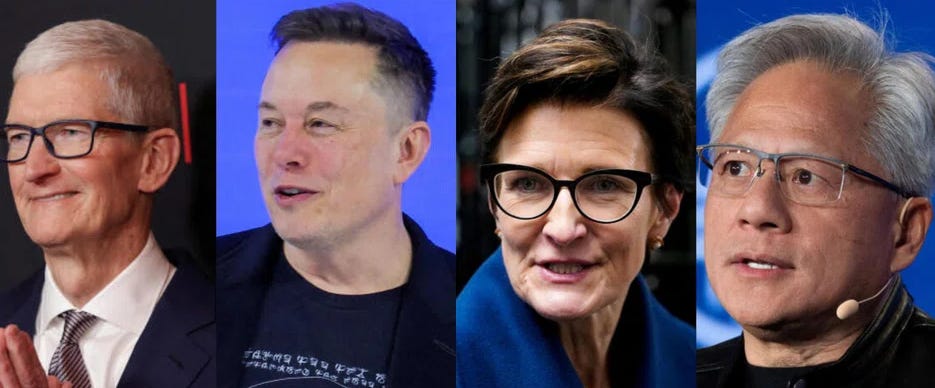
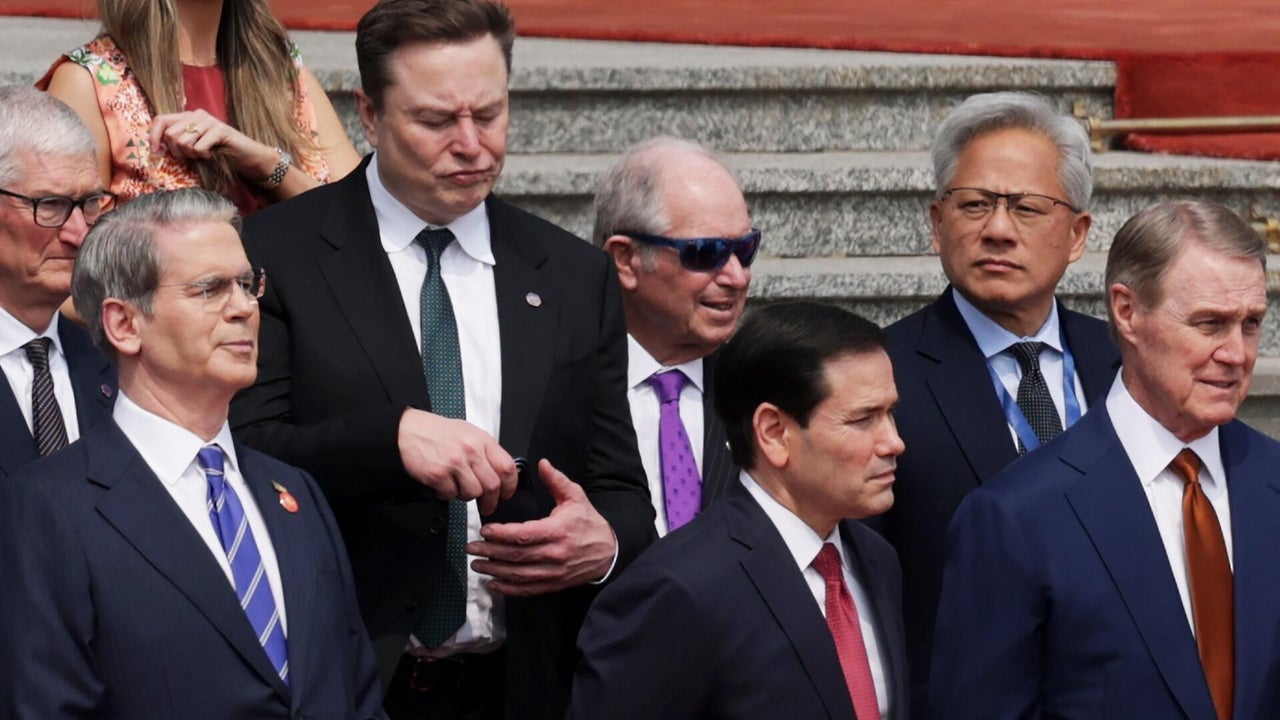
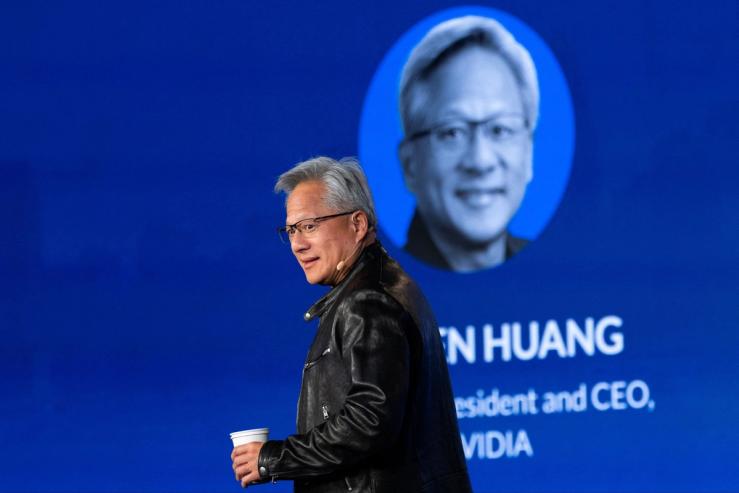
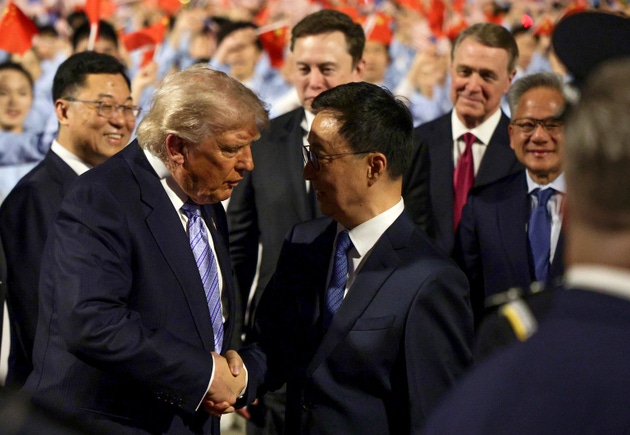
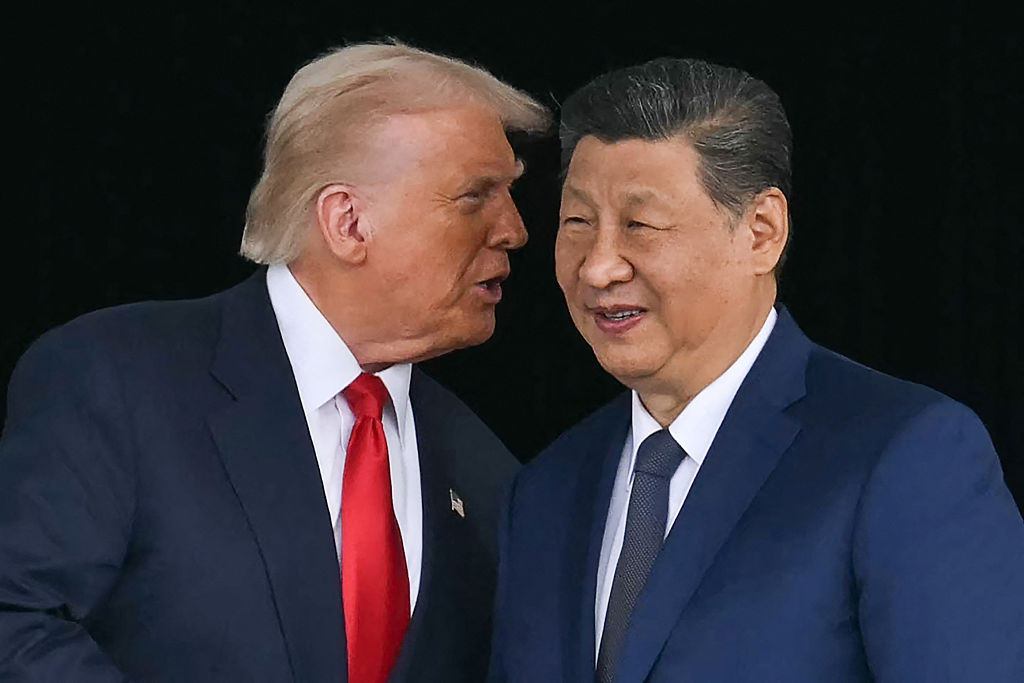
The May 2026 Trump-Xi summit in Beijing represents a pivotal moment for cross-border e-commerce sellers, with the U.S. delegation composition signaling major policy priorities that will reshape tariff structures, supply chain costs, and market access conditions. The delegation's inclusion of semiconductor executives from Nvidia (Jensen Huang), Micron (Sanjay Mehrotra), and Qualcomm (Cristiano Amon) alongside agricultural leaders from Cargill and Boeing indicates that technology export controls and commodity pricing will dominate negotiations. This strategic delegation composition—with only Musk and Huang receiving Air Force One seats—reveals administration priorities: advanced semiconductors and AI infrastructure over traditional consumer goods commerce.
For electronics sellers, the implications are immediate and severe. The prominent semiconductor representation signals intensified discussions around U.S. export controls on advanced chips, which directly impacts supply chains for sellers importing electronics from China. Sellers relying on Chinese-manufactured products containing restricted semiconductors (HS codes 8542.31, 8542.32 for advanced processors) face potential supply disruptions and cost increases of 15-25% if export restrictions tighten. The hawkish delegation composition—including Secretary of State Marco Rubio (sanctioned Beijing in 2020 for Xinjiang comments), Treasury Secretary Scott Bessent (characterized Beijing as "unreliable trade partner"), and Defense Secretary Pete Hegseth (criticized South China Sea actions)—suggests negotiations will remain contentious, prolonging trade uncertainties through Q3 2026.
Agricultural commodity sellers face pricing volatility and market access opportunities. Cargill's Brian Sikes and Boeing's Kelly Ortberg sought "market access restoration and new orders," indicating potential tariff reductions on U.S. agricultural exports (HS codes 1001-1209 for grains, oilseeds, meat products). If negotiations succeed, U.S. agricultural exports to China could increase 20-30%, creating opportunities for sellers sourcing U.S. commodities for export to Asian markets. However, the delegation's emphasis on opening China's market to U.S. businesses suggests potential reciprocal tariff increases on Chinese consumer goods imports, which could increase landed costs 8-12% for sellers importing apparel, home goods, and electronics from China.
The strategic focus on tech infrastructure over consumer goods creates a critical competitive divide. The preferential treatment of Musk and Huang signals administration priorities toward electric vehicles and semiconductor technology—sectors that power e-commerce logistics and AI-driven fulfillment systems. This indicates future trade policies may prioritize tech infrastructure investments over traditional goods commerce, creating opportunities for sellers in automation, AI-powered tools, and smart logistics solutions while disadvantaging conventional product importers. Sellers should expect tariff structures to increasingly favor high-tech components (semiconductors, AI chips, EV batteries) over low-value consumer goods, shifting competitive advantages toward tech-enabled sellers and away from traditional importers.
Questions 8
Which product categories benefit most from potential U.S.-China trade deal?
Agricultural products (HS 1001-1209: grains, oilseeds, meat) face the strongest tailwinds, with potential tariff reductions of 10-20% if market access negotiations succeed. U.S. agricultural exports to China could increase 20-30%, benefiting sellers sourcing commodities for Asian export. Conversely, traditional consumer goods (apparel HS 6204-6209, home goods HS 9401-9406) face headwinds from reciprocal tariffs. Tech-enabled products (smart home HS 8517, AI-powered devices) may see preferential treatment given administration priorities, creating opportunities for sellers in automation and IoT categories.
How will the Trump-Xi summit affect tariff rates on electronics imported from China?
The summit's focus on semiconductor export controls suggests potential tariff increases on advanced chips (HS 8542.31-8542.32) of 5-15%, while lower-tech electronics may see modest reductions if China opens market access. The delegation's hawkish composition indicates negotiations will remain contentious, likely extending tariff uncertainties through Q3 2026. Sellers importing consumer electronics should expect landed costs to increase 8-12% if reciprocal tariffs are implemented on Chinese goods. Monitor USTR announcements weekly for specific HS code changes affecting your product categories.