




US-China Tech Market Access & Rare Earth Supply Chain Shifts | Critical Impact for E-Commerce Sellers
- May 2026 summit negotiations on AI chip exports and rare earth minerals directly affect 50K+ cross-border sellers; supply chain costs could shift 8-15% based on market access outcomes and mineral export licensing






















Overview
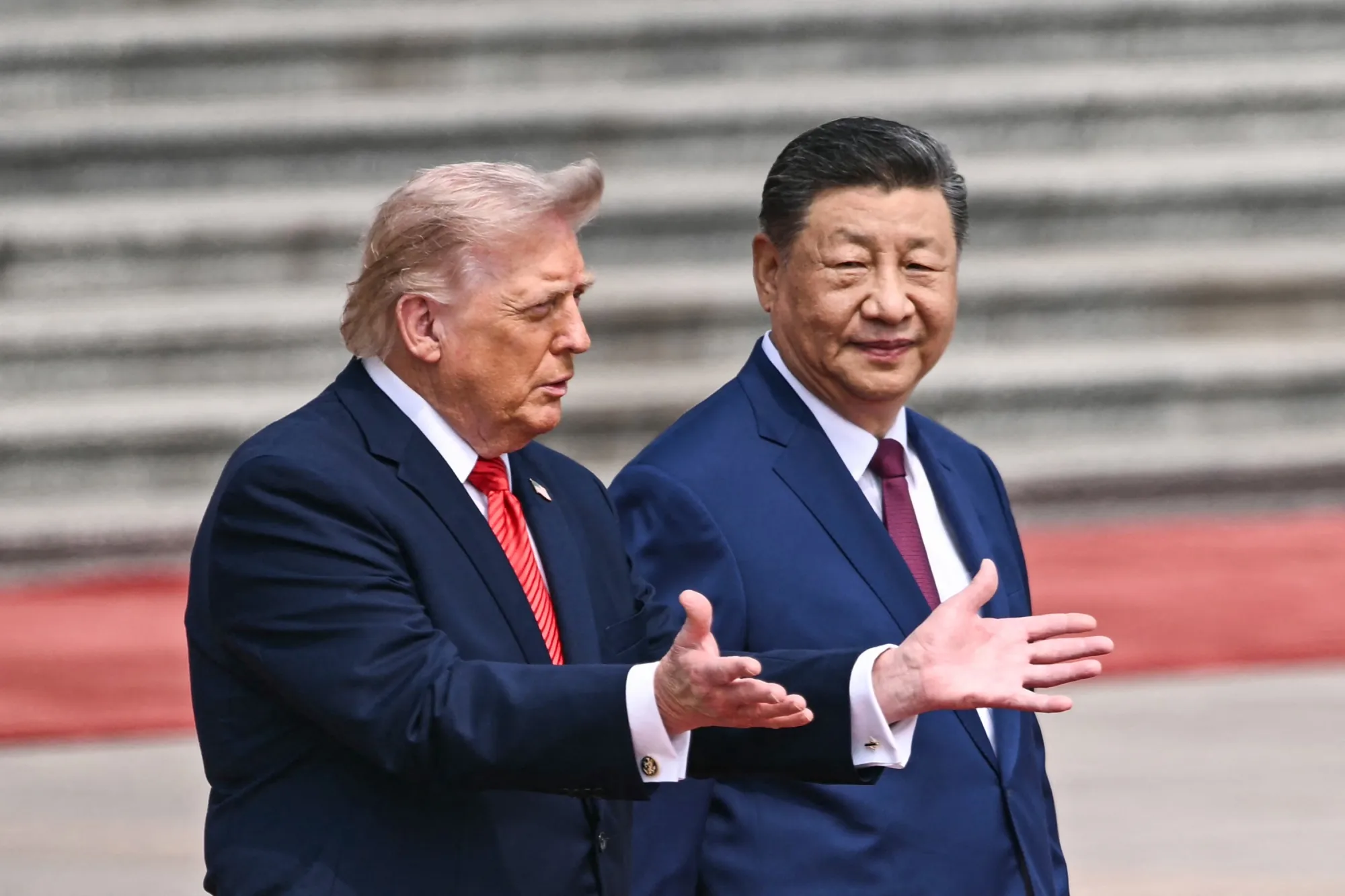
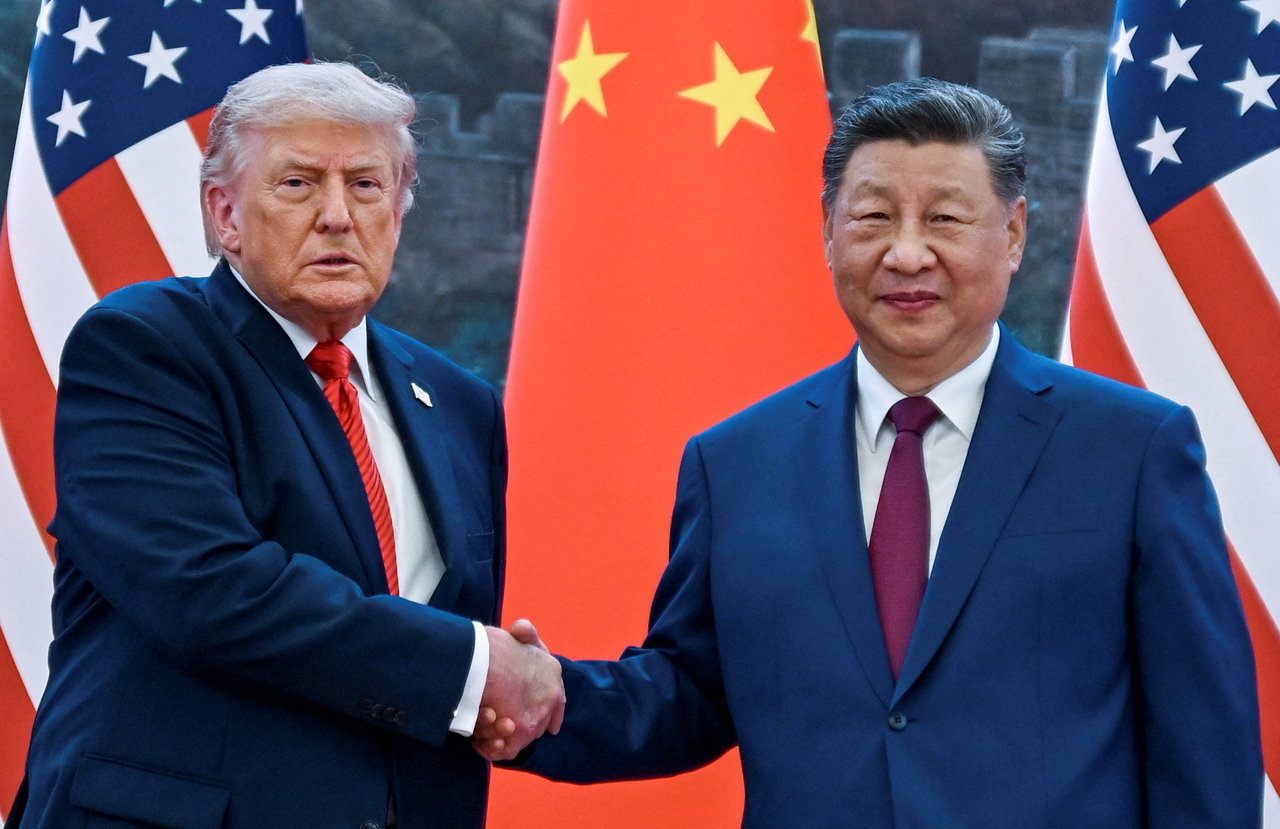
The May 14, 2026 Trump-Xi summit in Beijing represents a critical inflection point for global e-commerce supply chains, with two major technology flashpoints directly impacting seller operations: US market access to China's AI and consumer tech sectors, and control over rare earth minerals essential for electronics manufacturing. This bilateral negotiation involves top tech executives (Nvidia CEO Jensen Huang, Tesla CEO Elon Musk, Apple CEO Tim Cook) signaling that technology trade is central to broader US-China relations.
Market Access Implications for E-Commerce Sellers: Washington has already cleared Nvidia H200 AI chip sales to major Chinese firms, but experts warn this represents a "conditional, closely managed channel" rather than full market reopening. For cross-border sellers, this signals potential opportunities in AI-powered tools and electronics categories if market access expands, but also regulatory uncertainty. Tesla's pursuit of full self-driving approval in China and Apple/Meta's supply chain partnership negotiations indicate major consumer tech brands are positioning for deeper China market penetration. This creates both competitive pressure and partnership opportunities for third-party sellers in electronics, smart home devices, and automotive accessories categories. The proposed formal Board of Trade and Board of Investment structures suggest more predictable, structured trade relationships ahead—reducing tariff volatility that has plagued sellers since 2025.
Critical Minerals Supply Chain Crisis: China controls 59% of global rare earth mining and 91% of refining (2024 data), weaponizing this advantage during 2025 tariff disputes. This directly impacts sellers in electronics, battery-powered devices, and industrial equipment categories. Heavy rare earth export controls remain unresolved despite the 2025 trade truce, leaving US-based sellers at a supply disadvantage. Potential US relaxation of chip export controls in exchange for rare earth progress could reshape sourcing strategies. For sellers manufacturing or sourcing electronics from China, rare earth availability and pricing will remain volatile through Q3 2026 unless formal licensing agreements emerge. The International Energy Agency data confirms supply chain resilience remains compromised, meaning sellers should expect 5-12% cost increases in electronics categories if mineral access doesn't improve.
Immediate Seller Opportunities: Electronics, smart home, and automotive accessory sellers should monitor licensing announcements weekly. If market access expands, Chinese suppliers will flood consumer tech categories with competitive pricing, requiring sellers to differentiate through branding, bundling, or service. Conversely, if negotiations stall, rare earth-dependent products (magnets, motors, semiconductors) will face margin compression. Sellers should diversify sourcing away from single-supplier dependencies and consider inventory hedging strategies for Q2-Q3 2026.
Questions 8
How will the Trump-Xi summit's market access negotiations affect electronics sellers on Amazon and eBay?
If negotiations succeed in opening China's market to US tech companies, expect increased competition from Chinese suppliers entering consumer electronics categories (smart home, accessories, components) within 60-90 days. However, the "conditional, closely managed channel" approach means licensing restrictions will remain, creating a tiered market where only approved vendors gain access. For Amazon FBA sellers, this means potential margin compression of 8-12% in electronics categories if Chinese competitors flood the market, but also opportunities to source cheaper components if rare earth licensing improves. Monitor Amazon Seller Central announcements and category pricing trends weekly through Q3 2026.
Should I adjust my inventory strategy based on the May 2026 summit outcomes?
Yes—the summit creates three possible scenarios requiring different inventory strategies: (1) Market access expands: reduce inventory 15-20% in electronics categories to avoid overstock as Chinese competitors enter; (2) Negotiations stall: increase inventory 10-15% in rare earth-dependent products before prices spike; (3) Trade truce extends: maintain current levels but shift sourcing to approved vendors. Given the "conditional, closely managed channel" language from CFR experts, scenario 2 (stalled negotiations) is most likely through Q3 2026. Recommendation: implement scenario 2 immediately—increase inventory in magnets, motors, semiconductors, and smart home devices by 10-15% before June 2026, then reassess based on formal licensing announcements.