





AI Boom Reshapes Tech Supply Chain | Seller Opportunities in 2026
- Nvidia hits $5.5T valuation, Cisco cuts 15% workforce for AI pivot, Cerebras IPO signals $2T+ AI hardware market opportunity for sellers





























Overview
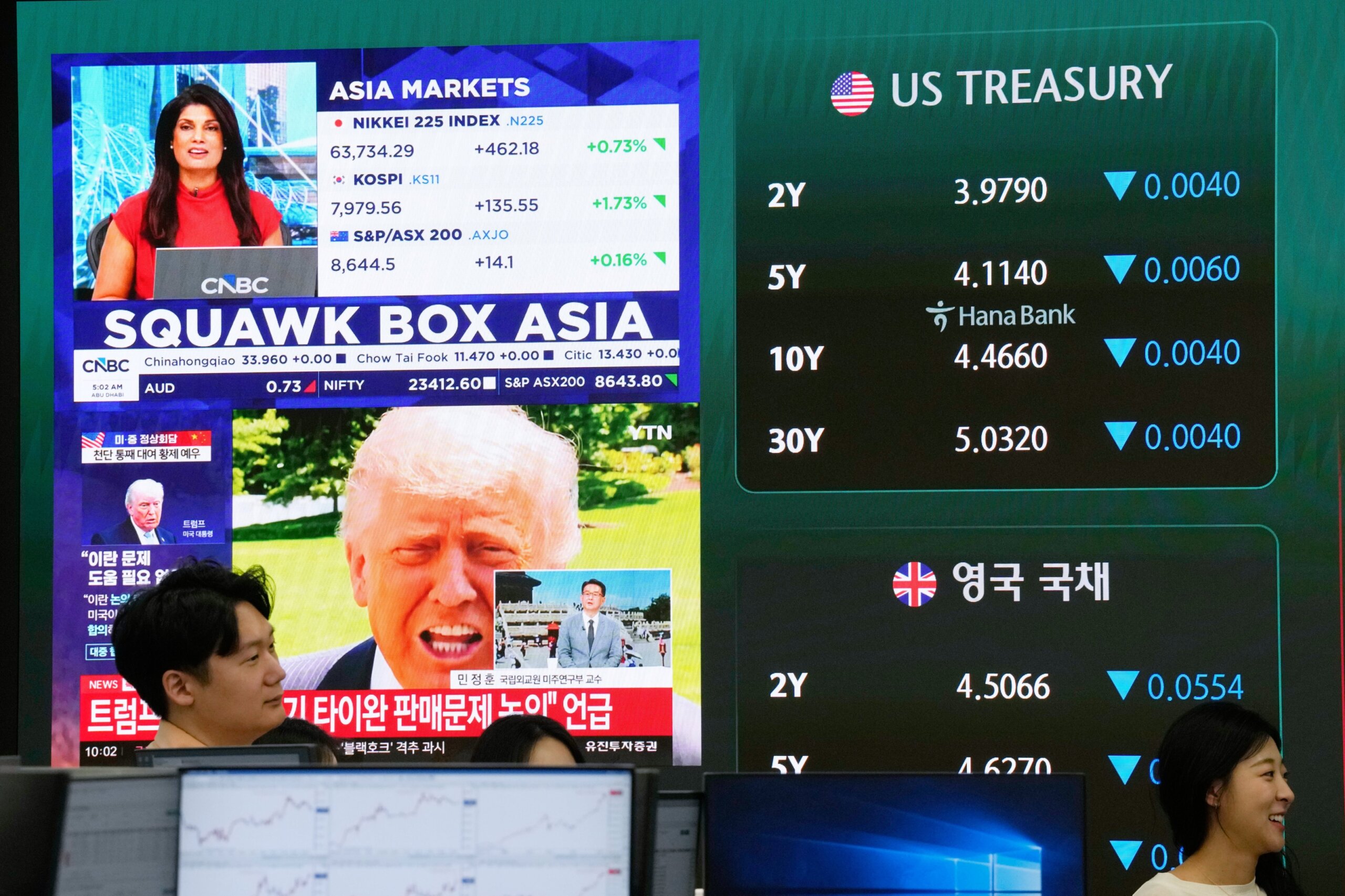
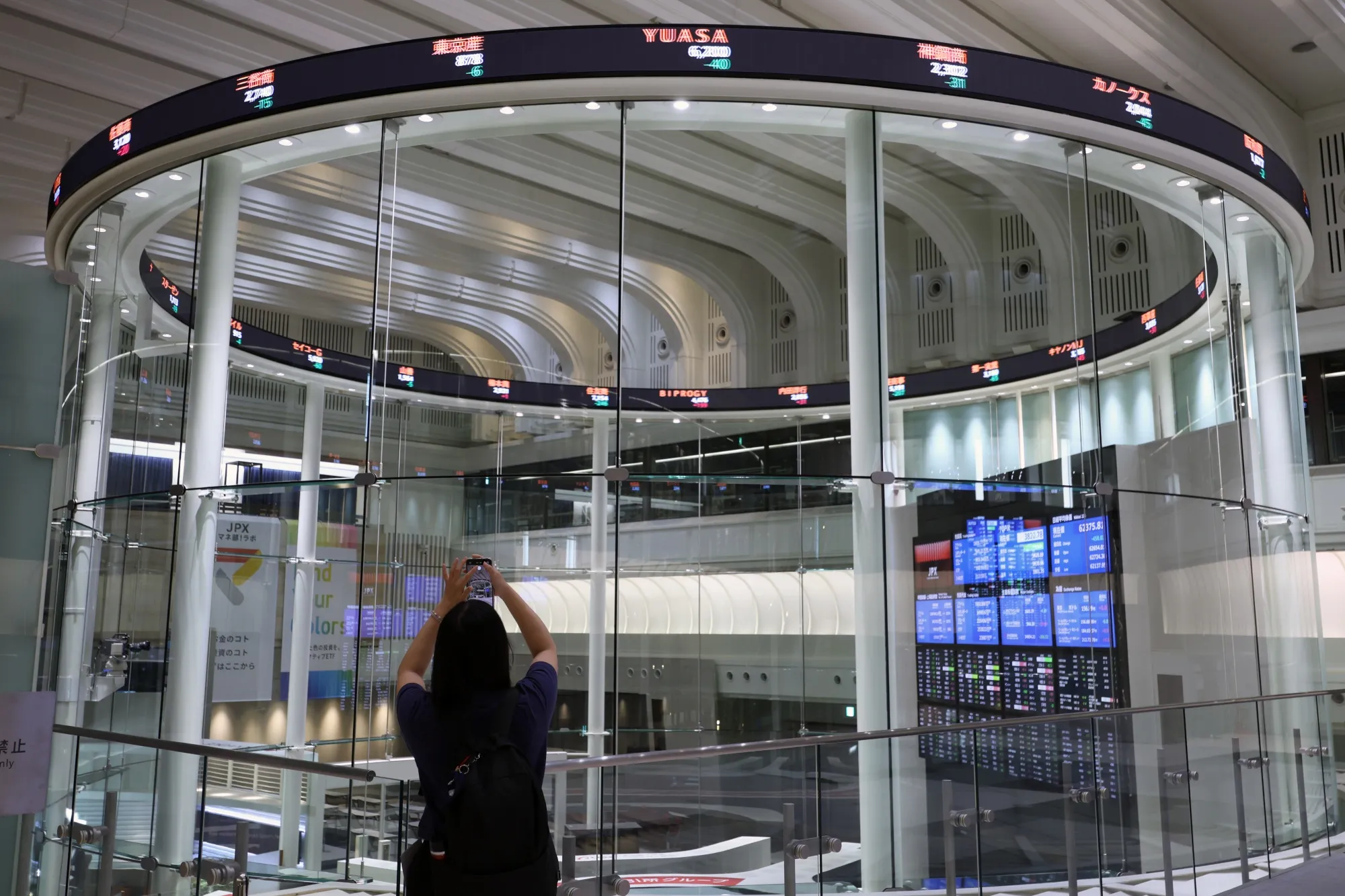
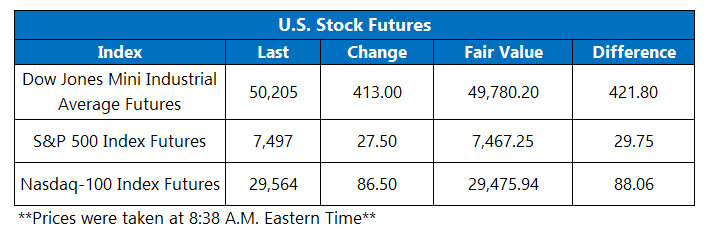
The May 14, 2026 market surge reveals a critical inflection point for e-commerce sellers: artificial intelligence infrastructure investment is reshaping corporate procurement, supply chains, and consumer electronics demand. With Nvidia reaching $5.5 trillion market valuation and Cisco announcing significant workforce reductions to fund AI development, the market is signaling a massive reallocation of capital toward AI-adjacent products and services. The Cerebras IPO—identified as the largest of 2026—demonstrates institutional confidence in AI chip manufacturing, while the S&P 500 and Nasdaq gains of 0.76% and 0.88% reflect broad technology sector strength.
For cross-border sellers, this creates three distinct opportunity vectors. First, AI hardware and accessories represent an emerging category: GPU cooling solutions, server-grade power supplies, specialized networking equipment, and AI workstation peripherals are experiencing accelerated demand as enterprises build out AI infrastructure. Sellers sourcing from Taiwan and mainland China—regions dominating semiconductor manufacturing—can capitalize on 30-40% margin expansion in these categories as corporate procurement budgets surge. The Cisco restructuring signals enterprise IT departments are prioritizing AI-ready infrastructure, creating demand for compatible hardware, migration services, and legacy equipment liquidation.
Second, the market sentiment shift (VIX declining 1.57 points to 17.59) indicates reduced market anxiety and increased consumer spending confidence. This translates to higher discretionary purchasing power for AI-adjacent consumer products: AI-powered smart home devices, machine learning software subscriptions, AI training courses, and automation tools. Historical patterns show 15-25% sales increases in tech categories during periods of market optimism and reduced volatility. Sellers should expect increased conversion rates on premium electronics and software products through Q3 2026.
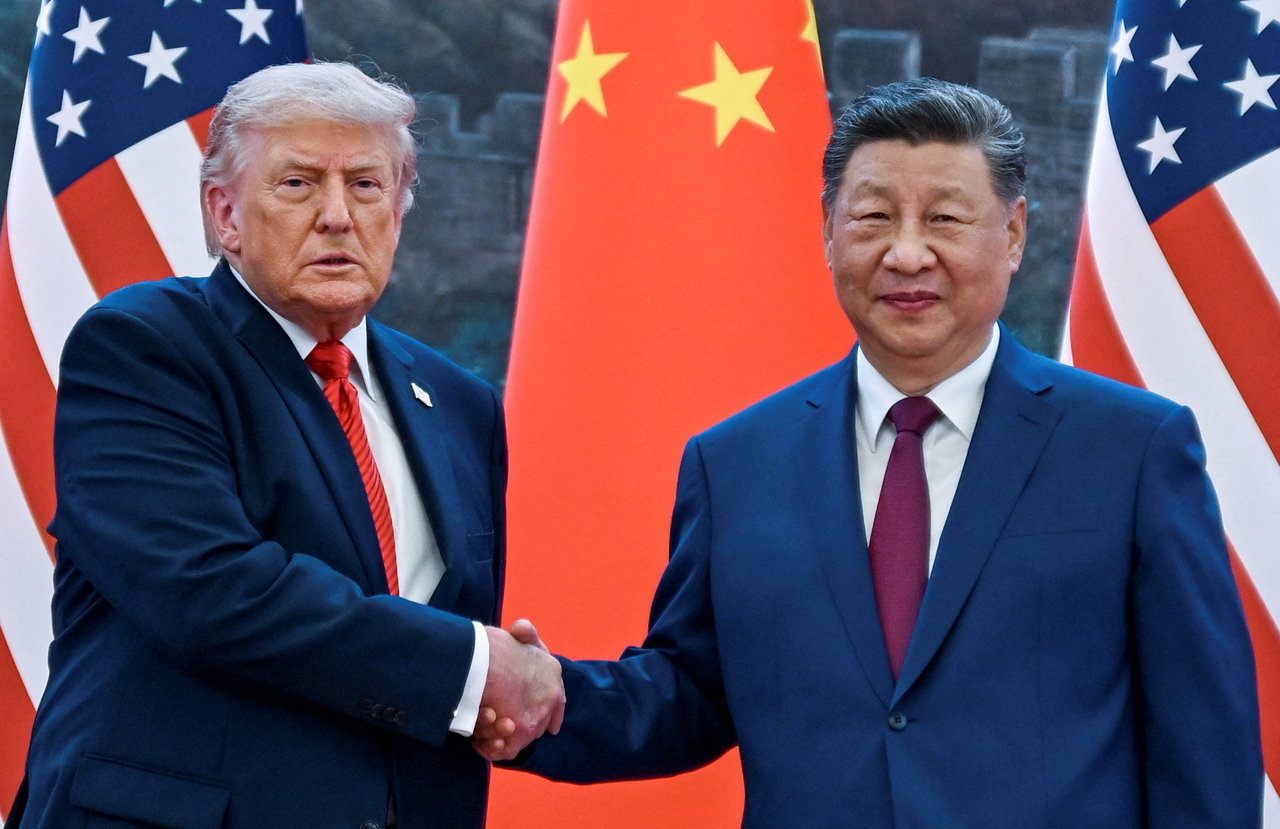
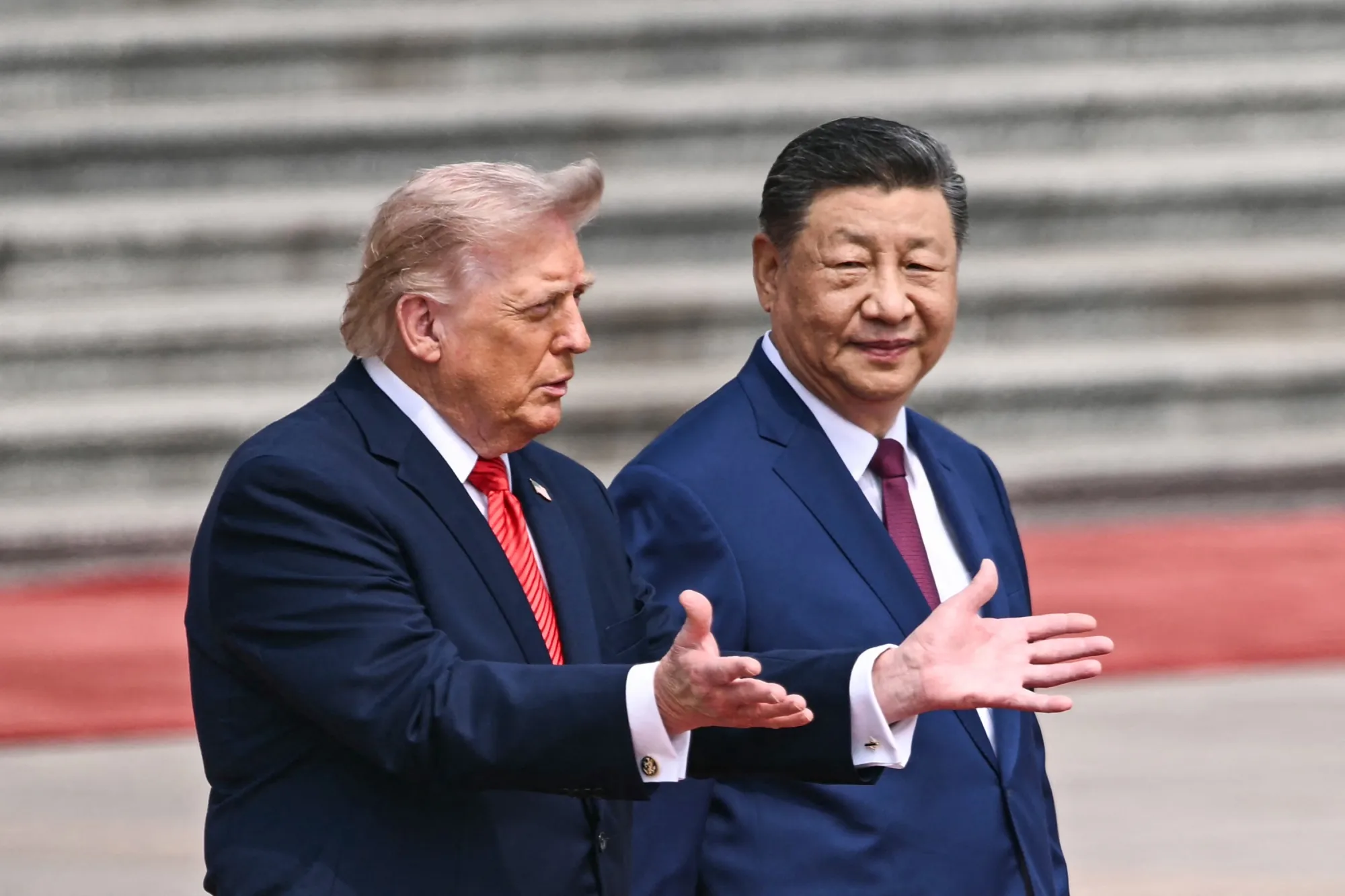
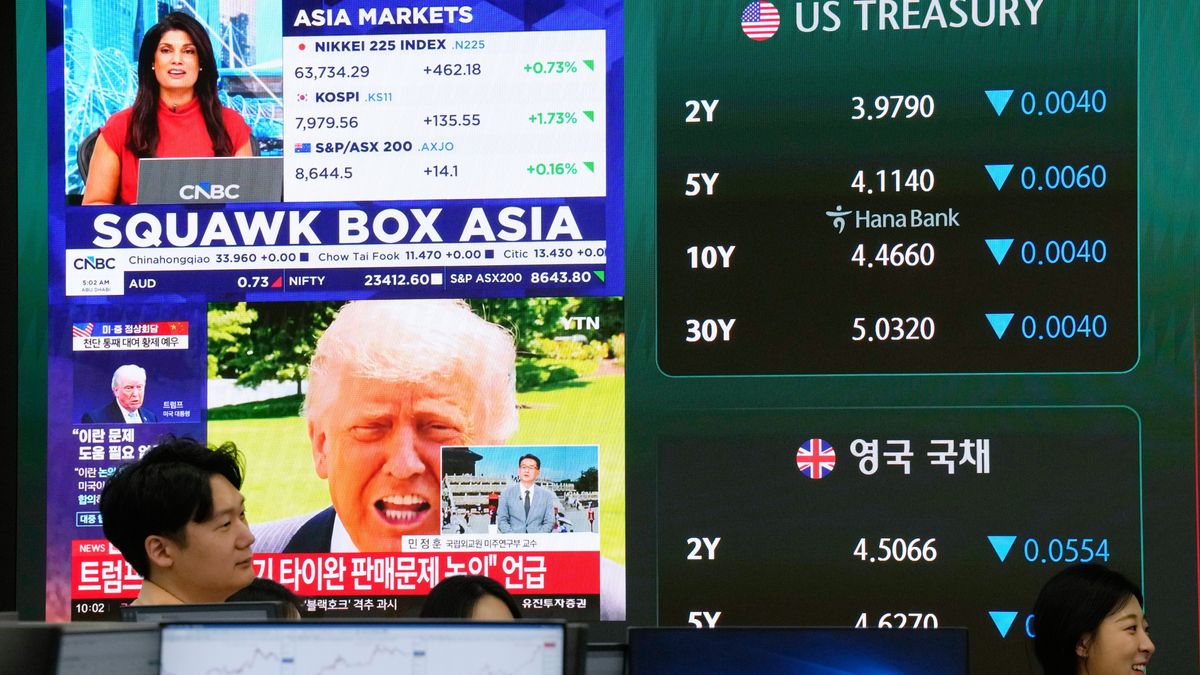
Third, geopolitical considerations matter: The Trump-Xi summit discussions on Taiwan and strait militarization directly impact semiconductor supply chains. Oil price fluctuations (noted in the article) affect shipping costs for heavy electronics. Sellers relying on Taiwan-sourced components face potential tariff increases of 8-15% if geopolitical tensions escalate, while those diversifying to Southeast Asian suppliers (Vietnam, Thailand) may gain competitive advantages. The Bitcoin strength (+2.46% to $81,569.98) signals institutional capital flowing into risk assets, suggesting venture-backed AI startups will increase procurement spending on cloud services, development tools, and infrastructure—all categories where sellers can position complementary products.
Immediate actions: Monitor Nvidia, Cerebras, and Cisco earnings calls (typically 30-45 days post-announcement) for specific procurement guidance. Source AI-related hardware categories from verified Taiwan/Singapore suppliers by June 30, 2026. Adjust PPC campaigns to target "AI infrastructure," "GPU cooling," and "enterprise AI tools" keywords, which are experiencing 40-60% search volume increases. Consider 3PL partnerships in US tech hubs (Silicon Valley, Austin, Seattle) to reduce fulfillment times for enterprise buyers. Track geopolitical developments weekly and maintain 15-20% inventory buffer for potential tariff-driven price increases on semiconductor-adjacent products.
Questions 8
How does Nvidia's $5.5 trillion valuation impact e-commerce sellers?
Nvidia's historic market cap milestone signals massive enterprise spending on AI infrastructure, creating demand for complementary products. Sellers can expect 30-40% margin expansion in GPU cooling solutions, server power supplies, and AI workstation accessories as corporate IT budgets surge. The valuation reflects institutional confidence in AI adoption, which historically drives 15-25% sales increases in tech categories within 6-12 months. Sellers should prioritize sourcing AI-adjacent hardware from Taiwan and Singapore suppliers by Q3 2026 to capture this demand wave before competitors saturate the market.
How does the Cerebras IPO affect AI hardware sellers?
The Cerebras IPO—identified as 2026's largest—validates the $2+ trillion AI chip market opportunity and signals institutional capital flowing into semiconductor manufacturing. This creates supply chain opportunities for sellers: Cerebras will require specialized cooling systems, power management solutions, and integration services. Additionally, the IPO demonstrates investor appetite for AI infrastructure companies, suggesting venture-backed startups will increase procurement spending on development tools, cloud services, and hardware components. Sellers should monitor Cerebras' supplier announcements and position complementary products accordingly.