


Aviation Safety Under Scrutiny: United Airlines' Emergency Landing Reveals Critical Operational Resilience
- Precision Emergency Response Highlights Modern Airline Safety Protocols and Risk Management Strategies





















Overview
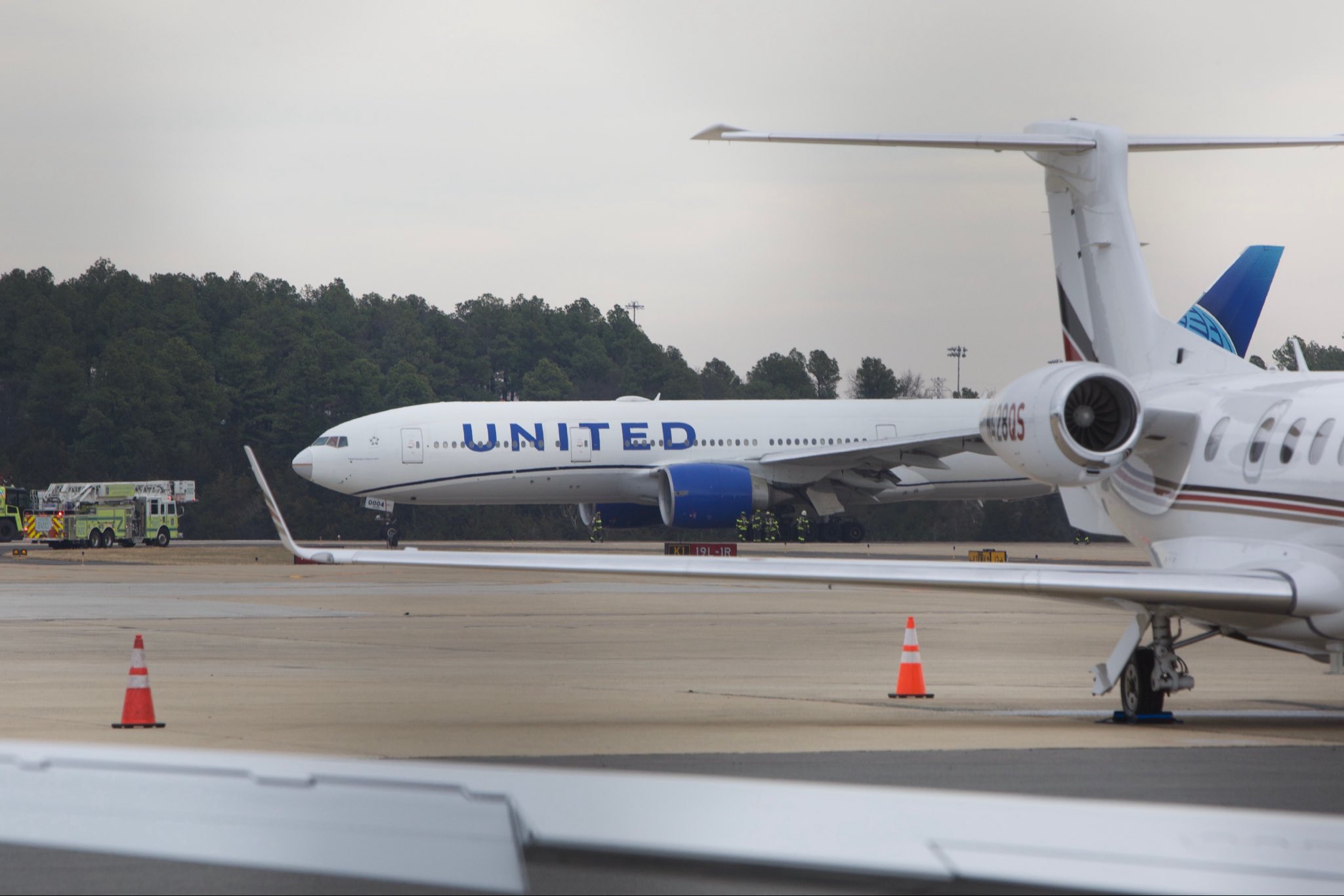
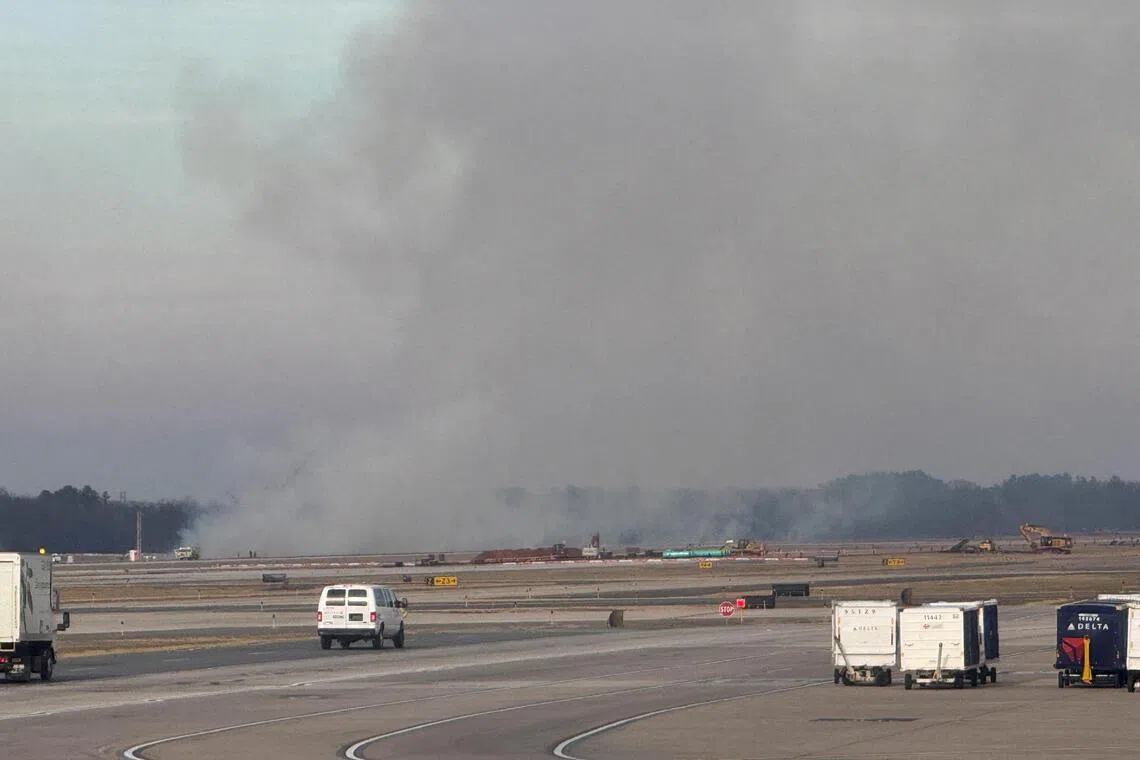
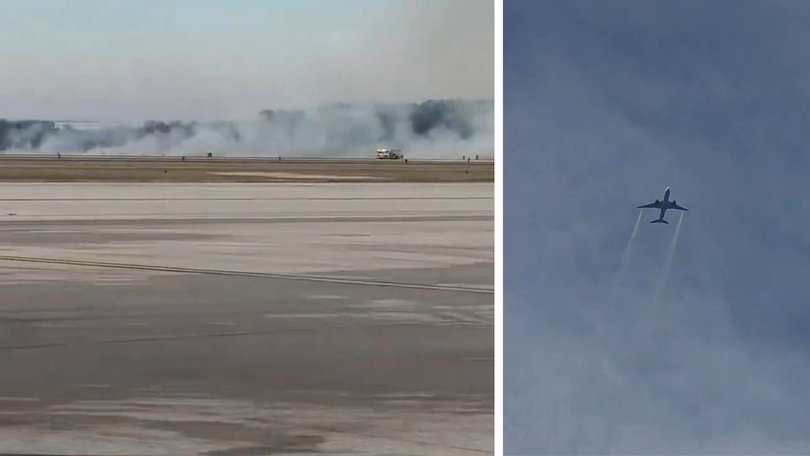
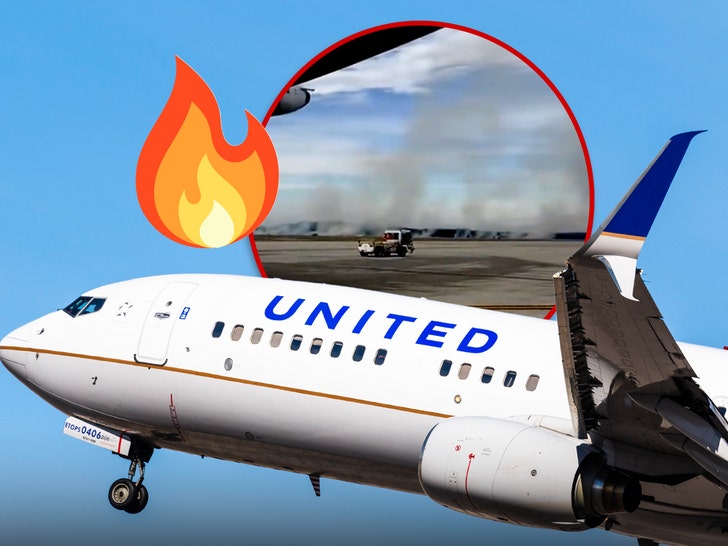
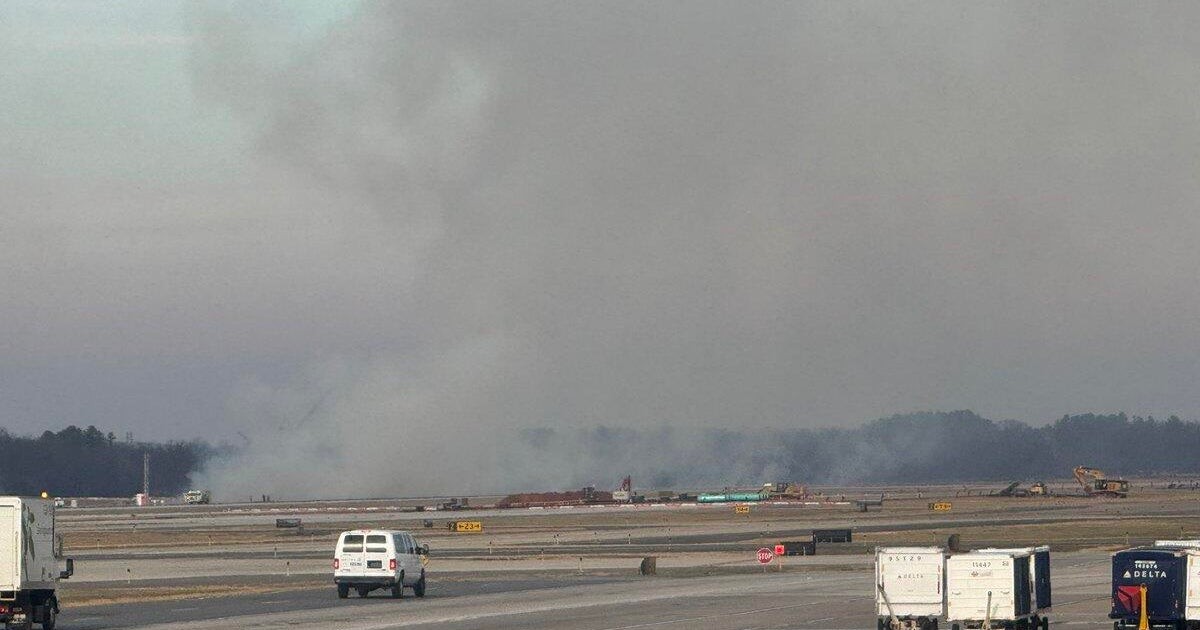
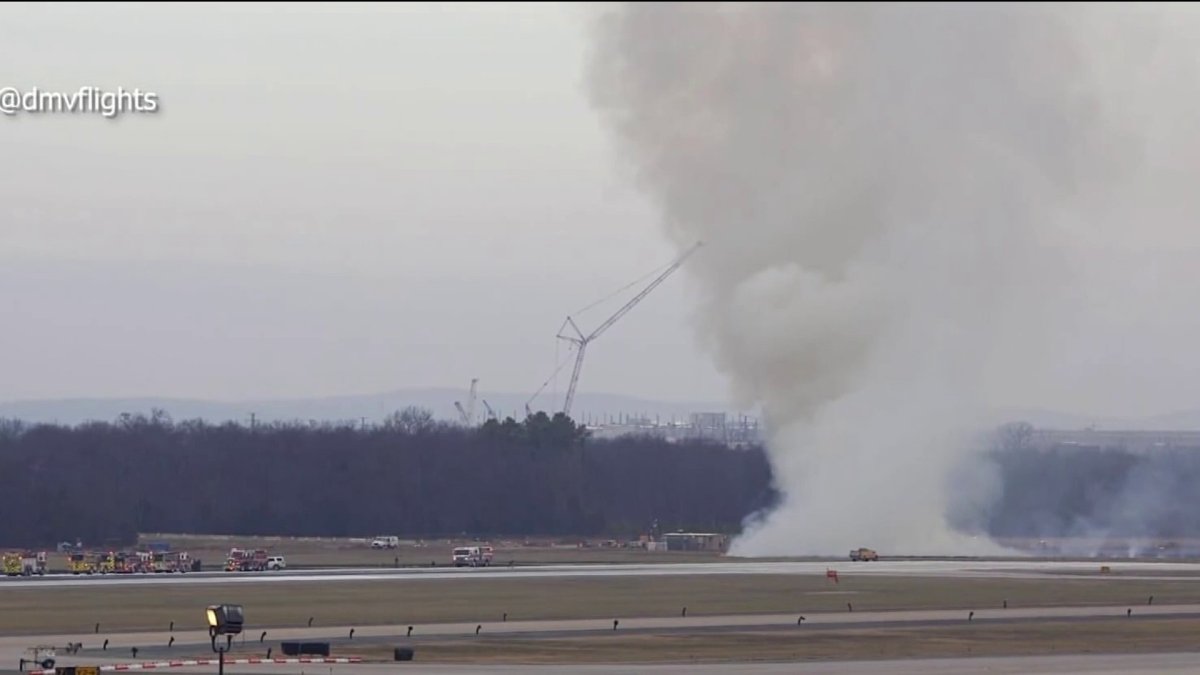
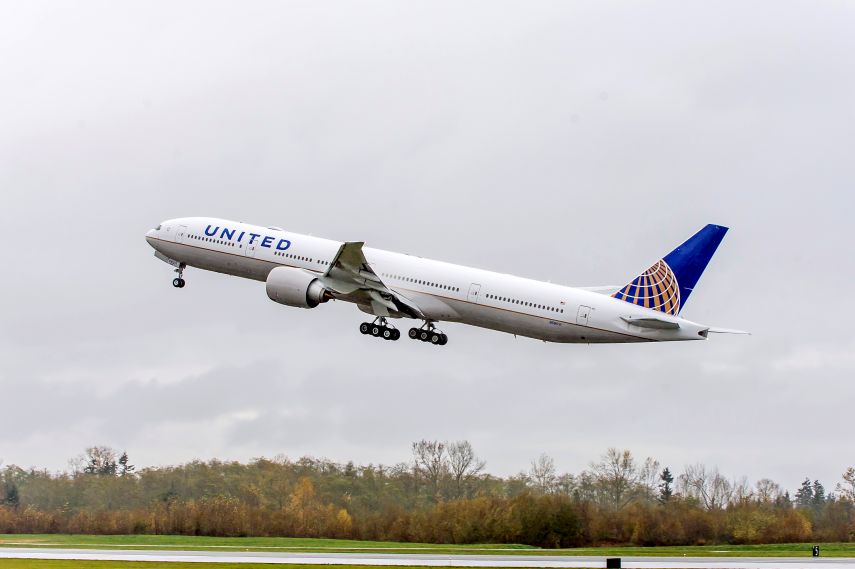
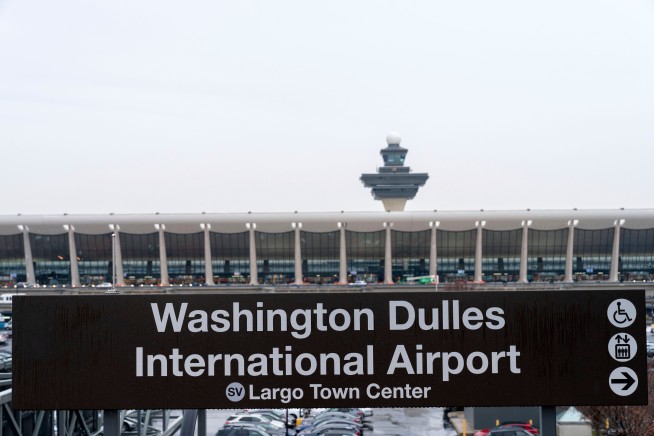
Aviation safety protocols face a critical test in a recent United Airlines incident that underscores the complex operational challenges of modern international air travel. On a Saturday afternoon, United Airlines Flight 803, a Boeing 777-200 bound for Tokyo, experienced a sudden and critical engine power loss immediately after takeoff from Dulles International Airport, forcing an immediate emergency return.
Operational Precision in Crisis Management emerges as the standout narrative from this incident. With 275 passengers and multiple crew members onboard, the flight crew demonstrated extraordinary professional training by executing a textbook emergency procedure. By carefully circling to burn off fuel and preparing for a safe landing, they transformed a potentially catastrophic mechanical failure into a controlled, incident-free resolution. The successful emergency landing without casualties represents a testament to the rigorous safety standards and quick decision-making embedded in commercial aviation protocols.
Systemic Safety Investigation Dynamics are equally significant. The Federal Aviation Administration (FAA) has initiated a comprehensive investigation into the engine failure, highlighting the industry's commitment to continuous improvement and root cause analysis. United Airlines' immediate response—closing a United Club lounge at Dulles and arranging an alternative aircraft—demonstrates a holistic approach to passenger support and operational continuity. This incident reveals that modern aviation safety is not just about preventing accidents, but about creating robust, adaptive systems that can manage unexpected technical challenges with minimal disruption.
The broader implications extend beyond this single event. Mechanical reliability and emergency preparedness are now fundamental competitive differentiators in the airline industry. For passengers, travelers, and aviation stakeholders, this incident reinforces confidence in the multilayered safety mechanisms that protect human lives during complex transportation scenarios. Proactively investigating and learning from such events ensures that each potential risk becomes an opportunity to enhance global aviation safety standards.
Questions 3
What will the FAA investigation likely focus on?
The FAA investigation will likely conduct a comprehensive analysis of the engine failure's root cause, examining mechanical systems, maintenance records, and potential systemic issues that could have contributed to the power loss. The goal is to prevent similar incidents and continuously improve aviation safety standards.
How significant was the potential risk in this emergency landing scenario?
The incident involved a Boeing 777-200 with 275 passengers and crew, experiencing a critical engine power loss immediately after takeoff. Despite the high-stakes situation, the flight crew's precise emergency procedures ensured a safe landing with zero casualties, highlighting the effectiveness of modern aviation safety training.