





Billionaire Tech Titans Wage Valuation War in Frontier Technology Showdown
- Musk and Altman's Rivalry Reshapes Investor Expectations in AI and Space Exploration




Overview
The high-stakes technological battlefield between Elon Musk and Sam Altman represents far more than a personal rivalry—it's a pivotal moment revealing how frontier technologies are fundamentally transforming investment paradigms. At the core of this confrontation is a $800 billion valuation battle that exposes the massive investor appetite for speculative yet transformative technological moonshots.
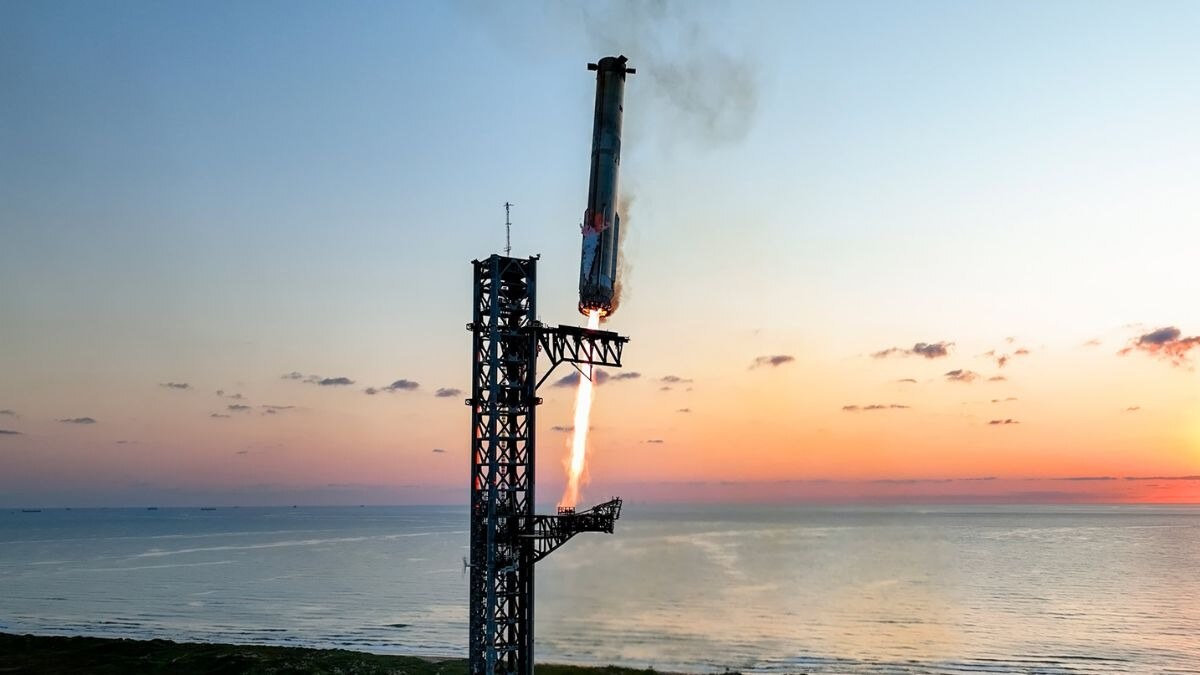
SpaceX's strategic share sale, priced at $421 per share, signals a calculated move to reclaim its top-tier valuation after OpenAI's $500 billion secondary market triumph. This isn't merely a financial maneuver, but a profound statement about the evolving landscape of technological innovation. Both companies represent audacious technological visions: SpaceX aiming to make human life multi-planetary, and OpenAI pursuing artificial general intelligence that could redefine human-machine interaction.
The deeper narrative here transcends individual companies. We're witnessing a broader surge in frontier-tech valuations, where investors are no longer treating advanced technology as speculative, but as critical infrastructure for humanity's next evolutionary stage. The involvement of strategic investors like Alphabet, which stands to gain significant paper value from SpaceX's valuation jump, underscores the interconnectedness of major technology players in this high-stakes ecosystem.
What makes this rivalry particularly compelling is its personal history: Musk and Altman's original partnership in founding OpenAI, followed by Musk's departure and subsequent lawsuit, adds a layer of human drama to a fundamentally technological competition. Their divergent paths—Musk with xAI and SpaceX, Altman with OpenAI—represent different philosophical approaches to technological development, with investors now casting their votes through unprecedented valuations.
The implications extend far beyond these two companies. This valuation war signals a critical inflection point where AI, space exploration, and advanced technologies are no longer seen as risky ventures, but as essential platforms for future human progress. Investors are essentially betting not just on companies, but on entire technological paradigms that could reshape civilization.
Questions 3
What makes these frontier technology investments different from traditional tech investments?
Unlike traditional tech investments focused on near-term revenue, frontier technology investments are long-term bets on paradigm-shifting capabilities. Investors are essentially funding potential technological revolutions in AI and space exploration that could fundamentally alter human capabilities and societal structures.
How does the Musk-Altman rivalry impact technological innovation?
Their competition drives accelerated innovation by creating a high-stakes environment where each company must continuously push technological boundaries. The personal history of their partnership-turned-rivalry adds competitive tension that motivates breakthrough developments in AI and space exploration.