




Defense Tech Boom: FPV Drone Countermeasures Drive $10.7M+ Military AI Market
- Israeli defense firms secure major US contracts for drone detection systems; sellers can capitalize on emerging tactical equipment and surveillance tech categories








Overview
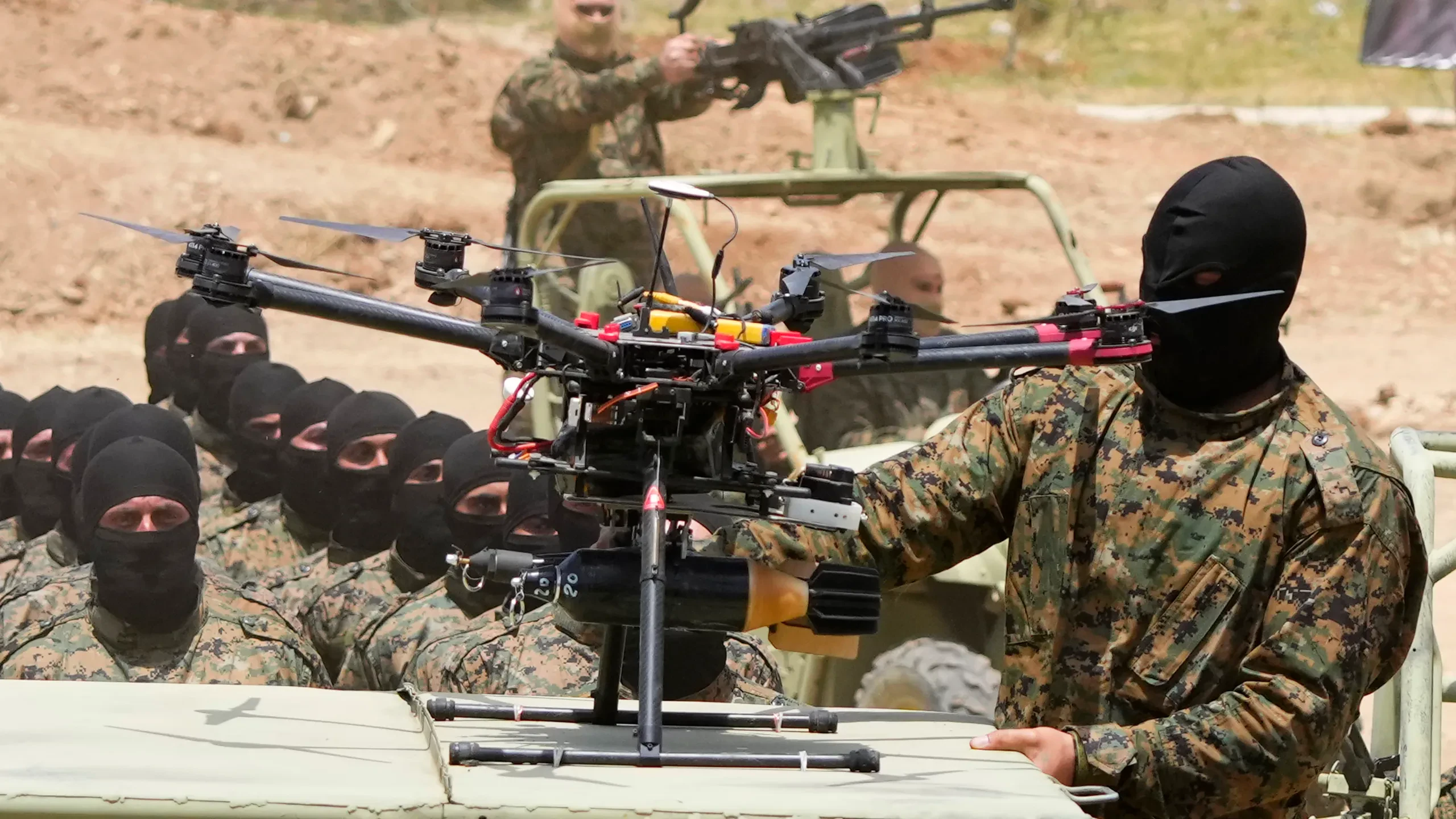
The escalating FPV (first-person-view) drone threat in the Middle East is catalyzing a significant defense technology market expansion with direct implications for cross-border sellers. According to the Alma Research and Education Center's May 11 report, over 80 fiber-optic-guided FPV explosive drones have been deployed against Israeli forces in recent weeks, resulting in 5 deaths and dozens of injuries, with a 20% hit rate. This urgency has triggered $10.7 million in US Army contracts for Israeli defense firms, signaling robust government spending on counter-drone solutions. The market opportunity extends beyond military procurement to commercial and civilian security applications.
Defense Technology Product Categories for Sellers: The news reveals three distinct product ecosystems emerging: (1) AI-powered fire control systems (Smart Shooter's SMASH platform), (2) thermal sensing and detection hardware (Axon Vision's EDGE ClearSky), and (3) physical countermeasures including net-launching interceptor drones (Xtend's Scorpio 1000 with ParaZero's DefendAir technology). Cross-border sellers can identify opportunities in drone detection accessories, thermal imaging components, AI software licensing, protective netting materials, and fiber-optic cable disruption equipment. The "layered defense" approach mentioned by defense officials indicates customers will purchase multiple complementary products—creating bundling opportunities for sellers offering integrated solutions.
Market Expansion Signals: The shift from tactical to potential strategic threats (coordinated drone swarms, as witnessed in Ukraine) suggests sustained demand growth. Israeli defense firms receiving US Army contracts indicates NATO and allied nations will likely increase procurement budgets for counter-drone systems. This creates a 12-18 month window for sellers to establish supply chains for emerging categories: drone detection sensors, AI-powered tracking software, protective equipment, and specialized netting materials. The jam-proof nature of fiber-optic guidance systems means traditional electronic warfare products face obsolescence, creating demand for next-generation solutions.
Seller Implications: Sellers in electronics, industrial equipment, and tactical gear categories should monitor defense procurement trends. The $10.7 million contract award suggests government budgets are flowing to proven solutions, but commercial variants and civilian security applications (airport protection, critical infrastructure) will follow. Sellers can source complementary products from Israeli tech firms or develop private-label versions of detection and protective equipment. The multi-layered defense requirement means customers will purchase across multiple categories, increasing average order value and repeat purchase frequency.
Questions 7
What product categories are emerging from the FPV drone threat response?
Three primary categories are expanding: AI-powered drone detection and tracking systems (like Smart Shooter's SMASH fire control platform), thermal imaging and sensor hardware for rapid target identification, and physical countermeasures including net-launching interceptor drones and protective netting. The Alma Research Center reports over 80 FPV drones deployed in recent weeks, driving urgent procurement. Sellers can source components for these systems or develop private-label detection equipment. The multi-layered defense approach means customers purchase across all three categories, increasing cross-selling opportunities and average order values for tactical equipment sellers.
How does the $10.7 million US Army contract signal market opportunity for sellers?
Smart Shooter's $10.7 million follow-up award from the US Army indicates sustained government spending on counter-drone solutions and validates the market demand. This contract signals that NATO and allied nations will increase procurement budgets for similar systems over the next 12-18 months. Sellers can capitalize by establishing supply chains for drone detection sensors, AI software components, thermal imaging equipment, and protective materials. Government contracts typically lead to commercial variants and civilian security applications (airport protection, critical infrastructure), creating downstream demand for sellers offering complementary products and accessories.