

Cuba Market Reopening Risk | Tariff Arbitrage Window Before Sanctions Relief
- $100M US aid package signals potential sanctions lift; sellers face 60-90 day window to exploit tariff gaps before Cuba market normalizes and competition intensifies
)





























Overview
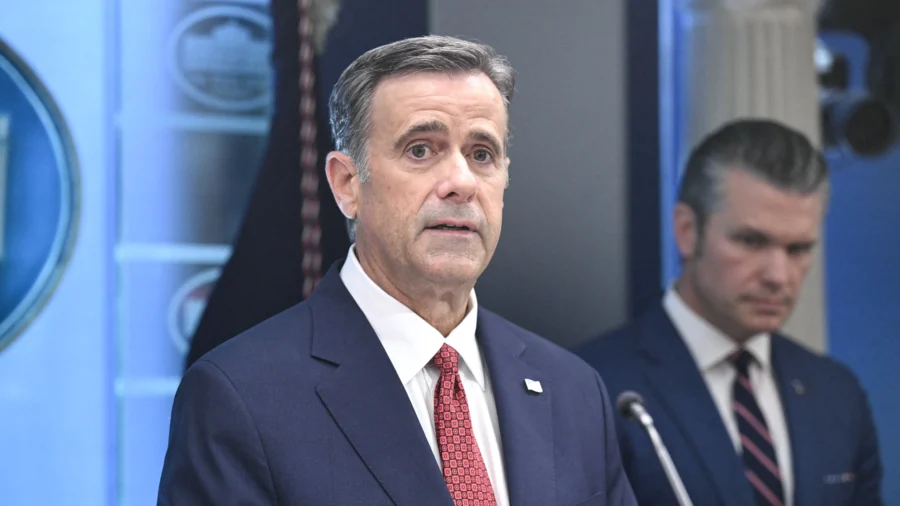
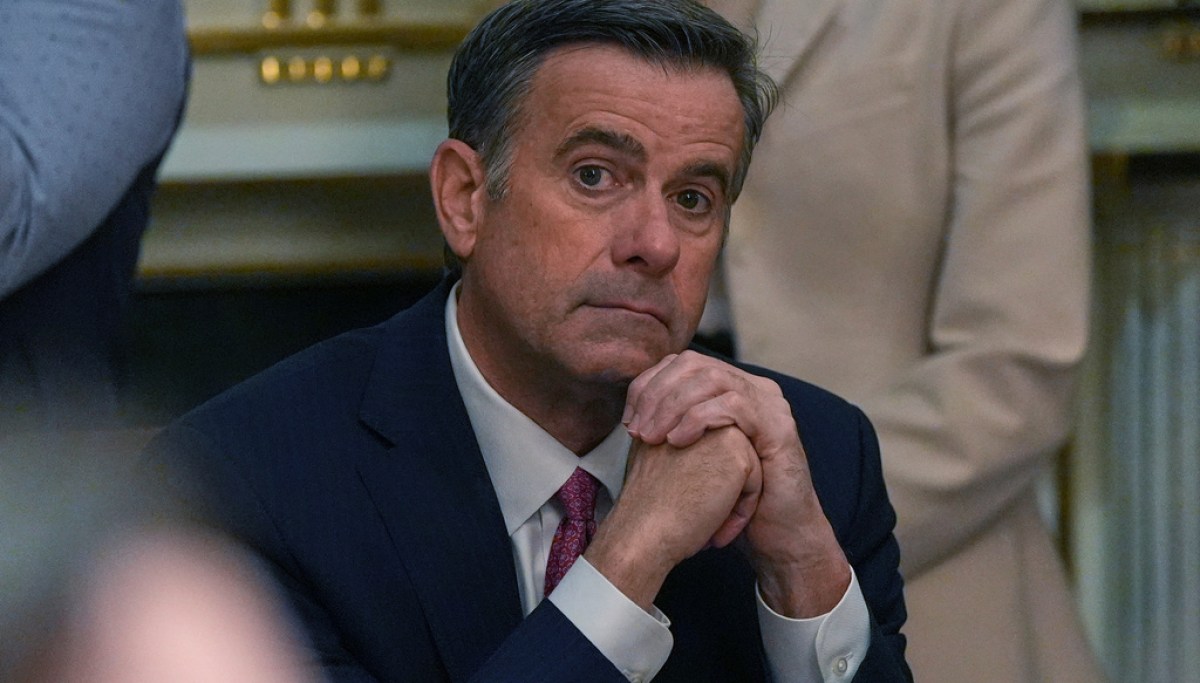
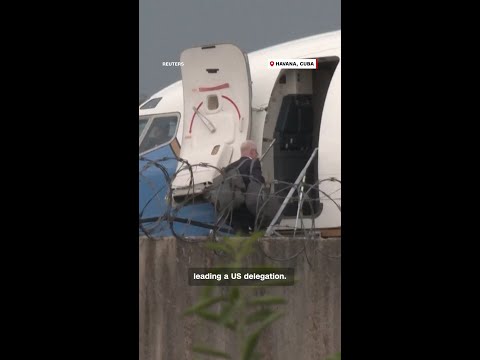
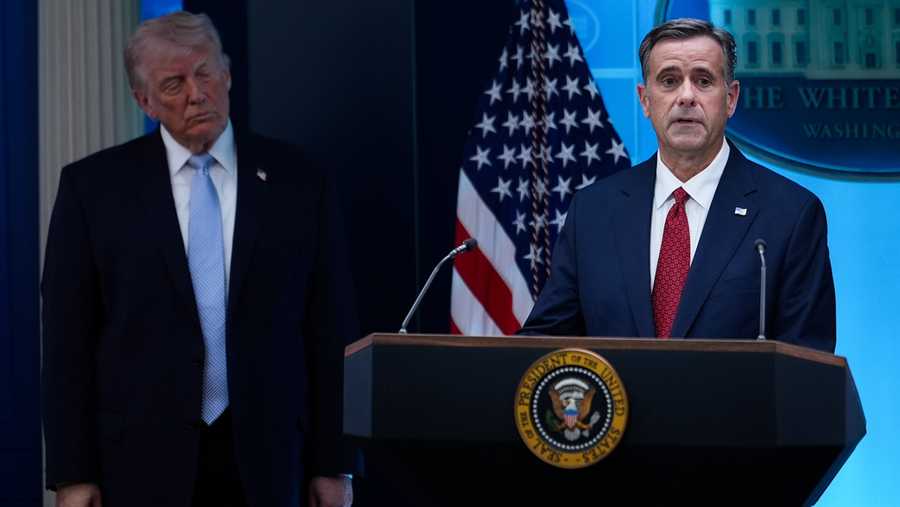
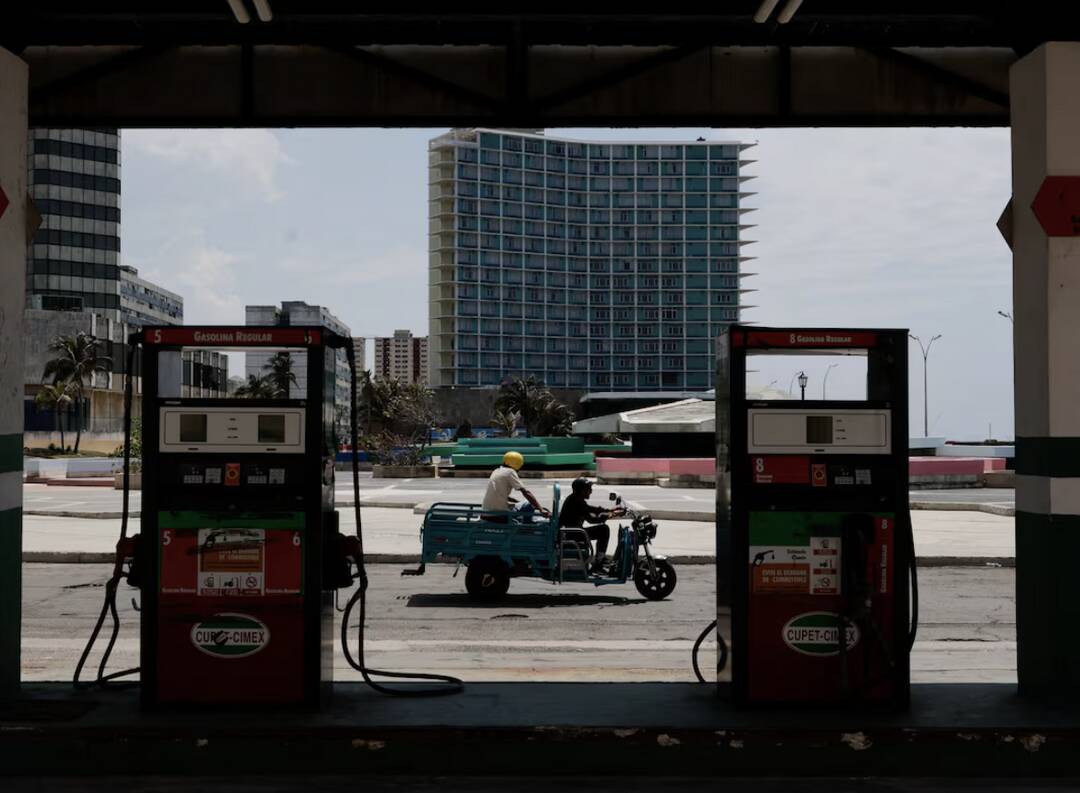
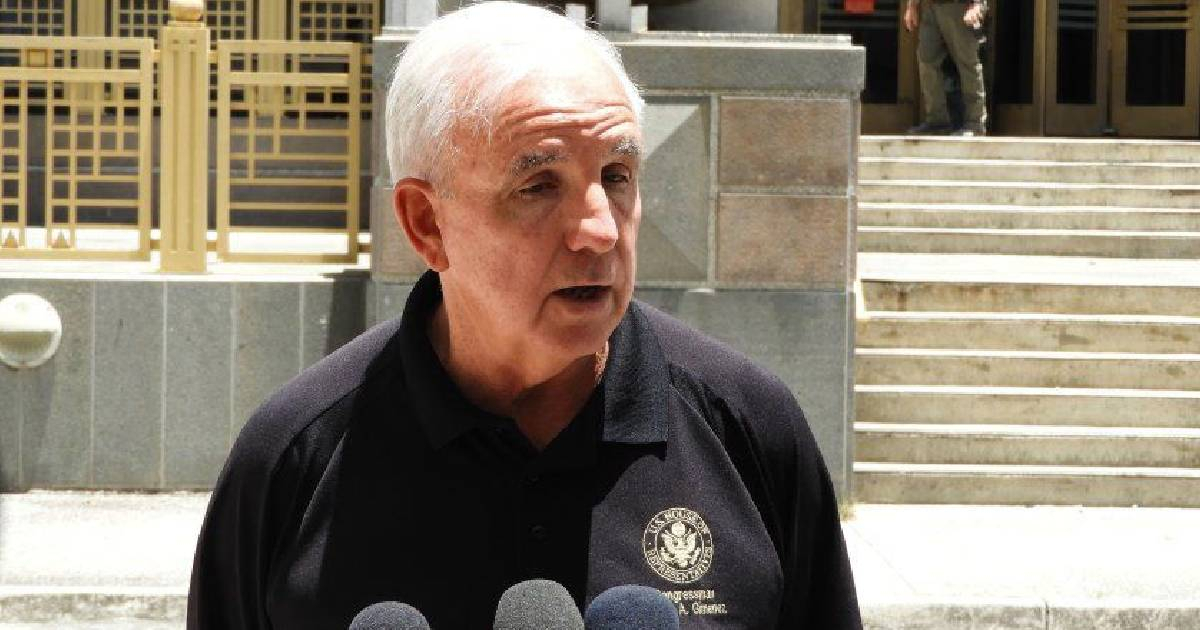
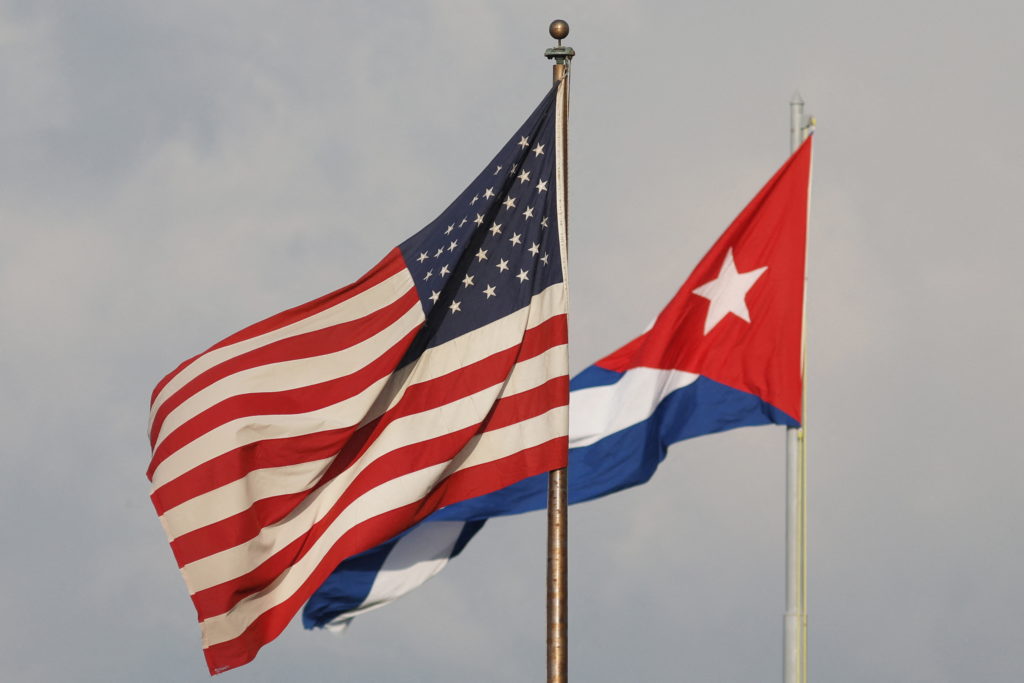
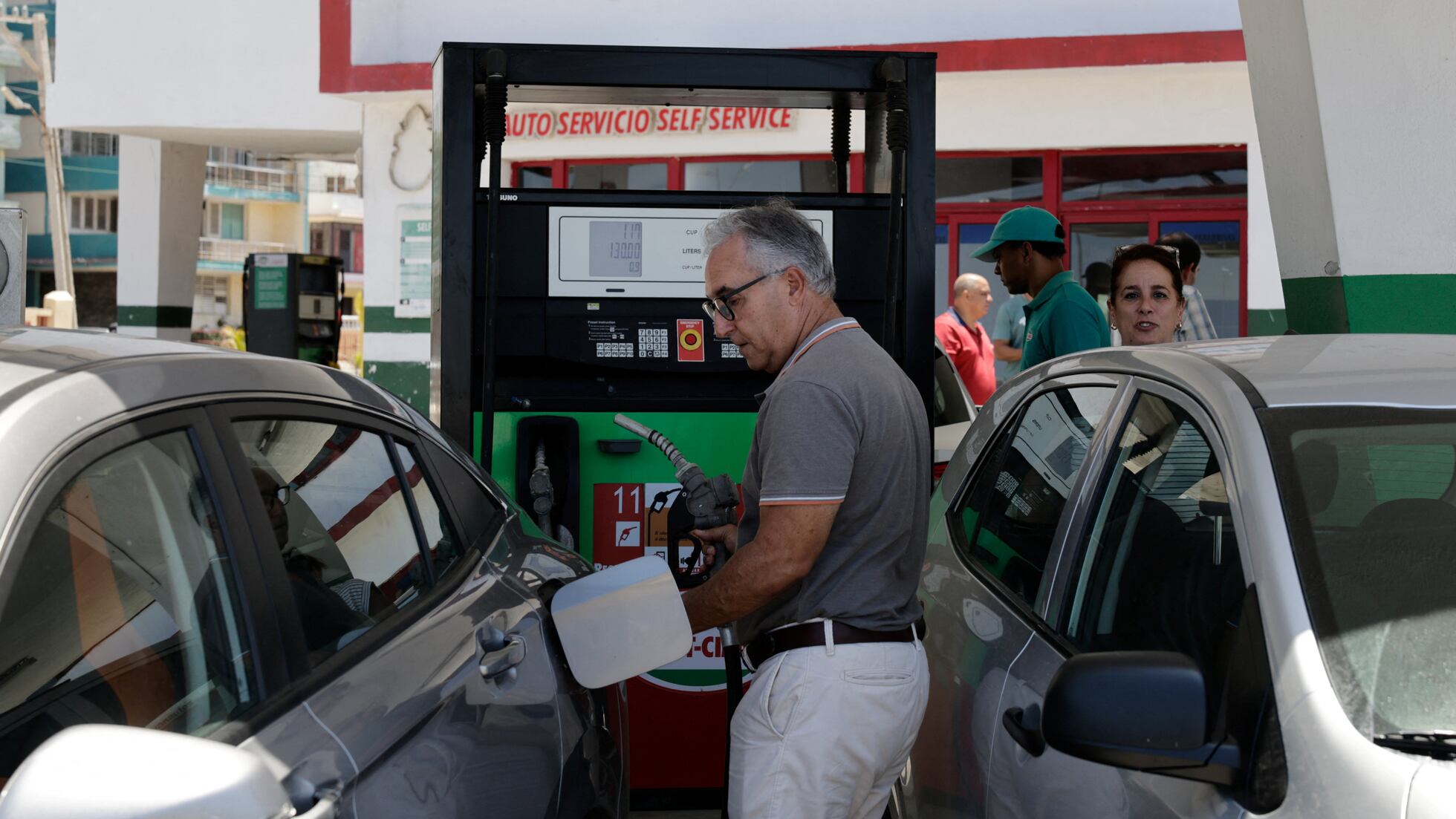
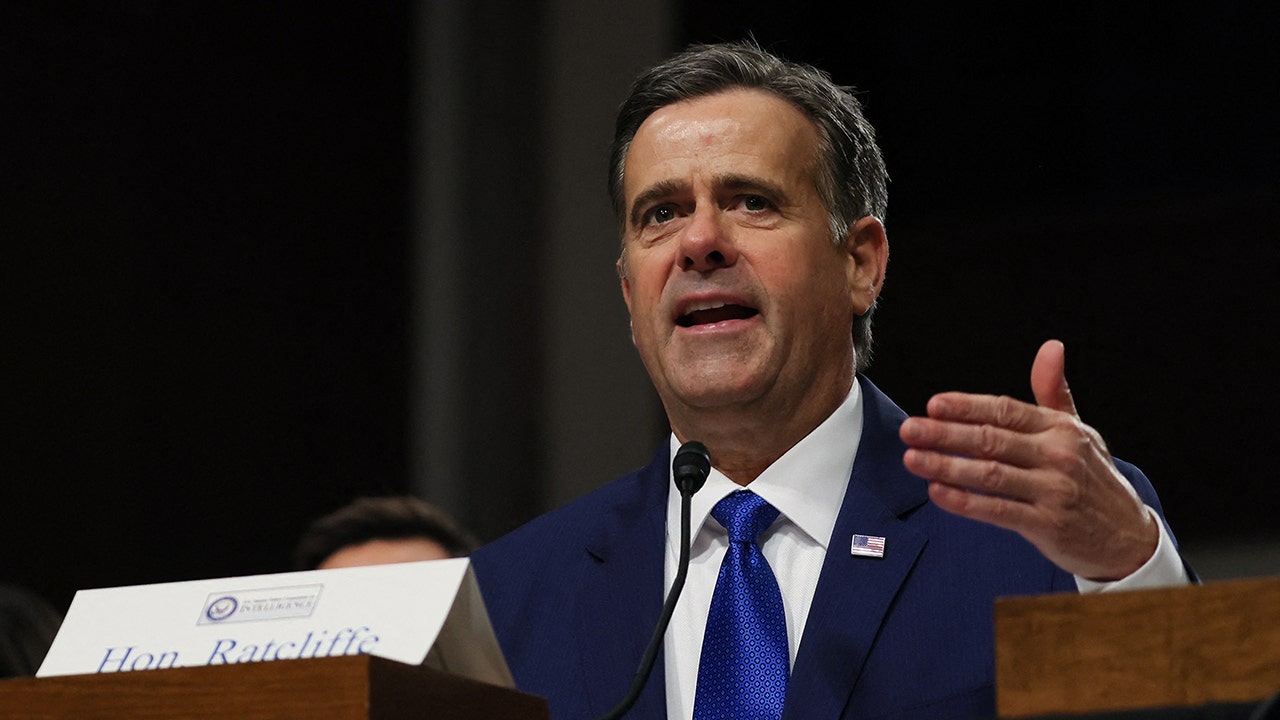
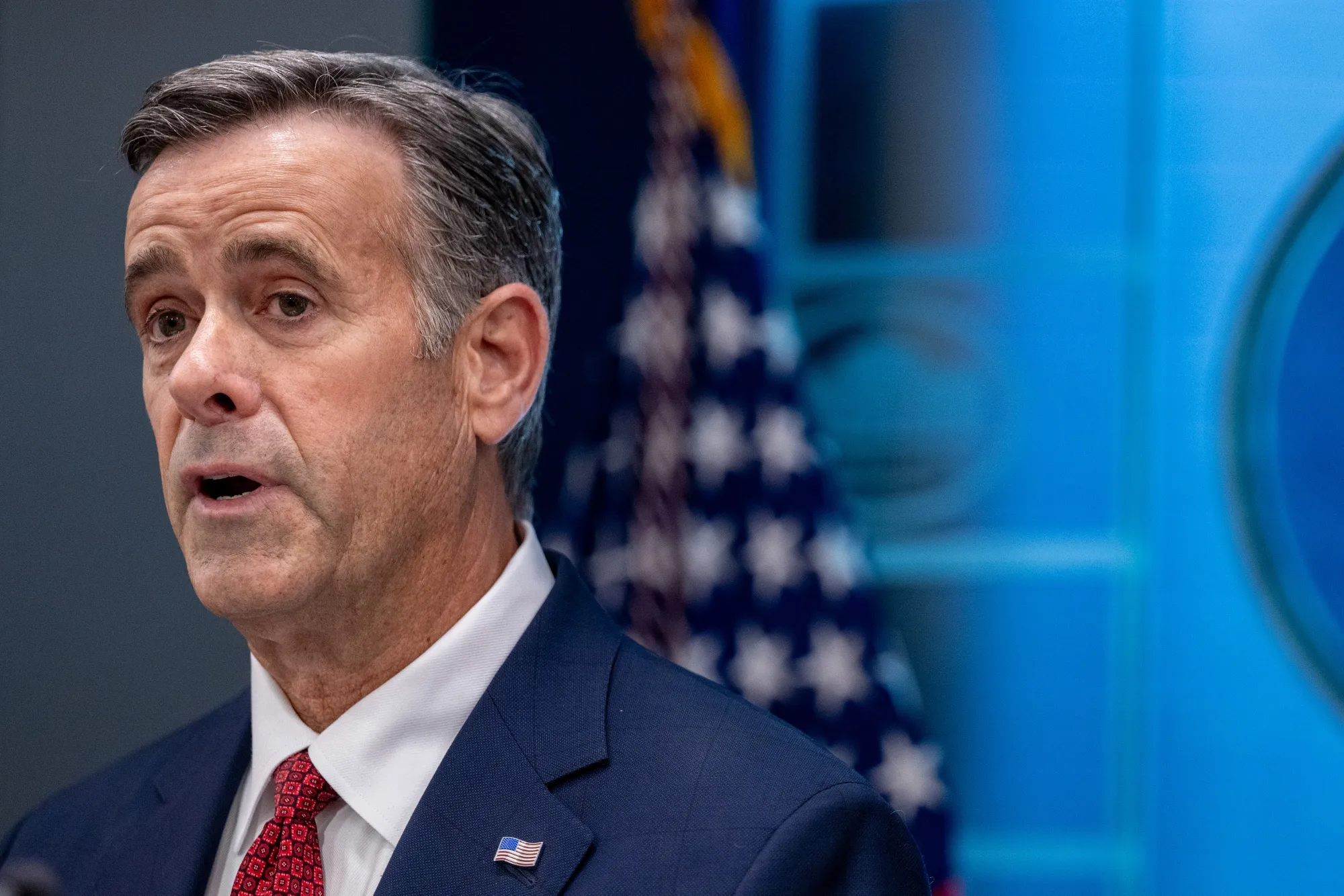
The May 2026 CIA-Cuba negotiations represent a critical inflection point for cross-border sellers targeting Latin American markets. With a $100 million US aid package on the table and CIA Director Ratcliffe's diplomatic visit signaling serious engagement, the probability of sanctions relief has shifted materially. This creates a time-sensitive arbitrage opportunity: sellers can currently exploit Cuba's 60% fuel deficit and infrastructure collapse to position premium-priced products (generators, solar equipment, water purification, medical supplies, food preservation systems) at 40-60% markups before the market normalizes post-sanctions.
The tariff arbitrage window is closing. Currently, US tariffs on goods destined for Cuba remain punitive (averaging 25-35% on most categories), but the Trump administration's conditional framework—demanding political liberalization and prisoner releases—suggests a phased sanctions relief model. Once negotiations conclude (CIA warned the window "will not stay open indefinitely"), tariff rates will likely drop 15-25 percentage points, compressing margins for sellers who haven't already captured market share. The 10 million Cuban population represents a $2-3B annual consumption market that has been artificially constrained; early movers in essential categories (HS 8504 - electrical machinery, HS 3822 - diagnostic reagents, HS 2106 - food preparations) can establish distribution networks before mainstream competitors enter.
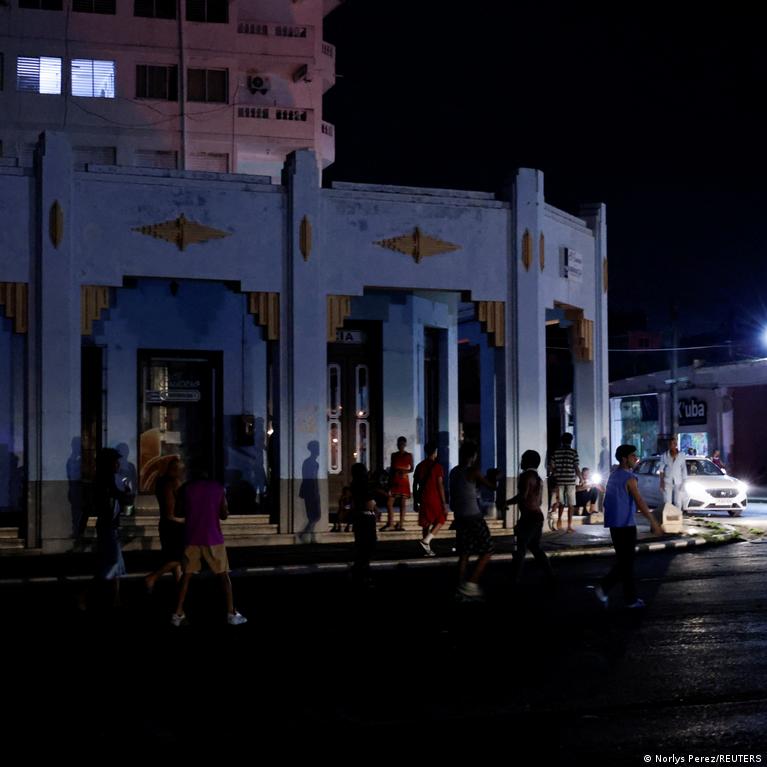
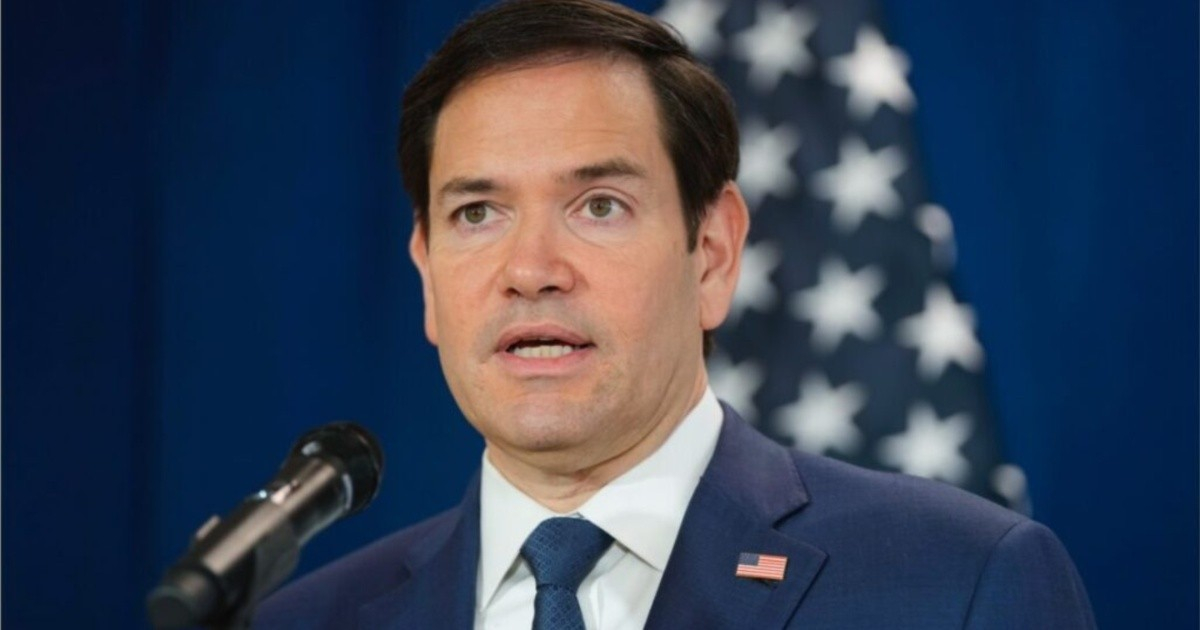
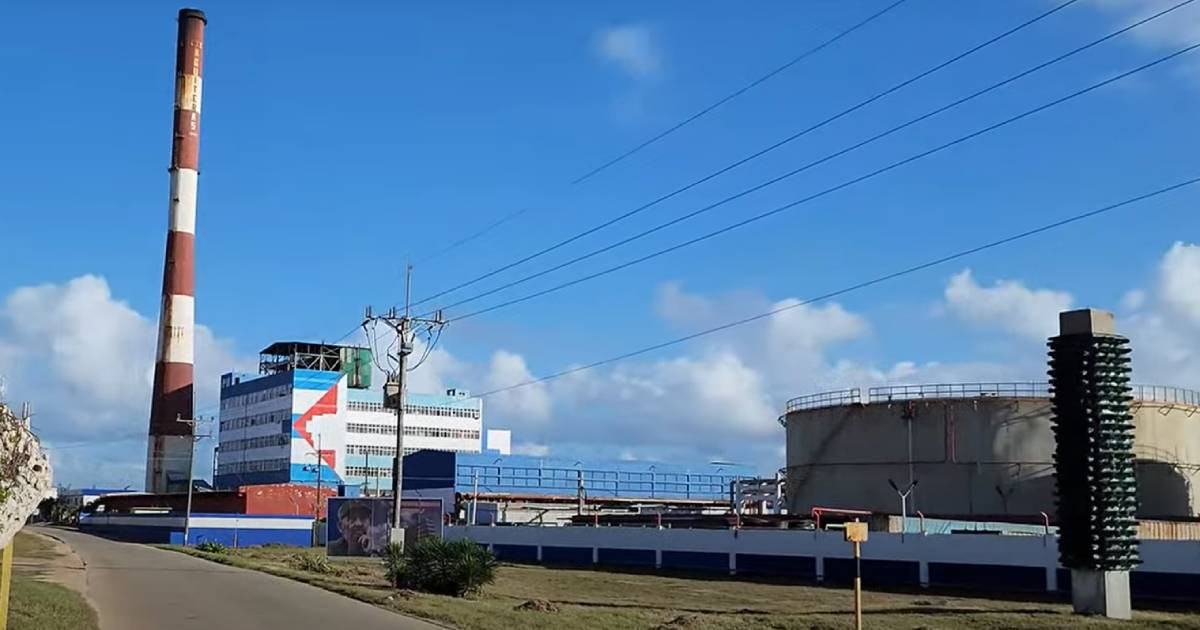
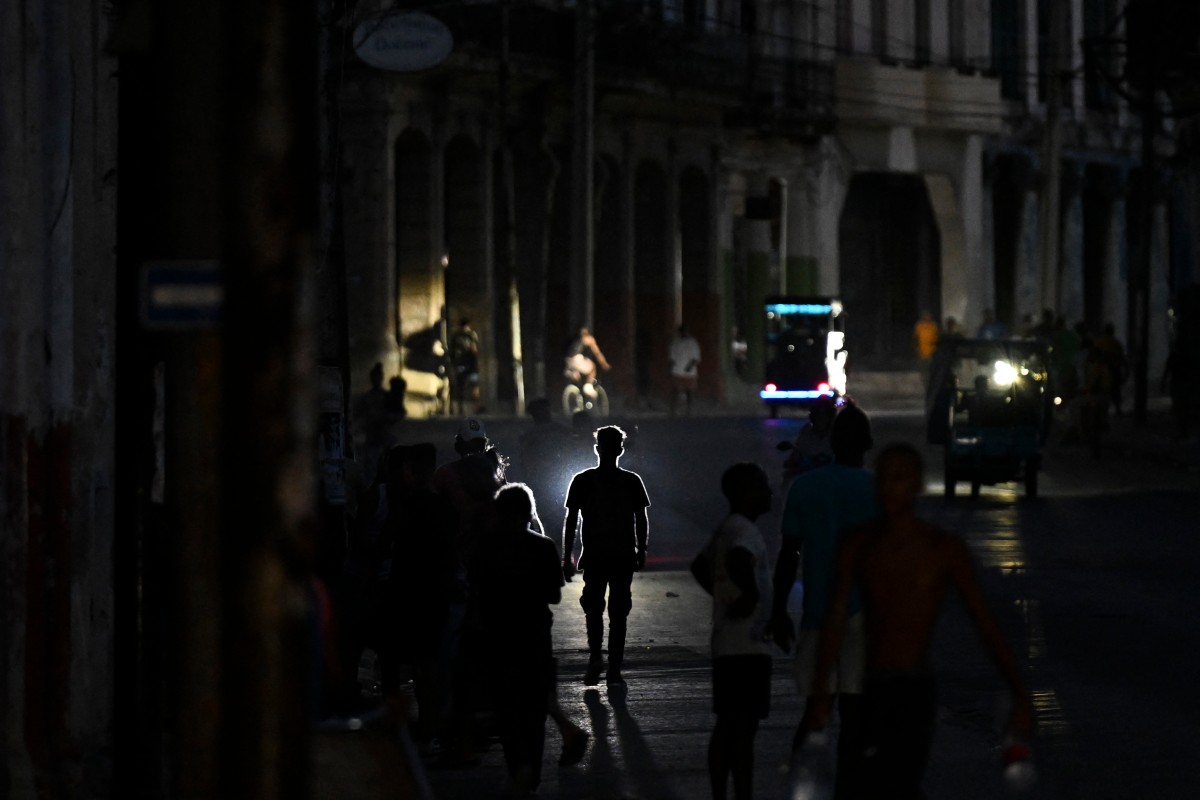
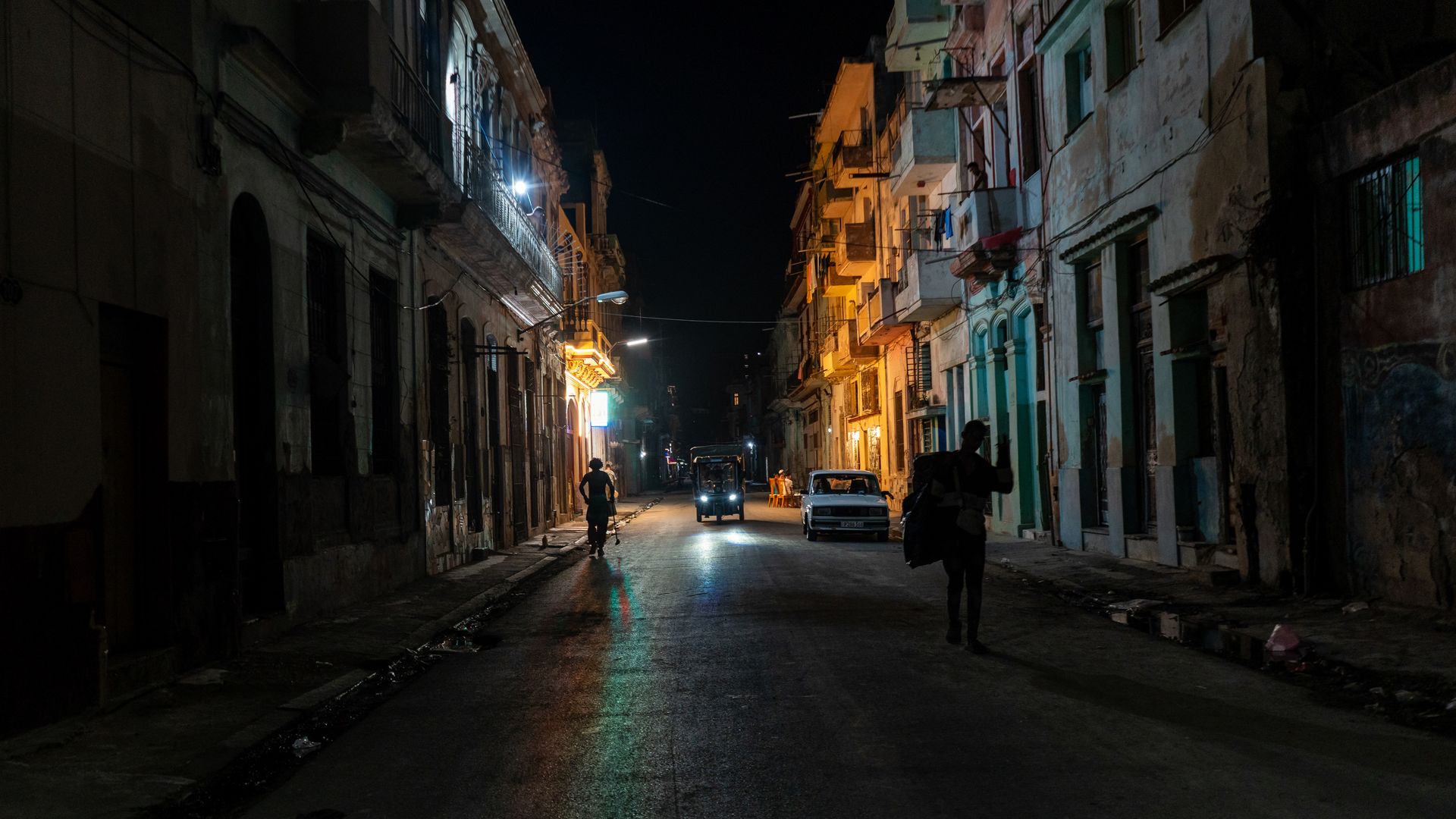
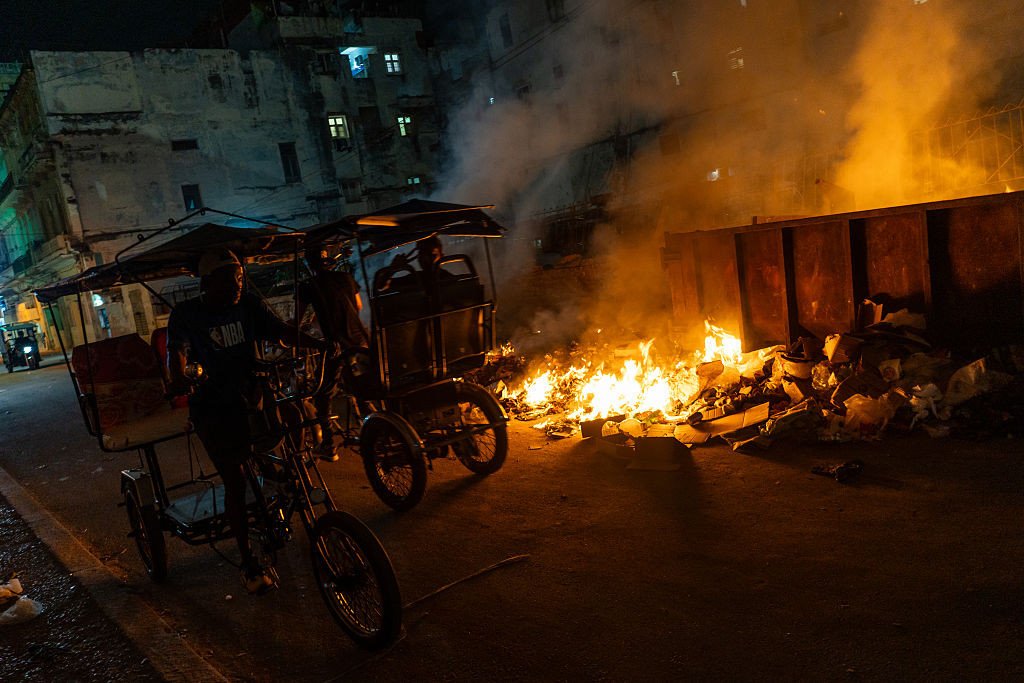
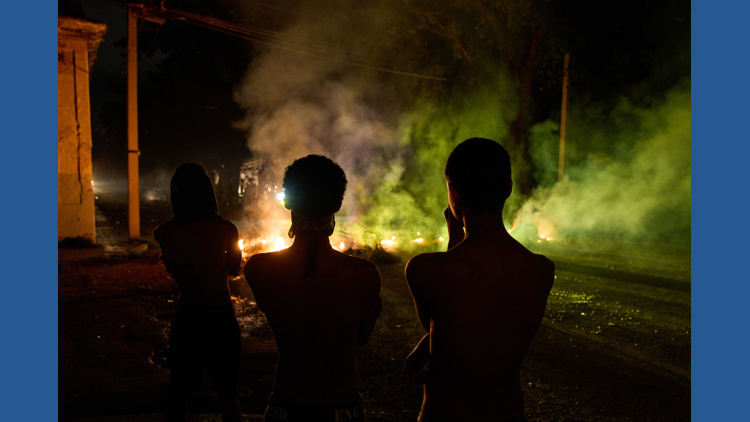
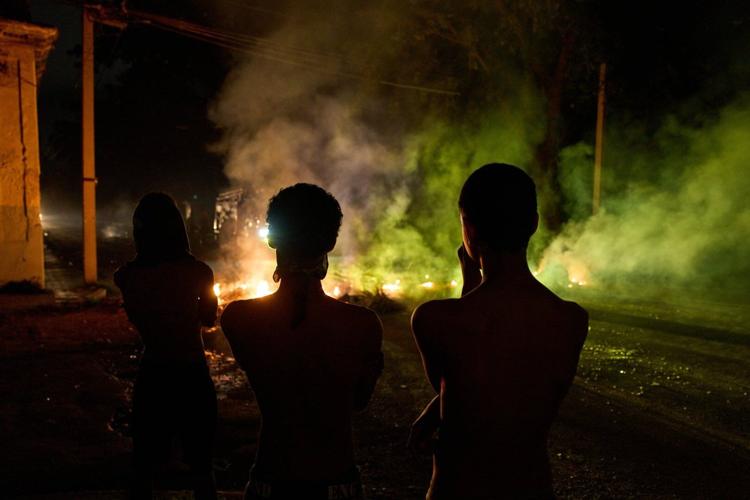
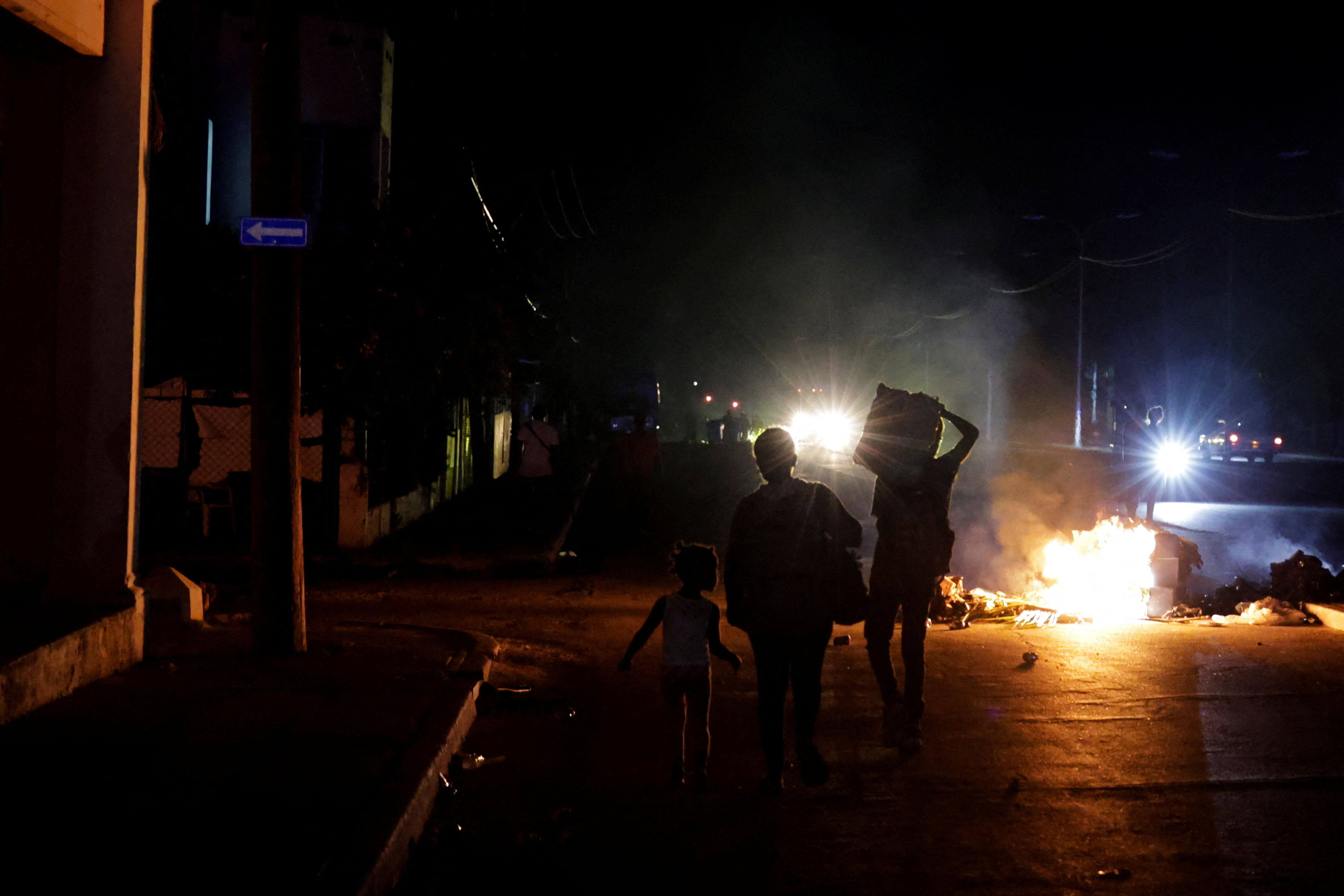
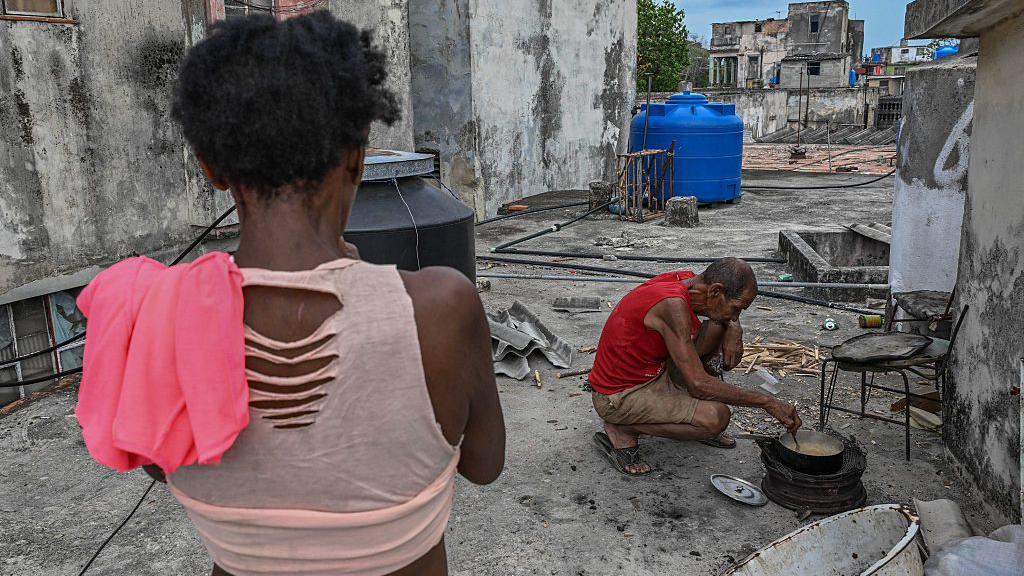
Infrastructure collapse creates category-specific demand spikes. The May 14 blackout affecting eastern provinces (Guantánamo to Ciego de Ávila) and rolling 24-hour outages in Havana have created acute shortages in power generation equipment, refrigeration systems, and medical supplies. Hospitals canceling surgeries and food spoilage from failed refrigeration indicate immediate procurement needs. Sellers with inventory in portable generators (HS 8502), solar panels (HS 8541), battery systems (HS 8507), and medical equipment (HS 9018) can command 50-80% premiums through Caribbean distribution channels. The Catholic Church's role in distributing the $100M aid package (per Secretary Rubio's conditional offer) creates a legitimate distribution pathway that bypasses direct government sanctions.
Competitive positioning requires immediate action. Small-to-medium sellers (annual revenue $500K-$5M) have a 30-45 day advantage before large competitors (Amazon, Alibaba, major distributors) establish formal Cuba operations. The key is securing Caribbean logistics partners (Puerto Rico, Dominican Republic, Jamaica) who can legally transship goods to Cuba under humanitarian exemptions. Sellers should immediately audit their HS code tariff classifications for Cuba-bound shipments; many categories currently classified at 35% tariffs could drop to 10-15% post-sanctions, meaning current pricing strategies will become uncompetitive. The negotiation timeline (CIA emphasized urgency) suggests a decision point within 60-90 days, making Q3 2026 the critical window for market entry before tariff normalization eliminates the arbitrage spread.
Questions 7
Should small sellers prioritize Cuba market entry or focus on established Latin American markets?
Small sellers ($500K-$5M annual revenue) should prioritize Cuba entry NOW due to the compressed competitive window. Established markets (Mexico, Brazil, Colombia) have mature competition and lower margins (8-15%). Cuba offers 40-60% margin premiums for 60-90 days before normalization. The entry cost is low: identify a Caribbean 3PL partner ($2-5K setup), source inventory in high-demand categories (generators, solar, medical), and launch through humanitarian distribution channels. The risk-reward is favorable: if sanctions relief occurs, early movers capture 20-30% market share before competitors enter; if negotiations fail, sellers can pivot inventory to other Caribbean markets. The key is speed: Q3 2026 is the critical window before large competitors recognize the opportunity.
What tariff rates apply to goods shipped to Cuba right now versus post-sanctions relief?
Current tariffs on most goods destined for Cuba average 25-35% under Trump's January 2026 sanctions framework, with some categories (electronics, machinery) reaching 40%. Post-sanctions relief, rates are projected to drop to 10-15% for most categories, representing a 15-25 percentage point compression. For example, portable generators (HS 8502) currently face 32% tariffs; post-relief, expect 12-15%. This margin compression means sellers must capture market share NOW at premium pricing before competitors enter at normalized tariff rates. The CIA's May 14 visit signals negotiations could conclude within 60-90 days, making Q3 2026 the critical window.