
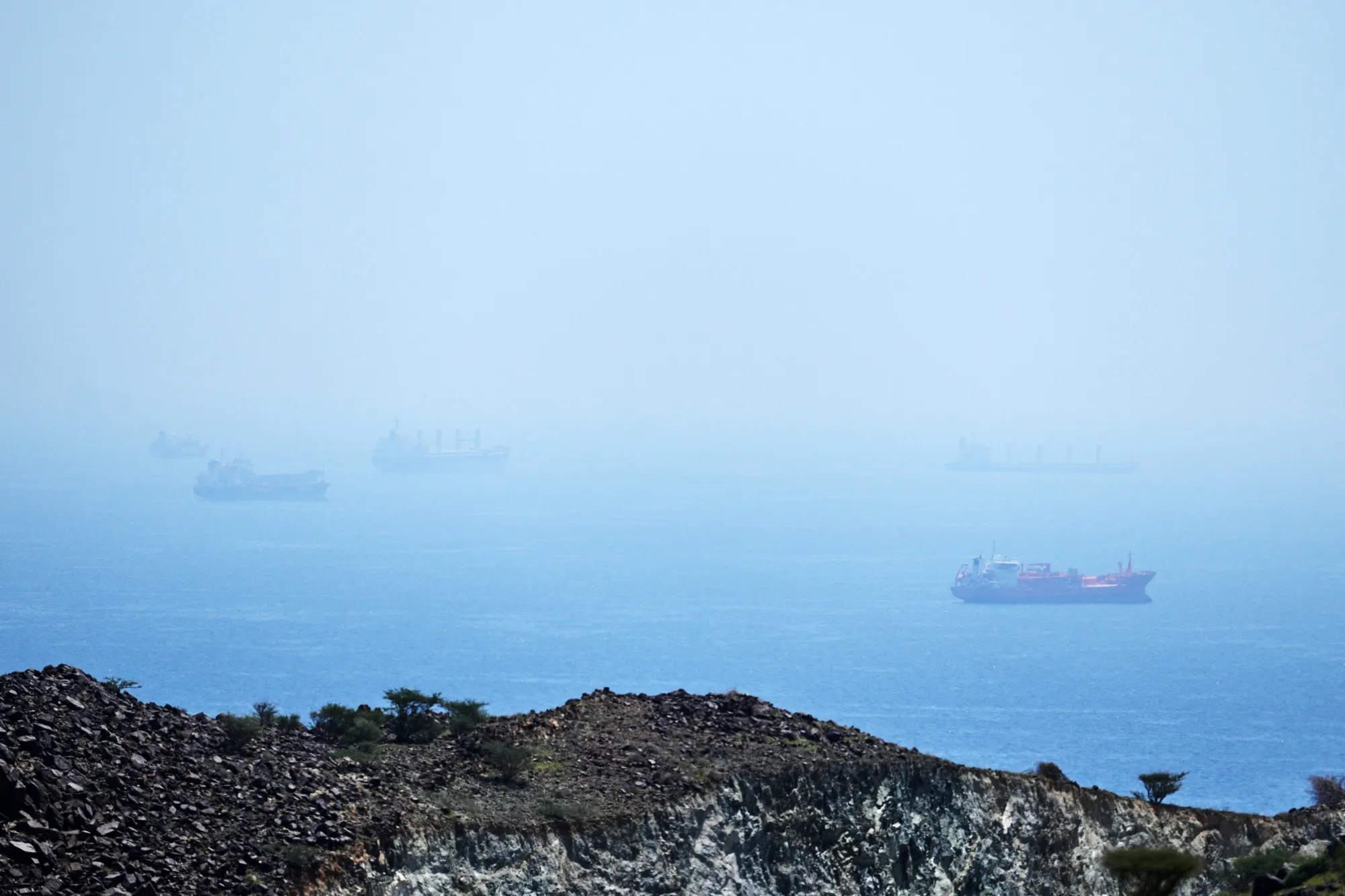


Persian Gulf Maritime Disruption | Shipping Delays & Tariff Arbitrage Opportunities for Cross-Border Sellers
- Third vessel seizure in May 2026 escalates supply chain risks; sellers face 15-25% shipping cost increases and 2-4 week delays on Middle East/Asia routes















Overview
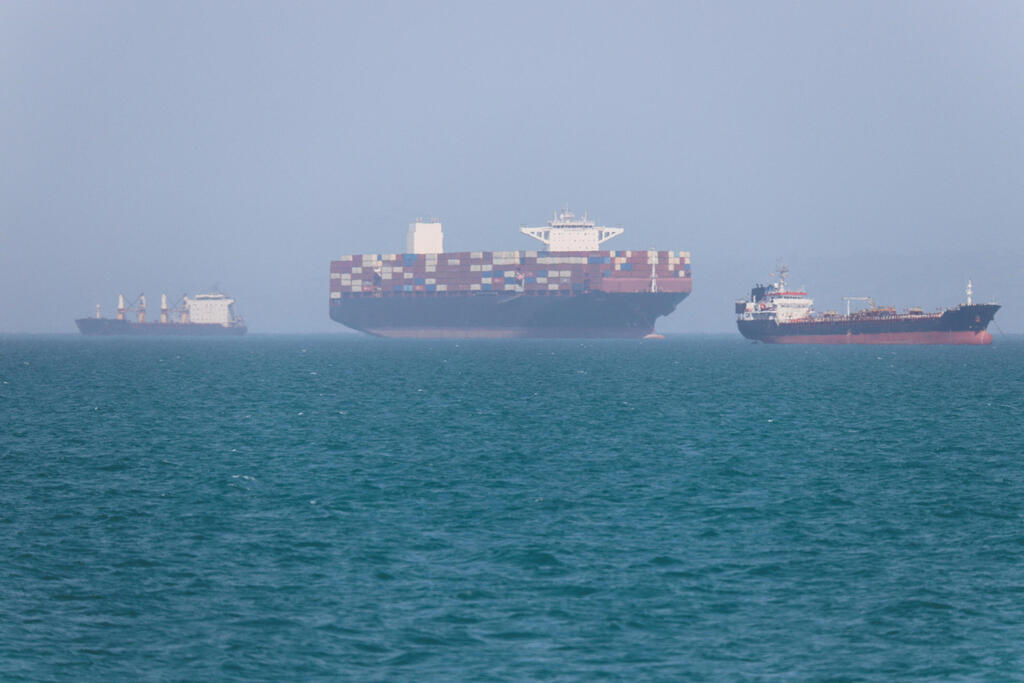
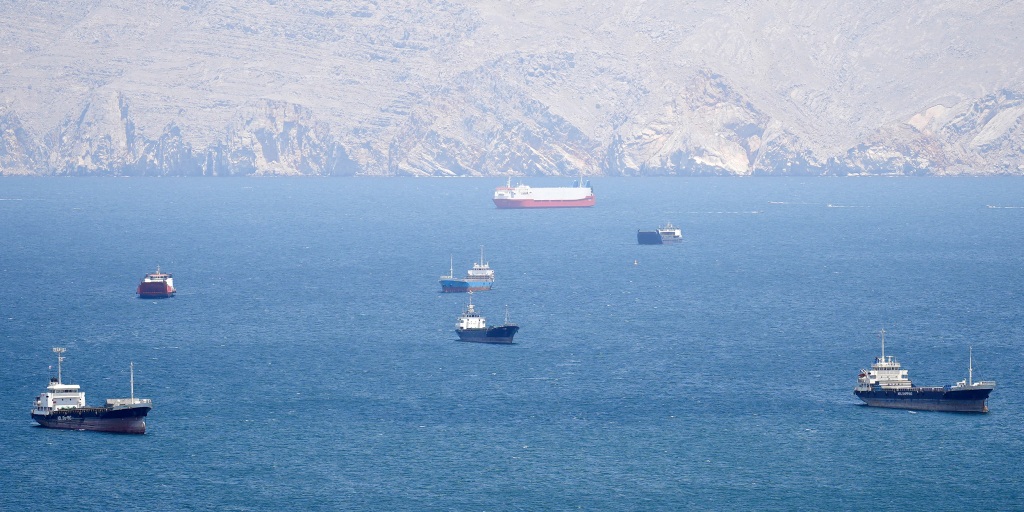
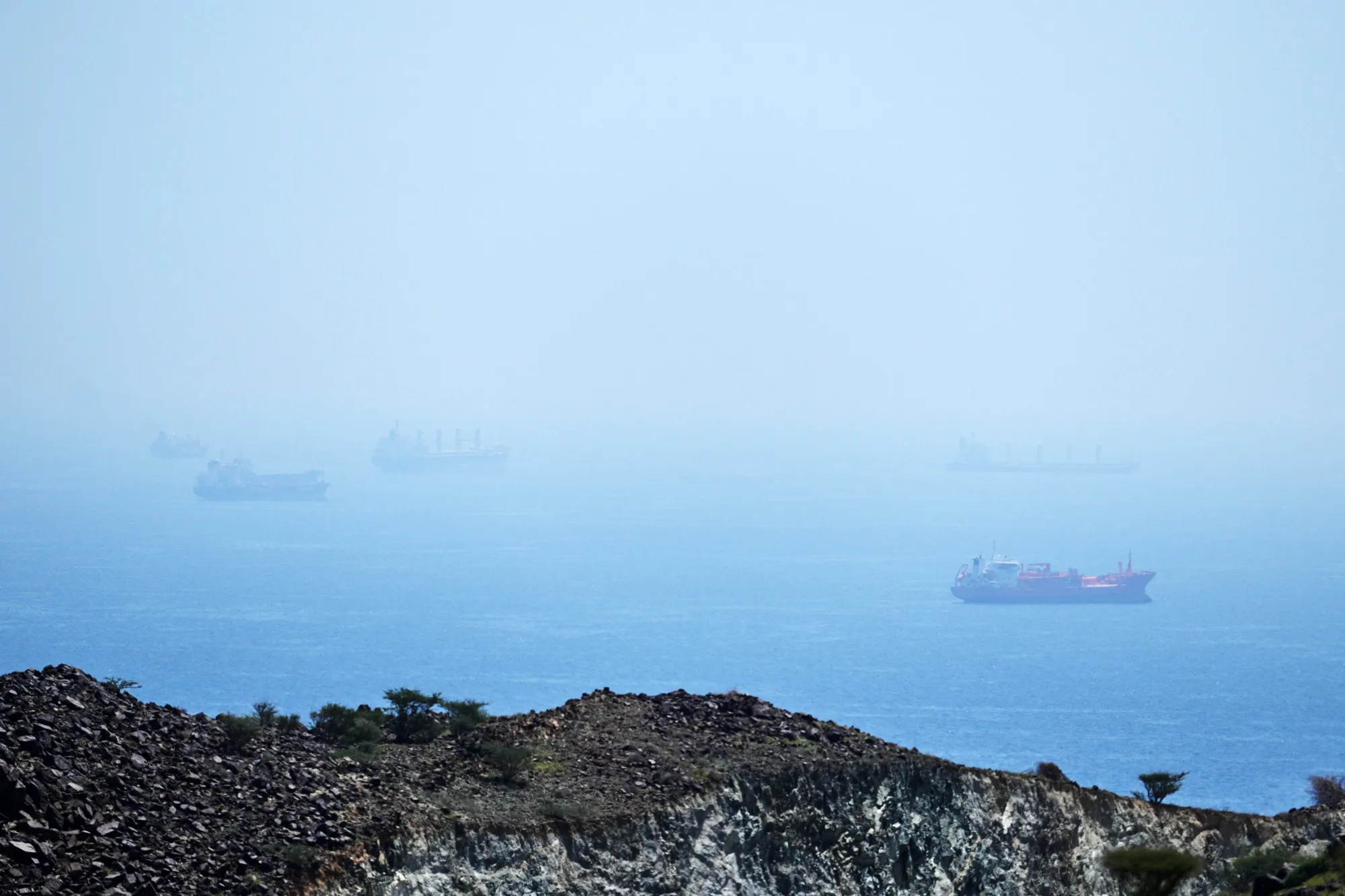
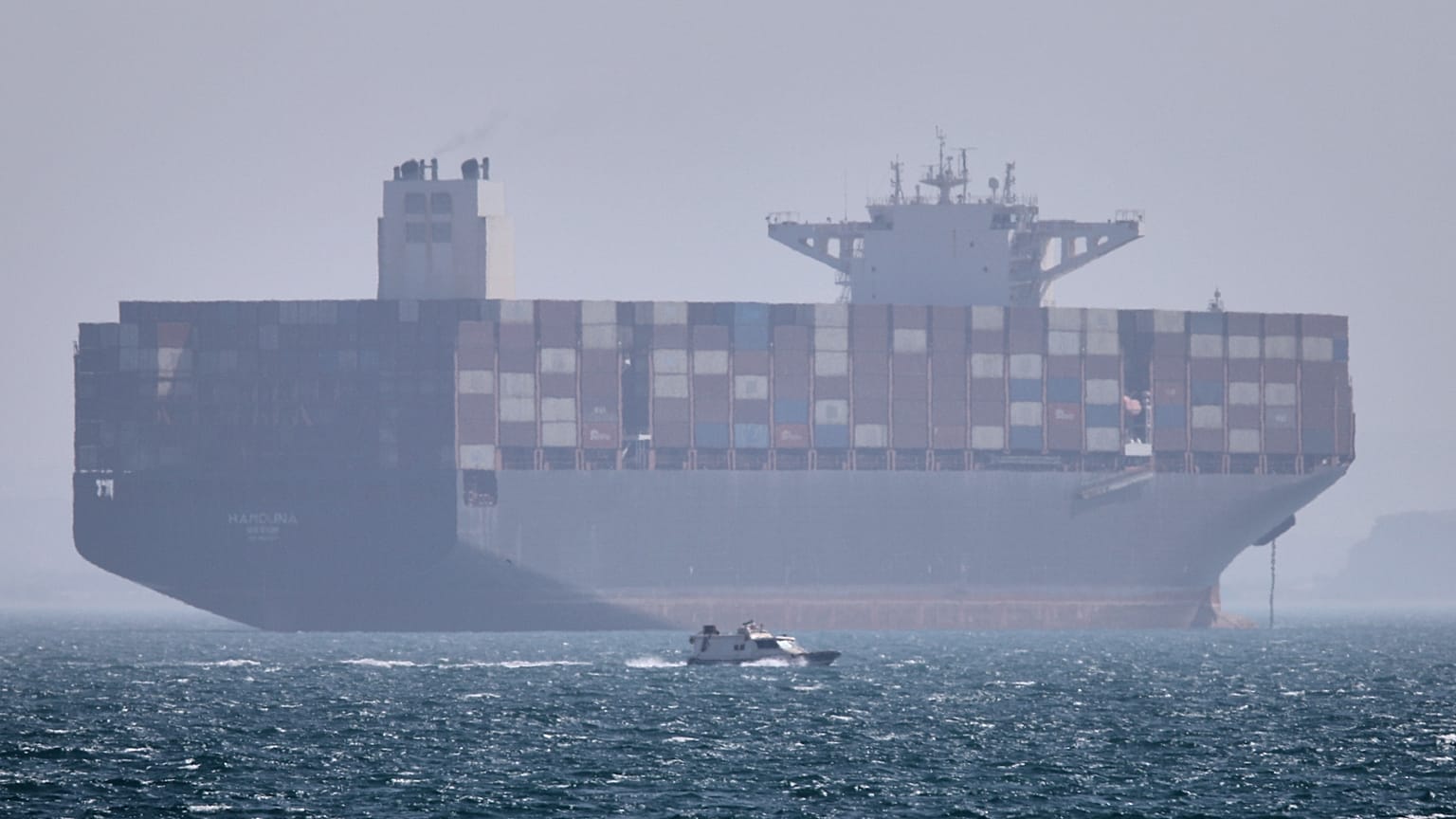
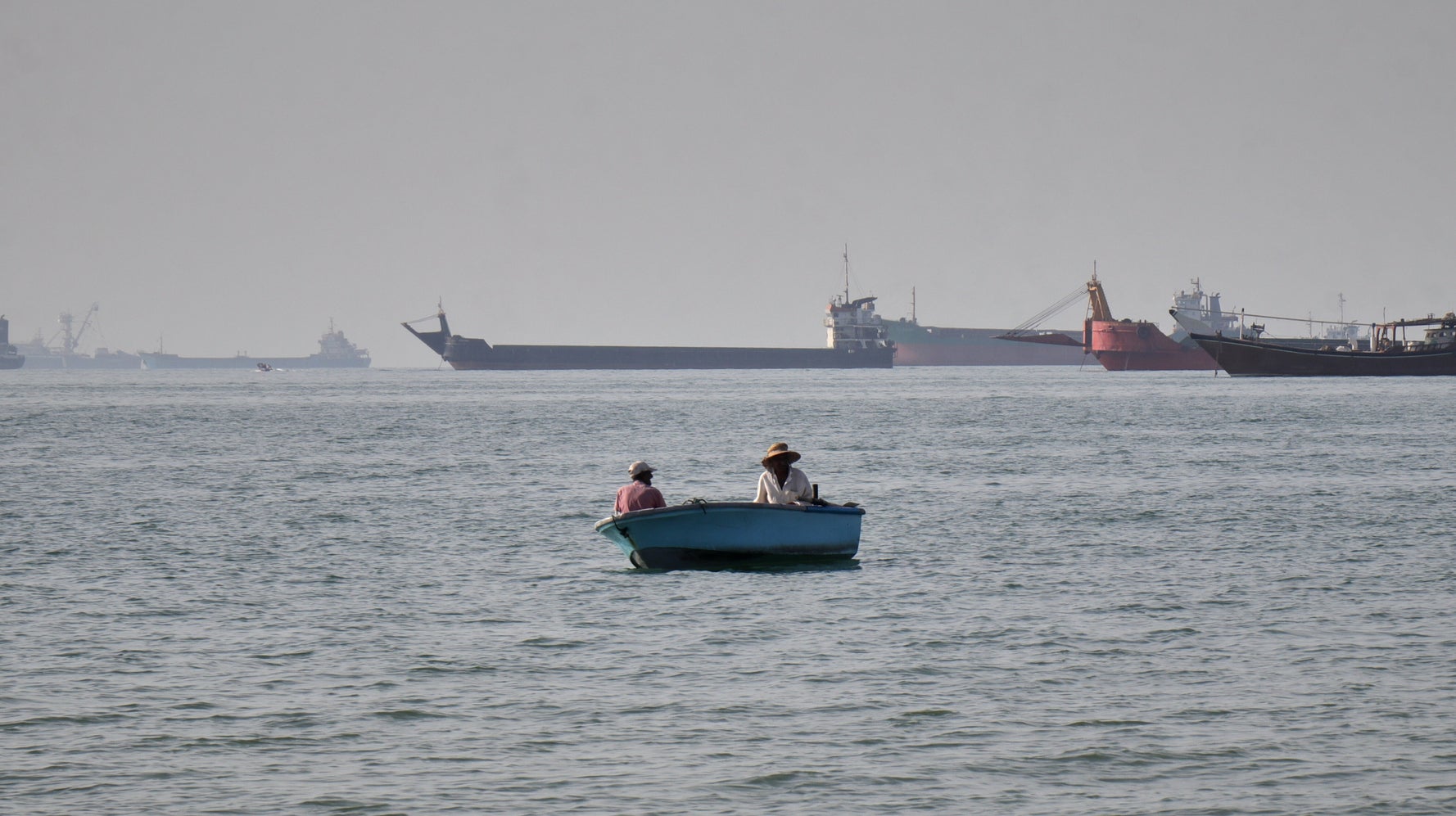
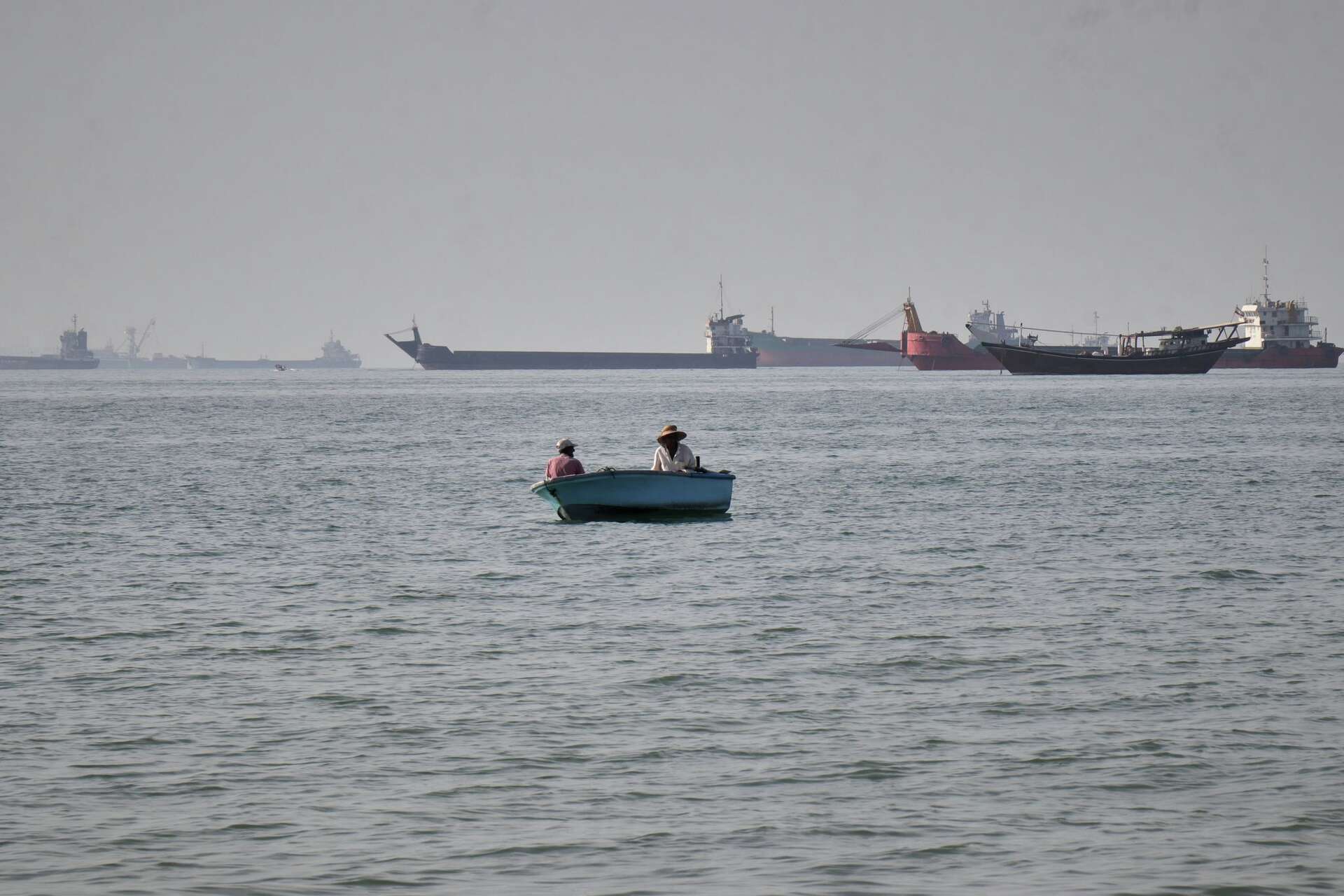
The May 14, 2026 seizure of the Honduras-flagged fishing vessel Hui Chuan off UAE's Fujairah port—the third Iranian capture since February 28, 2026—signals escalating maritime security risks in the Persian Gulf, a critical corridor handling 30% of global seaborne oil trade and substantial containerized cargo volumes. While the news summary dismisses direct e-commerce relevance, this geopolitical escalation creates significant supply chain disruptions affecting cross-border sellers' sourcing strategies, shipping costs, and inventory planning.
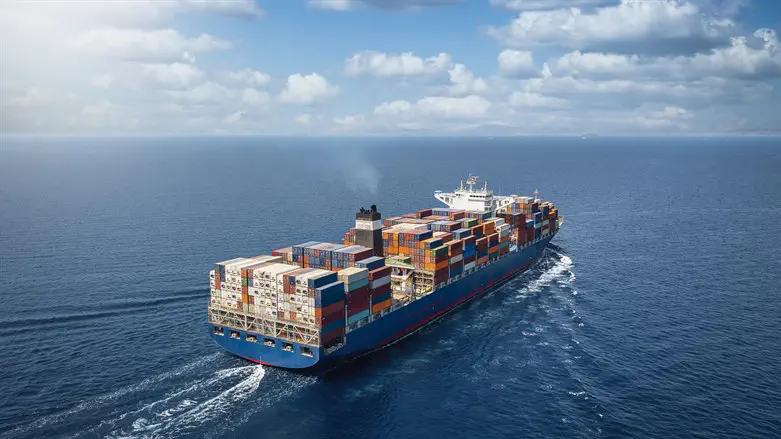
Supply Chain Cost Impact: The ongoing conflict and vessel seizures are driving shipping companies to reroute cargo away from the Strait of Hormuz (the world's most critical chokepoint, handling 21% of global petroleum trade). This forces longer routing via the Suez Canal or around Africa, adding 10-15 days to transit times and increasing freight costs by 15-25% for sellers importing from Asia to Middle East/Europe markets. Sellers sourcing electronics, textiles, and machinery from Vietnam, India, and Thailand—increasingly popular alternatives to China—face elevated logistics costs that compress margins by 8-12% on standard product categories.
Tariff Arbitrage Opportunities: The disruption creates strategic sourcing shifts. Sellers currently importing from China via Persian Gulf ports face 2-4 week delays and insurance premium increases (maritime risk premiums up 40-60% in conflict zones). This accelerates the shift toward Vietnam (HS codes 6204, 6205 apparel; 8471 electronics) and India (HS 2709 petroleum products, 7210 steel) sourcing, where tariff rates to EU/US markets are often 2-4% lower than China equivalents. Sellers can exploit this window: renegotiating supplier contracts with Vietnam/India-based manufacturers now locks in cost advantages before competitors catch on.
Market Access Shifts: The UAE's Fujairah port—a critical transshipment hub for 3.5M barrels daily—faces operational uncertainty. Sellers relying on Fujairah for inventory consolidation or re-export to African/European markets should diversify to Jebel Ali (Dubai) or Salalah (Oman). This geographic shift opens opportunities for sellers specializing in Middle East/Africa fulfillment to establish regional 3PL partnerships, capturing margin expansion of 5-8% through localized inventory positioning.
Competitive Advantage: Small-to-medium sellers (SMBs) with flexible sourcing can capitalize faster than large enterprises locked into long-term China supply contracts. Sellers with existing Vietnam/India supplier relationships gain 30-45 day competitive advantage before larger competitors renegotiate terms. The timing window is critical: shipping rate premiums typically persist 60-90 days post-escalation before market stabilization.
Questions 8
What compliance and insurance considerations apply to Persian Gulf shipping?
War risk insurance is now mandatory for Persian Gulf routes, adding 0.5-1.5% to freight costs. Sellers must verify that 3PL providers carry adequate coverage for conflict zones—standard marine insurance excludes war/seizure risks. Documentation requirements have tightened: AIS tracking (Automated Identification System) is now monitored by UKMTO (UK Maritime Trade Operations), and sellers should ensure suppliers provide real-time vessel tracking. Customs clearance delays have increased 5-7 days due to heightened security screening. Sellers should budget additional compliance costs of $500-1,500 per shipment and extend lead time estimates by 2-3 weeks for Persian Gulf routes.
How should sellers adjust inventory planning for 2026 given Persian Gulf disruptions?
Extend lead time assumptions by 2-4 weeks for Asia-to-Middle East routes and 1-2 weeks for Asia-to-Europe routes via Suez alternatives. Increase safety stock by 15-20% for fast-moving categories (electronics, apparel) to buffer against extended transit times. Pre-position inventory in regional 3PL hubs (Dubai, Salalah, Singapore) to maintain fulfillment speed while avoiding direct Persian Gulf routing. Reduce order batch sizes by 20-30% and increase order frequency to minimize inventory carrying costs during extended lead times. Budget 15-25% higher freight costs in Q2-Q3 2026 and plan for margin compression of 8-12% unless sourcing shifts to Vietnam/India are executed. Monitor UKMTO advisories weekly for route updates.