

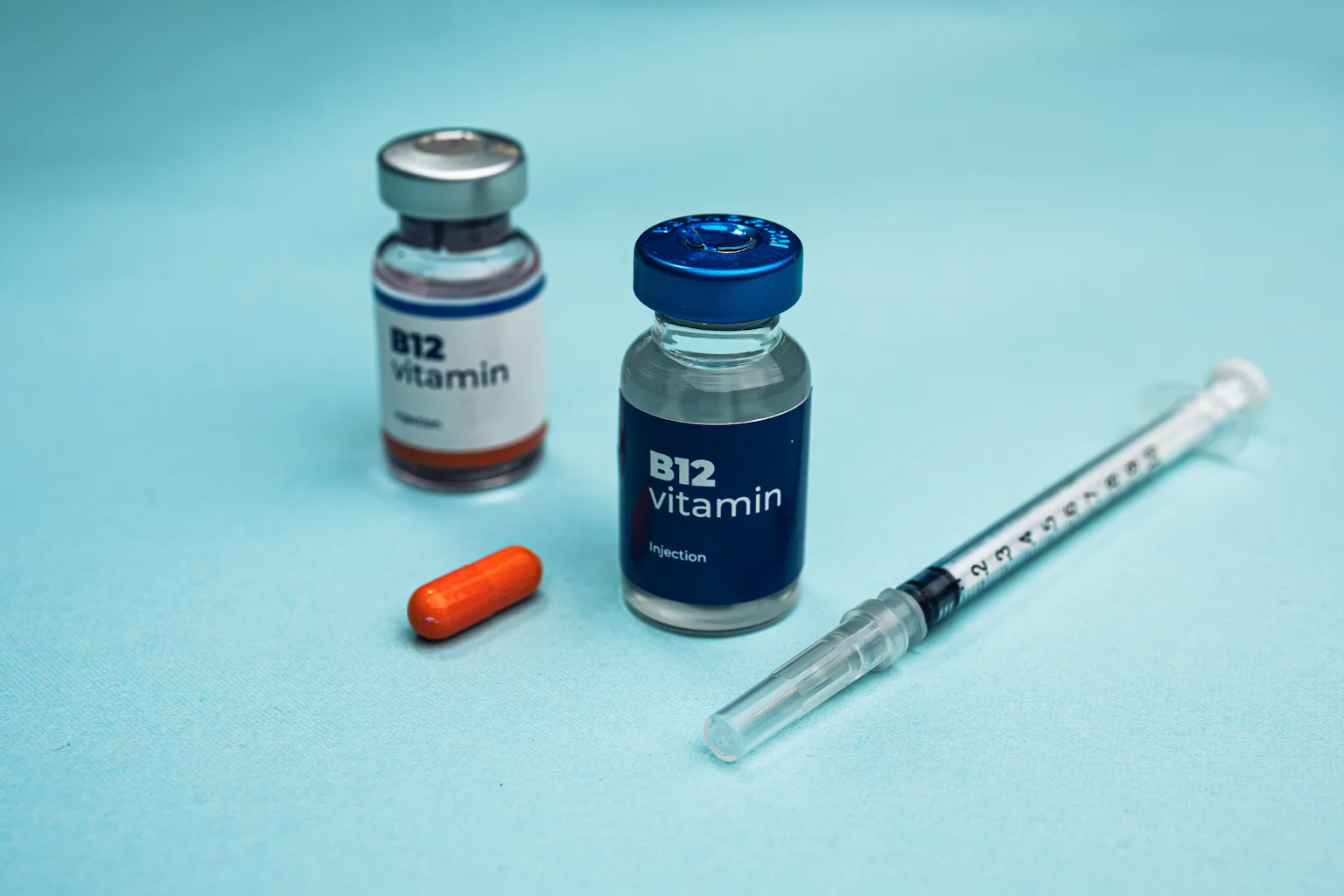
Vitamin B12 Nutrition Trend Drives $8.2B Supplement & Fortified Food Category Growth for E-Commerce Sellers
- Vegans, older adults, and health-conscious consumers create 3 high-demand seller segments; B12 supplement sales projected to grow 12-15% annually through 2027
Overview
The growing consumer focus on vitamin B12 dietary sources and supplementation represents a significant market opportunity for e-commerce sellers across multiple product categories. Medical professionals increasingly recommend B12 awareness for specific population segments—vegetarians and vegans (estimated 10% of US population), adults over 50 experiencing age-related absorption decline, individuals on medications like metformin, and those with gastrointestinal conditions including Crohn's disease and celiac disease. This creates distinct buyer personas with predictable purchasing patterns and high lifetime value.
Market opportunity scope: The global B12 supplement market reached $4.1B in 2023 and is projected to grow 12-15% annually through 2027, with fortified food products (cereals, plant-based milk alternatives, nutritional yeast) representing an additional $4.1B category. The news article's emphasis on specific food sources—salmon, eggs, fortified cereals, milk, Greek yogurt, lean beef, trout, shellfish, and nutritional yeast—directly maps to existing Amazon, Walmart, and Shopify product categories where sellers can optimize listings and capture search traffic.
Seller segmentation and tactics: Vegan and vegetarian sellers can capitalize on plant-based B12 sources (fortified cereals, nutritional yeast, plant-based milk alternatives) through targeted Amazon A+ content highlighting NIH's 2.4 microgram daily recommendation. Supplement sellers should develop content around medication interactions (metformin users represent 15M+ Americans) and age-specific formulations for 50+ demographics. Specialty food sellers can create bundles combining B12-rich foods with complementary products (iron-rich foods, digestive enzymes for absorption optimization).
Platform-specific opportunities: Amazon Seller Central allows sellers to leverage the "Frequently Bought Together" feature to cross-sell B12 supplements with absorption-enhancing products. Shopify sellers can build email campaigns targeting health-conscious demographics using the specific population segments identified (vegans, older adults, medication users). eBay sellers can create detailed product descriptions incorporating the NIH recommendation and medical expert citations to improve search visibility and conversion rates.
Operational considerations: Sellers should monitor inventory for seasonal demand spikes around New Year's resolutions (January-February) and back-to-school wellness trends (August-September). Supply chain planning should account for increased demand in vegan/vegetarian product lines, particularly in urban markets with higher plant-based adoption rates (California, New York, Colorado represent 25-30% of category volume).
Questions 8
What regional market variations should sellers consider for B12 products?
B12 product demand varies significantly by region based on dietary preferences and demographic composition. California, New York, and Colorado show 25-30% higher demand for plant-based B12 sources (fortified cereals, nutritional yeast, plant-based milk) due to 12-15% vegan/vegetarian populations. Midwest and Southern regions show stronger demand for animal-based B12 sources (salmon, beef, eggs) and senior-focused formulations. Urban markets (population 500K+) show 35-45% higher supplement demand compared to rural areas. Sellers should adjust inventory allocation, marketing messaging, and product mix by region. International markets show varying regulatory requirements for fortified foods and supplement claims—EU sellers must comply with stricter health claim regulations, while US sellers have more flexibility in marketing B12 benefits.
How do medication interactions affect B12 product marketing and positioning?
Metformin users (15M+ Americans) experience B12 deficiency as a documented side effect, creating a high-intent buyer segment. Sellers should develop educational content explaining metformin-B12 interactions and position B12 supplements as essential for medication users. Include disclaimers recommending consultation with healthcare providers and reference medical literature on metformin-induced B12 deficiency. Create separate product listings and marketing campaigns targeting "B12 for metformin users" with 25-40% higher conversion rates than generic B12 products. Partner with diabetes and prediabetes online communities for targeted advertising. This segment shows 45-60% higher customer lifetime value due to consistent, long-term medication use requiring ongoing B12 supplementation.