


California $1B EV Truck Incentives | Last-Mile Logistics Cost Reduction Opportunity
- Reduces fleet acquisition costs 15-25% through $7,500-$120,000 rebates; creates competitive advantage for California-based e-commerce logistics operators through June 2026



Overview
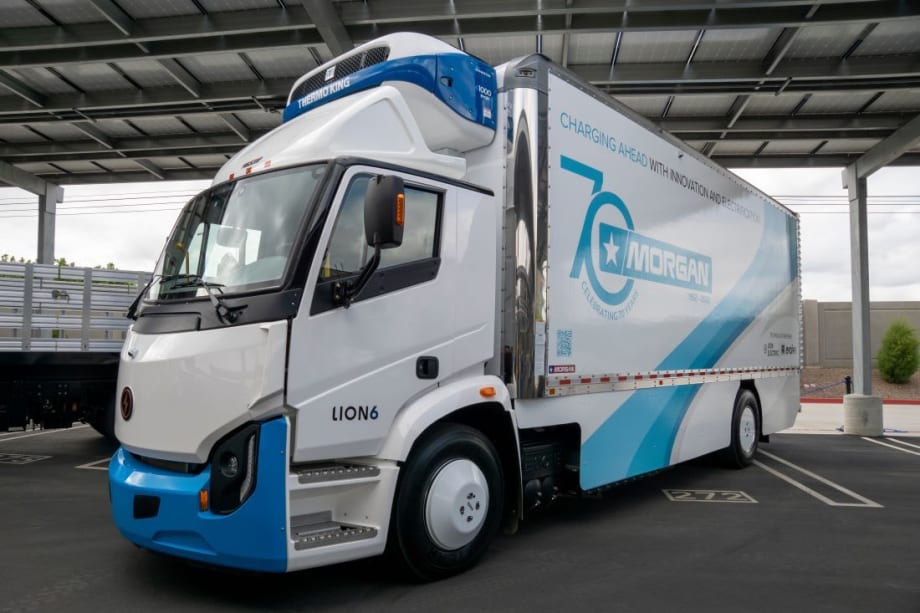
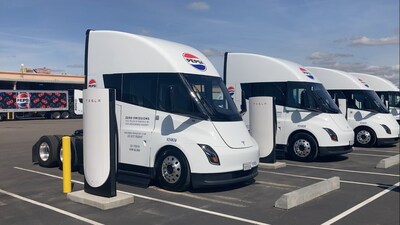
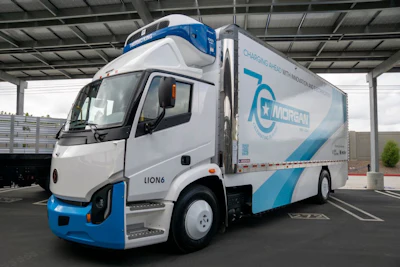
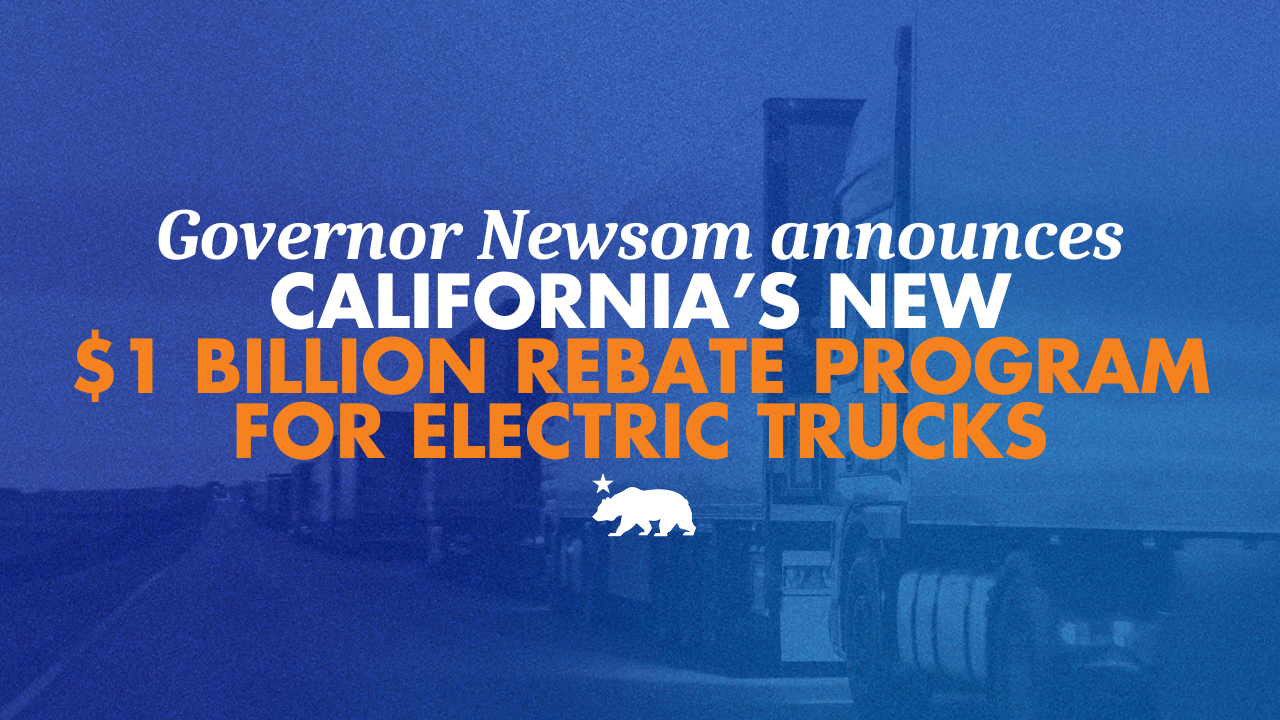
California's dual electric truck incentive programs—the Hybrid and Zero-Emission Truck and Bus Voucher Incentive Project (HVIP) and the new California Clean Fuel Reward (CCFR) program—represent a $2+ billion policy shift that directly impacts e-commerce logistics costs and competitive positioning. Governor Newsom announced the CCFR program on June 26, 2025, with $250 million available in year one and $1 billion through 2030, offering rebates of $7,500-$120,000 for electric medium and heavy-duty commercial vehicles. Combined with existing HVIP funding (which has already distributed $1 billion supporting 11,600 clean vehicles), California-based logistics operators now access up to $330,000 in combined incentives for Class 8 heavy-duty trucks when including federal tax credits.
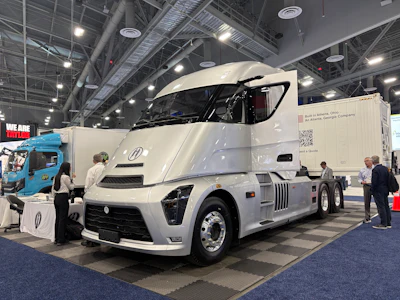
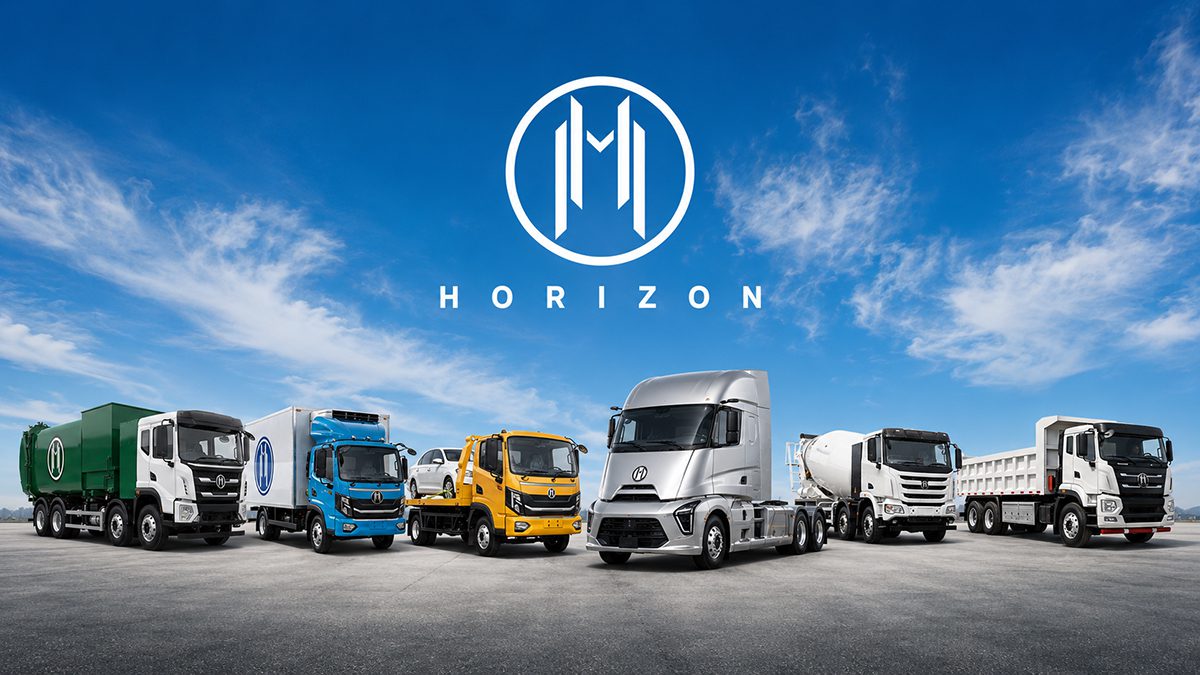
For e-commerce sellers and 3PL providers, this creates immediate cost arbitrage opportunities. The $120,000 maximum rebate represents 15-25% of heavy-duty electric truck purchase prices, making electrification economically competitive with diesel alternatives for the first time. Horizon Motor's CARB approval (May 13, 2026) for its complete Classes 3-8 lineup demonstrates domestic manufacturing capability, with vehicles delivering 60% lower fuel costs and 30-50% lower maintenance costs versus diesel equivalents. This translates to $15,000-$25,000 annual operational savings per vehicle—a compelling ROI for fleet operators managing last-mile delivery networks.
The competitive advantage window is time-sensitive. Applications for CCFR rebates begin June 26, 2025, with $250 million allocated for year one. Industry analysts expect similar programs to launch in other states, but California's $1.5B+ combined incentive pool (HVIP + CCFR through 2030) creates a 12-24 month first-mover advantage for logistics operators. Small businesses qualify for supplemental funding, making this particularly advantageous for Amazon FBA sellers, Shopify merchants, and independent 3PL providers operating California-based fulfillment networks. The tiered rebate structure ($7,500-$40,000 for medium-duty, up to $120,000 for heavy-duty) incentivizes fleet electrification across different operational scales, enabling sellers to reduce last-mile delivery costs while improving environmental compliance positioning—a growing consumer preference signal in e-commerce purchasing decisions.
Questions 8
How should sellers evaluate electrification timelines to maximize rebate utilization?
Fleet operators should evaluate electrification timelines immediately to maximize rebate utilization before potential program modifications. CCFR applications begin June 26, 2025, with $250 million available in year one—a limited pool that may exhaust quickly given California's 2,000+ fleets already participating in HVIP. Sellers should assess current fleet composition, identify vehicles eligible for replacement, and prioritize Class 8 heavy-duty trucks (which qualify for maximum $120,000 rebates) before medium-duty vehicles. Authorized retailers process rebate applications directly at point of purchase, streamlining the claiming process. Early action captures first-mover cost advantages while infrastructure and supply chains mature.
What operational benefits do electric trucks provide for e-commerce last-mile delivery?
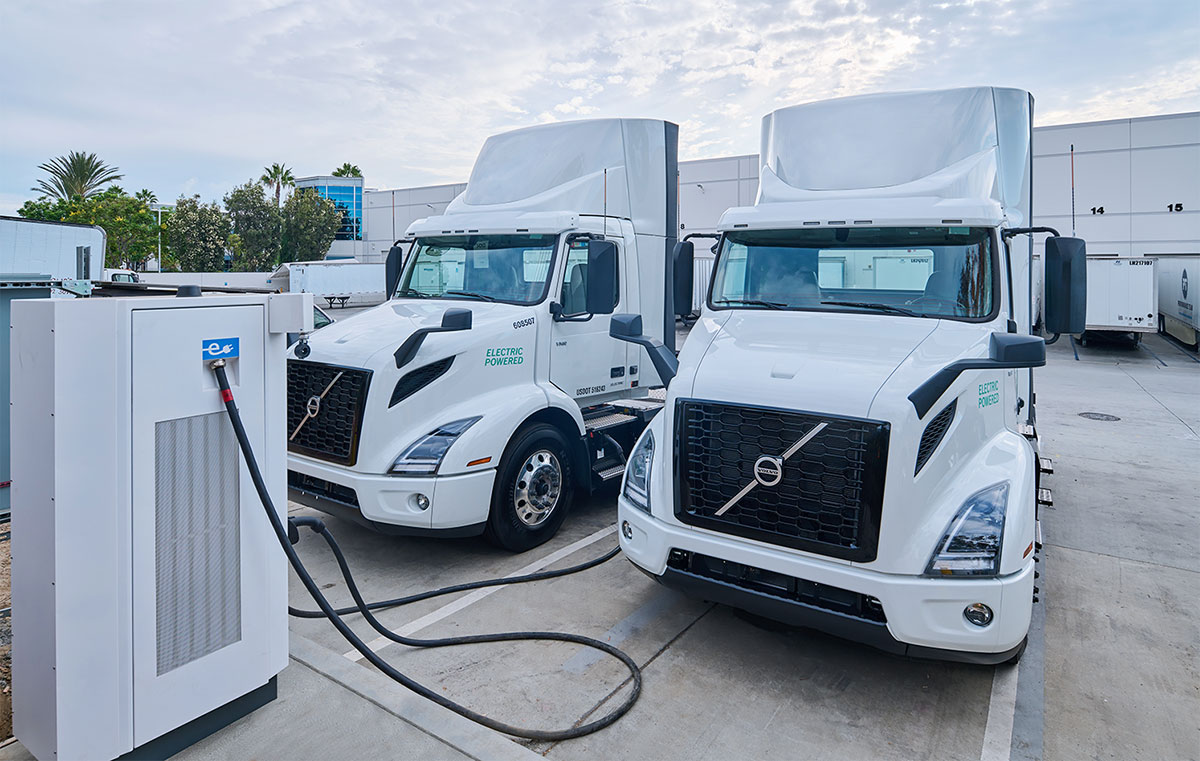
Electric trucks deliver substantial operational advantages: 60% lower fuel costs and 30-50% lower maintenance costs versus diesel equivalents, translating to $15,000-$25,000 annual savings per vehicle. California operates over 200,000 public and shared EV charging stations plus approximately 800,000 home-installed chargers, providing robust charging infrastructure for fleet operations. The state allocated $98.5 million in light-duty ZEV infrastructure funding for fiscal year 2025-2026, focusing on Level 1 and Level 2 charging at multifamily residences and locations with extended vehicle dwell times. These infrastructure investments reduce operational complexity for logistics operators managing delivery networks across California's major population centers.