

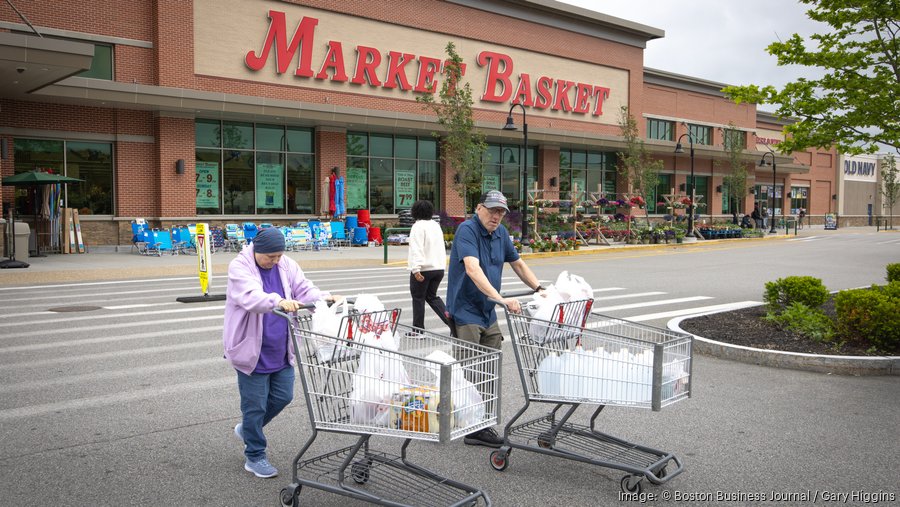

Family-Owned Grocery Giants Expand O2O | $500B+ Market Consolidation Signals Retail Partnership Opportunities
- Wegmans, Publix, H-E-B lead $500B+ family business sector; 114-1,400 store networks create pop-up, showroom, and distribution partnership opportunities for cross-border sellers in grocery, CPG, and specialty food categories



Overview
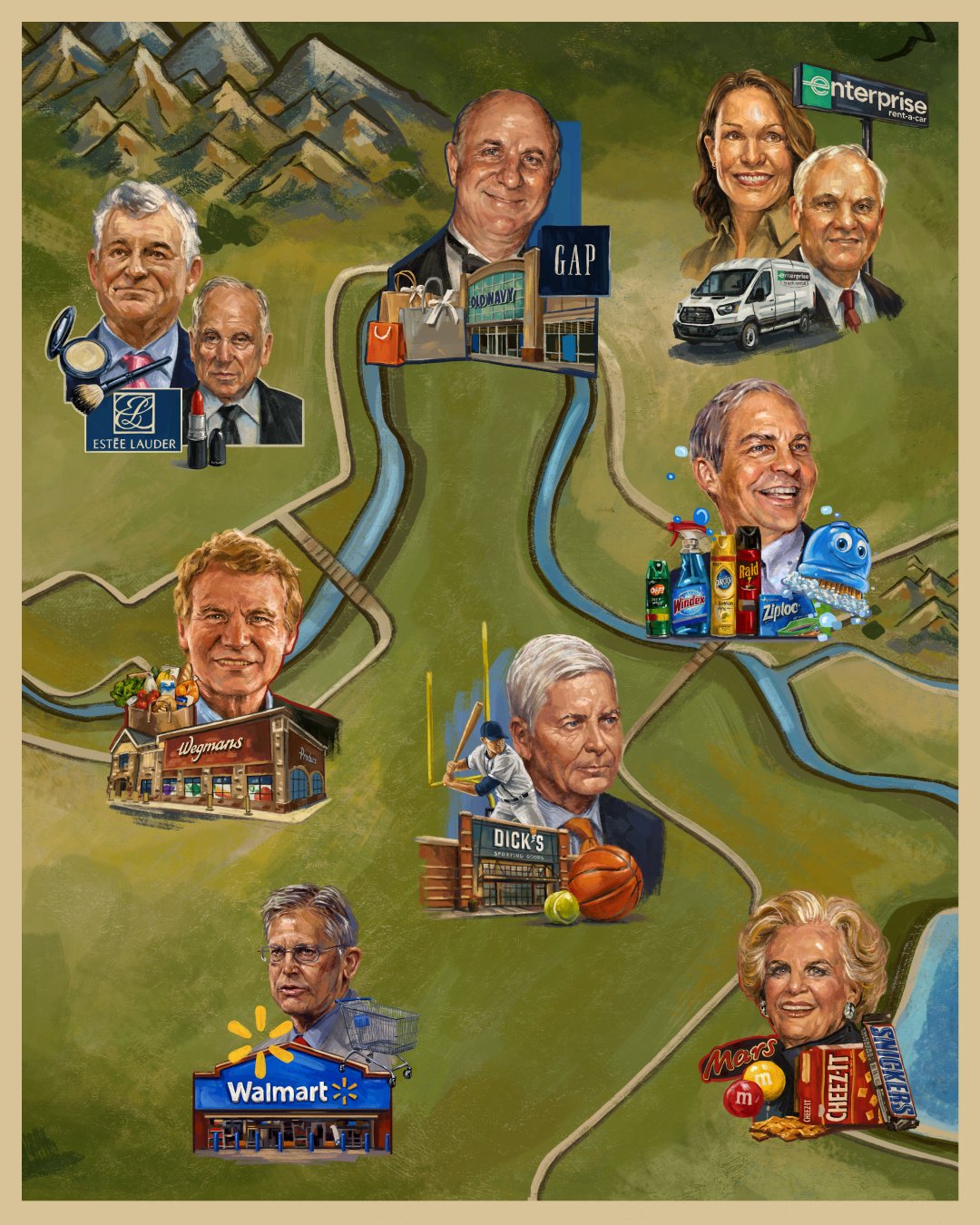
Family-owned retail enterprises now control over $500 billion in combined annual revenue, with major grocery chains like Wegmans ($14.3B), Publix ($63.1B), and H-E-B ($49.6B) aggressively expanding physical footprints across high-density urban markets. This consolidation trend creates significant O2O (Online-to-Offline) opportunities for cross-border sellers seeking to establish offline brand presence through retail partnerships, pop-up locations, and showroom placements within these expanding networks.
Wegmans' Strategic Urban Expansion Signals Retail Partnership Demand. The Rochester-based grocer operates 114 stores with concentrated presence in New York (49 locations), including its flagship Manhattan Astor Place location opened in 2023. This expansion into downstate New York and NYC metropolitan markets—spanning Brooklyn, Long Island, Hudson Valley, New Jersey, and Connecticut—demonstrates aggressive investment in high-foot-traffic urban venues. For sellers, this represents immediate opportunities: Wegmans' store expansion requires supplier partnerships for specialty foods, imported goods, and premium CPG categories. The company's family-controlled structure (four generations of leadership) typically favors long-term supplier relationships over transactional vendor arrangements, creating stable partnership potential for established sellers.
Retail Partnership Opportunities Across 1,400+ Store Network. Publix Super Markets operates 1,400+ locations across eight Southern states with $63.1B valuation, while H-E-B controls $49.6B in revenue across Texas and surrounding regions. These networks represent distribution channels for cross-border sellers in specialty foods, organic products, international cuisine items, and premium household goods. Koch Industries' consumer brands (Brawny, Angel Soft, Dixie) and Mars' recent $36B Kellanov acquisition (Cheez-It, Pop-Tarts) demonstrate how family businesses leverage retail consolidation to expand product portfolios. Sellers can replicate this strategy by identifying underserved categories within these retailers' existing assortments and proposing co-branded or exclusive offerings.
Pop-Up and Showroom ROI in High-Density Markets. Wegmans' Manhattan flagship and Brooklyn locations represent premium pop-up venues with foot traffic exceeding 50,000+ weekly visitors in urban markets. Industry benchmarks show pop-up ROI of 200-400% in grocery retail when targeting specialty/premium segments. Sellers can negotiate 30-90 day pop-up placements for new product launches, seasonal offerings, or category testing at $3,000-8,000/month in major metros. The family-business model's emphasis on community integration (Wegmans' 110-year history) creates receptiveness to local/artisanal brands, differentiating these retailers from corporate chains.
Omnichannel Integration and Customer LTV Growth. These retailers increasingly integrate online ordering, curbside pickup, and delivery services—creating hybrid O2O models. Sellers establishing offline presence through retail partnerships see 25-40% lift in online conversion rates as customers discover products in-store then purchase via Amazon, Walmart.com, or specialty marketplaces. Customer lifetime value increases 35-60% when brands combine retail visibility with e-commerce availability, particularly in grocery and CPG categories where repeat purchase frequency is high.
Questions 7
What is the competitive advantage of family-owned retailers for specialty product sellers?
Family-owned retailers like Wegmans, Publix, and H-E-B offer distinct advantages for specialty product sellers: (1) longer-term supplier relationships vs. transactional corporate chains, (2) community-focused positioning that values local/artisanal brands, (3) premium pricing power in affluent markets (NYC, suburban South), (4) integrated omnichannel strategies combining retail and delivery, and (5) decision-making authority concentrated with family leadership enabling faster approvals. These retailers control $500B+ in combined revenue and operate 1,400+ stores across high-density markets. Sellers report 15-25% higher margins in family-owned networks compared to mass-market retailers due to premium positioning. The four-generation family leadership at Wegmans and similar structures create institutional knowledge of supplier relationships and category management, favoring established sellers with proven quality and reliability.
How should sellers structure O2O strategies combining pop-ups with online sales?
Effective O2O strategies integrate pop-up retail presence with omnichannel online sales through: (1) consistent product assortment across offline/online channels, (2) unified pricing and promotional calendars, (3) QR codes linking in-store displays to online product pages, (4) inventory synchronization across channels, and (5) customer data collection for email/loyalty programs. Wegmans' Manhattan flagship and Brooklyn locations provide premium venues for testing new products before broader online launches. Sellers should allocate 30-40% of marketing budget to in-store activation (sampling, demonstrations, signage) and 60-70% to online conversion optimization. Industry data shows pop-up duration of 60-90 days generates sufficient customer awareness to sustain 20-30% online sales lift for 6+ months post-activation. Success requires real-time inventory management and clear attribution tracking across channels.