





U.S. Discretionary Spending Collapse Risk | May-June 2024 Seller Alert
- April 2024 retail sales mask May-June demand destruction; furniture (-2%), apparel (-1.5%), auto (-0.5%) already declining; $22B tax refund cliff expires May






Overview
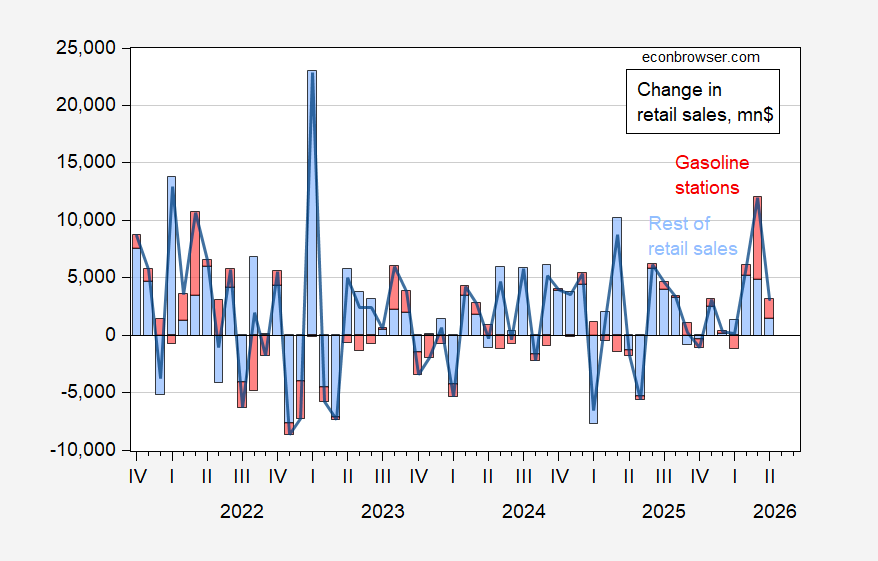
Critical demand inflection point emerging for U.S. cross-border e-commerce sellers in May-June 2024. According to the U.S. Census Bureau's April retail sales report, overall retail sales rose only 0.5%, but this masks severe weakness in discretionary categories. Excluding gas station spending (which surged 2.8% on elevated fuel prices), core retail sales grew just 0.3%—a decline when adjusted for the 0.6% Consumer Price Index increase. Furniture and home furnishings fell 2%, clothing and accessories declined 1.5%, auto dealer sales dropped 0.5%, and department store sales plummeted 3.2%—signaling a consumer pullback already underway in April 2024.
The critical risk factor: $22 billion in individual income tax refunds (3% of monthly retail sales) artificially supported April spending, according to Pantheon Macro economist Oliver Allen. This temporary income boost exceeded the negative impact of higher gasoline costs. However, Allen projects this refund flow will "taper dramatically in May," exposing consumers to sustained fuel cost pressures without compensating income support. With consumer confidence depressed, labor market weakness persisting, and personal savings rates already very low, a meaningful pullback in discretionary spending is expected in May and June 2024.
For cross-border e-commerce sellers, this represents a critical inflection point. Sellers in apparel, furniture, home furnishings, and automotive accessories categories face the highest risk. The convergence of fading tax refunds, elevated energy costs ($4.50+ per gallon in many U.S. regions), and weakened economic conditions could trigger demand destruction across these discretionary categories. Sellers should immediately monitor May-June sales trends and prepare inventory adjustments. Opportunity exists for sellers in essential/value categories (budget apparel, discount home goods, fuel-efficient automotive products) as consumers shift spending toward necessities. The window for corrective action is narrow—sellers must adjust pricing, inventory allocation, and marketing spend by late April 2024 to capture remaining demand before the May cliff.
Questions 8
When should sellers take action to prepare for the May-June slowdown?
**Immediate action required by late April 2024.** The April retail sales report signals the May cliff is imminent—tax refund support ends, fuel costs remain elevated, and consumer confidence is depressed. Sellers should: (1) By April 25: Review May-June sales forecasts and adjust inventory orders; (2) By April 30: Implement pricing and promotional strategy changes; (3) By May 5: Monitor daily sales velocity and adjust marketing spend based on early May performance; (4) By May 15: Evaluate category performance and accelerate inventory reduction if May sales decline 5%+ from April. The window for corrective action closes quickly—decisions made after May 5 will be too late to prevent inventory buildup and margin compression. Sellers who act decisively in late April will minimize May-June losses and position for Q3 recovery.
What opportunities exist for sellers during the May-June demand slowdown?
While discretionary categories face headwinds, three opportunities emerge: (1) **Value/Budget Positioning**: Consumers are trading down to budget apparel, discount home goods, and value-priced products. Sellers with low-cost sourcing (Asia-based suppliers) can gain market share by offering 20-30% lower prices than premium competitors. (2) **Essential Categories**: Restaurant/dining products (+0.6% in April) show strength as consumers maintain dining-out habits. Sellers in food, beverage, kitchen gadgets, and dining accessories may see relative demand strength. (3) **Market Consolidation**: Competitors may exit discretionary categories or reduce inventory, creating opportunities for well-capitalized sellers to gain shelf space and market share. Sellers with 3-6 months of cash reserves can acquire inventory at distressed prices and position for Q3-Q4 recovery.