




Surveillance Pricing Bans Reshape E-Commerce Strategy | Sellers Face Pricing Algorithm Overhaul
- New York City and state legislation eliminates personalized pricing; federal inquiry targets 25 major retailers; sellers must rebuild pricing infrastructure to comply with $5,000-$50,000 penalty framework





















Overview
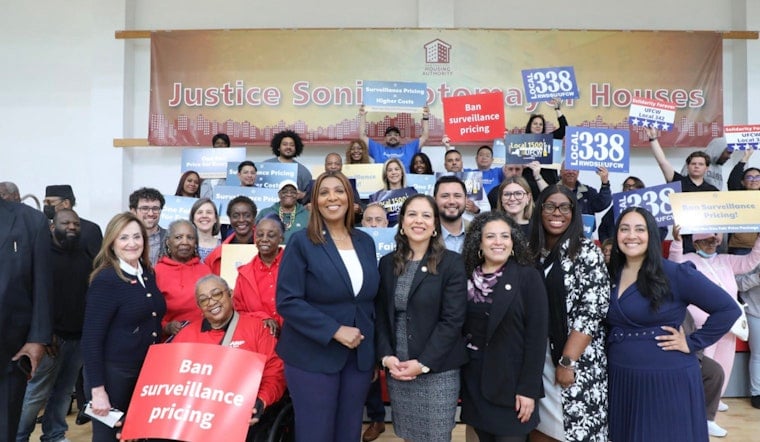
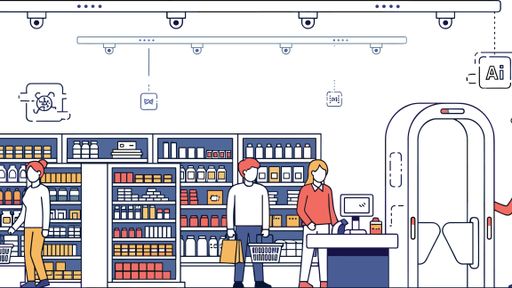
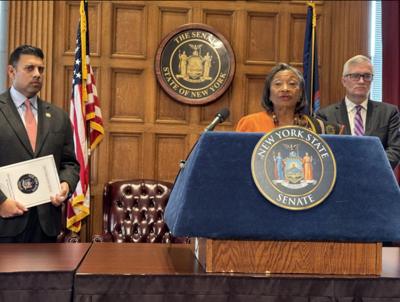
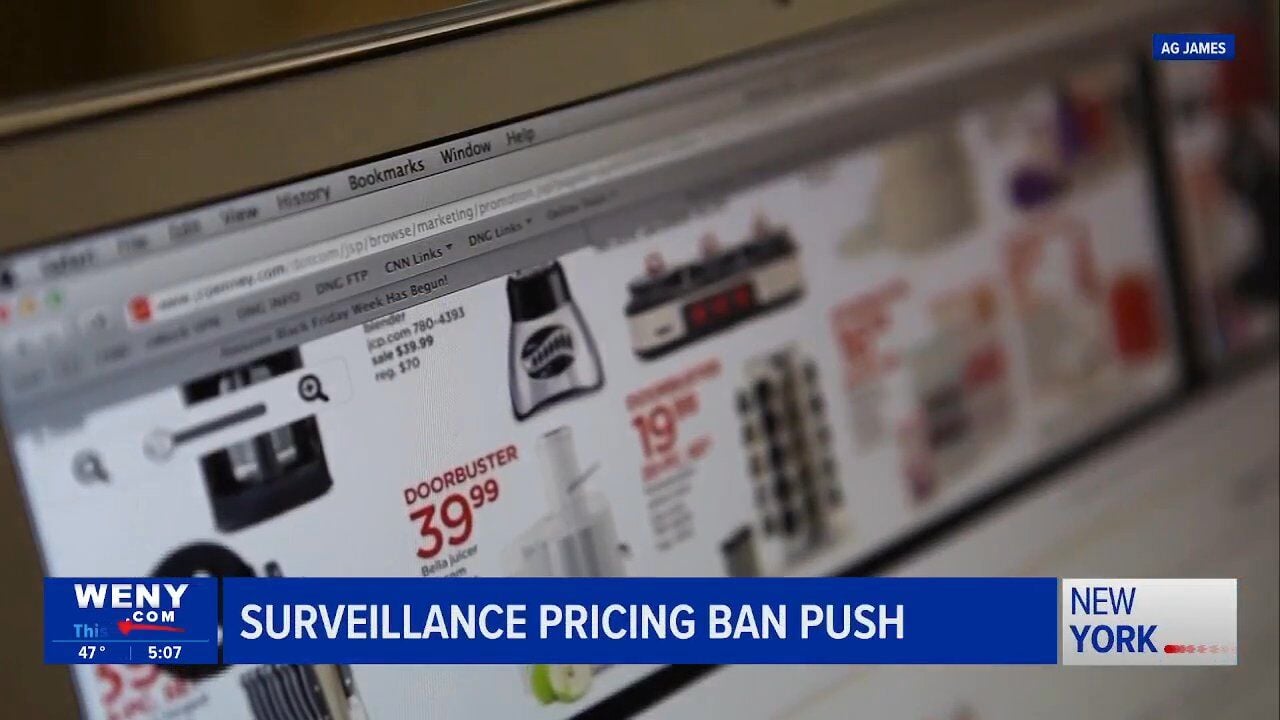
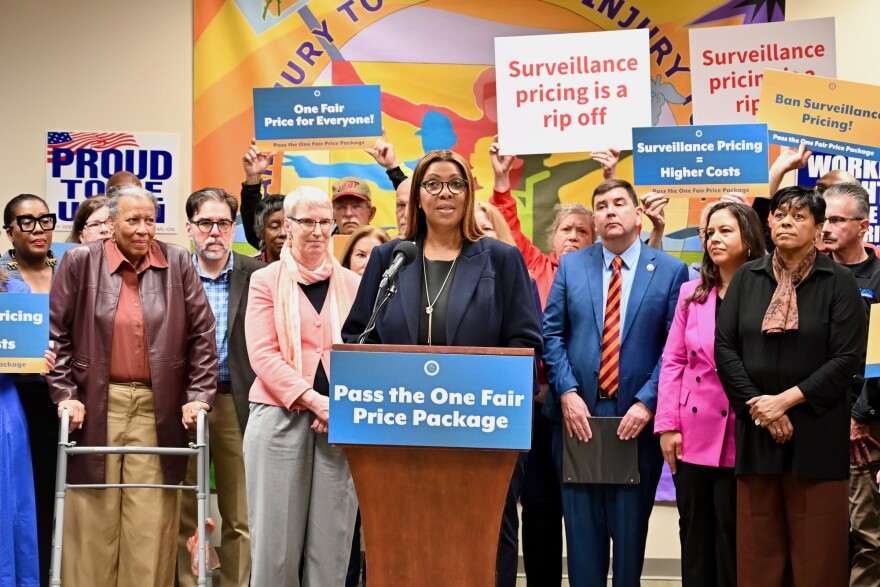
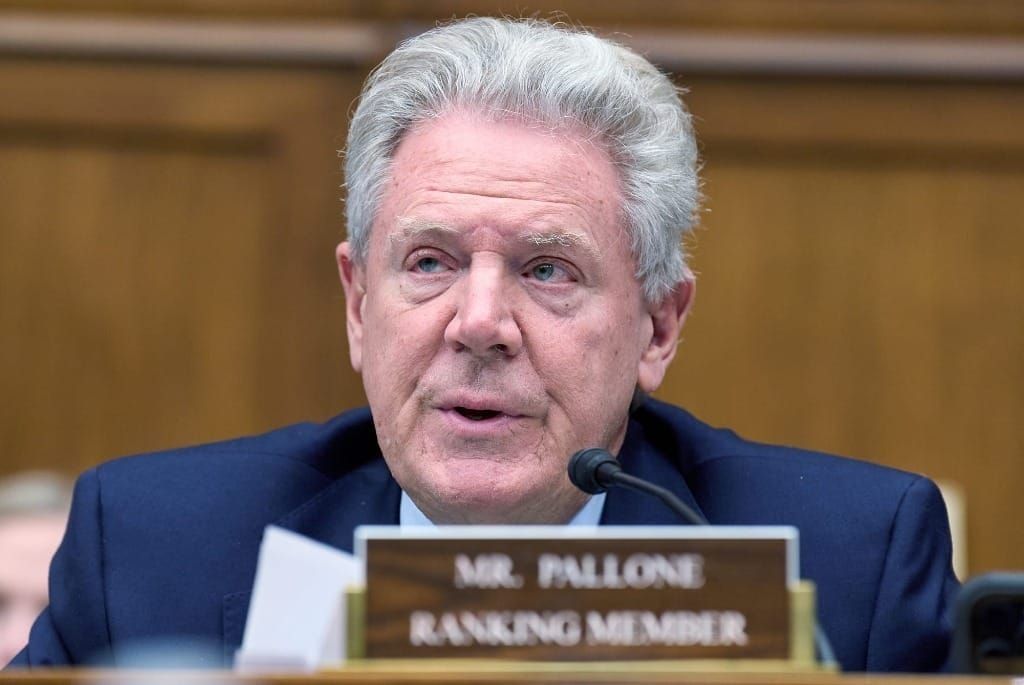
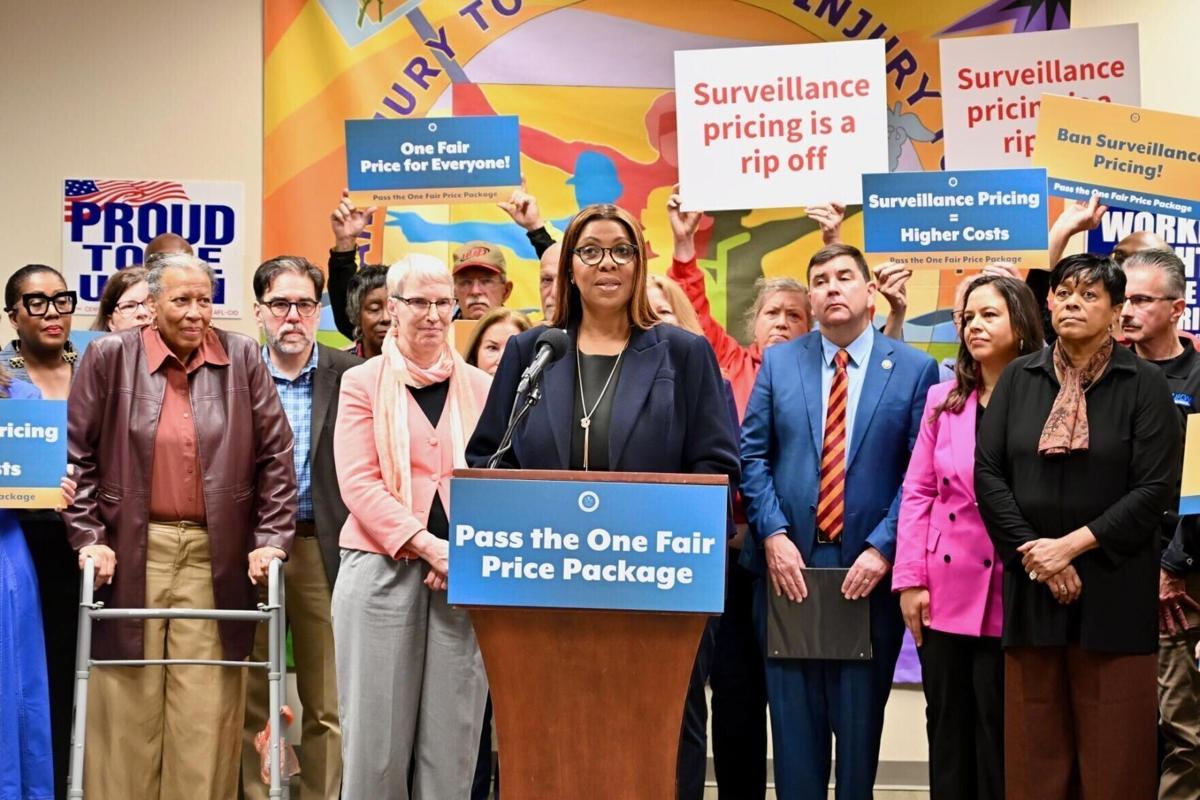
Surveillance pricing regulations are fundamentally restructuring how e-commerce sellers can implement dynamic pricing and personalization strategies. On May 14, 2026, New York City Council Speaker Julie Menin and Councilman Shaun Abreu introduced landmark legislation banning surveillance pricing—the practice of charging different customers different prices based on personal data analysis including purchase history, browsing behavior, location, and device type. Simultaneously, U.S. Rep. Frank Pallone launched a federal inquiry on May 13, 2026, sending questionnaires to 25 major retailers investigating AI-powered algorithmic pricing systems. New York State's Senate advanced comprehensive bills (S8616A, S8483C, S363B/A9604A) on May 12, 2026, prohibiting personalized pricing in food/drug stores with $10,000 fines per violation, restricting online vendor pricing based on device hardware or geolocation with $5,000-$20,000 penalties, and requiring transparent total-price disclosure including all mandatory fees.
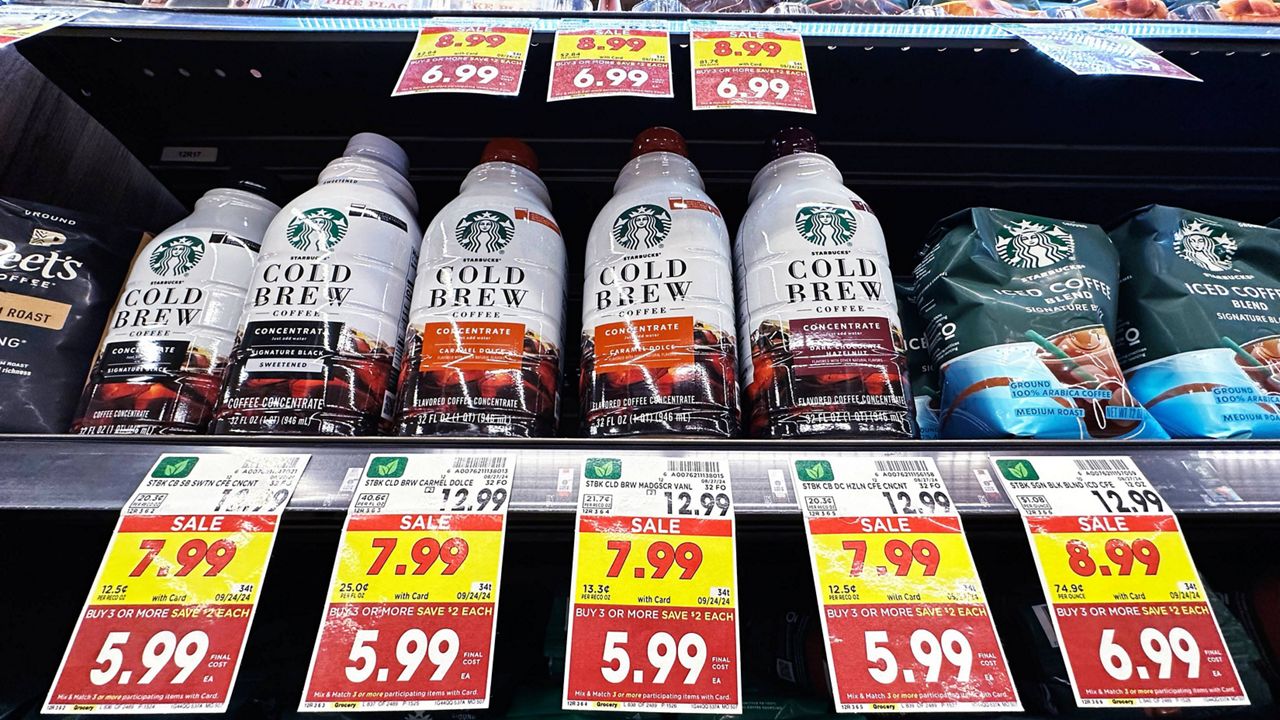
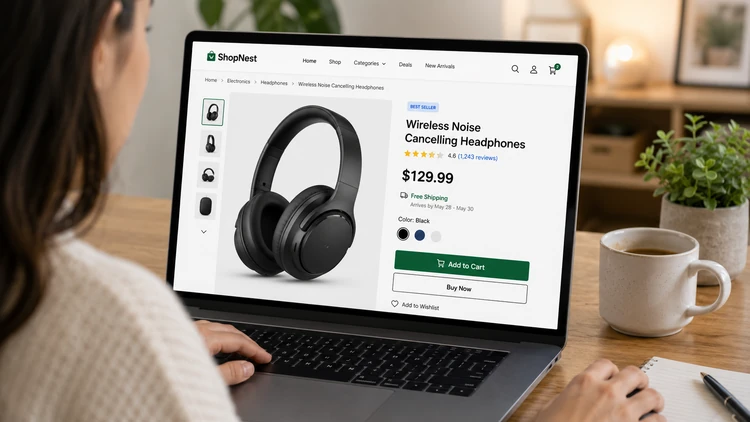
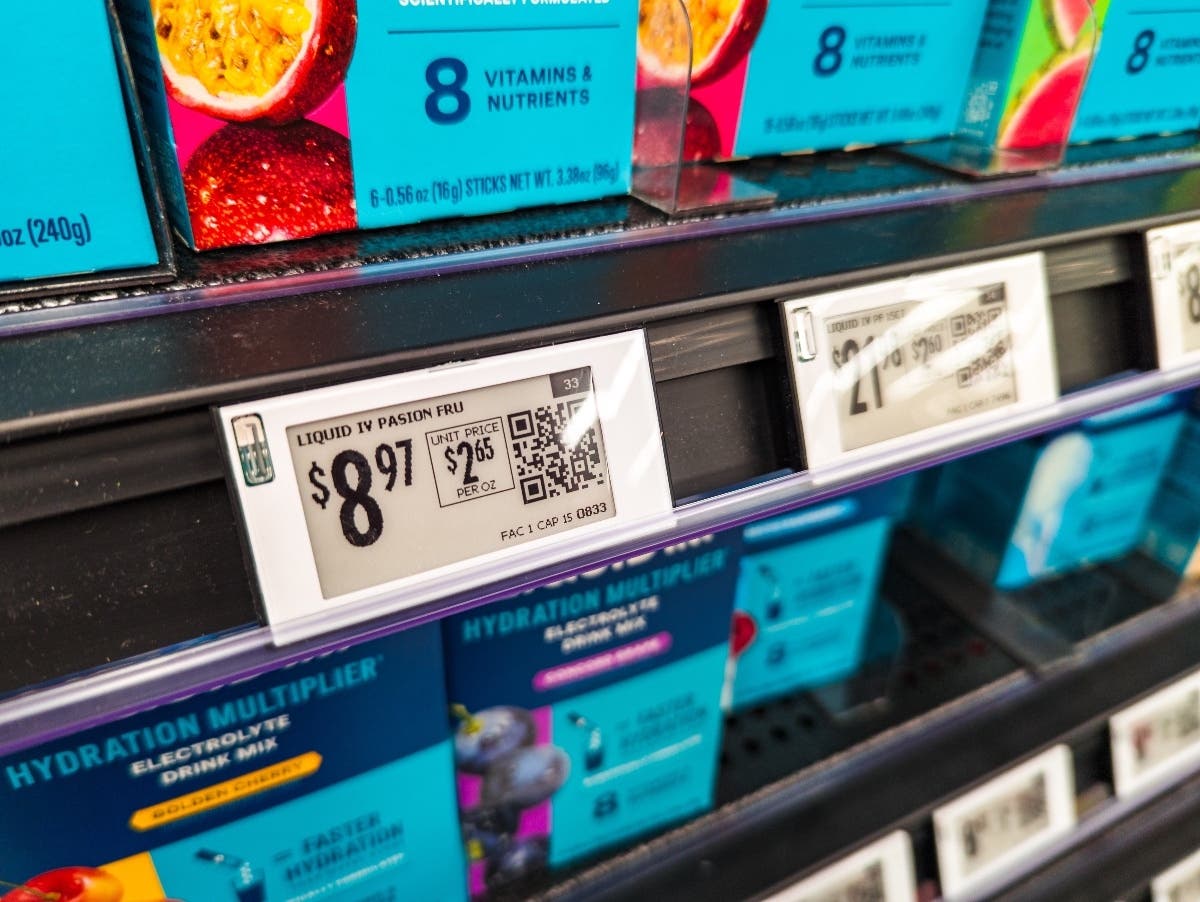
For e-commerce sellers, this regulatory cascade creates immediate operational challenges across three critical areas. First, sellers using dynamic pricing algorithms powered by customer data must audit and disable personalization logic that leverages loyalty program data, browsing history, or device characteristics. The New York State bills explicitly target electronic shelf label technology and mobile app-based pricing discrimination, meaning sellers operating Amazon Fresh, Instacart, or proprietary delivery platforms must restructure pricing engines. Second, sellers selling to New York residents face compliance deadlines as state legislation moves toward passage with support from Attorney General Letitia James, while federal legislation could follow Pallone's inquiry findings. Third, the regulatory pattern signals nationwide expansion—New Jersey's proposed Fair Price Protection Act mirrors New York's framework with identical penalty structures ($50,000 plus Consumer Fraud Act penalties of $10,000-$20,000), indicating other states will likely adopt similar measures within 12-18 months.
The competitive intelligence opportunity lies in AI-powered compliance automation and transparent pricing as a market differentiator. Sellers who proactively rebuild pricing infrastructure around transparent, non-discriminatory algorithms can capture market share from competitors facing compliance violations. This requires immediate AI tool adoption: pricing optimization platforms must shift from personalization-based models to category-level, time-based, or inventory-level pricing that maintains margin while eliminating algorithmic discrimination. Sellers can leverage AI to analyze competitor pricing strategies in real-time without using customer personal data, implementing dynamic pricing based on supply/demand signals, inventory turnover rates, and category-wide market conditions rather than individual customer profiles. The regulatory environment creates a 6-12 month window where early-adopting sellers can establish compliant pricing infrastructure before enforcement begins, gaining competitive advantage through operational efficiency while competitors scramble to rebuild systems post-violation.
Questions 8
What competitive advantages can sellers gain from early surveillance pricing compliance?
Early-adopting sellers can capture market share through transparent, compliant pricing as a brand differentiator during the 6-12 month compliance window before enforcement begins. Sellers who proactively rebuild pricing infrastructure around non-discriminatory algorithms can market themselves as 'fair pricing' retailers, appealing to price-conscious consumers concerned about algorithmic discrimination. Operationally, compliant sellers avoid the $5,000-$50,000 penalty exposure and enforcement costs that competitors will face post-violation. Additionally, transparent pricing infrastructure reduces customer service inquiries about price discrimination and builds trust in high-cost urban markets like New York City where affordability concerns are acute. Sellers can leverage AI-powered compliance auditing tools to identify and eliminate discriminatory pricing faster than competitors, establishing operational efficiency advantages in pricing optimization that don't rely on personal data exploitation.
How do surveillance pricing bans affect loyalty programs and customer discounts?
Surveillance pricing bans explicitly permit legitimate loyalty programs, senior discounts, student discounts, and low-income customer savings—but these must be transparently communicated to all shoppers and cannot use protected class data like race, religion, or age for discrimination. New York State legislation (S8616A, S8483C) maintains exceptions for voluntary loyalty programs and veteran discounts provided they're clearly disclosed. The key distinction is that compliant discounts are based on transparent membership status (loyalty program enrollment, age verification for seniors, student ID) rather than algorithmic analysis of personal data like browsing history or device type. Sellers can continue offering tiered loyalty rewards, bulk purchase discounts, and demographic-based savings (seniors, students, veterans) as long as eligibility criteria are transparent and applied consistently to all customers meeting those criteria.