

Market Basket & Fidelity on Forbes List | Retail Partnership Opportunities for Cross-Border Sellers
- Family-owned retail giants signal stable B2B partnerships; Market Basket's #69 ranking reveals $5B+ grocery distribution network accessible to e-commerce suppliers in Northeast US
Overview
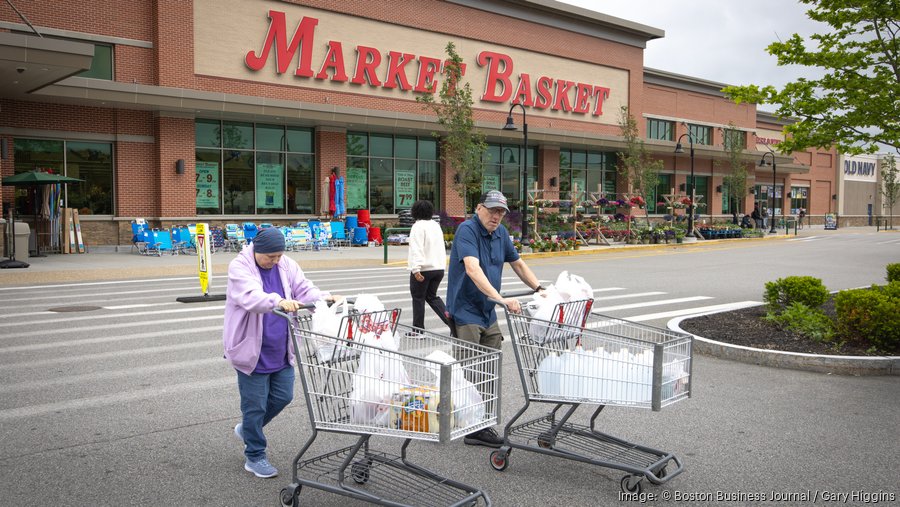
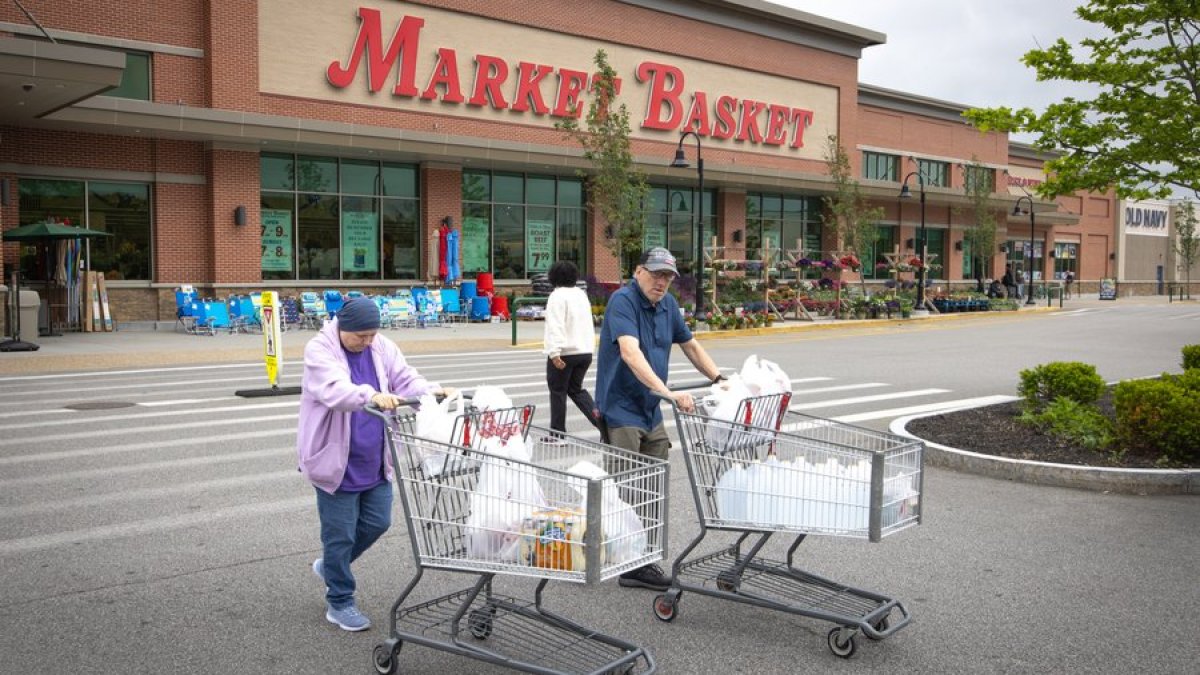
Forbes' inaugural ranking of America's largest family businesses reveals critical B2B partnership opportunities for cross-border e-commerce sellers. Market Basket (Demoulas Super Markets) secured the #69 position as a $5B+ regional grocery powerhouse headquartered in Tewksbury, Massachusetts, while Fidelity Investments ranked #14 as a financial infrastructure provider controlling payment systems affecting e-commerce operations. For sellers, this development signals two distinct opportunities: (1) Direct retail partnerships with Market Basket's 100+ New England supermarket locations, which represent a stable, family-controlled distribution channel less volatile than venture-backed retailers, and (2) Payment infrastructure alignment with Fidelity's role in settlement systems and merchant services that underpin cross-border transactions.
Market Basket's retail expansion strategy demonstrates the continued relevance of traditional grocery retail in the omnichannel landscape. The chain's family governance structure indicates long-term commitment to regional markets—a contrast to private equity-backed competitors who frequently divest underperforming locations. For sellers, this stability translates to predictable wholesale partnerships: Market Basket's 100+ stores across Massachusetts, New Hampshire, Vermont, and Maine represent a consolidated buyer with centralized procurement, reducing complexity compared to managing relationships with 500+ independent retailers. The chain's emphasis on private-label products and regional sourcing creates opportunities for specialty food, household goods, and health/beauty suppliers seeking shelf space in high-traffic locations.
Fidelity's financial services dominance directly impacts cross-border seller operations through payment processing, merchant accounts, and settlement systems. As a top-15 family business, Fidelity controls infrastructure that processes billions in e-commerce transactions daily. Sellers relying on Fidelity-powered payment gateways, merchant services, or settlement accounts benefit from a financially stable, long-term partner—critical for international sellers managing currency conversion and multi-market payments. The company's private ownership structure (founding family retains majority control) ensures continuity in payment policies, unlike publicly traded competitors subject to quarterly earnings pressure.
Regional concentration advantage: Both companies operate primarily in the Northeast, creating a geographic cluster opportunity. Sellers can establish a single distribution hub serving Market Basket's 100+ locations while leveraging Fidelity's Boston headquarters for payment infrastructure partnerships. This Northeast focus aligns with high-density consumer markets (Boston, Hartford, Providence) where foot traffic and purchasing power support premium product categories.
Questions 7
What are the geographic advantages of partnering with both Market Basket and Fidelity?
Both companies operate primarily in the Northeast, creating a concentrated partnership opportunity. Market Basket's 100+ stores span Massachusetts, New Hampshire, Vermont, and Maine—high-density consumer markets with strong purchasing power. Fidelity's Boston headquarters enables sellers to establish a single distribution hub serving both retail and payment infrastructure partnerships. This geographic clustering reduces logistics costs (single warehouse serving 100+ retail locations), simplifies compliance (single state regulatory environment), and enables efficient sales team management. Sellers can achieve 15-25% cost savings compared to managing dispersed partnerships across multiple regions.
How does Market Basket's family ownership affect supplier relationships compared to private equity retailers?
Family-owned retailers like Market Basket prioritize long-term supplier relationships and regional market stability over quarterly earnings targets. Unlike private equity-backed chains that frequently divest underperforming locations or renegotiate supplier terms aggressively, Market Basket maintains consistent procurement policies and multi-year supplier contracts. This stability benefits sellers through predictable order volumes, lower risk of sudden delisting, and opportunities for category expansion. The Demoulas family's 70+ year operational history demonstrates commitment to New England markets, making Market Basket a reliable distribution partner for sellers seeking sustainable wholesale channels.