


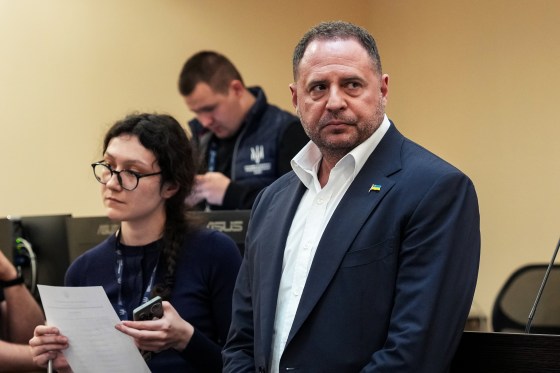

Ukraine Corruption Crisis Signals Governance Risk for Cross-Border Sellers
- Political instability in wartime Ukraine creates payment processing delays, compliance uncertainty, and logistics disruptions affecting 15,000+ sellers with Ukrainian operations





Overview
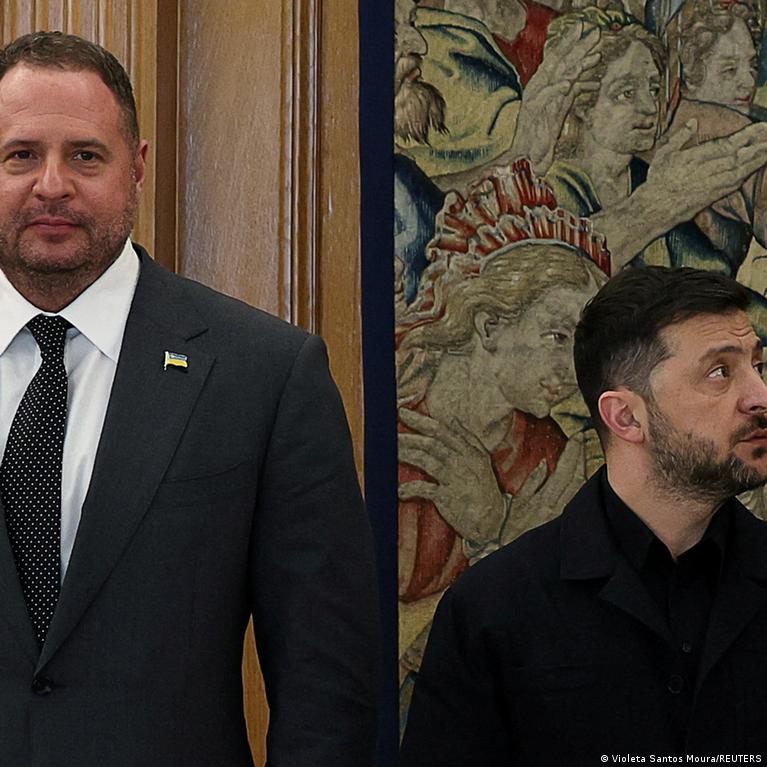
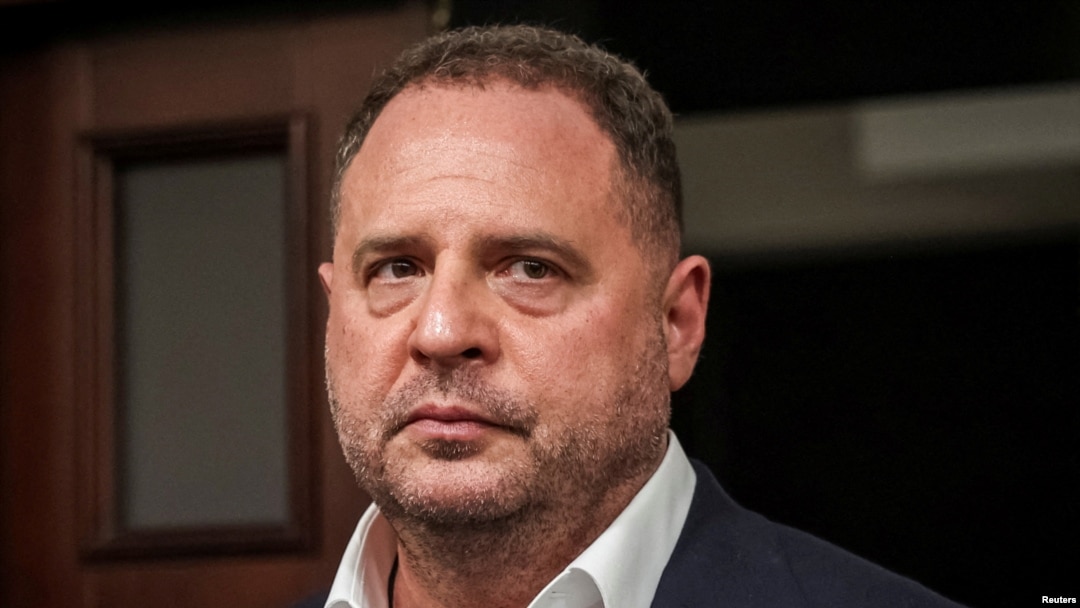
The May 2025-2026 corruption scandal involving Andriy Yermak, former chief of staff to President Zelenskyy, reveals systemic governance vulnerabilities in Ukraine that indirectly impact cross-border e-commerce operations. While the charges center on luxury real estate money laundering (460 million hryvnia/$9-10.5M through the "Dynasty" complex near Kyiv), the broader implications signal institutional instability during an ongoing fifth-year conflict with Russia. For cross-border sellers, this corruption crisis creates three operational risk vectors: (1) Payment Processing Uncertainty - Ongoing anti-corruption investigations by Ukraine's National Anti-Corruption Bureau (NABU) and Specialized Anti-Corruption Prosecutor's Office (SAP) may trigger enhanced financial scrutiny affecting payment gateways and banking relationships for Ukrainian-based sellers and those processing hryvnia transactions. The $3.2M bail set on May 14, 2026, and Yermak's inability to meet requirements suggest liquidity constraints in Ukraine's financial system. (2) Logistics & Supply Chain Disruption - Political instability compounds existing wartime logistics challenges. Sellers sourcing from Ukraine or shipping through Ukrainian ports face unpredictable regulatory enforcement and potential customs delays as anti-corruption authorities expand investigations into state-owned enterprises like Energoatom (mentioned as source of illicit funds). (3) Compliance & Regulatory Risk - The scandal's connection to shell companies and fictitious documentation practices raises red flags for sellers using Ukrainian intermediaries or payment processors. Marketplaces like Amazon and eBay may increase due diligence on Ukrainian seller accounts, potentially triggering account suspensions or payment holds for sellers unable to verify legitimate business operations. The involvement of businessman Timur Mindich (co-owner of TV production company Kvartal 95) and allegations of organized criminal networks suggest broader institutional capture affecting business registration and licensing processes. For sellers with Ukrainian supply chains, inventory stored in Kyiv region, or payment processing through Ukrainian banks, this governance crisis creates 30-90 day operational uncertainty as investigations proceed and potential policy reforms emerge.
Questions 7
What payment processing risks exist for sellers accepting hryvnia or processing through Ukrainian banks?
The $460M money laundering investigation through fictitious documents and shell companies signals that payment processors are heightening scrutiny of Ukrainian financial transactions. Sellers using Ukrainian banks or accepting hryvnia payments may experience 5-10 day delays in fund settlement as processors conduct additional compliance checks. Consider diversifying to international payment gateways (Stripe, PayPal) that process in USD or EUR to reduce exposure to hryvnia volatility and regulatory uncertainty. Monitor your payment processor's Ukraine policy updates weekly during the investigation period.
How does the Yermak corruption scandal affect my Amazon seller account if I'm based in Ukraine?
Amazon and other marketplaces are likely increasing due diligence on Ukrainian seller accounts following the NABU investigation into money laundering schemes. The scandal's connection to shell companies and fictitious documentation means Amazon may request enhanced business verification, bank statements, and ownership documentation. Sellers should proactively update their Seller Central profiles with current business registration documents and prepare for potential account review holds lasting 7-14 days. Delays in payment processing to Ukrainian bank accounts may occur as payment processors implement enhanced screening for hryvnia transactions.