



Trump-Xi Summit Signals Major Trade Policy Shifts | Tariff Implications for Cross-Border Sellers
- High-level US-China negotiations prioritize trade policy; sellers face potential tariff changes, supply chain disruptions, and sourcing cost volatility in 2026-2027


Overview
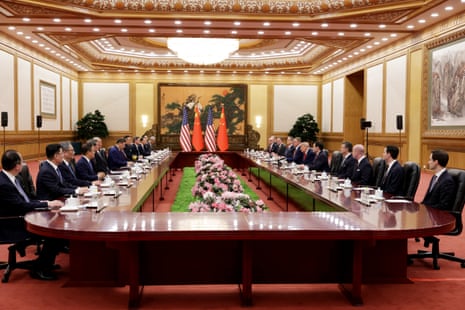
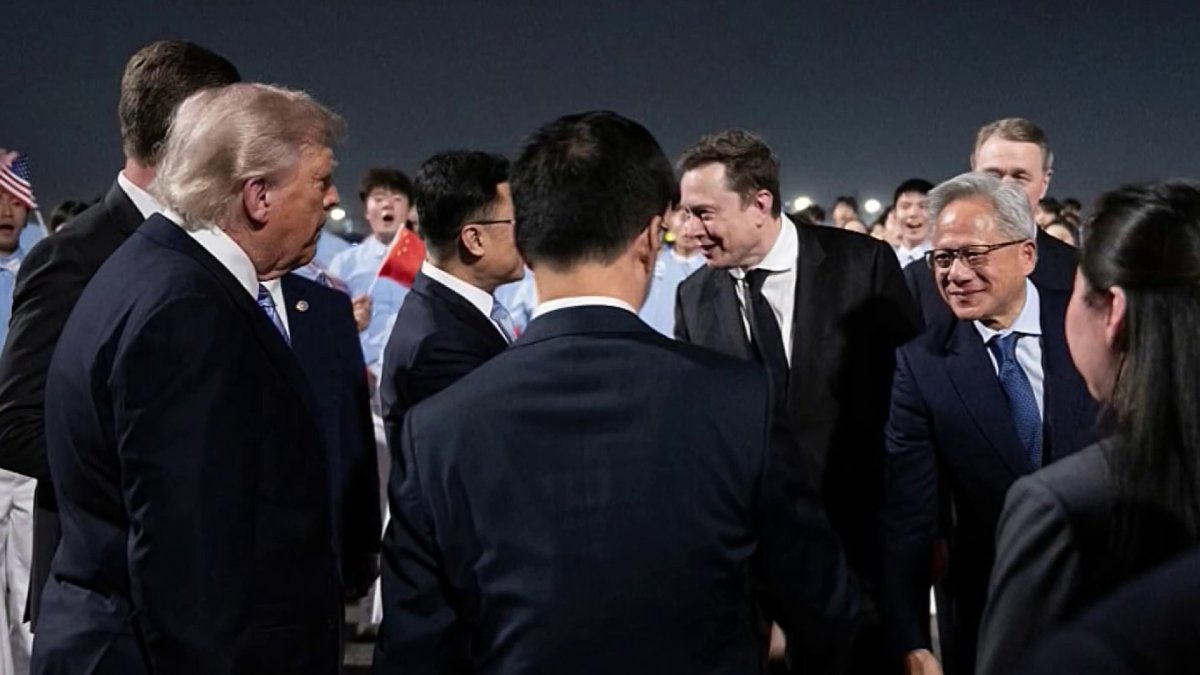
The May 2026 Trump-Xi summit at Beijing's Great Hall of the People represents a critical inflection point for cross-border e-commerce sellers sourcing from or selling to China. While the news articles lack specific tariff announcements, the emphasis on trade as a "top priority" for both leaders signals imminent policy changes that will directly impact tariff rates, supply chain costs, and market access for millions of sellers globally.
Tariff Arbitrage Opportunities and Risk Exposure: The summit's focus on trade negotiations—following a Supreme Court ruling that affected China pressure tools—indicates potential tariff restructuring across multiple HS codes. Sellers currently sourcing electronics (HS 8471-8517), apparel (HS 6204-6206), and home goods (HS 9401-9406) from China face 15-25% tariff exposure depending on final policy outcomes. The timing is critical: any tariff increases announced post-summit could take effect within 30-90 days, creating a narrow window for sellers to lock in current pricing through advance orders or shift sourcing to tariff-advantaged countries like Vietnam, India, or Mexico.
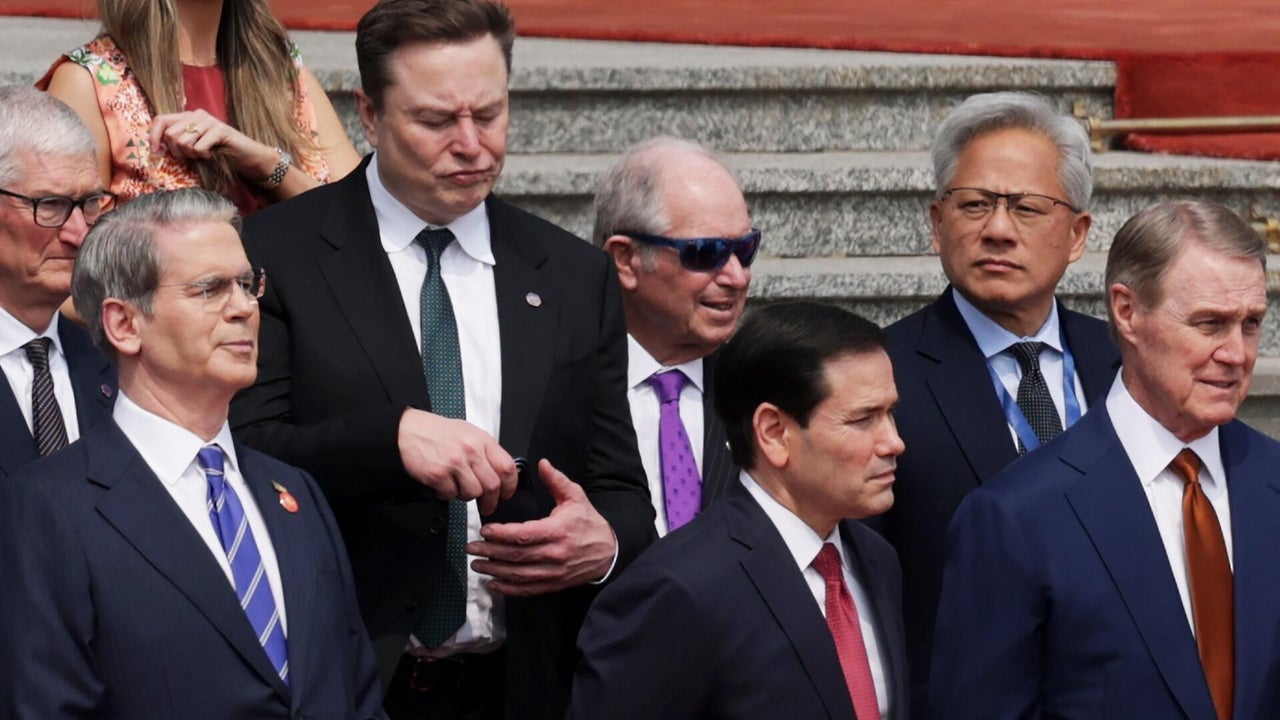
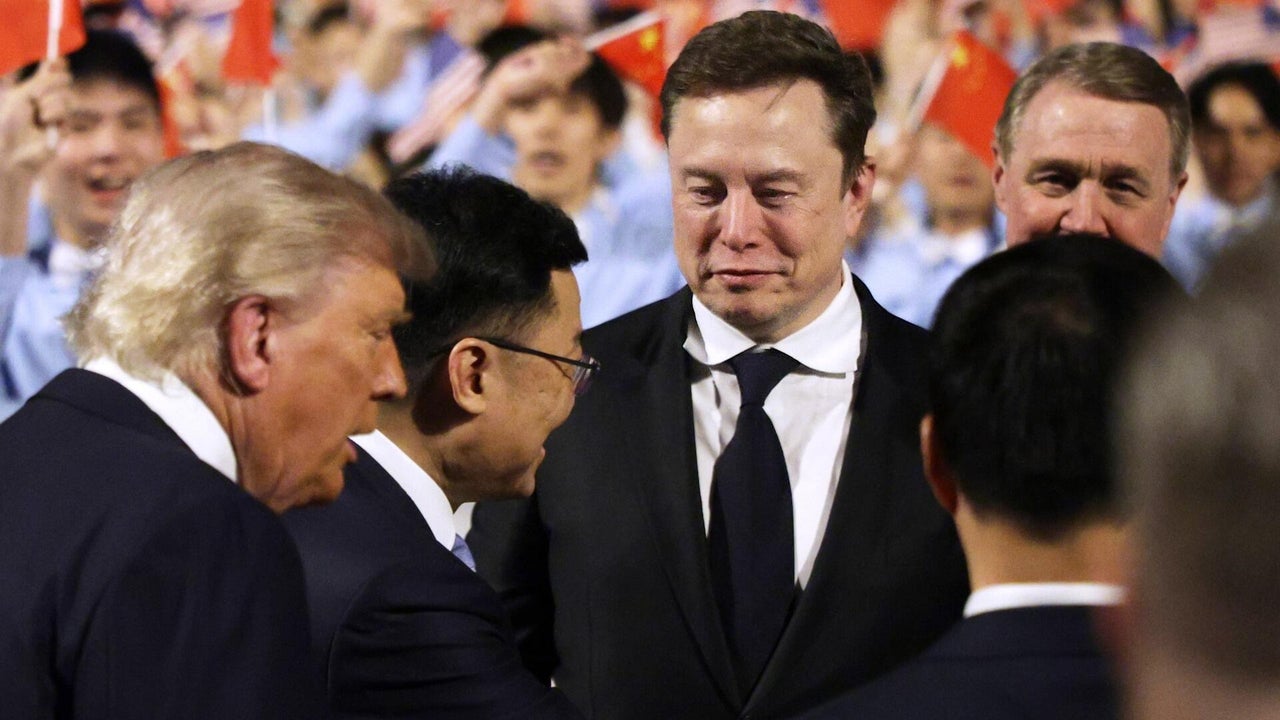
Market Access and Competitive Shifts: The delegation composition—featuring prominent business executives from major corporations—suggests negotiations will address market access barriers in China for US companies. This creates asymmetric opportunities: sellers with established relationships in China may gain preferential access to manufacturing capacity and lower input costs, while competitors without such connections face sourcing delays and price increases. The Taiwan tensions referenced in the news indicate geopolitical risk that could trigger sudden supply chain disruptions, particularly for semiconductor-dependent products (HS 8542) and precision electronics.
Strategic Sourcing Country Shifts: The "trade as priority" messaging suggests potential bilateral agreements that could reshape global supply chains. Sellers should monitor whether negotiations result in tariff reductions for Vietnam, India, or ASEAN partners—creating opportunities to diversify away from China-dependent sourcing. Historical precedent shows trade negotiations typically include sector-specific carve-outs; sellers in favored categories (agricultural products, energy equipment) may see tariff advantages, while others face increased costs.
Compliance and Timeline Urgency: The absence of specific policy details in current reporting creates uncertainty, but the summit's emphasis on trade suggests announcements within 30-60 days. Sellers should prepare contingency plans: audit current China sourcing costs, identify alternative suppliers in tariff-advantaged countries, and model 10-25% tariff increase scenarios across key product categories. The gender representation controversy—while primarily a diplomatic messaging issue—reflects broader shifts in how US-China negotiations are conducted, potentially signaling more confrontational trade stances than previous administrations.
Questions 8
What compliance actions should sellers take immediately after the summit announcement?
Sellers should take three immediate actions: (1) Audit current sourcing by HS code and calculate tariff exposure under 10%, 15%, and 25% scenarios by June 15, 2026; (2) Request quotes from alternative suppliers in Vietnam, India, and Mexico for 20-30% of current volume; (3) Review inventory levels and consider advance orders from China before tariff announcements (if pricing is locked). Update product cost models in your ERP/accounting system to reflect potential tariff increases. Notify your supply chain team and 3PL providers of potential disruptions. For sellers with significant China exposure (>50% of COGS), consider tariff insurance or hedging strategies. Monitor USTR.gov and Chinese Ministry of Commerce daily for official announcements. Failure to prepare could result in 5-15% margin compression within 90 days of tariff implementation.
Which seller segments gain competitive advantages from the Trump-Xi negotiations?
Sellers with established manufacturing relationships in China may gain preferential access to capacity and lower input costs during negotiations, creating 5-10% cost advantages over competitors. Large sellers (>$10M annual volume) with direct China supplier relationships benefit more than small sellers relying on trading companies. Sellers in sectors favored by US negotiators (agricultural equipment, energy, aerospace components) may see tariff reductions or exemptions. Conversely, sellers in consumer electronics and apparel face highest tariff exposure. Small and medium sellers (<$5M volume) should prioritize supplier diversification and tariff hedging strategies. Consider forming buying groups with competitors to negotiate better terms with Vietnam/India suppliers.