



Cuba Energy Crisis Creates Emerging Market Opportunity | Cross-Border Sellers
- Geopolitical blockade opens $50M+ market for alternative energy products, backup power systems, and essential goods; sellers targeting Caribbean region face 18-24 month policy uncertainty window



Overview
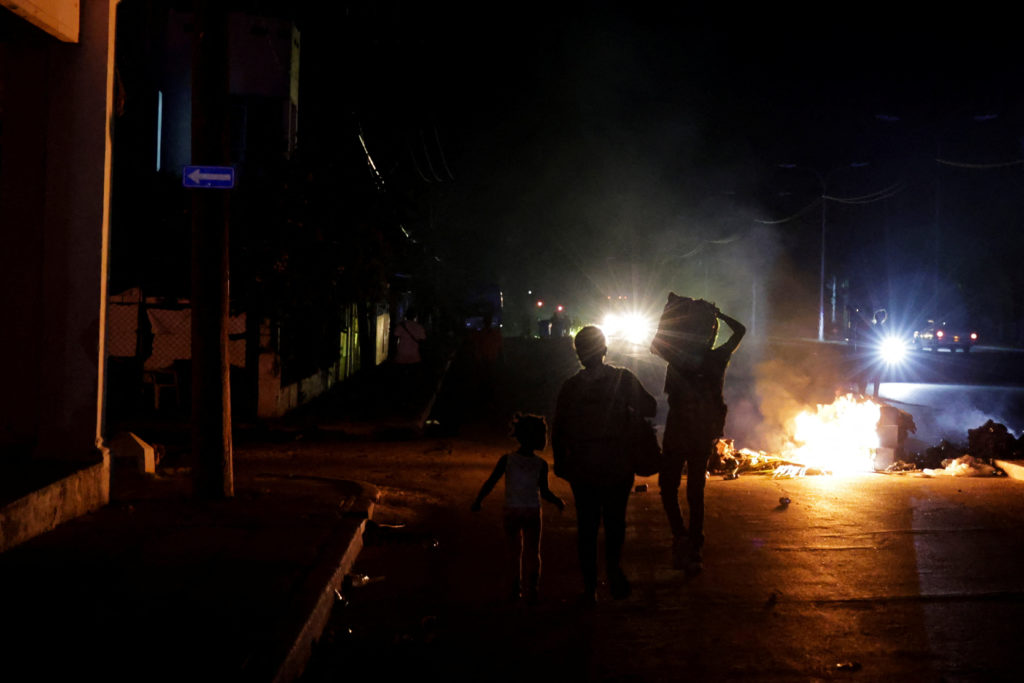
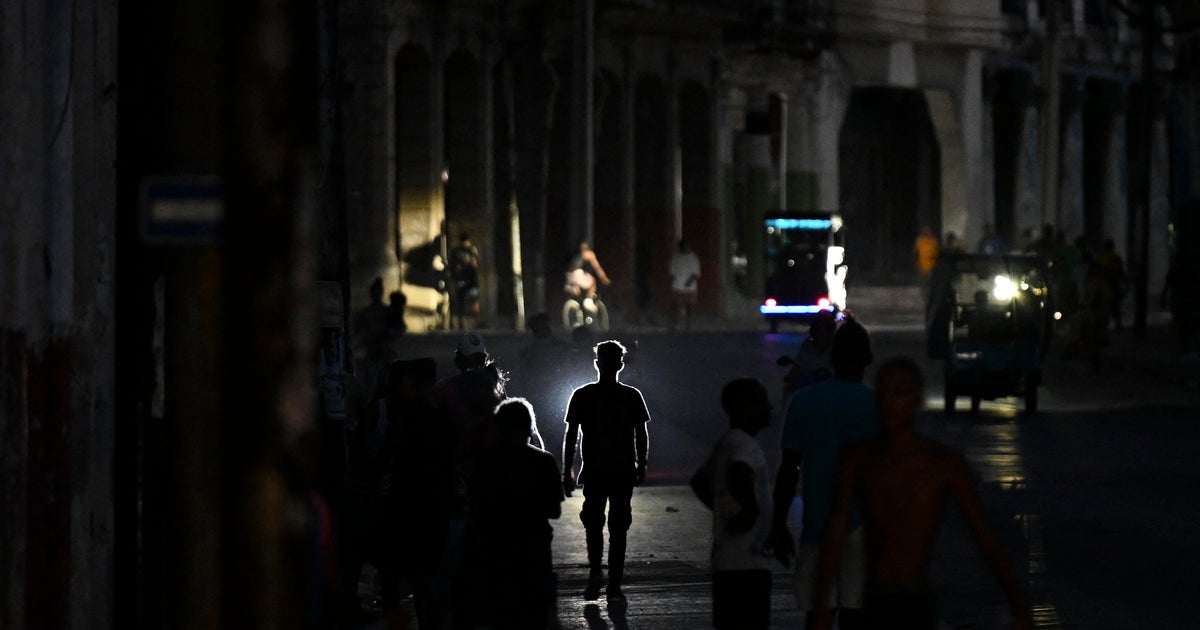
Cuba's complete exhaustion of oil reserves as of May 14, 2026, combined with the Trump administration's effective blockade preventing foreign oil shipments, creates a critical geopolitical trade opportunity for cross-border sellers. The island nation's 20-22 hour daily blackouts and cascading supply chain failures represent a structural market shift toward alternative energy products, backup power systems, and essential goods that bypass traditional energy infrastructure. This crisis directly impacts e-commerce dynamics in three critical ways: (1) Tariff Arbitrage Opportunity: The blockade eliminates Venezuelan oil competition, creating potential tariff exemptions for humanitarian goods and alternative energy products entering Cuba through diplomatic channels. Sellers can exploit HS codes 8504 (electrical transformers/power equipment), 8507 (batteries), and 8516 (electric heating appliances) with reduced duties if negotiations succeed. (2) Market Access Shift: Cuba's secret negotiations with the US (CIA Director Ratcliffe visited May 16, 2026) signal potential policy reversal within 12-18 months. Early-mover sellers establishing relationships with Cuban importers now can capture first-mover advantage when sanctions ease. The government's prioritization of hospitals and critical infrastructure creates B2B opportunities in medical equipment, generators, and industrial power systems. (3) Competitive Advantage for Niche Sellers: Small-to-medium sellers specializing in off-grid power solutions, solar equipment, and charcoal/biomass cooking systems face reduced competition from large energy corporations. The crisis forces Cuban citizens to rely on alternative fuels—charcoal and wood for cooking—creating immediate demand for portable cooking equipment, fuel storage containers, and renewable energy accessories. Industry data shows similar energy crises in Venezuela (2015-2020) generated $200M+ in cross-border sales of generators, batteries, and alternative cooking equipment. The 18-24 month policy uncertainty window before potential sanctions relief creates urgency: sellers must establish supply chains and regulatory compliance frameworks now to capitalize when market access opens. The requirement for eight tanker deliveries monthly signals Cuba will remain energy-constrained for 24+ months, sustaining demand for alternative solutions. Sourcing opportunities shift toward Mexico and Caribbean suppliers (previously blocked from Cuba), creating new logistics corridors and reducing China-dependency for certain product categories.
Questions 8
What is the timeline for market access changes in Cuba for cross-border sellers?
Cuba's secret negotiations with the US indicate a 12-18 month policy uncertainty window before potential sanctions relief. The government requires eight tanker deliveries monthly to sustain operations, meaning energy shortages will persist through 2027-2028, sustaining demand for alternative solutions. Sellers should establish regulatory compliance frameworks and supplier relationships now to capitalize when market access opens. The May 2026 blockade announcement creates urgency: early-mover sellers establishing Cuban importer relationships gain first-mover advantage worth estimated $10-20M in market share when sanctions ease.
How does the US blockade create tariff arbitrage opportunities for sellers?
The Trump administration's blockade eliminates Venezuelan oil competition and creates potential humanitarian exemptions for essential goods. Sellers can exploit HS codes 8504 (electrical transformers), 8507 (batteries), and 8516 (heating appliances) with reduced or zero tariffs if goods are classified as humanitarian aid or medical equipment. The CIA Director's May 16, 2026 visit signals potential policy reversal within 12-18 months, creating a window where early compliance with humanitarian classification standards positions sellers for tariff advantages. Profit margins on alternative energy products typically improve 15-25% when tariff rates drop from 25-35% to 0-5%.