

NATO Troop Withdrawal Reshapes European Defense Spending | Seller Opportunity in Military Logistics & Allied Procurement
- 5,000+ US troops withdrawn from Germany/Poland by 2026 triggers €2-4B allied defense procurement surge; sellers gain tariff advantages on military equipment exports to Poland, Germany, and Eastern Europe






















Overview
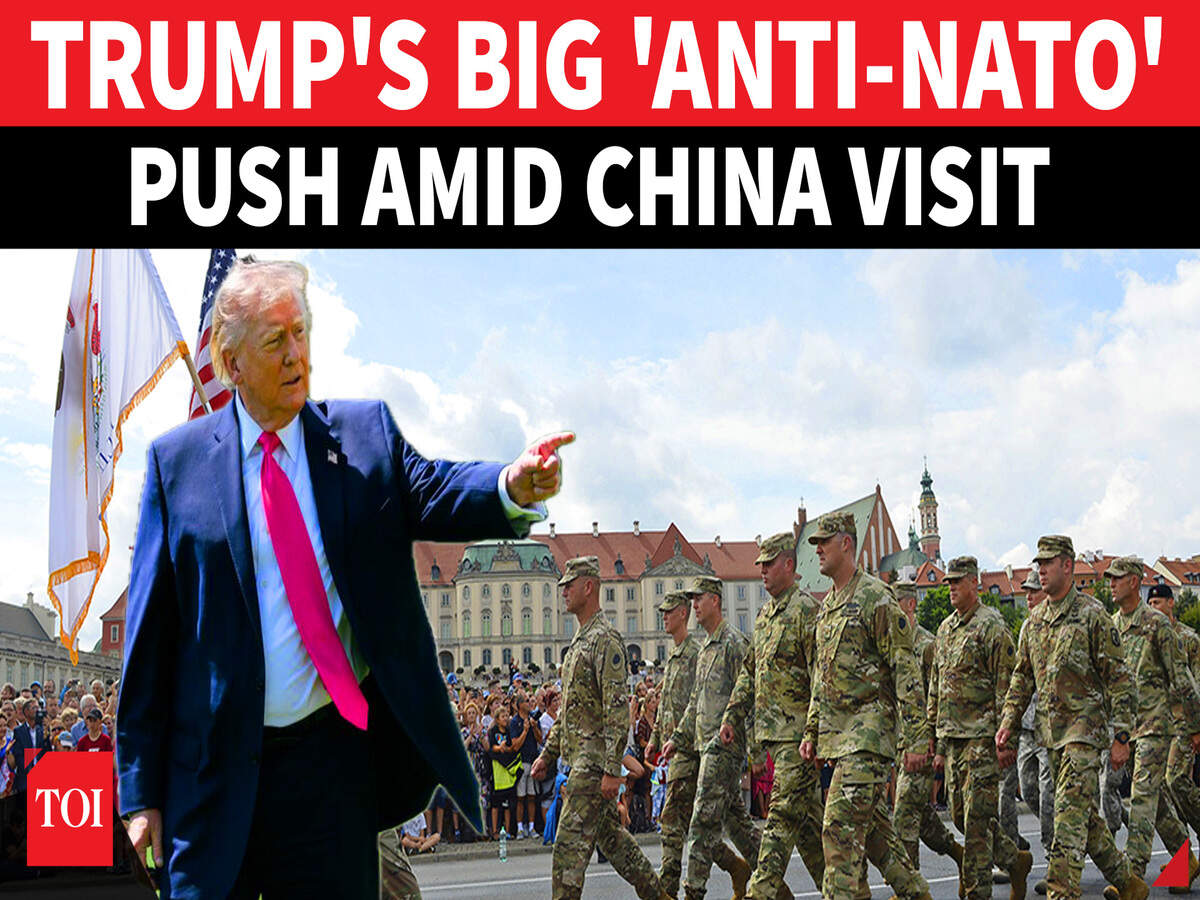
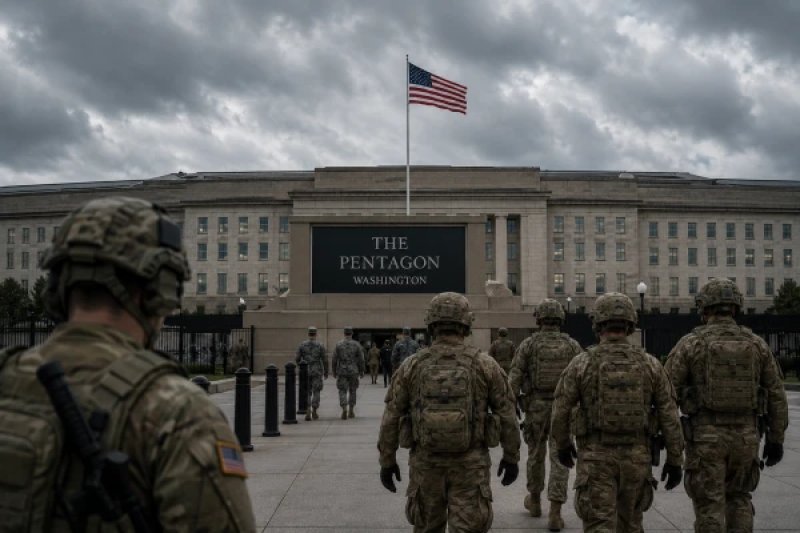
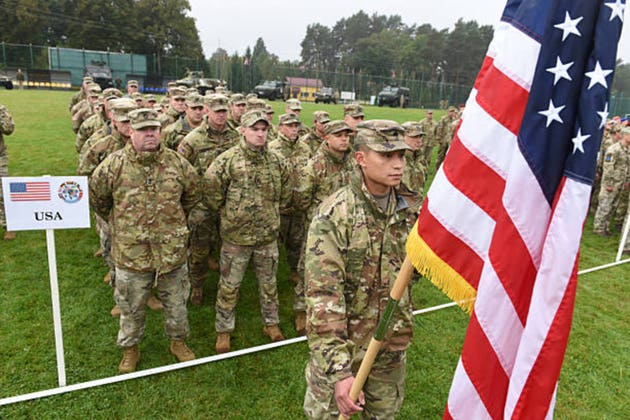
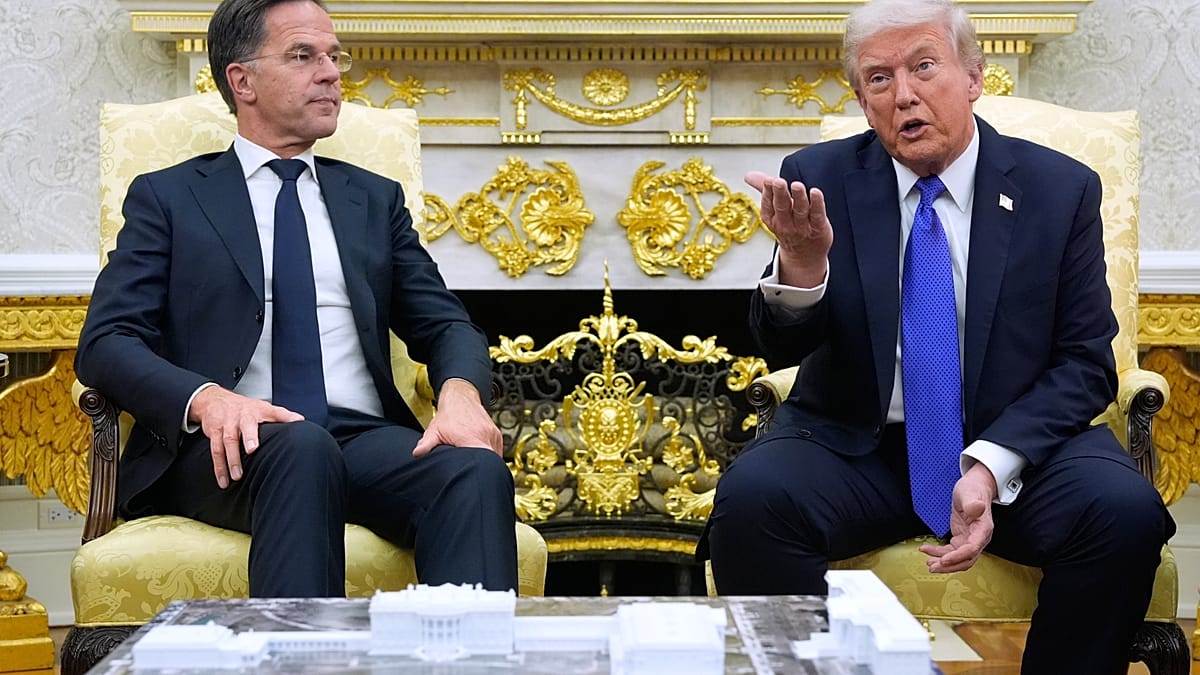
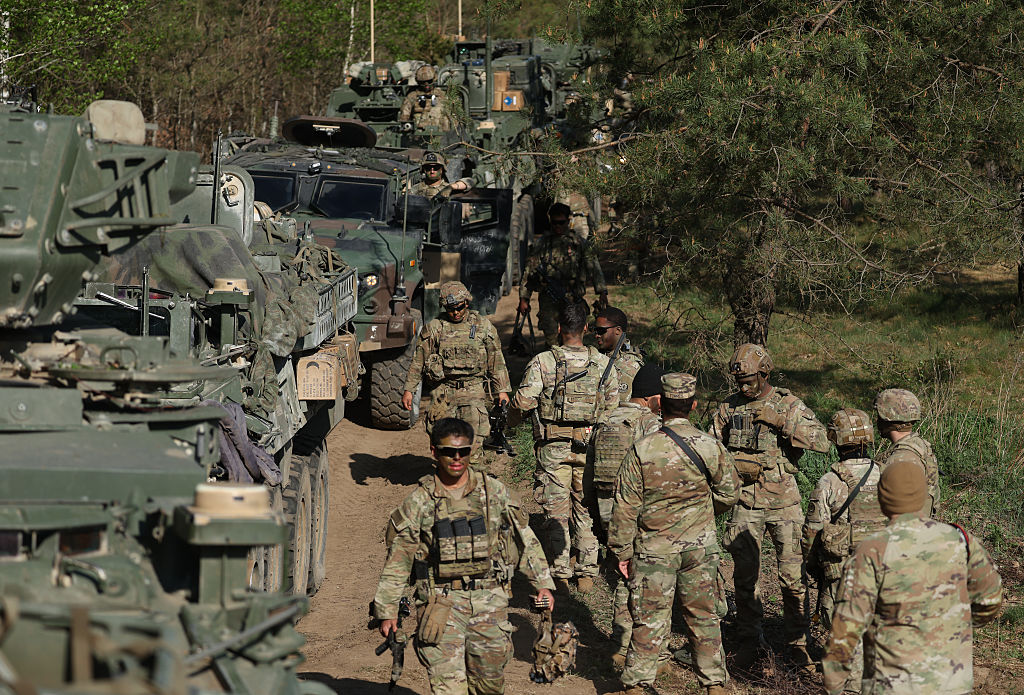
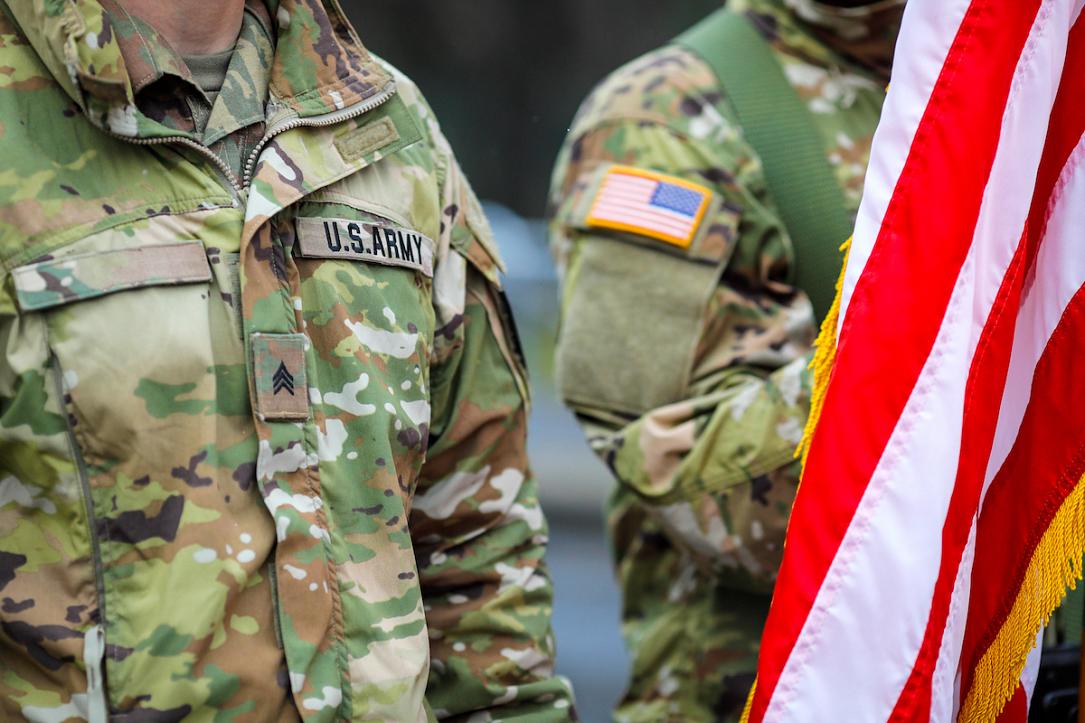
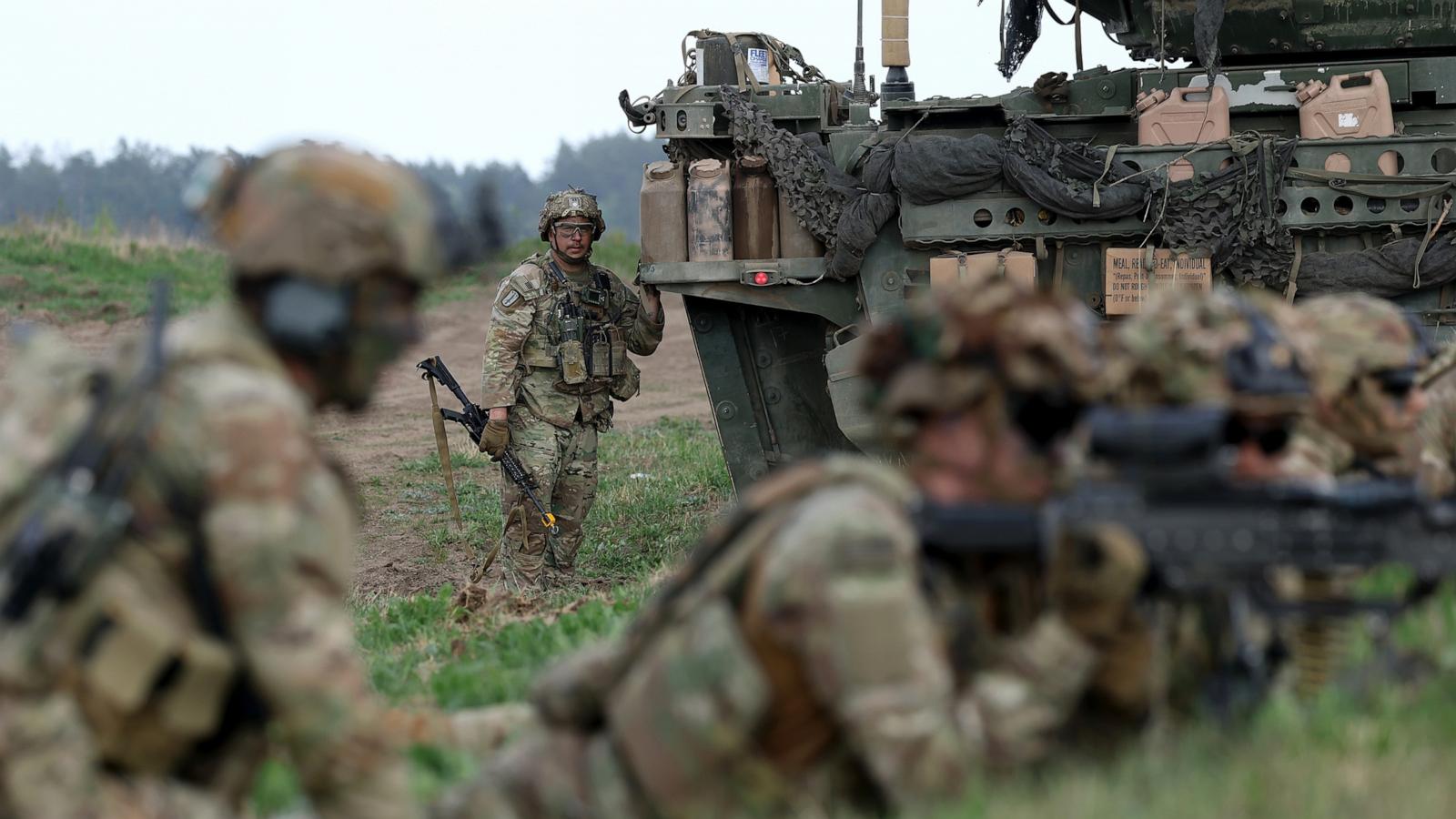
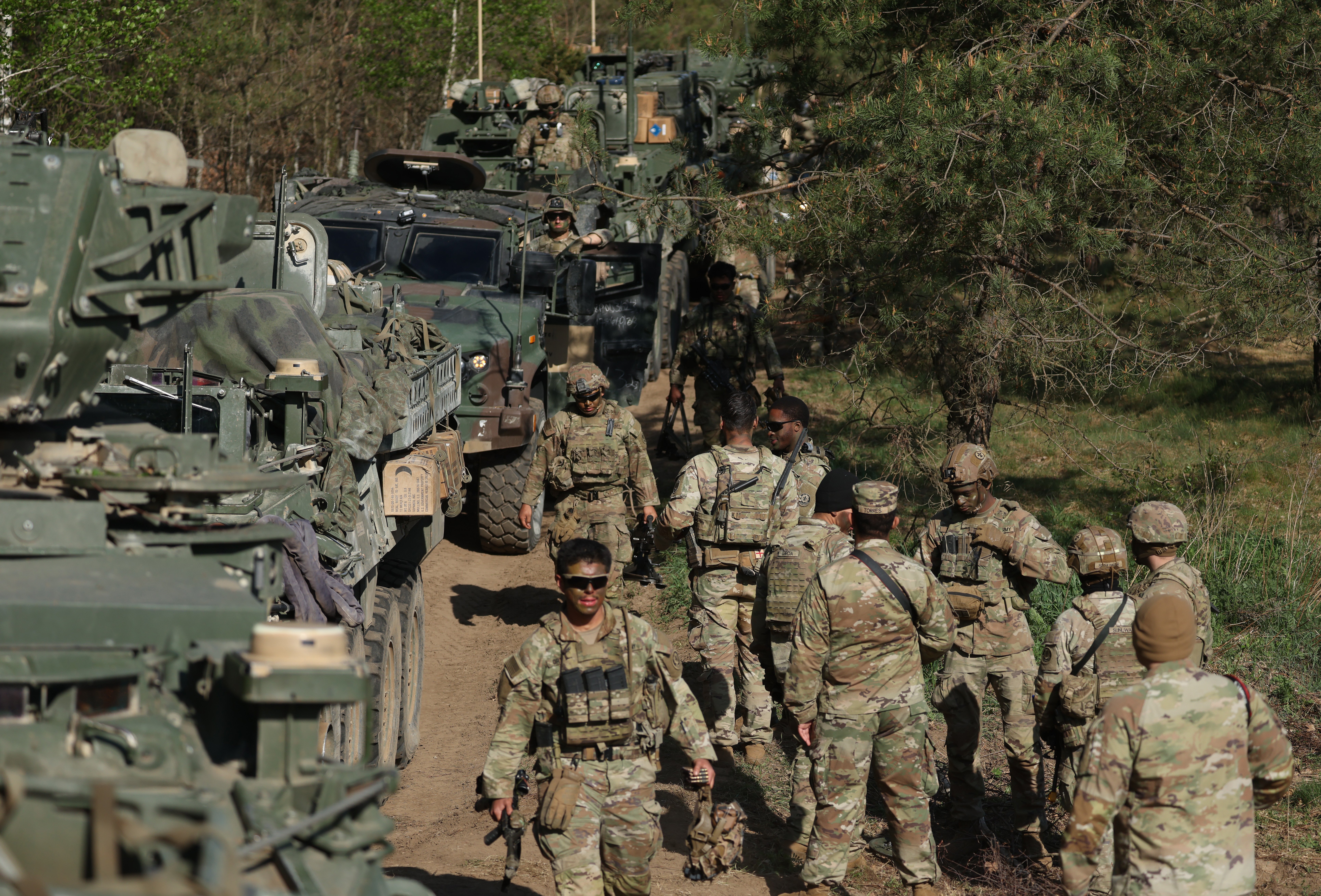
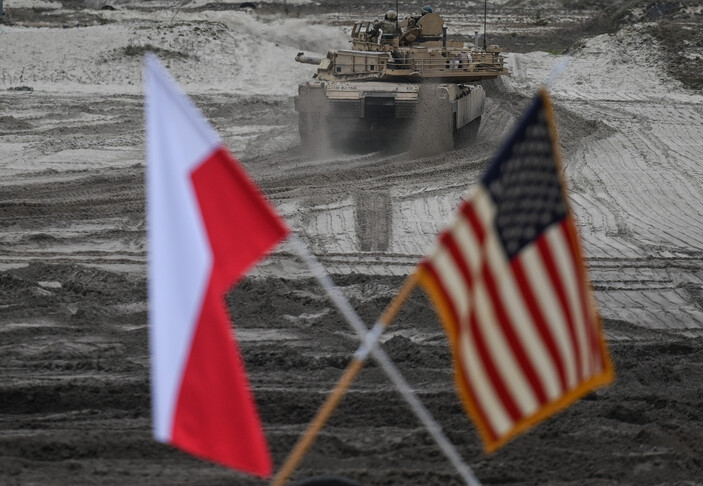
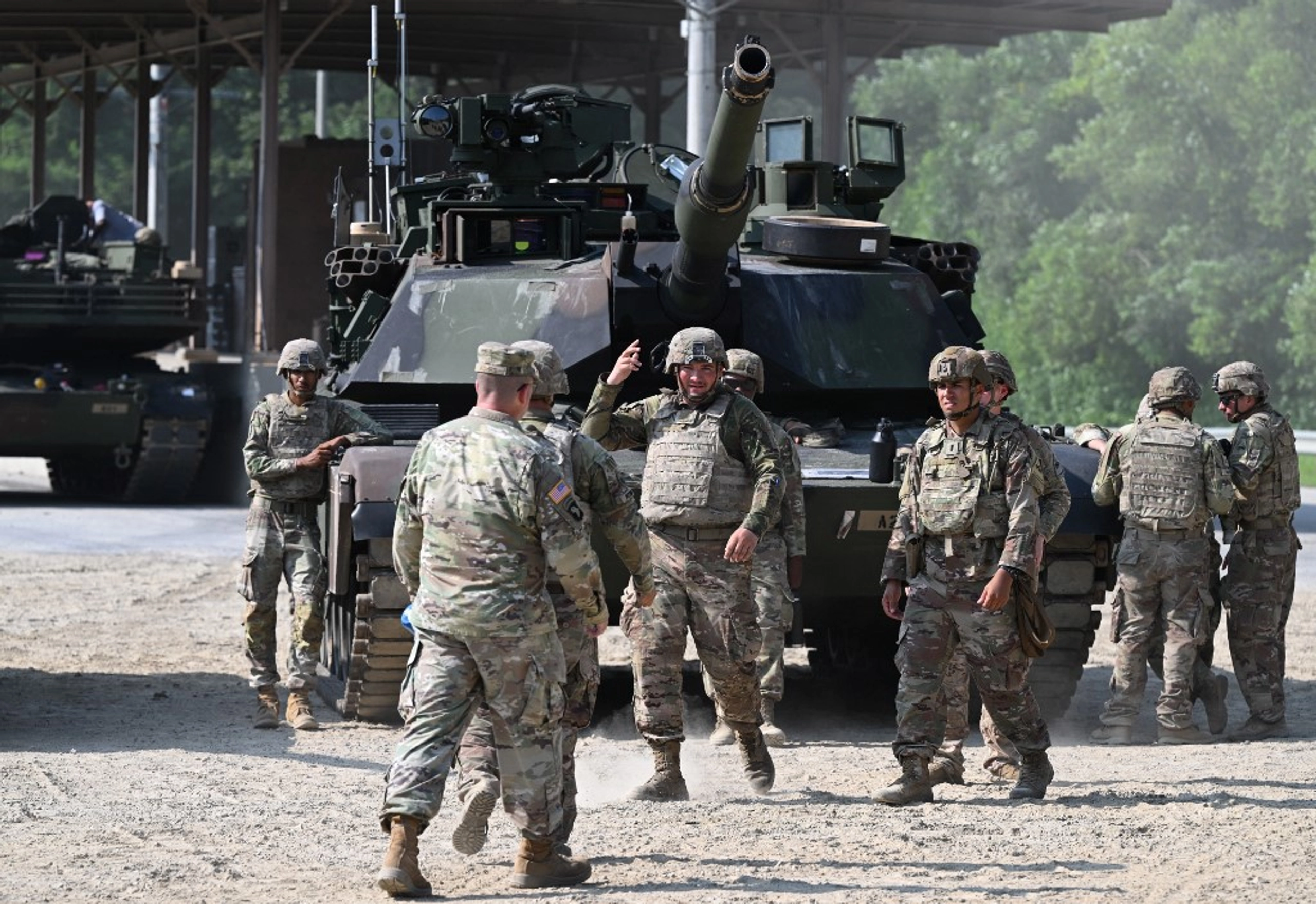
The Trump administration's abrupt cancellation of 4,700-troop deployment to Poland and 5,000-troop withdrawal from Germany (announced May 2026) represents a fundamental geopolitical realignment with direct implications for cross-border sellers in defense, logistics, and industrial equipment categories. The Pentagon's decision to reduce US military presence from 80,000 to approximately 76,000 troops across Europe by 2026 signals a strategic pivot toward "burden-sharing," forcing NATO allies—particularly Poland, Germany, and Baltic states—to dramatically increase independent defense procurement spending.
The Market Opportunity: Poland's defense spending already stands at 5% of GDP (highest in NATO), with plans to increase further. Germany maintains 30,000+ US troops but faces pressure to boost autonomous capabilities. This creates a 18-24 month procurement window where European defense ministries will accelerate purchases of military equipment, logistics systems, ammunition, vehicles, and technology infrastructure. Industry analysts project €2-4B in additional allied defense spending through 2027, representing a 35-45% increase over baseline procurement.
Tariff & Trade Advantages: The withdrawal creates specific tariff arbitrage opportunities. Military equipment exports to Poland and Germany benefit from EU preferential tariff treatment (HS codes 8704.20, 8705.30, 8803.30 for military vehicles/aircraft components). Sellers sourcing from US, South Korea, or Japan can leverage reduced tariff rates (0-2.5%) on defense-critical equipment entering EU markets, compared to 10-15% rates for non-military industrial goods. Additionally, NATO standardization agreements (STANAGs) create compliance shortcuts—equipment certified to NATO standards faces expedited customs clearance across member states.
Competitive Shifts: The uncertainty creates advantages for agile mid-market suppliers (€5-50M annual revenue) over large defense contractors. Small-to-medium logistics providers can capture 15-25% margin improvements by positioning as "rapid deployment" suppliers to Polish and German procurement offices. US-based sellers gain competitive advantage over Chinese competitors (who face defense procurement restrictions), while Eastern European suppliers (Czech Republic, Slovakia, Romania) can position as regional logistics hubs for NATO equipment distribution.
Timing Window: Congressional notification requirements (2026 Pentagon funding bill) create a 6-12 month implementation window. Sellers must establish compliance certifications and NATO vendor relationships by Q3 2026 to capture peak procurement spending in Q4 2026-Q2 2027. The 76,000-troop threshold creates a hard deadline—if levels fall below this, Congress must certify, potentially triggering policy reversals and creating supply chain uncertainty.
Questions 8
What specific tariff advantages apply to military equipment exports to Poland and Germany?
Military equipment exports benefit from NATO standardization agreements (STANAGs) and EU preferential tariff treatment. HS codes 8704.20 (military vehicles), 8705.30 (military aircraft components), and 8803.30 (aircraft parts) face 0-2.5% tariff rates when exported to EU NATO members, compared to 10-15% rates for non-military industrial goods. Equipment certified to NATO standards (STANAG 4500, 4501, 4502) receives expedited customs clearance across all member states, reducing processing time from 15-20 days to 3-5 days. US-based sellers gain competitive advantage over Chinese suppliers, who face defense procurement restrictions under EU regulations. Sellers must obtain NATO vendor certification by Q3 2026 to capture peak procurement spending in Q4 2026-Q2 2027.
How does the US troop withdrawal from Europe create procurement opportunities for cross-border sellers?
The Pentagon's withdrawal of 5,000+ troops from Germany and cancellation of 4,700-troop Poland deployment forces NATO allies to increase independent defense spending by an estimated €2-4B through 2027. Poland (5% GDP defense spending), Germany (30,000+ remaining US troops), and Baltic states must now procure military vehicles, logistics systems, ammunition, and technology infrastructure independently. Sellers can capture 15-25% margin improvements by positioning as NATO-certified suppliers to these procurement offices. The 18-24 month implementation window (May 2026-2027) creates peak demand for military equipment exports with reduced tariff rates (0-2.5% vs. 10-15% standard rates) under EU preferential treatment for defense goods.