

Trump-Xi Summit Signals Major Trade Policy Shift | Tariff Implications for Cross-Border Sellers
- High-level US-China negotiations prioritize trade; sellers face potential tariff changes, supply chain disruptions, and sourcing strategy shifts in 2026
Overview
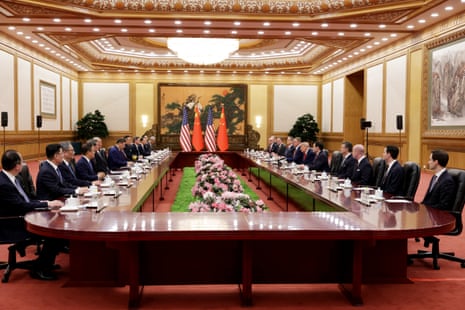
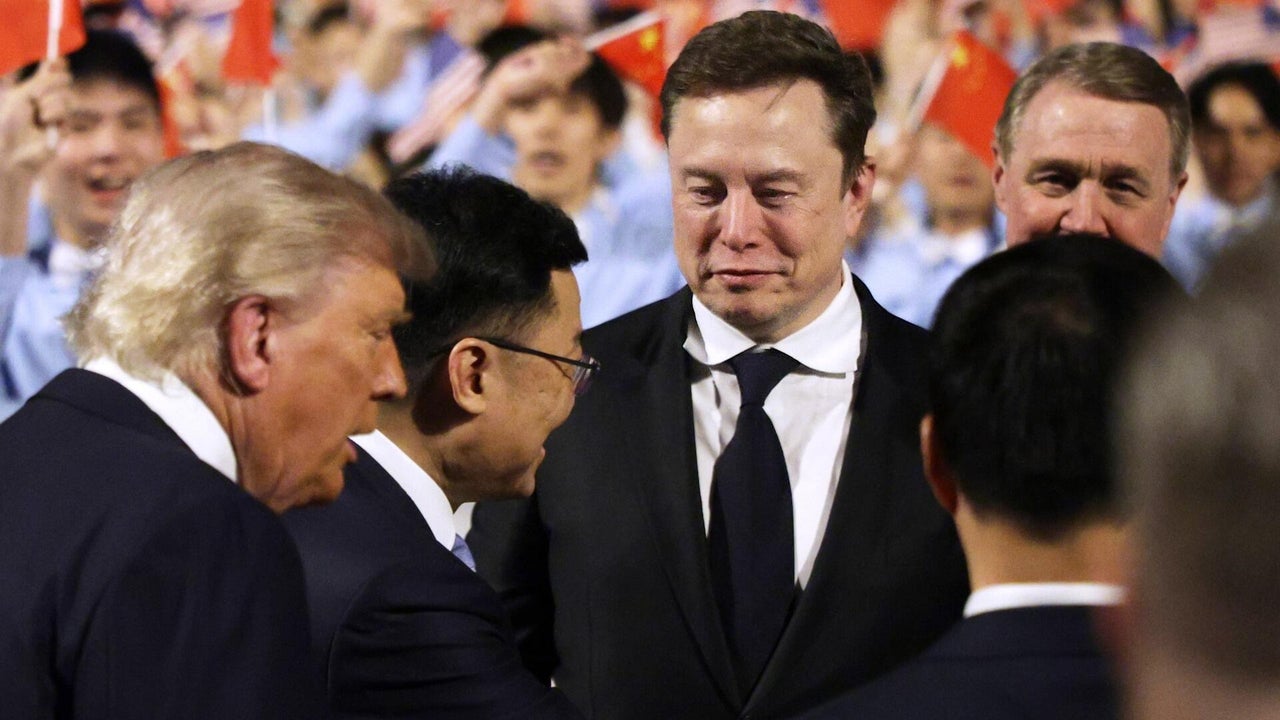
The May 2026 Trump-Xi summit in Beijing represents a critical inflection point for cross-border e-commerce sellers sourcing from or selling Chinese products. Trump's delegation of prominent business executives—including corporate titans from major industries—signals that trade policy will be a central negotiating priority, with explicit emphasis on tariff structures and market access. The summit's focus on trade as a "top priority" for both leaders, combined with references to Taiwan tensions and Supreme Court rulings affecting China pressure tools, indicates imminent policy announcements that could reshape tariff schedules, particularly for HS codes in consumer electronics (HS 8471-8517), apparel (HS 6204-6209), and home goods (HS 9406-9406).
Tariff Arbitrage Opportunities: Sellers should immediately audit their product portfolios by HS code to identify which categories might benefit from tariff reductions or exemptions emerging from negotiations. Historically, US-China trade talks have produced sector-specific tariff relief—electronics manufacturing benefited from Phase One deal reductions in 2020. Current negotiations could similarly target high-volume categories where US retailers have lobbied for relief. Sellers with inventory in tariff-sensitive categories (footwear at 12-25% rates, textiles at 15-20%) should monitor announcement timelines closely; tariff reductions could compress margins by 3-8% if competitors rapidly adjust pricing downward.
Supply Chain Repositioning: The emphasis on trade tensions and Taiwan discussions suggests continued uncertainty around China-sourced products. Sellers should evaluate diversification strategies toward Vietnam, India, and Indonesia for categories where tariff differentials make alternative sourcing economically viable. Vietnam's preferential tariff treatment under CPTPP (0-5% rates on many categories vs. 15-25% from China) creates a 10-20 percentage point margin advantage for sellers who can shift sourcing within 60-90 days. The timing window is critical—policy announcements typically trigger 30-60 day sourcing decisions before new tariff regimes take effect.
Market Access Shifts: The delegation's composition (business heavyweights, not traditional diplomats) suggests negotiations may focus on market access barriers rather than tariff rates alone. Chinese market access for US sellers in e-commerce, digital services, and consumer goods could expand, creating new sourcing and distribution opportunities. Conversely, restrictions on Chinese sellers accessing US platforms (Amazon, eBay, Walmart) could intensify, reducing competition for US-based sellers but potentially triggering retaliatory measures affecting US sellers in Chinese marketplaces.
Gender Representation and Corporate Governance Signals: The Guardian's reporting on the all-male delegation composition carries subtle but significant implications for seller strategy. The absence of women in formal negotiations—contrasting with Obama-era summits that included prominent female officials—signals a potential shift toward traditional power dynamics and potentially more aggressive negotiating stances. This "masculine, militarized" approach, as characterized by Stanford experts, historically correlates with harder-line trade positions and less flexibility on tariff concessions. Sellers should interpret this as a signal that negotiations may produce more protectionist outcomes than collaborative trade frameworks, requiring more defensive supply chain strategies.
Questions 8
What compliance shortcuts can sellers legally use to minimize tariff impact?
Sellers can legally optimize tariff exposure through: (1) **Tariff classification optimization**—work with customs brokers to identify lower-tariff HS codes for products that qualify under multiple classifications (potential 5-15% savings); (2) **Country of origin planning**—source components from CPTPP countries (Vietnam, Japan, Singapore) to qualify for preferential rates; (3) **Duty drawback programs**—if exporting products, recover tariffs paid on imported inputs (3-8% cash recovery); (4) **Free Trade Zone (FTZ) warehousing**—defer tariff payments until goods enter US commerce (working capital benefit of 30-90 days). These strategies require advance planning with customs brokers and supply chain partners but can reduce effective tariff rates by 10-20% without violating regulations.
How might Taiwan tensions affect electronics and semiconductor sellers?
The summit's explicit discussion of Taiwan tensions signals potential restrictions on electronics and semiconductor sourcing from China. Taiwan produces 60%+ of global semiconductors and supplies critical components for consumer electronics, IoT devices, and computing products. Escalating Taiwan tensions could trigger export controls on advanced chips (HS 8542) and electronics components (HS 8517). Sellers relying on Taiwan-sourced components should diversify toward South Korean (Samsung, SK Hynix) and Japanese (Sony, Panasonic) suppliers. Monitor OFAC and BIS export control announcements closely; restrictions could take effect within 30-60 days of policy decisions, creating supply chain disruptions for sellers unprepared with alternative sourcing.