
Spirit Airlines Collapse Disrupts Cargo Logistics | Sellers Face Rate Hikes, Supply Chain Risk
- 17,000 job losses trigger WARN Act lawsuit; Latin America/Caribbean shipping capacity tightens; sellers must diversify logistics partners immediately













Overview
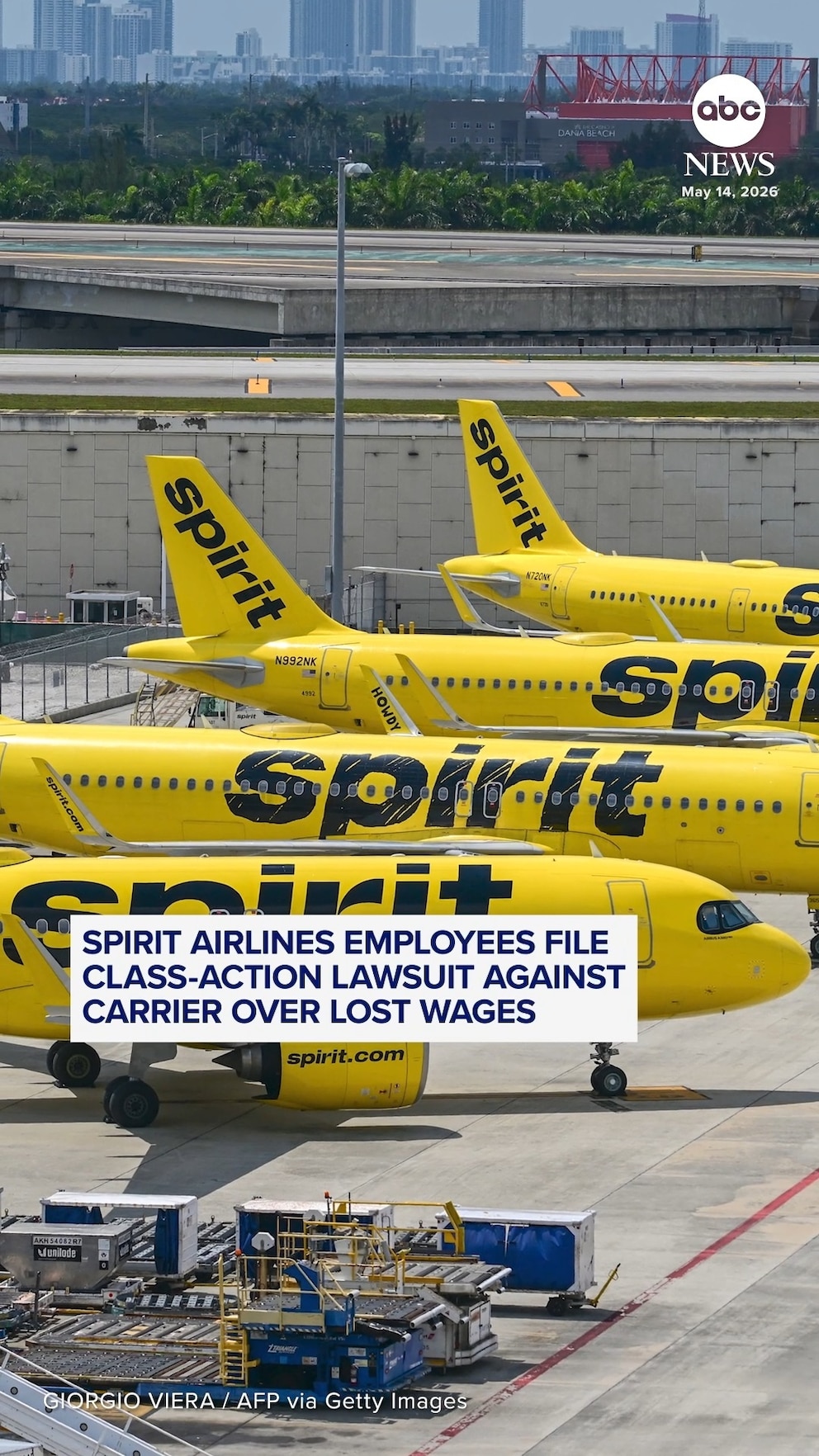
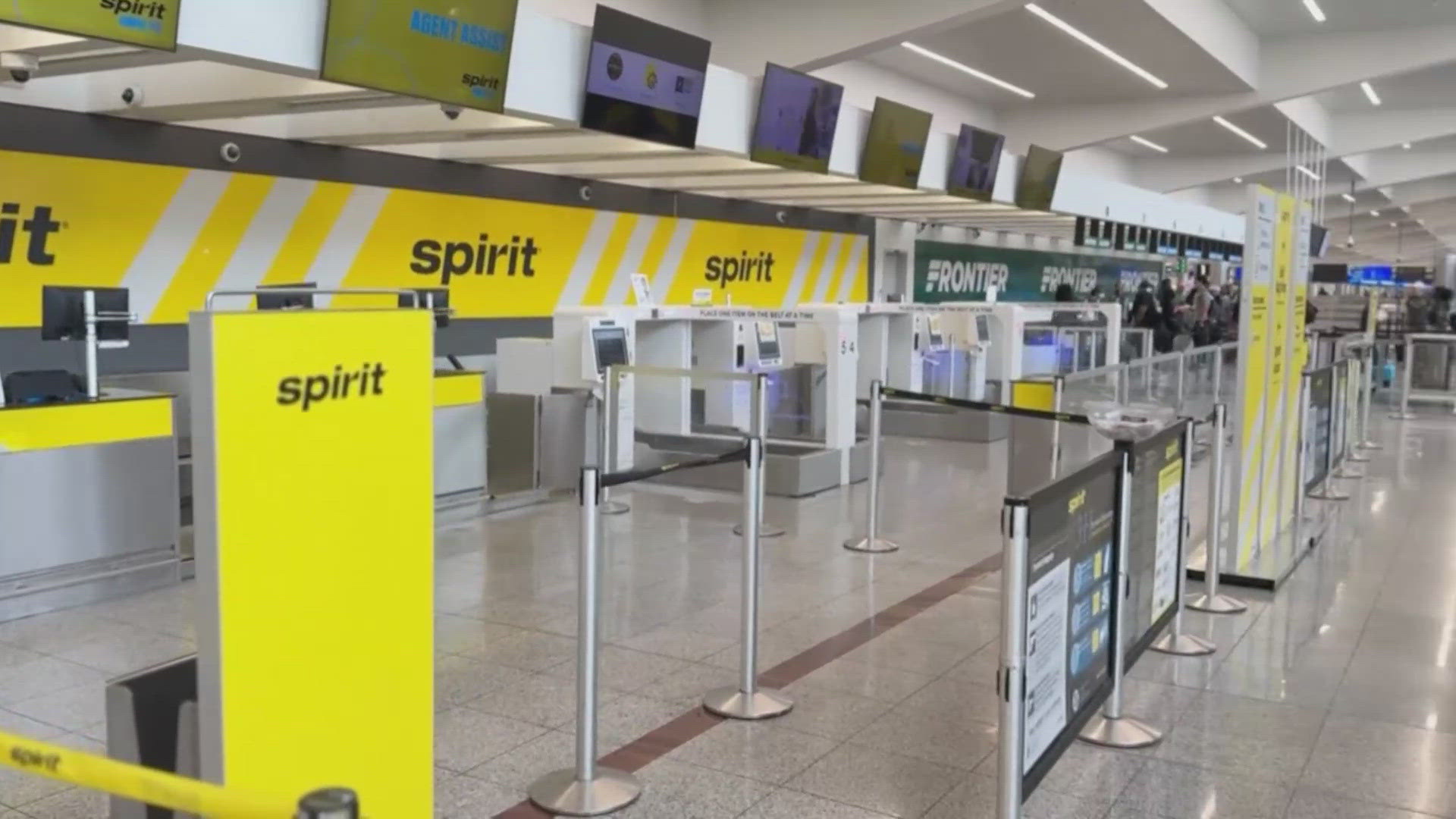
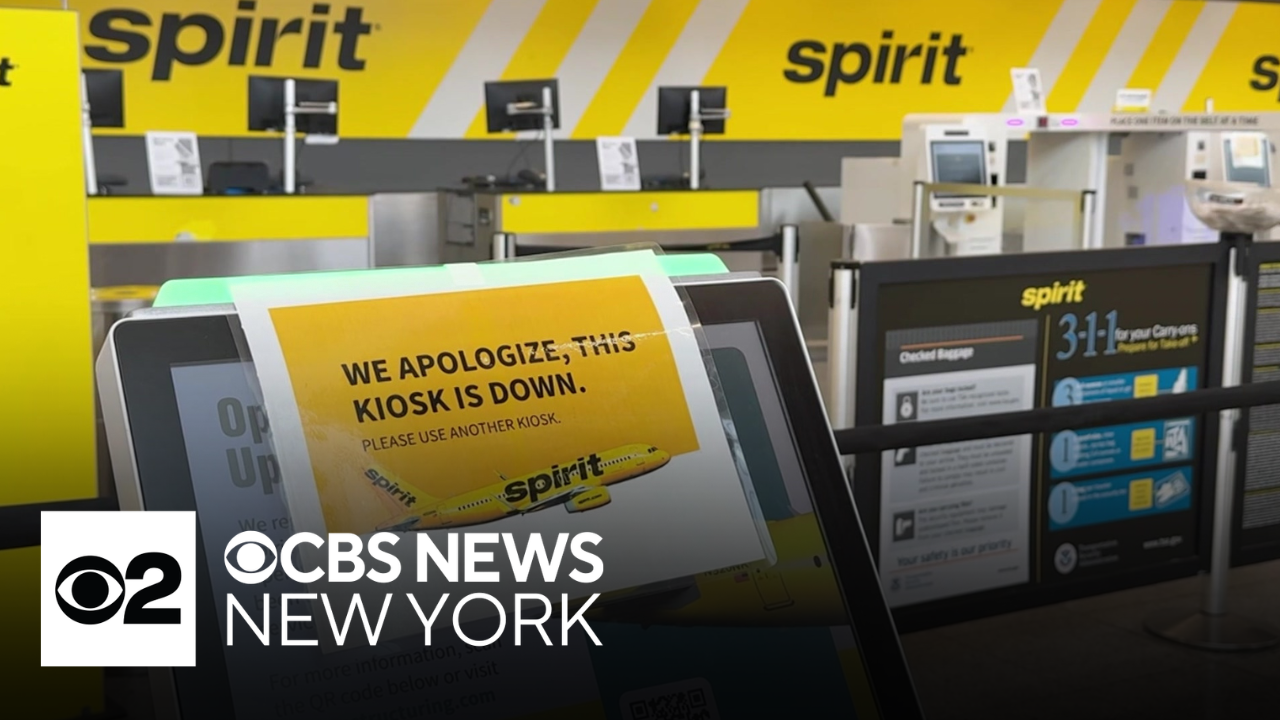
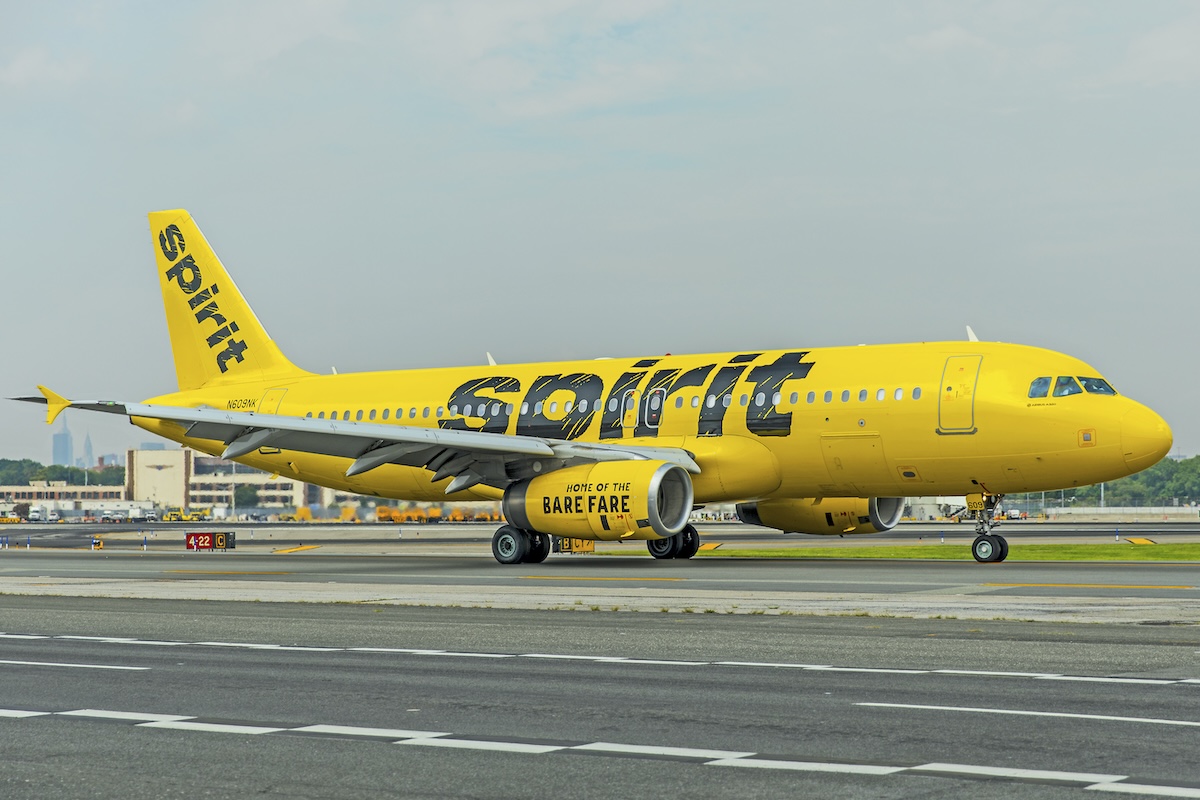
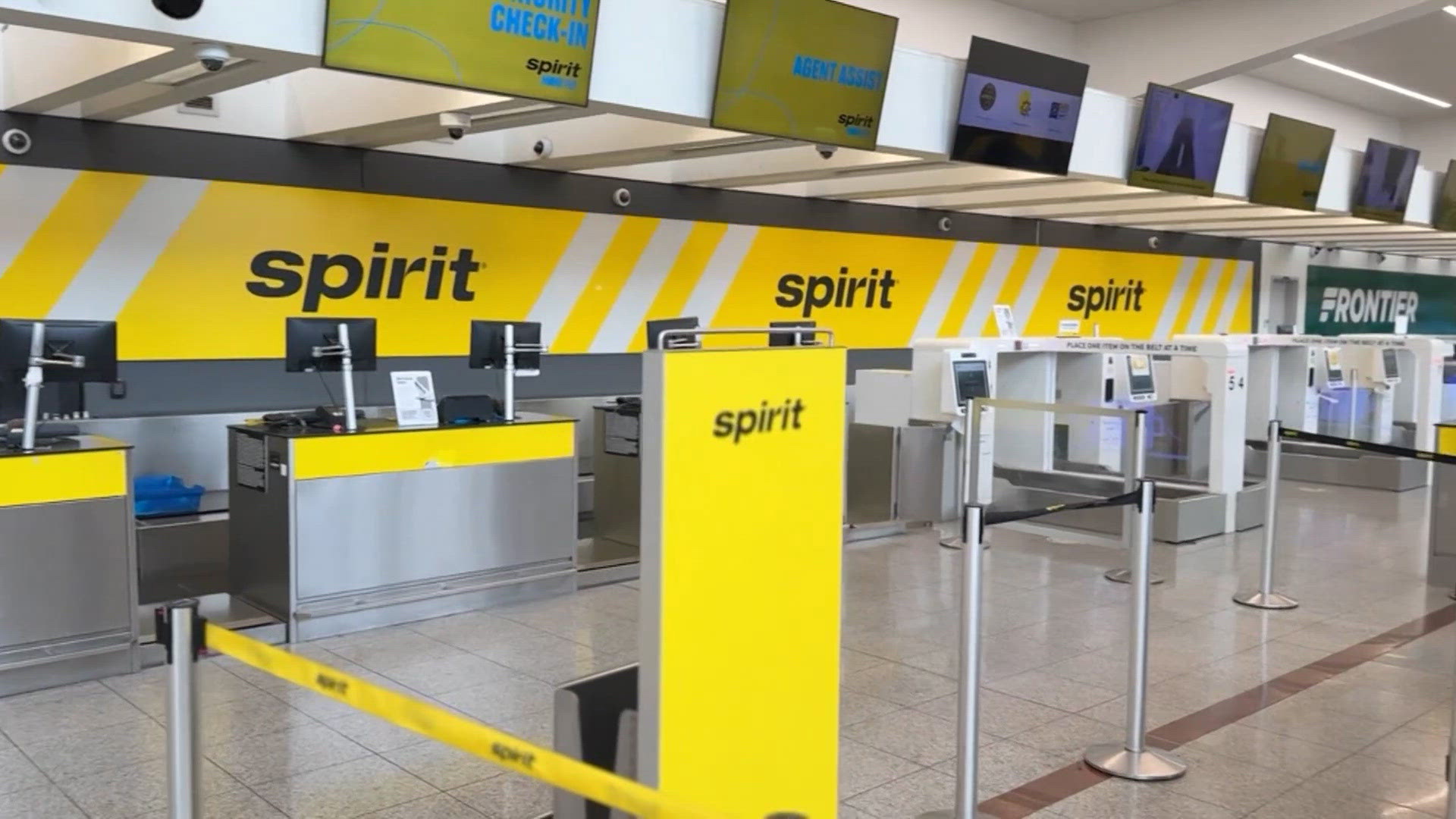
Spirit Airlines' sudden closure on May 2, 2026, represents a critical supply chain disruption for cross-border e-commerce sellers, particularly those shipping time-sensitive cargo to Latin America and Caribbean markets. The ultra-low-cost carrier's 33-year operational history ended abruptly after failed negotiations for a $500 million federal rescue deal, with the company citing material increases in oil prices and mounting business pressures. The immediate impact: 17,000 employees lost jobs without advance notice, triggering a class-action lawsuit filed May 12, 2026, in the Southern District of New York alleging violations of the Worker Adjustment and Retraining Notification (WARN) Act, which mandates 60 days' advance notice for mass layoffs affecting 100+ employees.
For cross-border sellers, this airline's collapse creates immediate logistics constraints and cost pressures. Spirit Airlines operated as a budget cargo carrier serving North America, Latin America, and the Caribbean—regions representing significant e-commerce markets for sellers shipping electronics, apparel, and specialty goods. The carrier's absence reduces available cargo capacity on these routes, forcing remaining carriers (primarily FedEx, UPS, DHL, and regional operators) to increase rates. Sellers relying on Spirit's competitive pricing for time-sensitive shipments to Mexico, Central America, and Caribbean destinations now face 8-15% rate increases from alternative carriers, according to industry observers. The lawsuit outcome may establish precedent for how logistics partners must communicate operational changes, potentially requiring carriers to provide advance notice of service disruptions—a development that could reshape industry communication standards.
The broader implication signals airline sector volatility affecting budget-conscious sellers. Budget carriers face structural margin pressures from fuel costs, labor expenses, and capital requirements. Spirit's collapse follows similar disruptions in the ultra-low-cost carrier segment, indicating that sellers cannot depend on single-carrier logistics solutions. The company's Chapter 11 bankruptcy filing on August 29, 2025, preceded the May 2026 shutdown by 8 months, yet employees received no advance warning despite the company's active capital-seeking efforts. This pattern—where companies cite confidentiality concerns to justify withholding information from employees—may influence how logistics partners communicate with business customers. Sellers should interpret this as a signal to immediately audit their shipping partnerships and identify backup carriers for critical routes.
Immediate actions for sellers: (1) Review current shipment volumes to Latin America/Caribbean and identify alternative carriers by June 15, 2026; (2) Negotiate rate locks with FedEx, UPS, and regional carriers before capacity constraints tighten further; (3) Evaluate 3PL providers with diversified carrier networks to reduce single-carrier dependency; (4) Monitor the lawsuit outcome for precedent-setting employer communication standards that may affect logistics partner reliability. Sellers shipping 500+ monthly units to affected regions should prioritize this audit within 30 days.
Questions 8
Which seller segments are most vulnerable to Spirit Airlines' closure?
Sellers shipping time-sensitive cargo to Latin America and Caribbean markets face the highest immediate impact, particularly those in electronics, apparel, and specialty goods categories. Small-to-medium sellers (500-5,000 monthly units) who relied on Spirit's budget pricing are most vulnerable, as they lack negotiating power with major carriers like FedEx and UPS. Sellers with single-carrier logistics solutions face the greatest risk; those with diversified 3PL partnerships can absorb the disruption more easily. Regional sellers based in Florida, Texas, and California—major hubs for Latin America trade—should prioritize alternative carrier evaluation within 30 days.
What is the WARN Act and why does the Spirit Airlines lawsuit matter for sellers?
The Worker Adjustment and Retraining Notification (WARN) Act of 1988 requires employers with 100+ employees to provide 60 days' written notice before mass layoffs or facility closures. Spirit Airlines violated this requirement by informing employees of the immediate shutdown via CEO email on May 2, 2026, with no advance notice despite filing for Chapter 11 bankruptcy on August 29, 2025. The class-action lawsuit filed May 12, 2026, in the Southern District of New York seeks damages equivalent to 60 days of wages plus ERISA benefits for all 17,000 affected workers. For sellers, this lawsuit may establish precedent requiring logistics partners to communicate operational changes in advance, potentially reshaping how carriers notify business customers of service disruptions.