



Gmail Storage Cuts 67% for New Accounts | Seller Account Management Impact 2026
- Google reduces free storage from 15GB to 5GB for new accounts effective March 2026; requires phone verification to unlock full allocation; affects multi-account sellers and regional operations in Kenya, Nigeria, and beyond





)




Overview
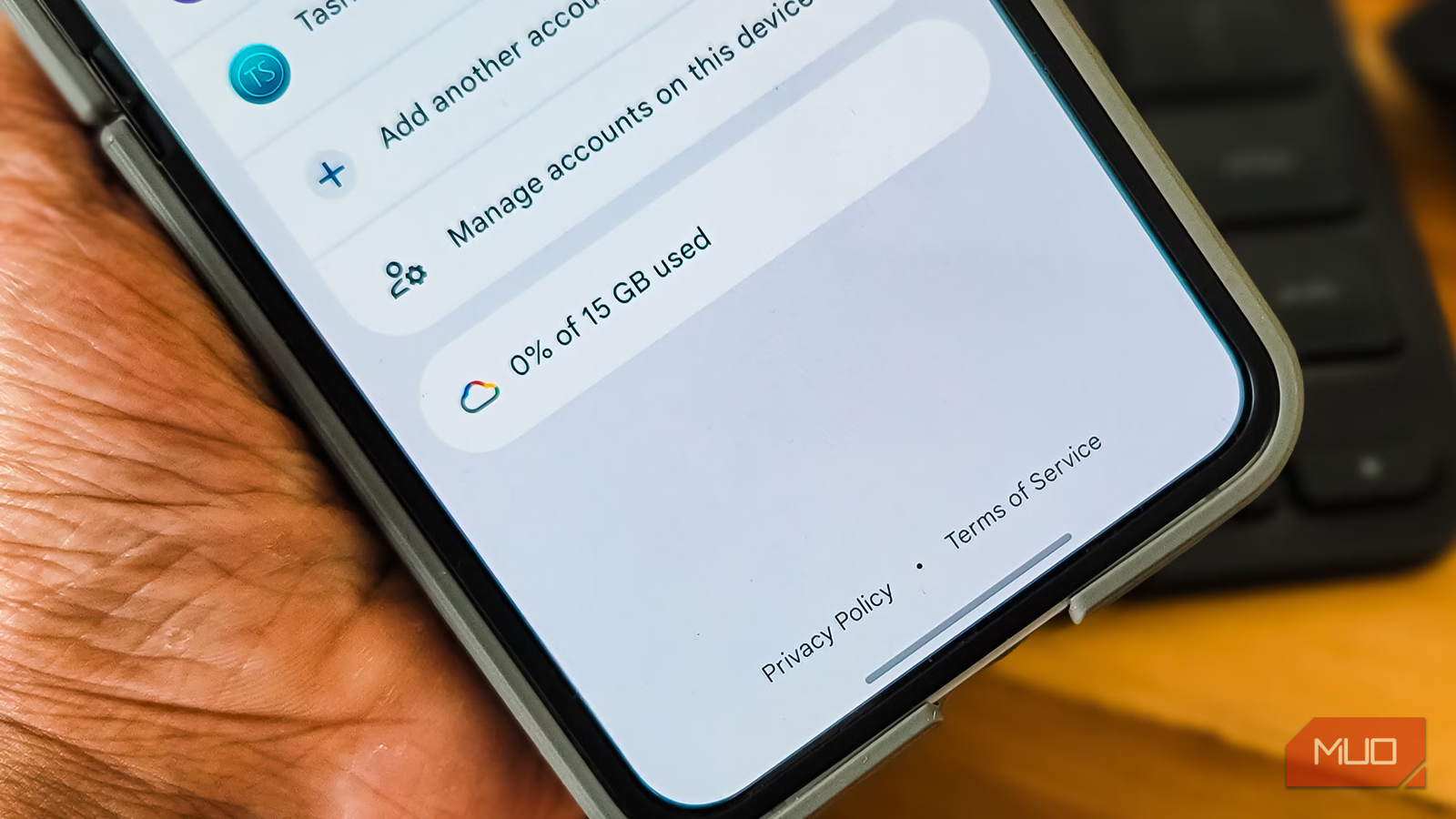
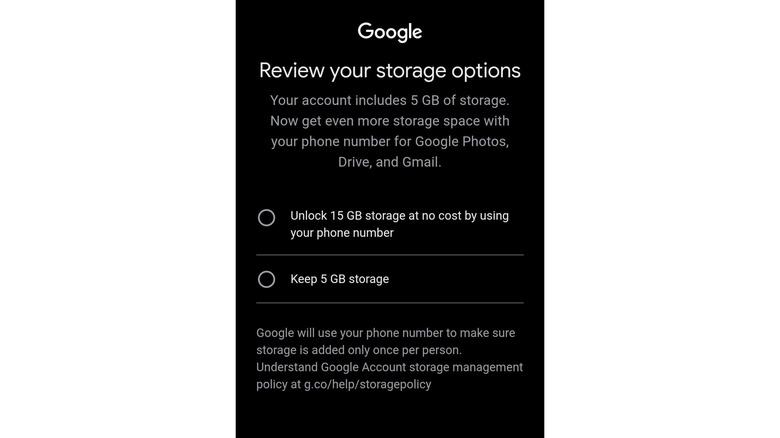
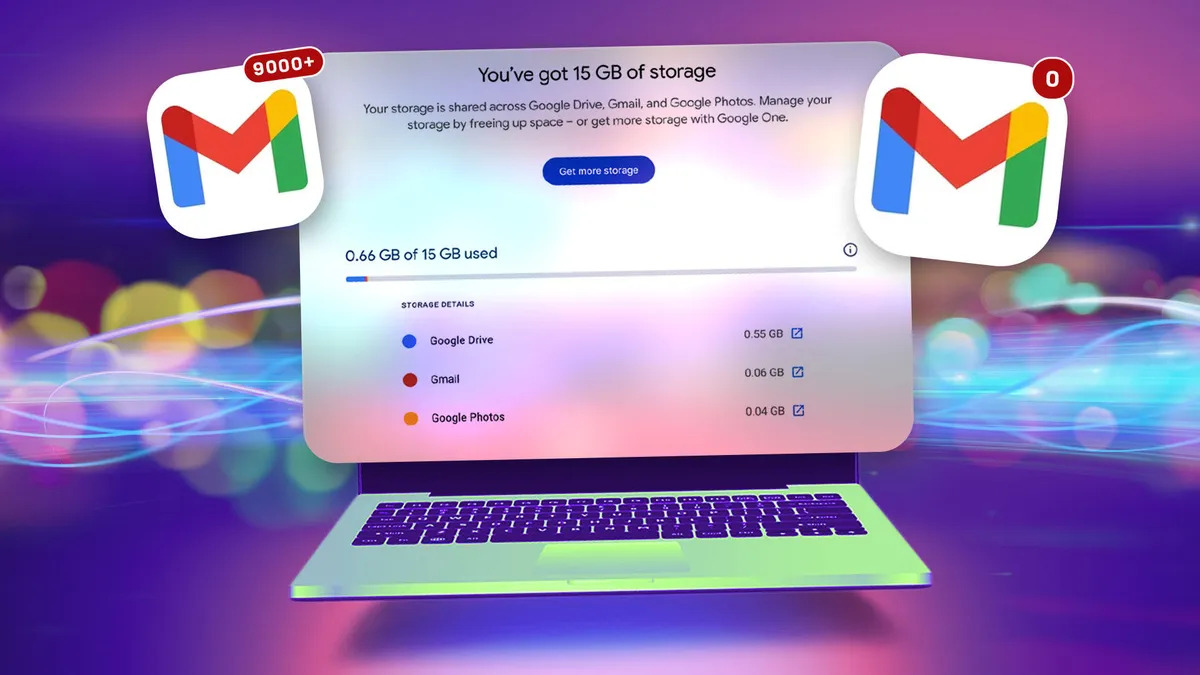
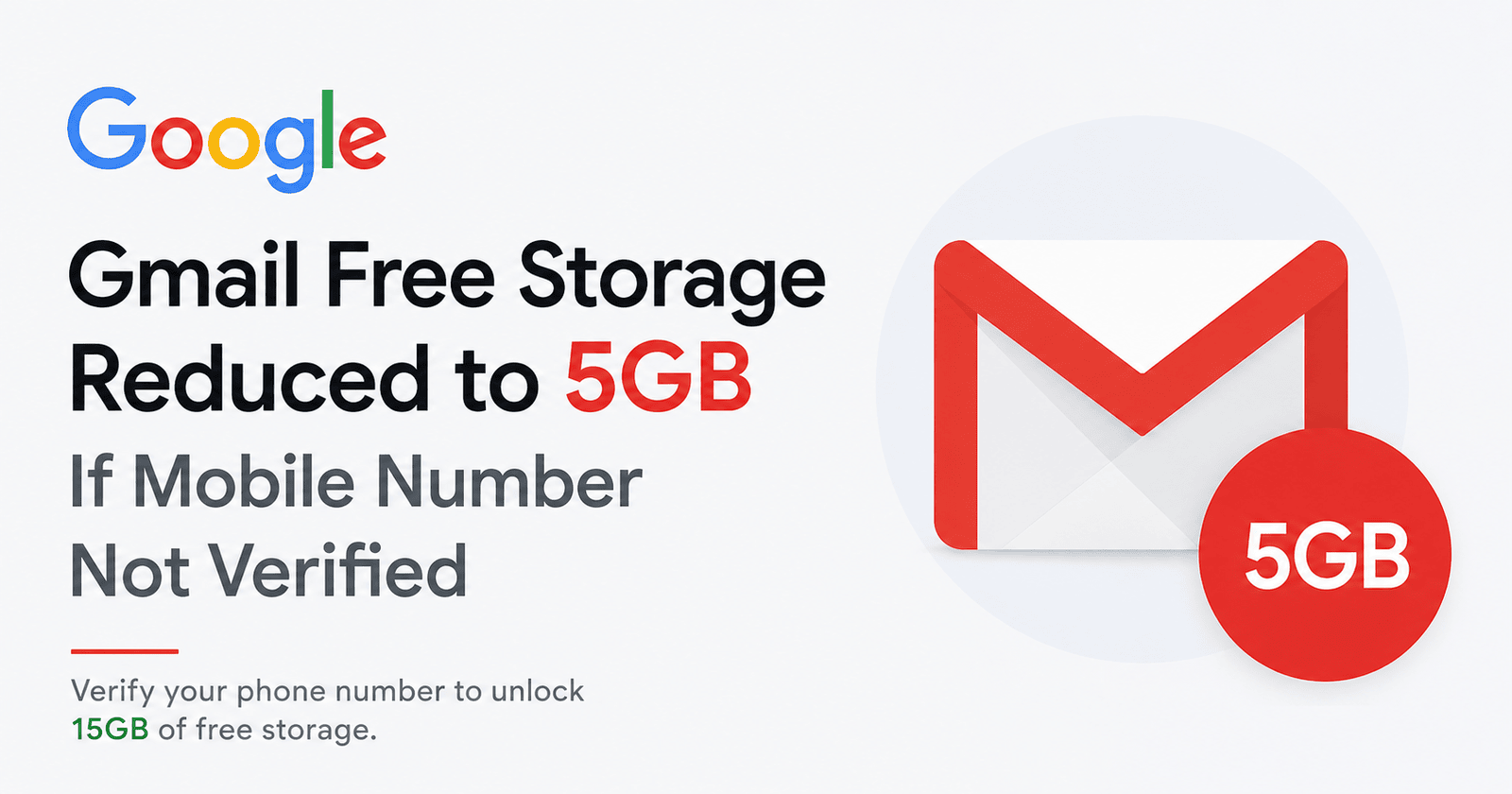
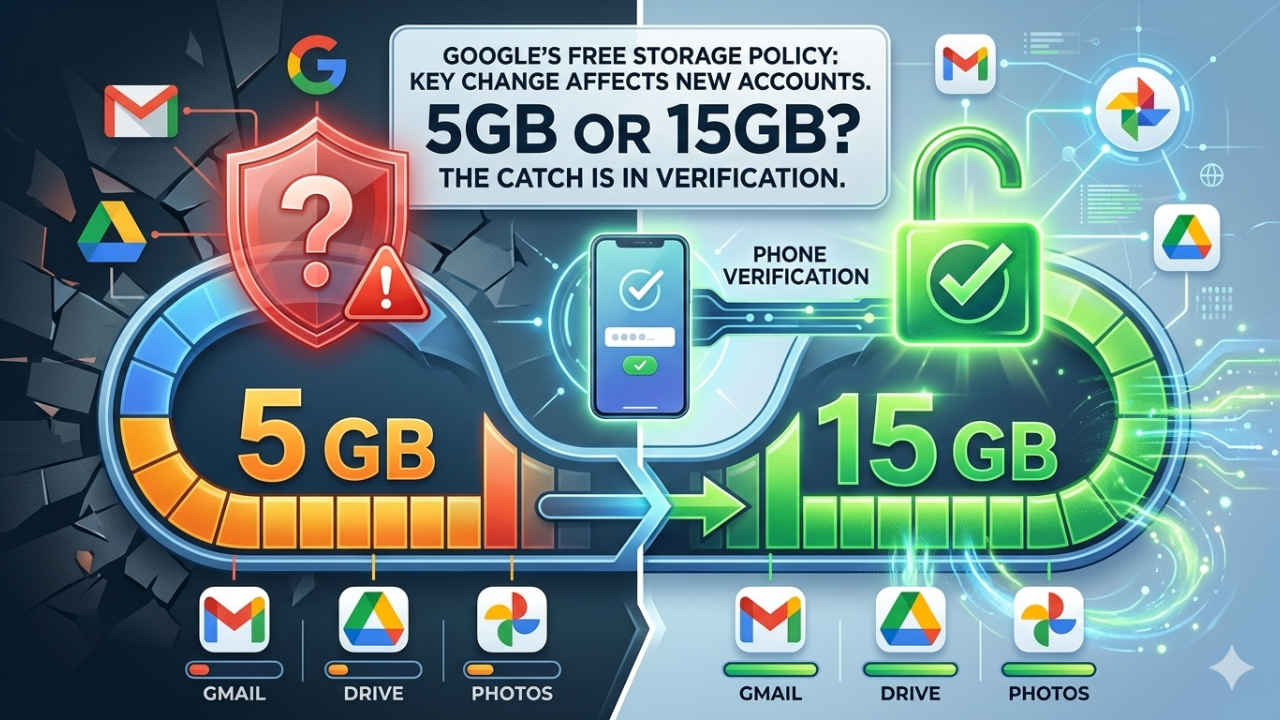
Google is fundamentally restructuring its free Gmail storage model, reducing baseline allocations by 67% for new accounts starting March 2026. According to confirmed documentation changes first appearing March 18, 2026, new Google Account holders now receive only 5GB of free storage by default, with the full 15GB allocation available exclusively through phone number verification. This represents a significant departure from the previous universal 15GB standard that existed for over a decade. The policy change, confirmed through multiple sources including Internet Archive records and official support documentation language shifts from "Your Google Account comes with 15 GB" to "up to 15 GB," signals Google's strategic pivot toward monetizing storage infrastructure while implementing stricter user verification protocols.
The implementation reveals a tiered verification strategy with geographic and device-specific variations. Testing data shows the change is currently rolling out selectively across regions, with primary reports emerging from African markets including Kenya and Nigeria, suggesting a phased global deployment. Existing accounts retain their 15GB allocations—the restriction applies exclusively to newly created accounts. During account setup on both desktop and mobile platforms, users must provide phone number verification to unlock the additional 10GB allocation. Limited exceptions exist for Android device setup without SIM cards, but standard account creation scenarios mandate phone linking. Google justifies this requirement as a fraud prevention measure, preventing multiple 15GB allocations per individual and reducing system abuse. The timing aligns with Google's broader monetization strategy, occurring months after the company increased Google One AI Pro storage from 2TB to 5TB at no additional cost, indicating a coordinated push toward subscription adoption and paid tier migration.
For cross-border e-commerce sellers, this policy creates operational friction in multi-account management strategies. Sellers managing multiple personal Gmail accounts for business communications, backup purposes, or regional market testing now face mandatory phone verification barriers. The 67% storage reduction for unverified accounts (5GB vs. 15GB) compounds account creation friction, particularly impacting sellers in regions with limited phone number accessibility or those prioritizing privacy-focused operations. While most enterprise sellers utilize Google Workspace (which maintains separate 100GB+ allocations per user), smaller sellers and solopreneurs relying on personal Gmail for business operations face increased compliance costs. The geographic targeting toward African markets suggests potential friction for sellers operating in Kenya, Nigeria, and similar regions where phone verification infrastructure varies. Industry observers note this aligns with platform-wide verification trends—Amazon, eBay, and Shopify have similarly implemented stricter phone verification requirements for account security and fraud prevention. The policy remains officially unconfirmed beyond documentation changes, with Google providing no public announcement, suggesting continued A/B testing before full global rollout.
Questions 8
How does Google's new 5GB storage limit affect sellers managing multiple Gmail accounts?
Google's March 2026 policy reduces free storage from 15GB to 5GB for new accounts unless users verify phone numbers, creating operational friction for sellers maintaining multiple personal Gmail accounts for business communications, regional testing, or backup purposes. Sellers previously relying on unlimited free storage for account multiplication now face mandatory phone verification barriers and reduced baseline allocations. However, most professional sellers using **Google Workspace** enterprise accounts remain unaffected, as Workspace maintains separate 100GB+ per-user allocations. The impact primarily affects solopreneurs and small sellers managing 2-5 personal Gmail accounts for business operations, who must now verify phone numbers for each new account to access full 15GB storage.
Which regions experience the most friction from Gmail's phone verification requirement?
The policy rollout shows geographic targeting toward African markets, with primary reports emerging from Kenya and Nigeria according to Reddit user reports and Android Authority investigations. These regions face potential friction due to variable phone verification infrastructure, limited SIM card accessibility, and privacy concerns around data collection. Sellers operating in these markets or managing teams across Africa may experience delayed account setup processes. However, Google provides limited exceptions for Android device setup without SIM cards, suggesting awareness of regional infrastructure gaps. The selective rollout pattern indicates Google is testing user response in these markets before broader global implementation, meaning full impact remains uncertain until official announcement.