
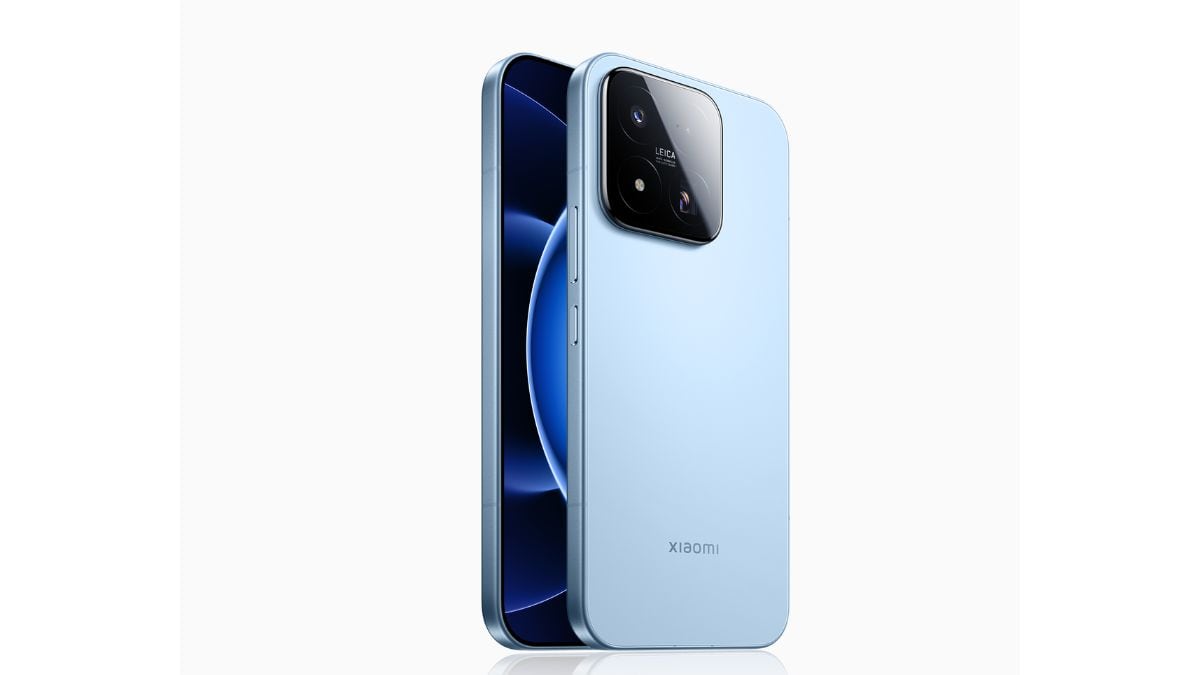
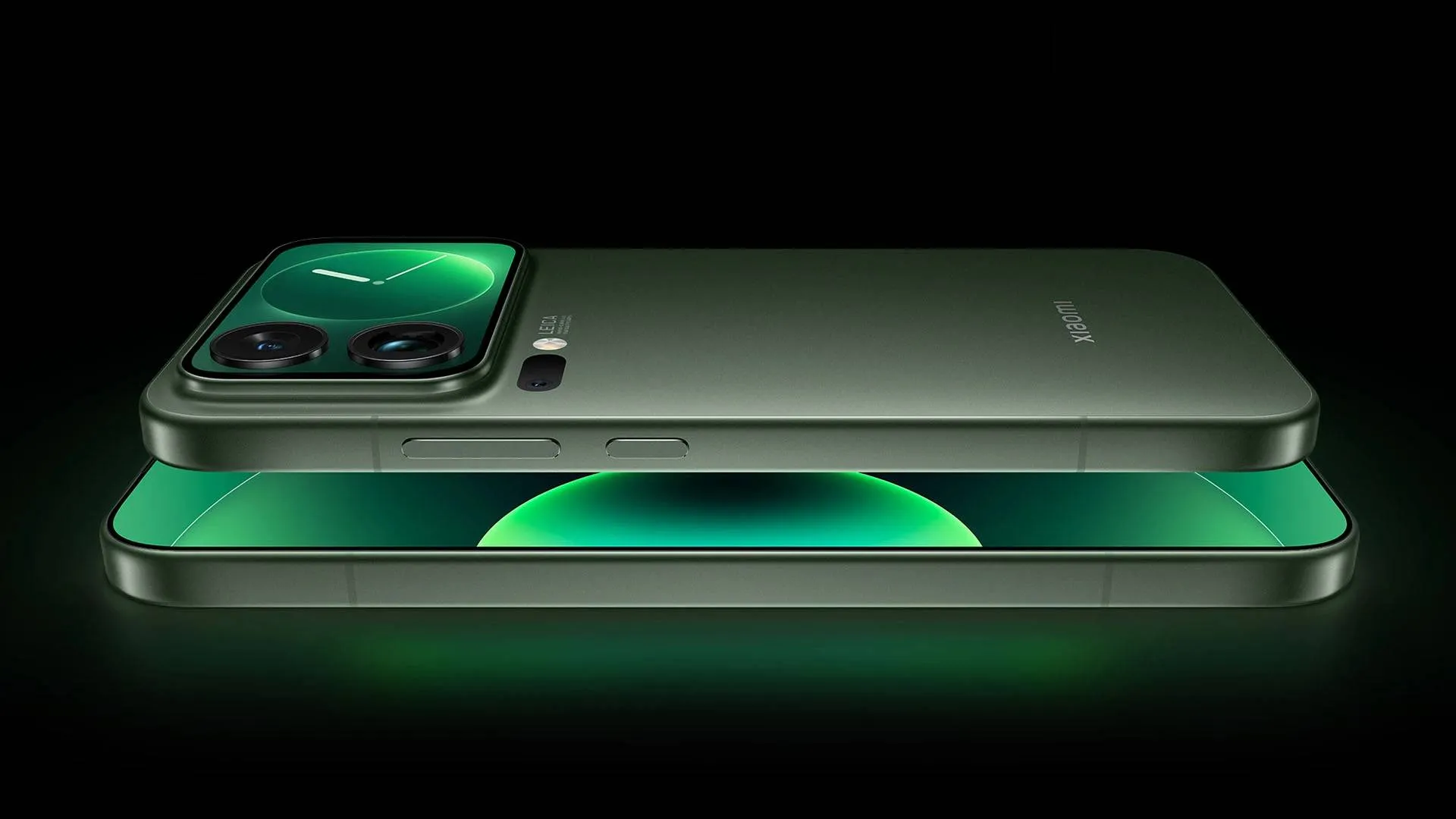
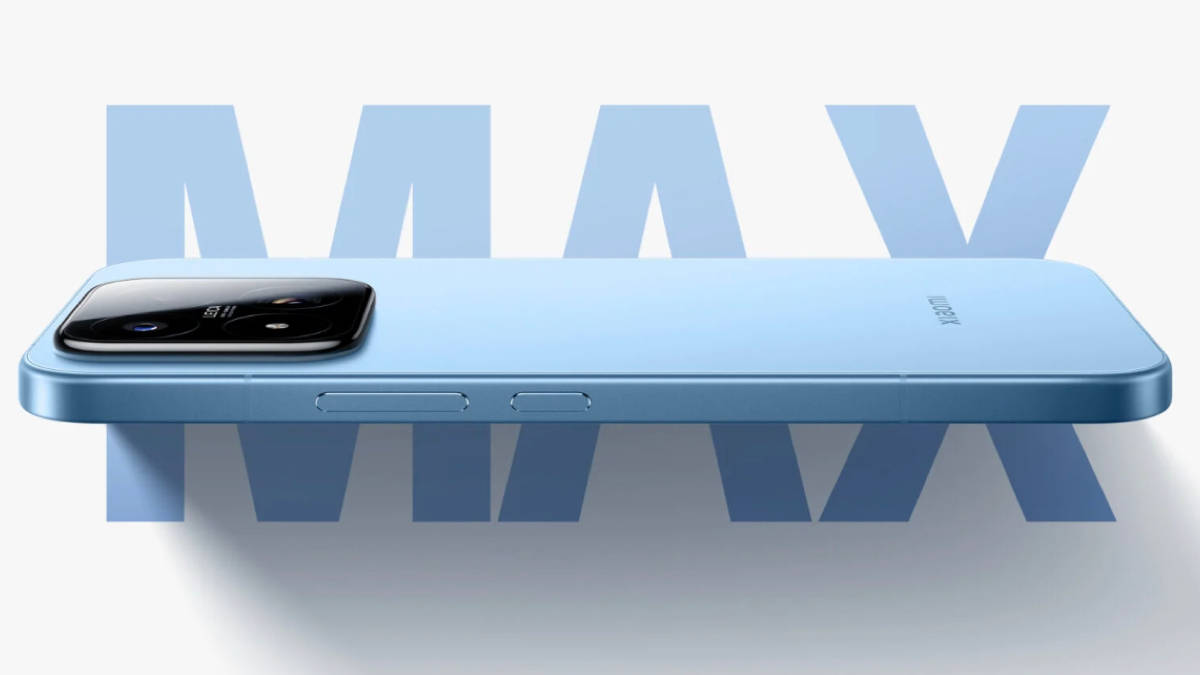
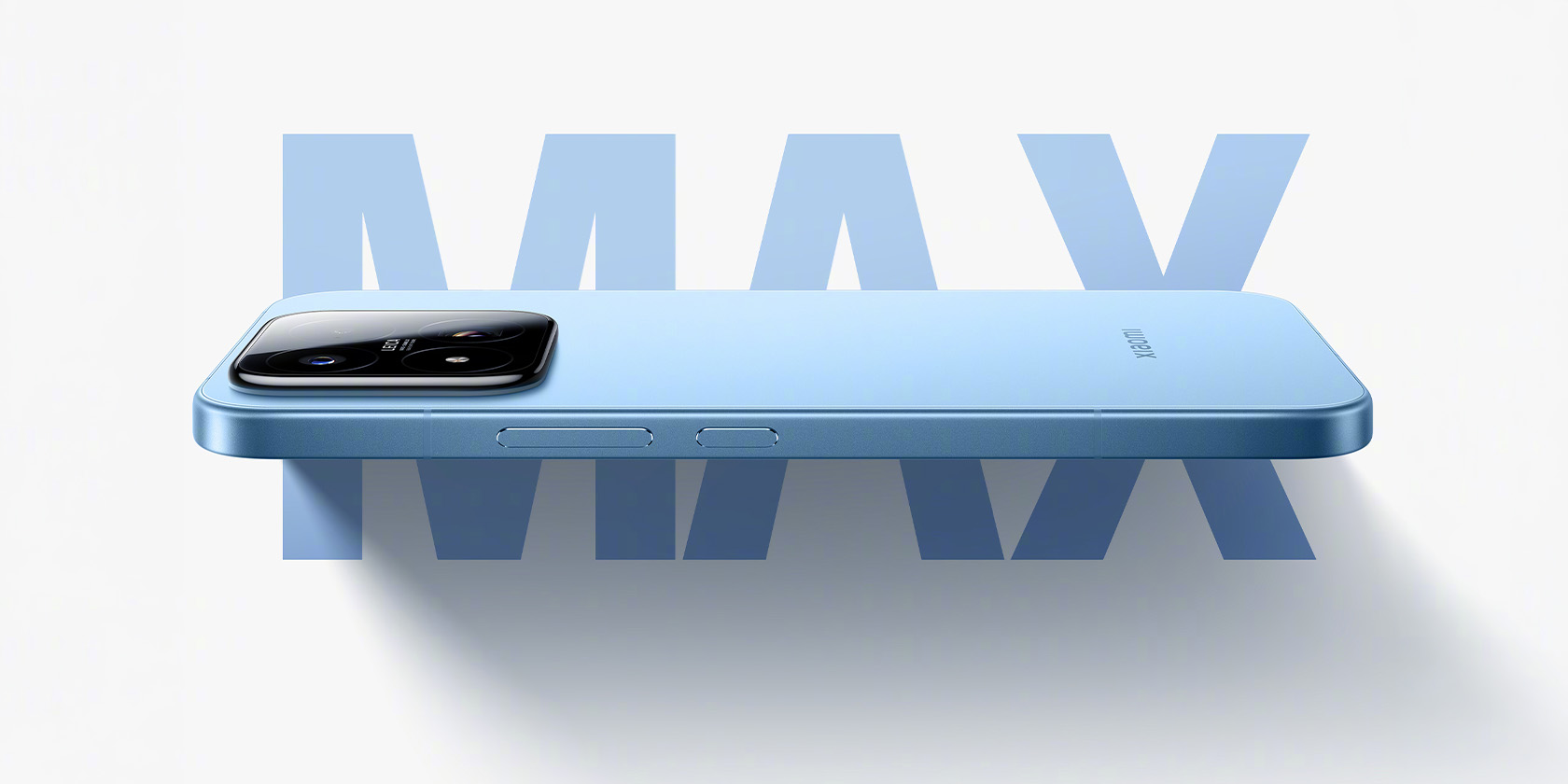
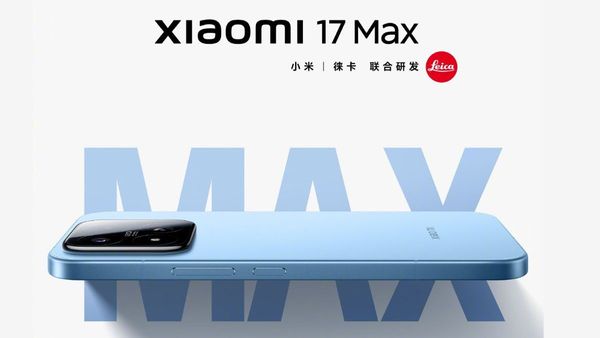
Xiaomi 17 Max Global Launch May 2026 | Premium Smartphone Resale Margins 25-35%
- Staggered global rollout creates arbitrage opportunities for cross-border sellers; €749-€999 European pricing signals 30%+ profit margins vs. CNY 5,199 China launch price







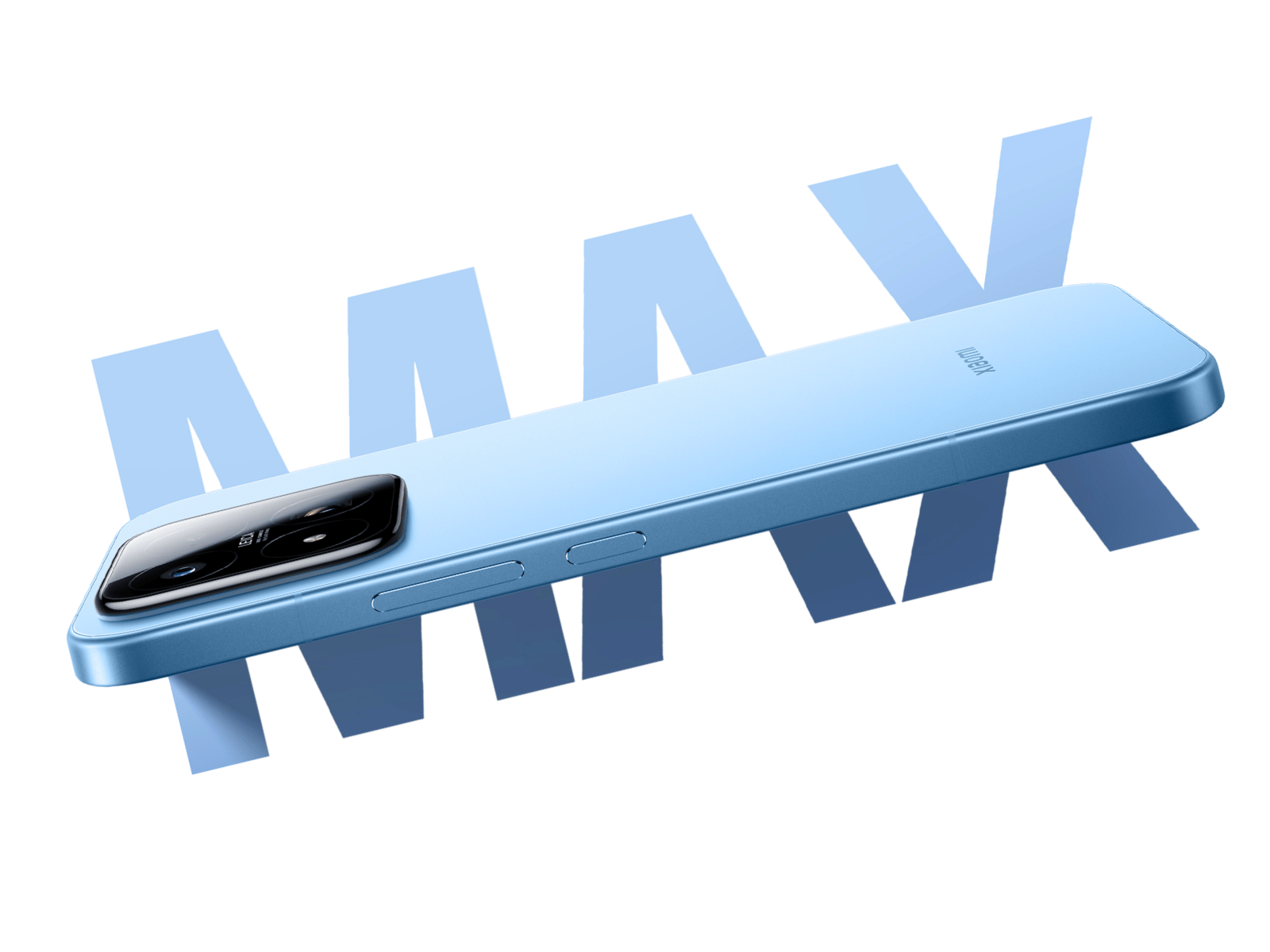
Overview
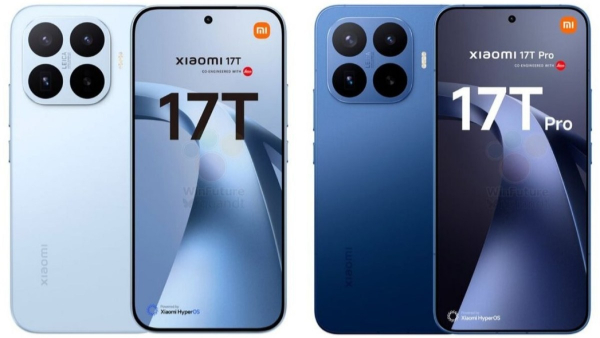
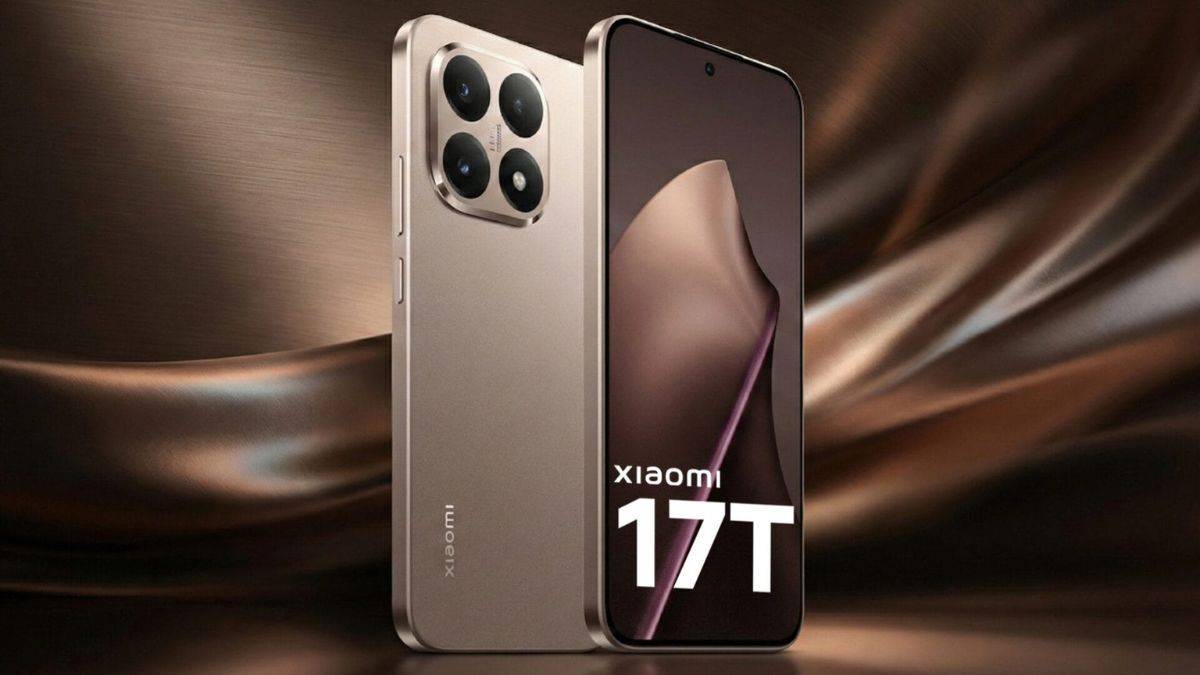
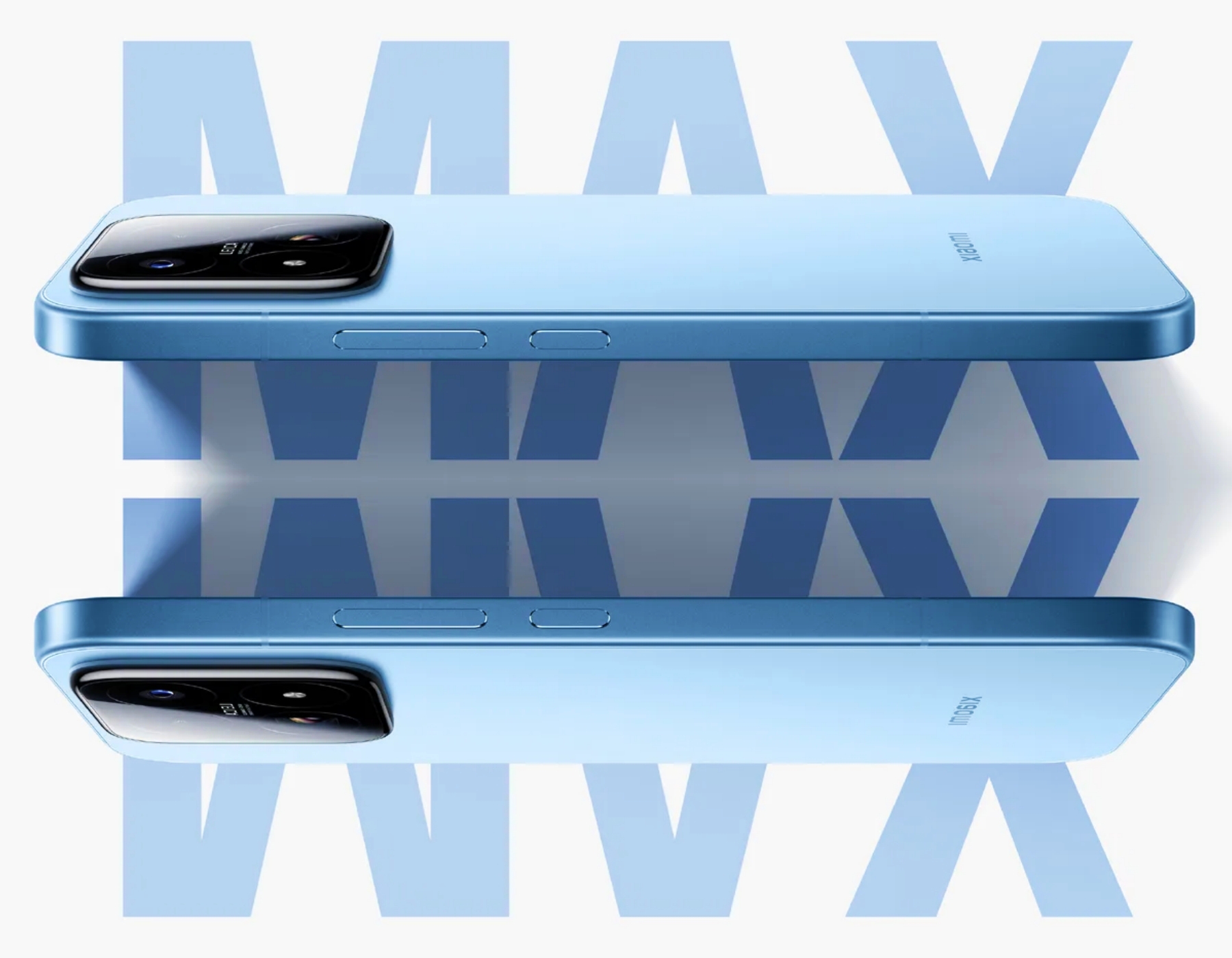
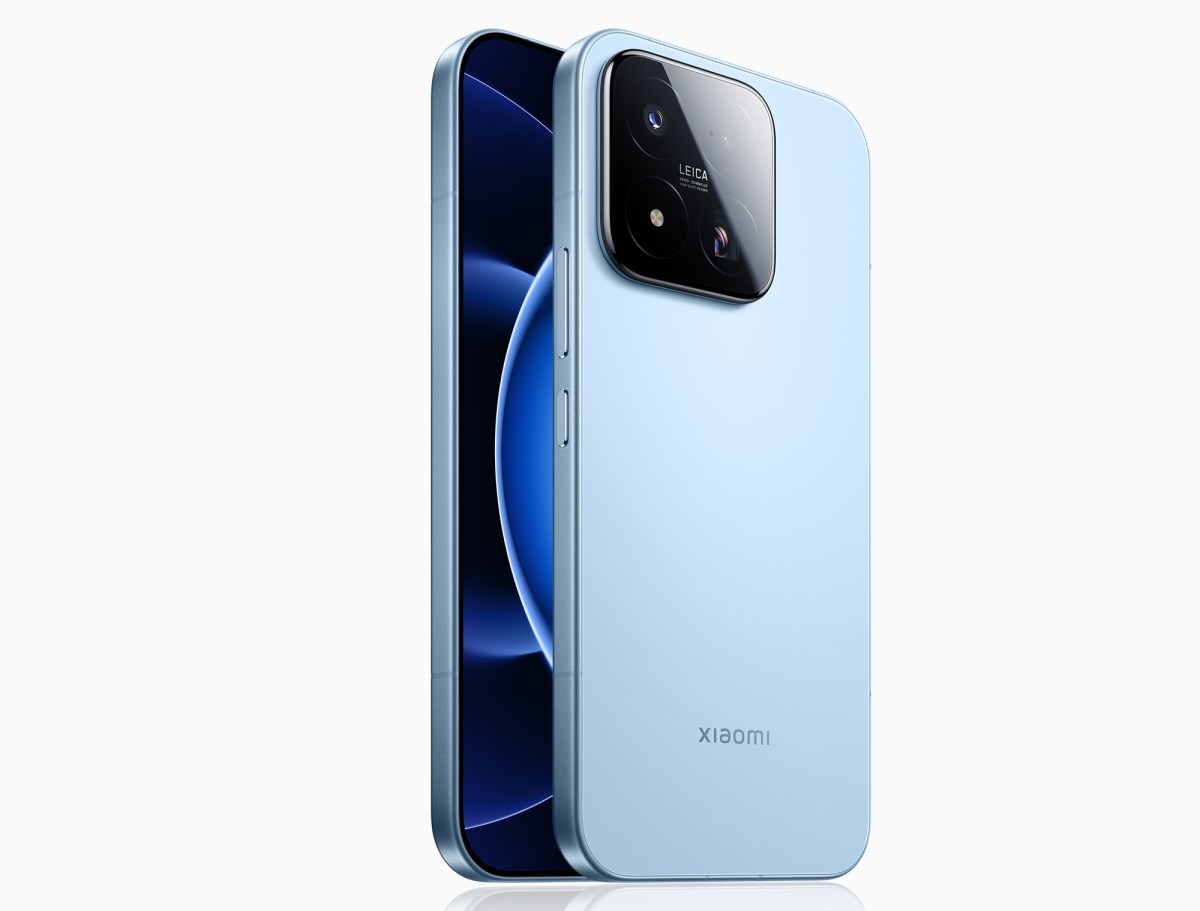
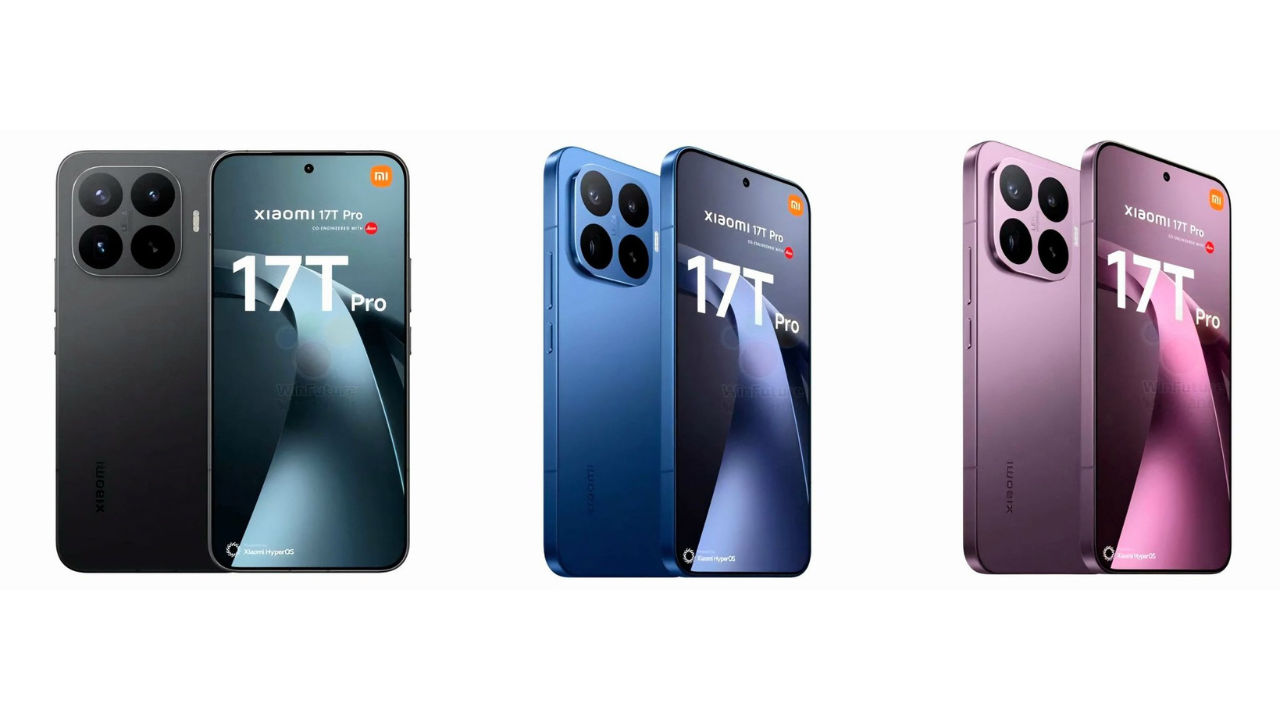
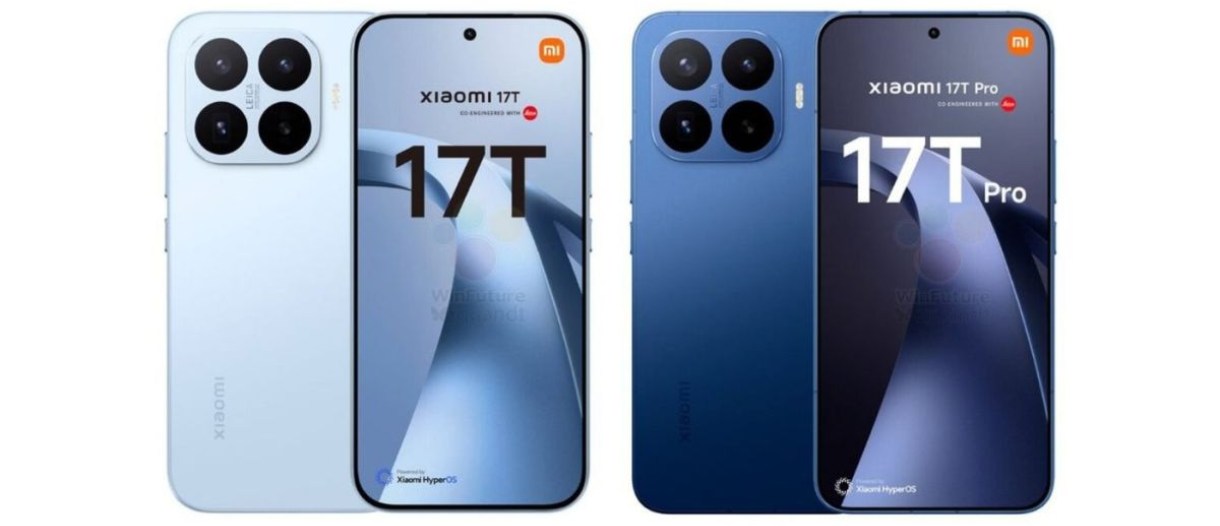
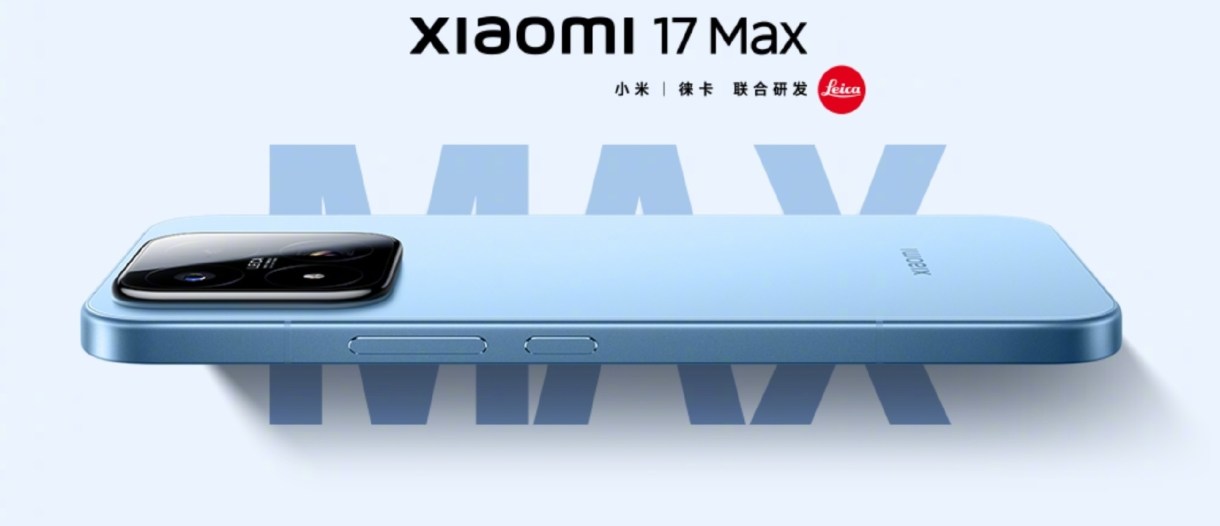
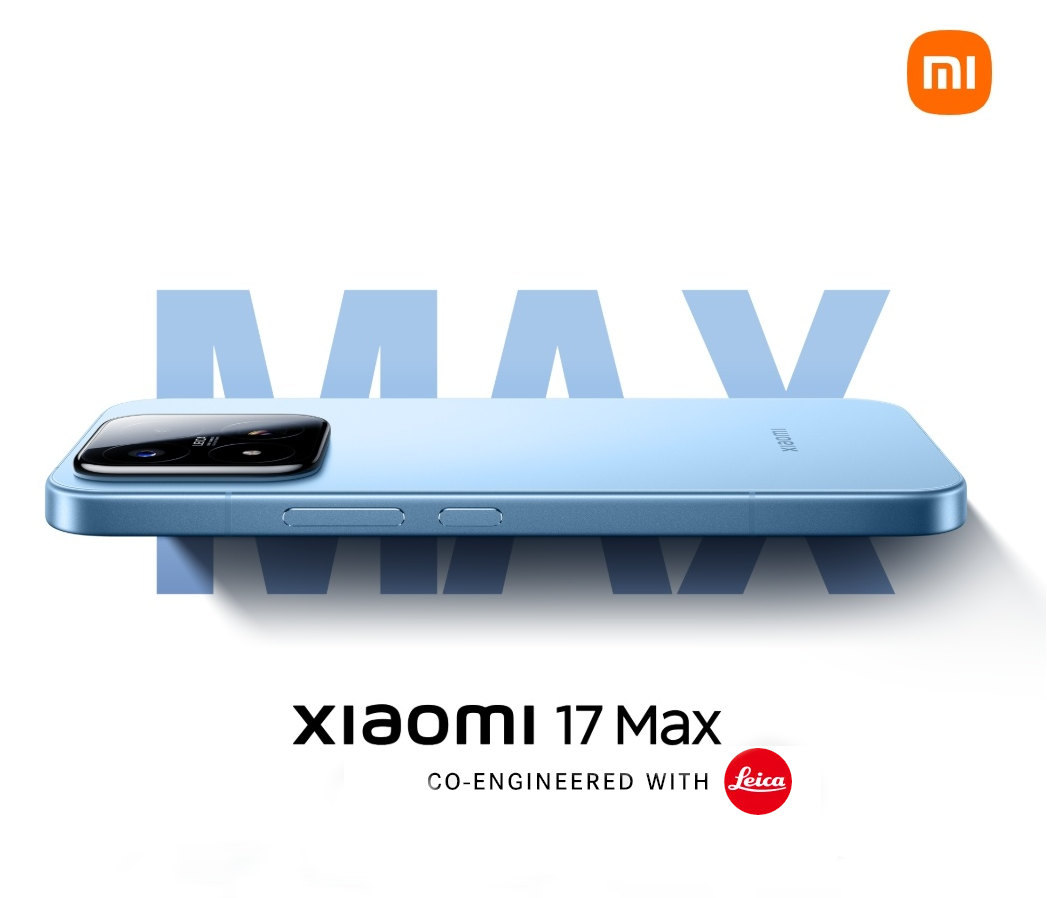
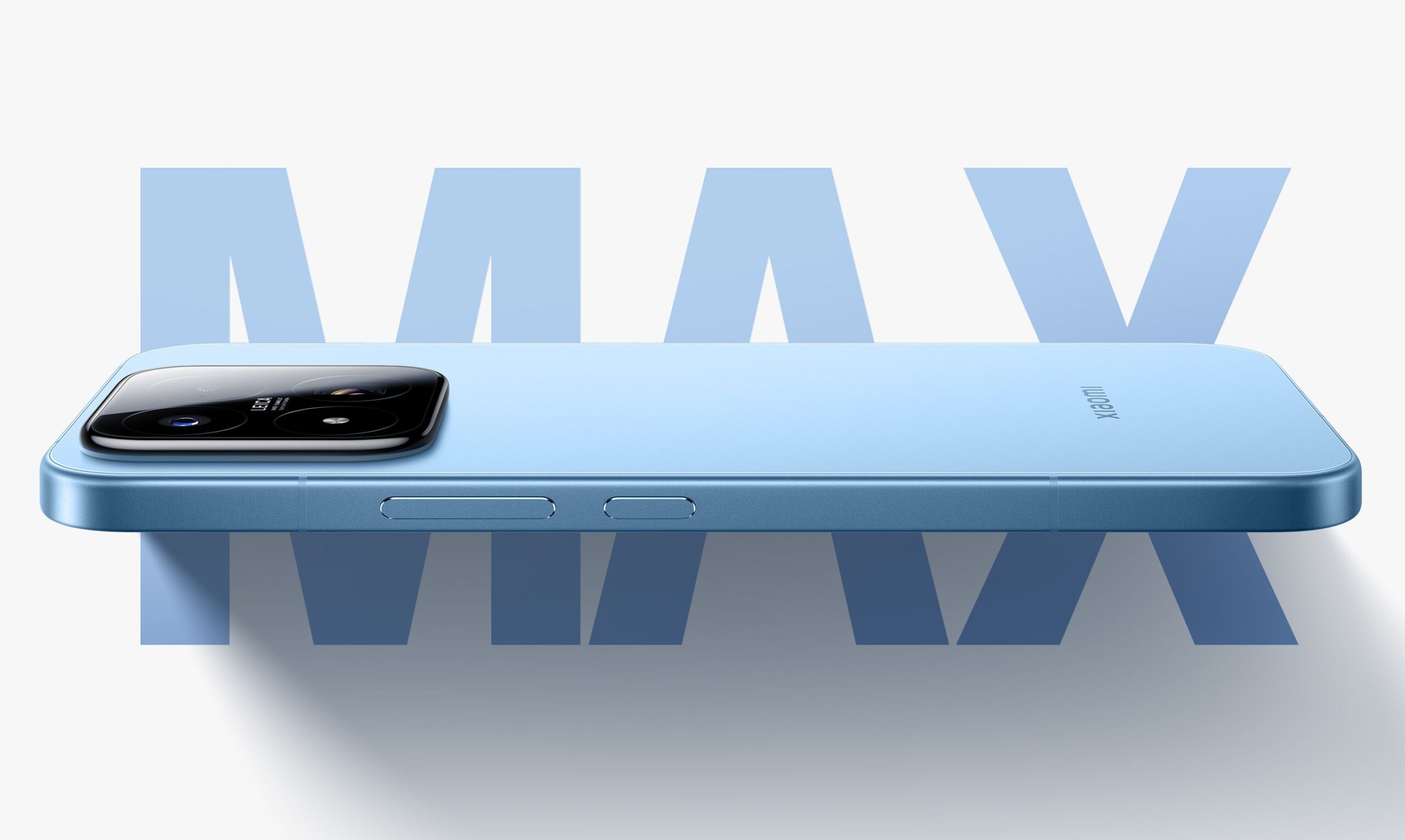
Xiaomi's May 2026 global expansion of its flagship 17 series represents a significant cross-border e-commerce opportunity for premium smartphone resellers. The company is launching three models—Xiaomi 17T (€749), 17T Pro (€999), and Xiaomi 17 Max (estimated €1,100+)—across multiple regions starting May 28, 2026, with the 17 Max debuting in China first. This staggered rollout creates classic arbitrage conditions: China launch pricing at CNY 5,199 (USD 765) for the 17 Max versus European positioning at €749-€999 for the 17T series, enabling 25-35% gross margins for authorized resellers and marketplace operators sourcing from China and selling into Europe, UK, and emerging markets.
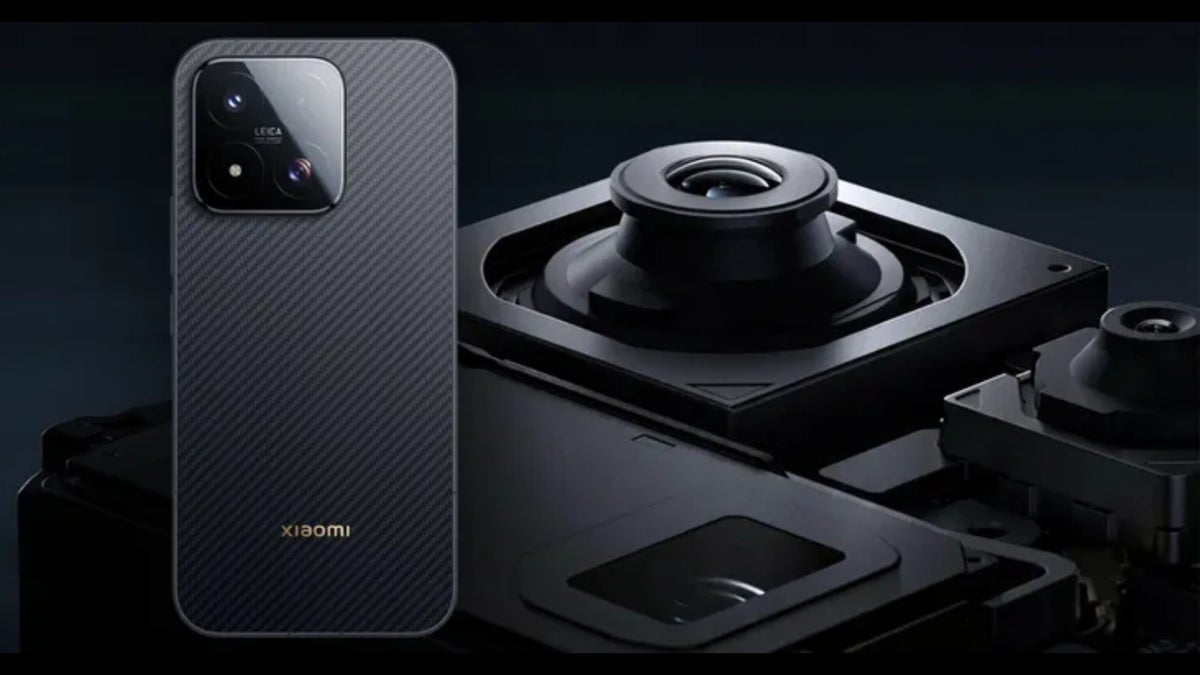
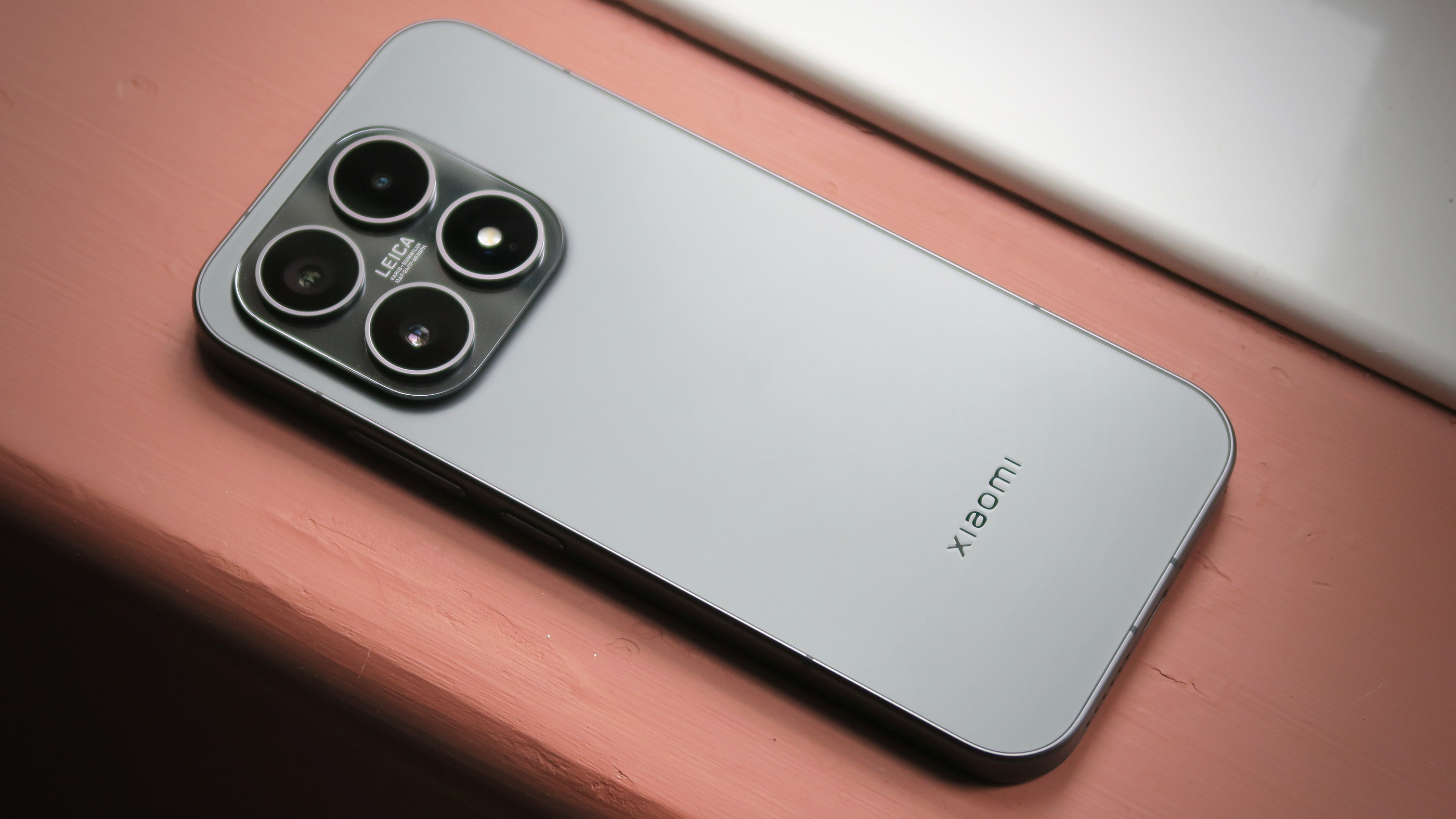
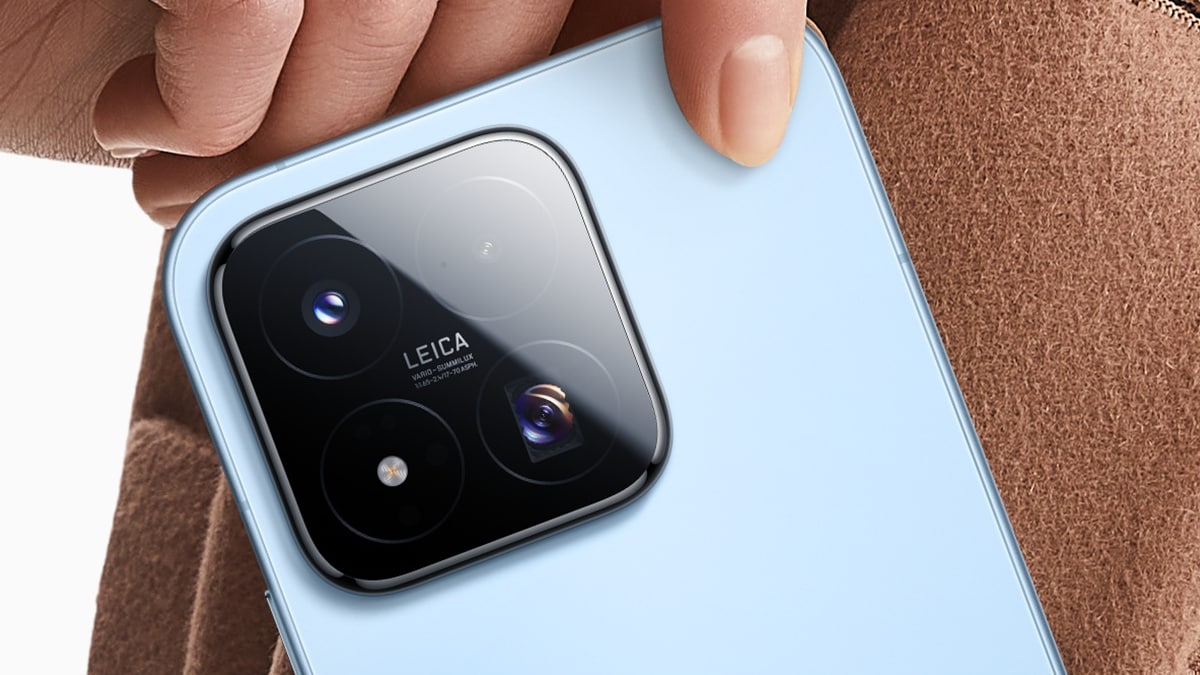
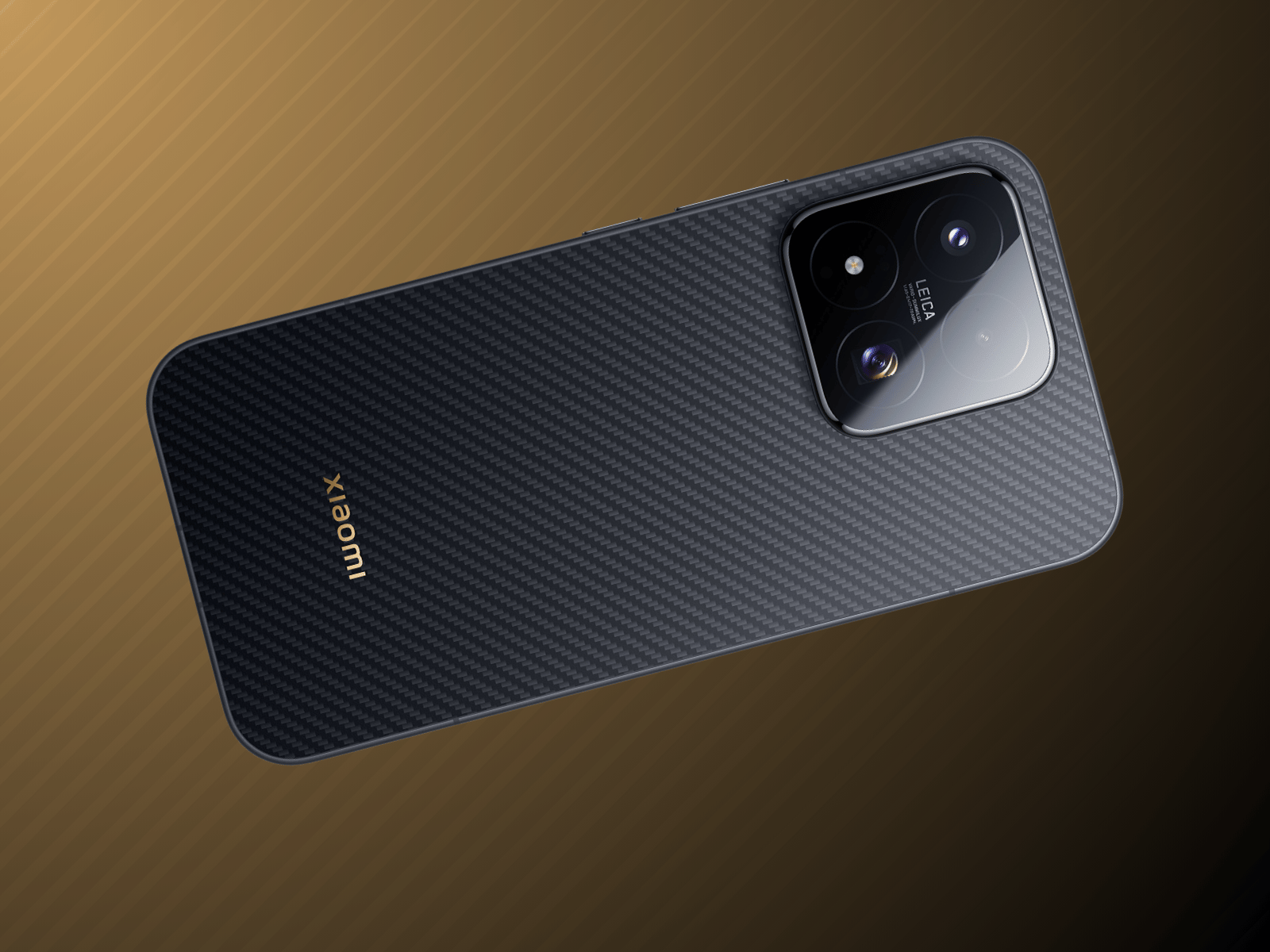
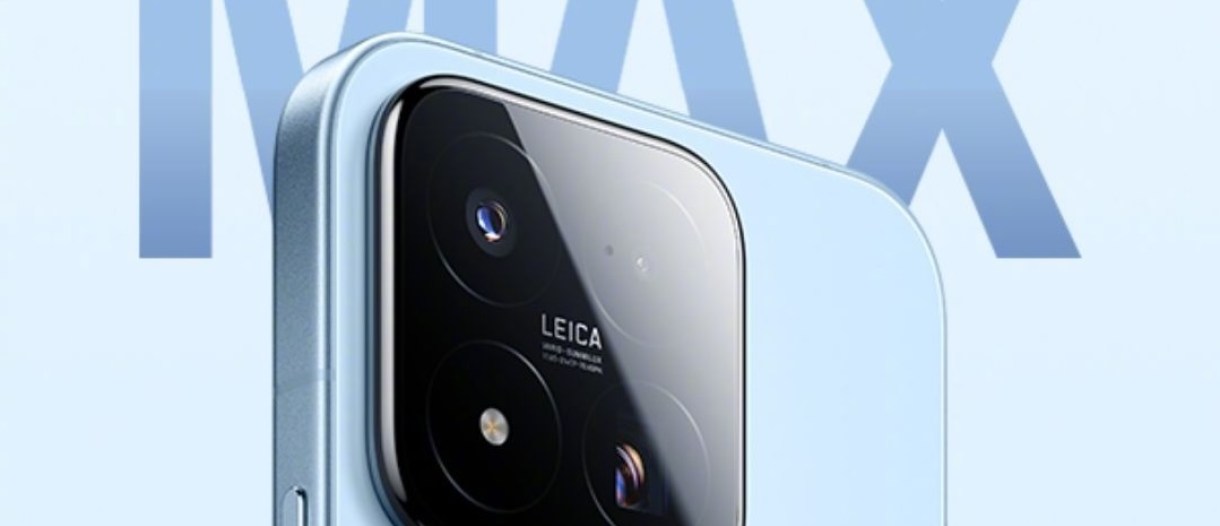
The 200MP Leica-tuned camera system and 8,000mAh battery specifications position these devices as premium content-creator tools, directly targeting photography enthusiasts and vloggers—high-value customer segments with strong purchasing power. The Xiaomi 17 Max's 115MB per-photo file size (10 photos = 1GB storage) creates secondary product opportunities: cloud storage subscriptions, external SSDs, camera accessories, and professional editing software bundles. Sellers can leverage this technical specification in product listings and sponsored content to drive cross-category sales. The 6.9-inch display and 100W wired + 50W wireless charging appeal to power users willing to pay premium prices, supporting higher-margin resale channels like Amazon, eBay, and regional marketplaces.
Regional market dynamics present both opportunities and operational challenges. European pricing (€749-€999) indicates strong profit potential, but sellers must navigate import duties (typically 10-15% for electronics), VAT compliance (19-25% across EU), and warranty registration requirements. The absence of the T-series in India since Mi 11T signals selective market penetration—sellers targeting South Asian markets should focus on the 17 Max instead. Inventory management becomes critical: the staggered May 28 global launch means early movers can capture demand spikes in Europe and UK before official distribution channels fully activate. However, Xiaomi's history of supply constraints during flagship launches (typical 4-8 week lead times) requires pre-order monitoring and 3PL coordination to avoid stockouts.
Questions 8
What are the profit margins for reselling Xiaomi 17 Max from China to Europe?
Cross-border resellers can achieve 25-35% gross margins by sourcing the Xiaomi 17 Max at CNY 5,199 (USD 765) in China and selling at €999-€1,100 in European markets. After accounting for 12% import duties, 19-25% VAT, and 8-12% fulfillment costs (FBA or 3PL), net margins typically range 15-22%. Early movers during the May 2026 launch window can capture premium pricing before official distribution channels activate, potentially extending margins to 30%+ for the first 4-6 weeks. Monitor Xiaomi's official announcements for confirmed European pricing to optimize sourcing strategies.
Which seller segments should target the Xiaomi 17 Max launch?
Three primary segments benefit: (1) Electronics resellers with existing Amazon/eBay storefronts and FBA infrastructure—they can list within 2-3 weeks of China launch; (2) Content creator marketplaces and photography equipment retailers—the 200MP Leica camera and 8,000mAh battery appeal directly to vloggers and photographers; (3) Regional marketplace operators in UK, Germany, and France—these markets show strongest demand for premium Chinese smartphones. Avoid India-focused sellers, as Xiaomi has not released T-series models there since Mi 11T, suggesting selective distribution. Target sellers with existing logistics to EU/UK and customer bases in tech-enthusiast communities.