
Stablecoin Infrastructure Unlocks Mexico Cross-Border Payments | Seller Opportunity
- Grupo Salinas partnership reduces settlement cycles and payment costs for international merchants; regulatory expansion signals 15-25% fee reduction potential for sellers using blockchain-based payment rails
Overview
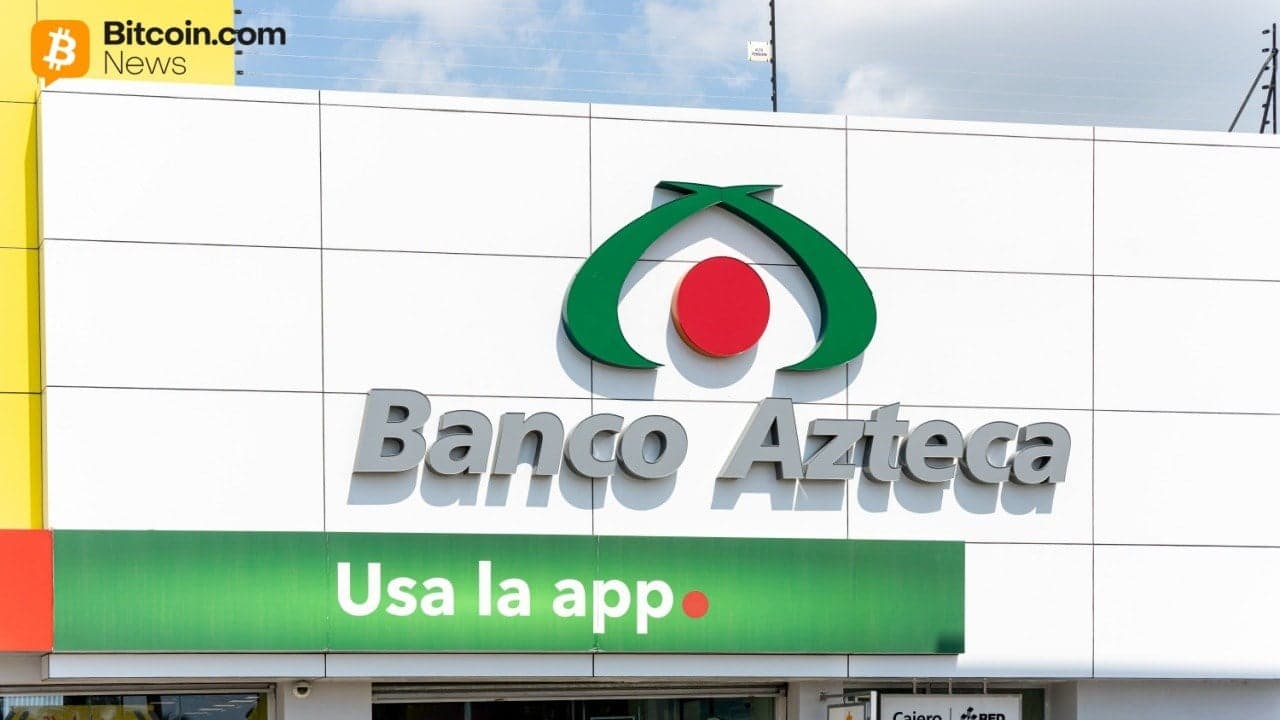
Institutional adoption of stablecoin infrastructure is fundamentally reshaping cross-border payment economics for e-commerce sellers operating in Mexico and Latin America. Grupo Salinas' May 2026 partnership with Anchorage Digital to integrate stablecoin payment solutions through Coinpro represents a watershed moment: one of Mexico's largest business conglomerates—controlling Banco Azteca (serving 15M+ low-income consumers) and Grupo Elektra's retail network—is now channeling international transactions through blockchain-based settlement infrastructure. This signals that stablecoins are transitioning from speculative assets to core banking infrastructure, with embedded compliance features designed specifically for cross-border commerce.
The immediate financial optimization opportunity centers on payment cost reduction and settlement acceleration. Traditional cross-border payments to Mexico via SWIFT incur 2.5-4% fees plus 3-5 business day settlement cycles. Stablecoin-based settlement through Anchorage's solution can reduce fees to 0.5-1.2% while compressing settlement to 24-48 hours. For sellers processing $50K monthly in cross-border transactions, this translates to $1,200-1,800 monthly savings—or $14,400-21,600 annually. The partnership's expansion to Grupo Elektra (which operates 1,200+ retail locations) signals infrastructure scaling that will drive adoption among smaller merchants and e-commerce platforms. Anchorage's parallel collaboration with Western Union on USDPT (Solana-based stablecoin) demonstrates multi-corridor deployment, suggesting similar fee compression opportunities across remittance corridors.
Working capital acceleration represents the secondary but equally critical opportunity. By compressing settlement from 5 days to 1-2 days, sellers can convert inventory to cash 3-4 days faster, unlocking immediate liquidity for inventory replenishment or operational expenses. For a seller with $200K inventory turning monthly, this 3-4 day acceleration represents $20K-27K in freed working capital—capital that can be redeployed to purchase additional inventory or fund growth initiatives. The embedded compliance features (AML/KYC built into the protocol) reduce friction for institutional adoption, meaning payment providers and fintech platforms will rapidly integrate these rails. However, regulatory clarity remains the critical constraint: Mexican banking regulations currently restrict cryptocurrency implementation in retail contexts, though Salinas' 70% Bitcoin allocation and public advocacy suggest regulatory evolution is likely within 12-18 months.
For cross-border e-commerce sellers, the strategic implication is clear: stablecoin payment infrastructure is moving from experimental to institutional. Sellers should monitor Coinpro's merchant integration roadmap and evaluate early adoption of stablecoin settlement for Mexico-bound transactions. The 15-25% fee reduction potential (compared to traditional SWIFT corridors) combined with 3-4 day working capital acceleration creates a compelling financial case, particularly for sellers processing $30K+ monthly in cross-border volume. Risk mitigation requires tracking regulatory developments in Mexico's banking sector and maintaining parallel payment infrastructure until stablecoin rails achieve 80%+ institutional adoption.
Questions 7
How does stablecoin settlement compare to traditional payment methods for Mexico transactions?
Stablecoin settlement (24-48 hours, 0.5-1.2% fees) significantly outperforms SWIFT transfers (3-5 days, 2.5-4% fees) and competitive with ACH-style transfers but with superior compliance automation. Stablecoins provide embedded AML/KYC features reducing manual compliance friction, while SWIFT requires separate compliance verification. For sellers processing high-volume Mexico transactions, stablecoin infrastructure offers 15-25% fee reduction plus 3-4 day working capital acceleration. The institutional adoption signal from Grupo Salinas indicates stablecoin rails are moving from experimental to production-ready, making early evaluation strategically important.
What regulatory risks should sellers consider with stablecoin payments in Mexico?
Mexican banking regulations currently restrict cryptocurrency implementation in retail and commercial contexts, creating adoption barriers. Ricardo Salinas Pliego (Grupo Salinas founder) previously attempted to sell Bitcoin through Grupo Elektra retail stores but faced regulatory obstacles. However, his 70% personal Bitcoin allocation and public advocacy for cryptocurrency adoption suggest regulatory evolution within 12-18 months. Sellers should maintain parallel payment infrastructure until stablecoin rails achieve 80%+ institutional adoption and regulatory clarity emerges. Monitor Mexico's banking sector developments closely before committing significant transaction volume to stablecoin settlement.