




UFC's Rising Stars Redefine Combat Sports Dynamics in 2025 Finale
- Emerging Fighters Reshape Competitive Landscape Through Decisive Performances























Overview
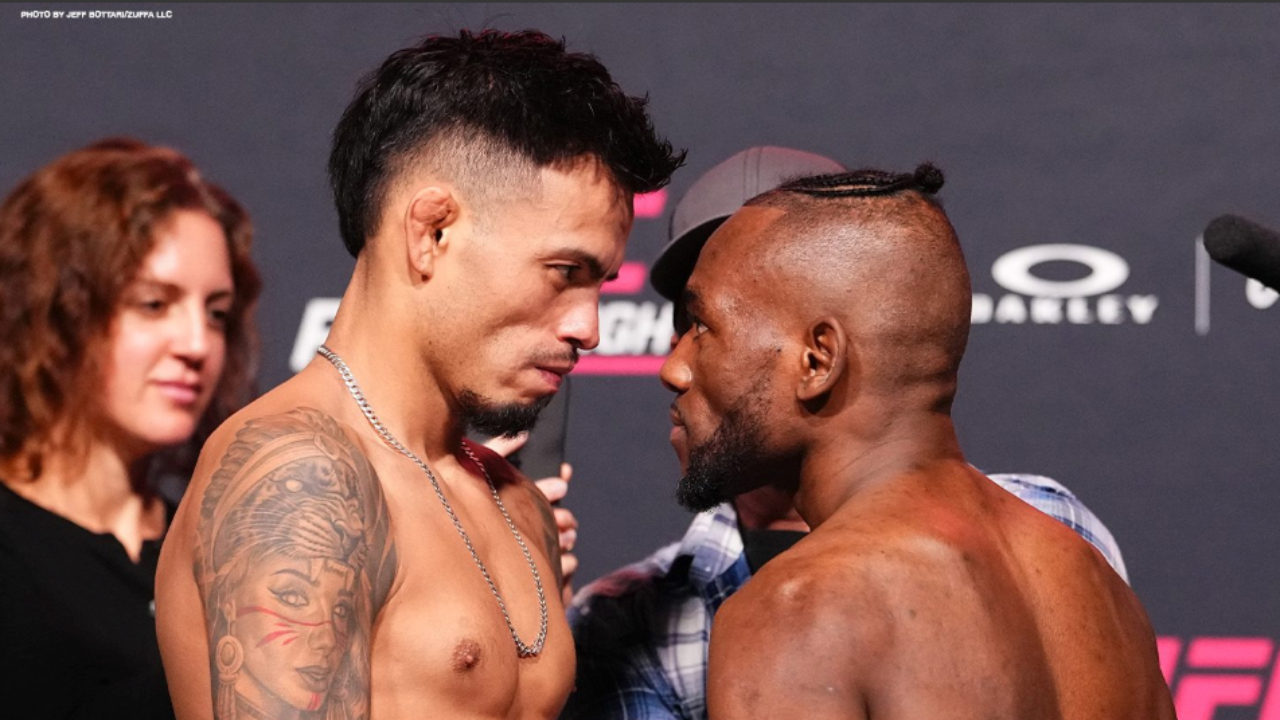
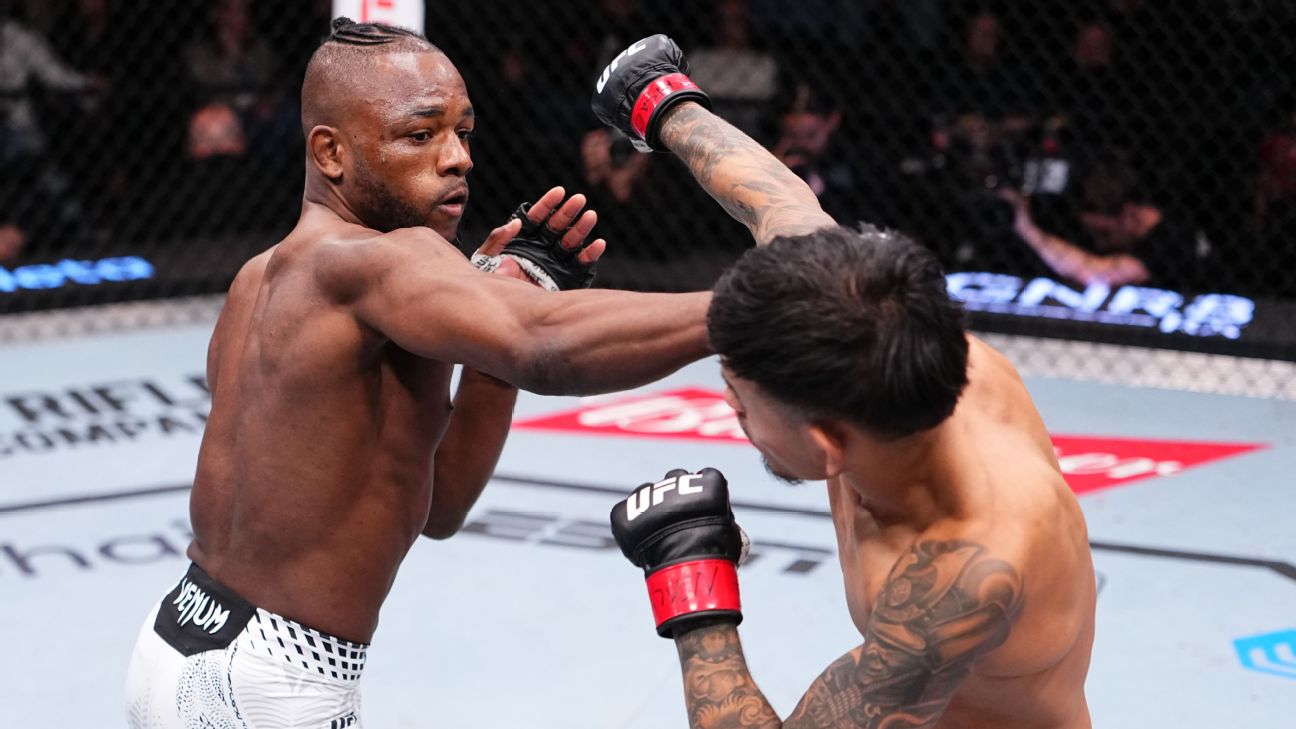
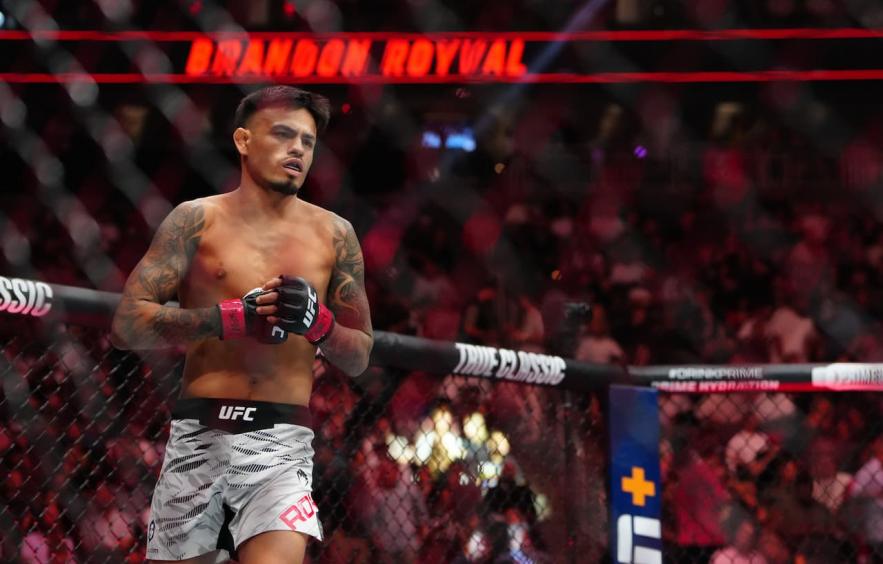
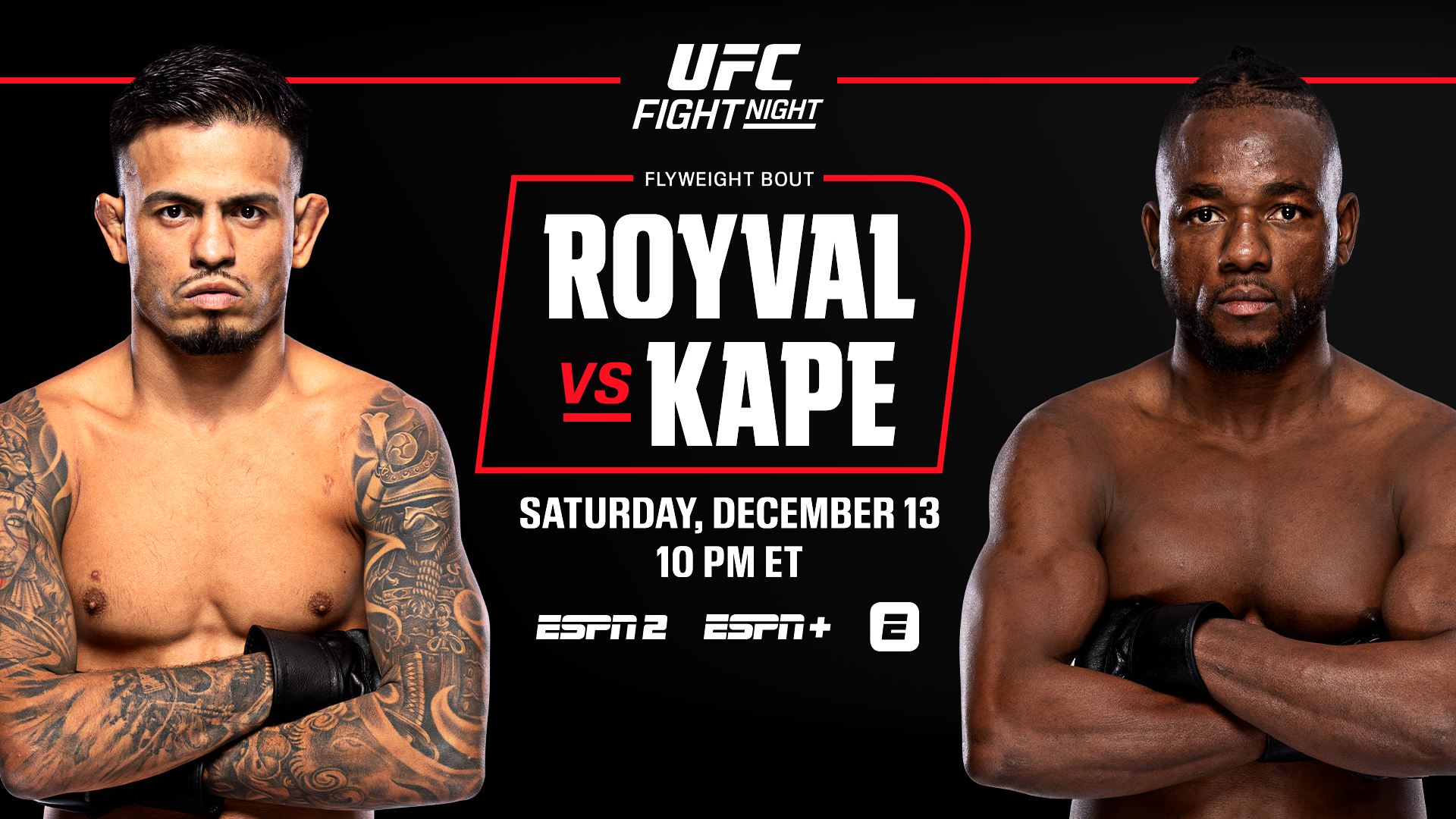
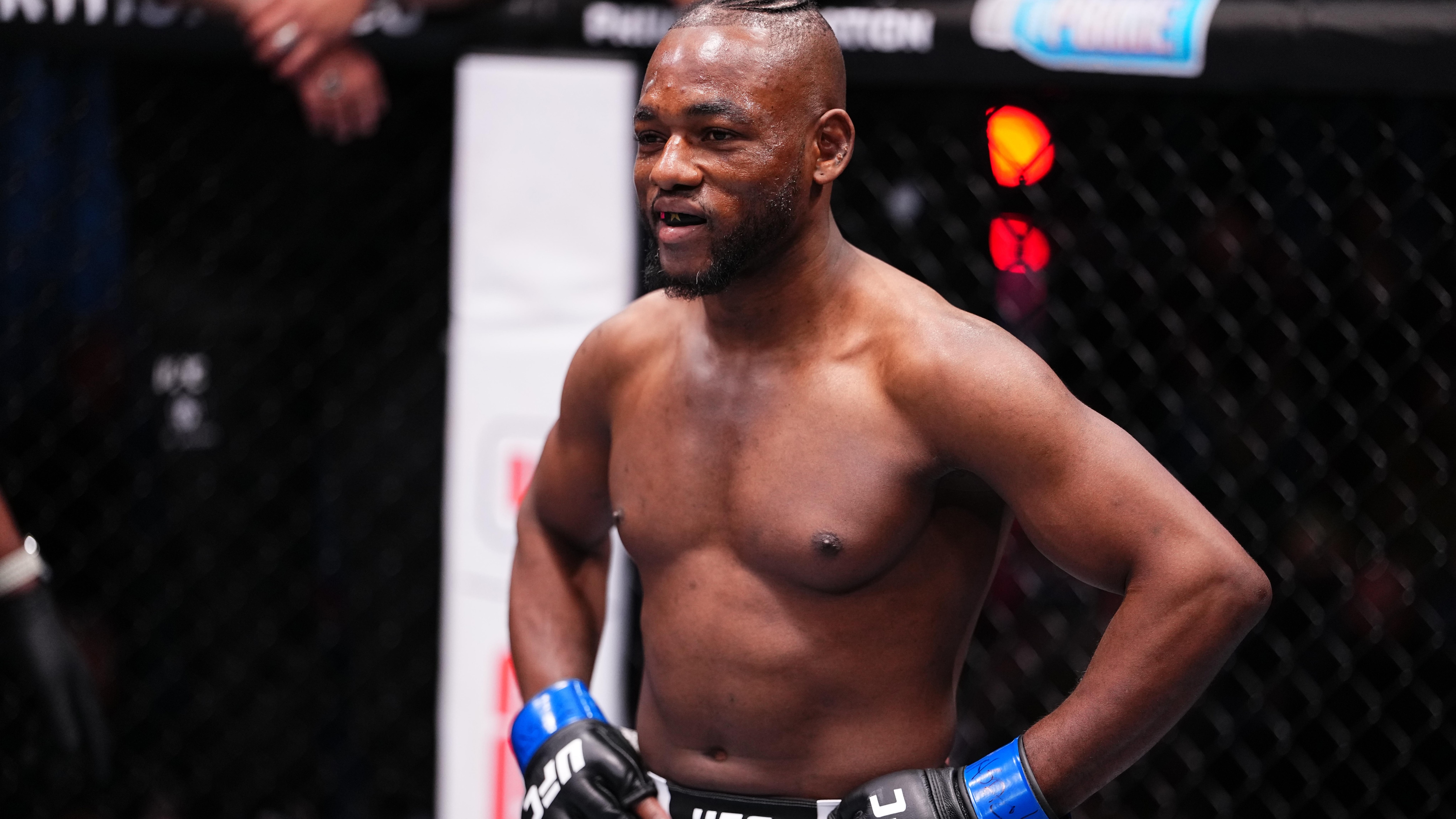
The UFC Fight Night: Royval vs Kape event encapsulates a pivotal moment in mixed martial arts, revealing how emerging talents are fundamentally transforming the competitive ecosystem. At the heart of this transformation is Manel Kape, whose decisive first-round knockout of Brandon Royval not only secured a remarkable victory but signaled a broader shift in the flyweight division's power dynamics.
Kape's performance exemplifies a critical trend: the rapid ascension of fighters who combine technical precision with strategic resilience. After struggling with back-to-back losses in 2021, Kape has now won eight of nine fights, demonstrating the kind of career resurrection that defines modern combat sports. His bold post-fight challenge to flyweight champion Joshua Van underscores a new era of athlete self-positioning and personal brand management.
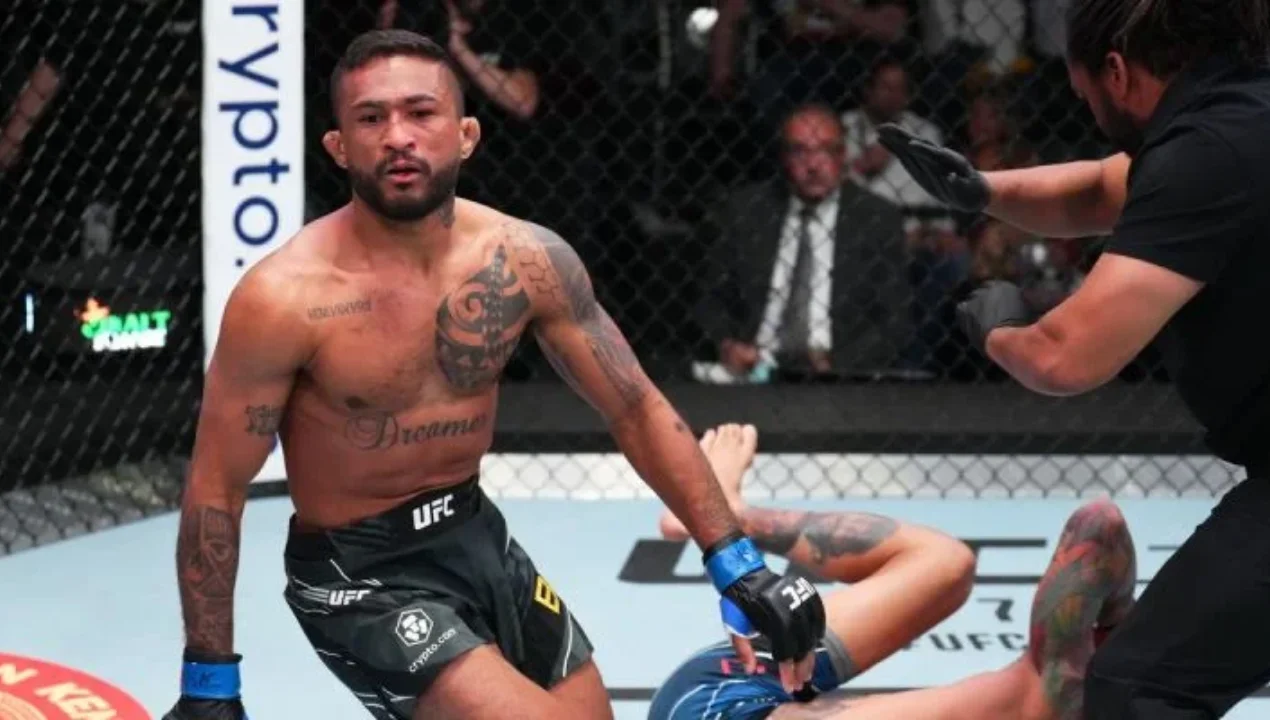
The event's broader narrative extends beyond individual performances. Melquizael Costa's spectacular first-round knockout and Cezary Oleksiejczuk's successful Dana White's Contender Series debut highlight a systematic approach to talent development. The UFC is not just hosting fights; it's curating a dynamic ecosystem where emerging fighters can rapidly establish themselves through high-impact performances.
The UFC APEX venue itself becomes a critical infrastructure in this narrative - an intimate setting that transforms high-stakes matches into compelling storytelling platforms. By providing close-quarters combat environments, the organization creates opportunities for fighters to showcase not just athletic skill, but personal narrative and competitive spirit.
This event represents more than a series of fights; it's a microcosm of combat sports' evolution. The diversity of fighting styles, the global backgrounds of competitors, and the dramatic nature of victories all point to a sport becoming increasingly sophisticated, personal, and globally interconnected.
Questions 3
What makes the UFC APEX venue significant for fighter development?
The UFC APEX provides an intimate, technologically advanced environment that allows fighters to showcase their skills with unprecedented visibility. Its smaller cage and close-quarters setting creates more intense, narrative-driven matches that help emerging talents build personal brands and competitive reputations.
How are emerging fighters like Manel Kape changing the UFC landscape?
Emerging fighters are redefining competitive dynamics through rapid skill progression and strategic personal branding. Kape's trajectory—from struggling with losses to challenging the champion—demonstrates how modern athletes can quickly reshape divisional hierarchies through consistent, high-impact performances.