


Strait of Hormuz Crisis Drives 15-25% Shipping Cost Surge | Cross-Border Seller Impact
- Oil prices exceed $100/barrel, fuel surcharges spike 8-12% for air freight; digital infrastructure threats disrupt payment processing and logistics coordination across Asia-Gulf-Europe corridors


















Overview
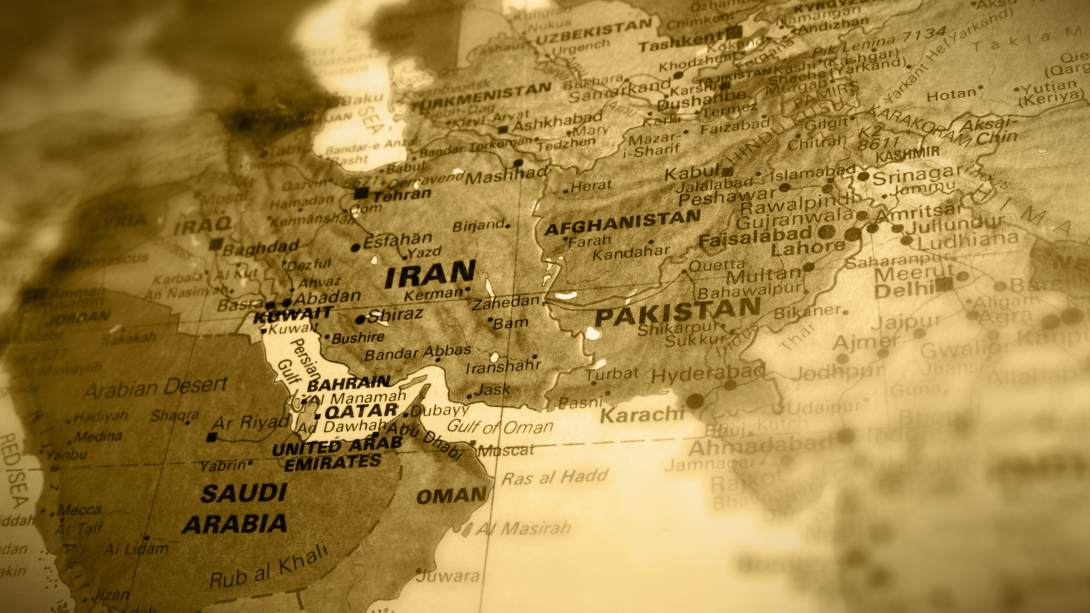
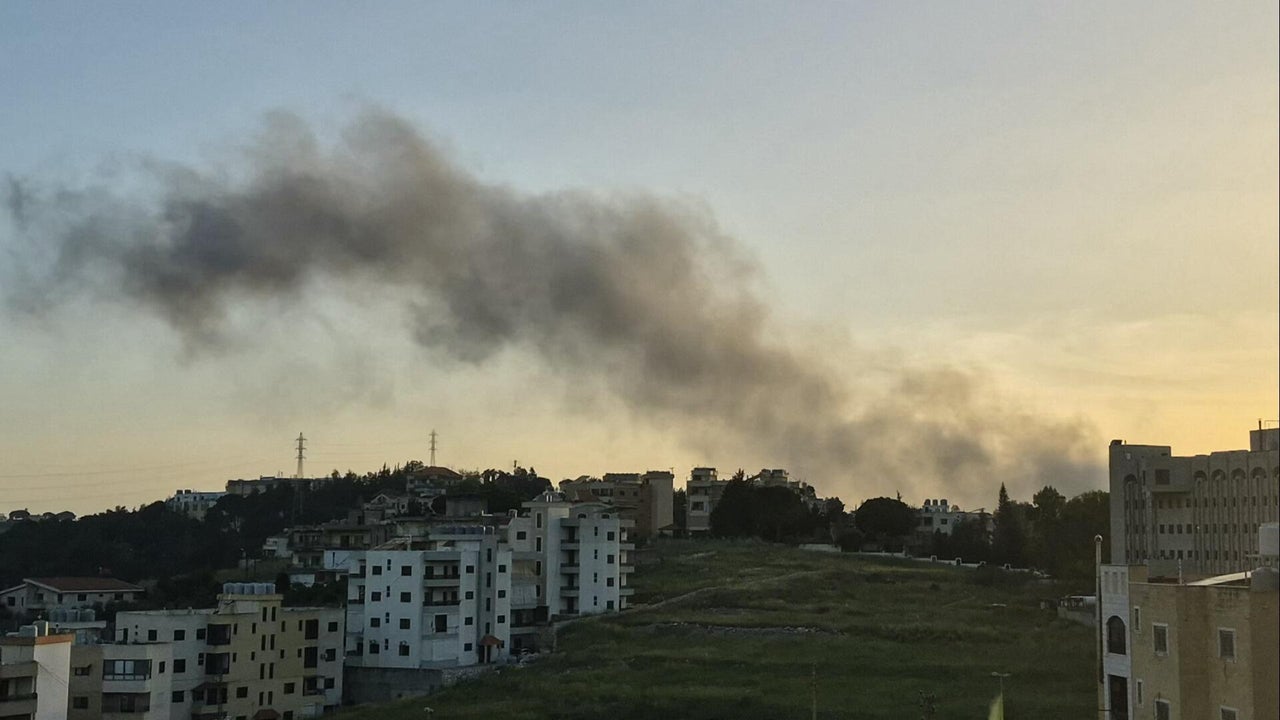
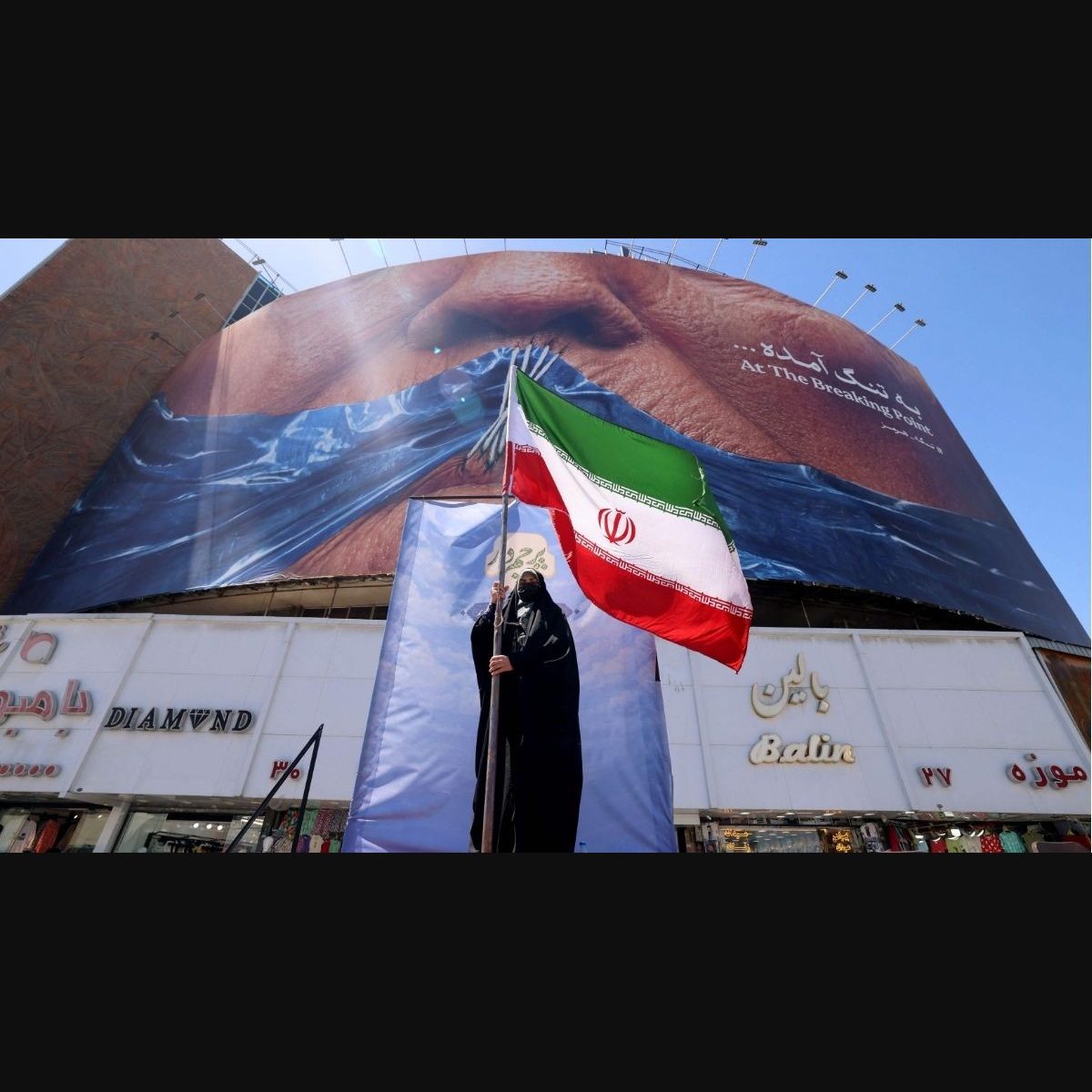
The Strait of Hormuz maritime crisis is creating a dual-layer supply chain shock for cross-border e-commerce sellers, combining immediate shipping cost inflation with emerging digital infrastructure threats. As of May 2026, geopolitical tensions have disrupted approximately one-fifth of global oil trade flowing through the strait, pushing crude prices above $100/barrel and triggering cascading logistics cost increases. The Indian cargo vessel Haji Ali sank off Oman following an attack, while additional vessels were seized near Fujairah, UAE, creating uncertainty in maritime routing decisions. Simultaneously, Iran is asserting control over subsea fiber-optic cables (AAE-1, FALCON, Gulf Bridge International Cable System) that carry critical e-commerce traffic between Asia, the Persian Gulf, and Europe, proposing licensing requirements for technology companies including Amazon, Google, Microsoft, and Meta.
For cross-border sellers, the immediate impact manifests in three critical areas: First, ocean freight costs have increased 15-25% historically during similar disruptions, with air freight surcharges adding 8-12% to expedited shipments. Sellers shipping inventory from Asia to Europe or North America face 2-4 week delivery delays, forcing inventory replenishment timeline extensions and increased working capital requirements. Second, the IMF downgraded global economic growth projections from 3.1% to 2.5% in 2026 under adverse scenarios, directly reducing consumer spending power in key markets like the EU and North America. Third, Iran's proposed digital infrastructure control creates operational risks for sellers relying on cloud services, payment processing systems, and logistics coordination platforms dependent on subsea cables. The potential throttling or licensing requirements for these cables could disrupt real-time inventory management, payment settlement, and customer communications for sellers operating in or shipping to Gulf markets.
Strategic sourcing implications are significant: Sellers currently sourcing from China or Southeast Asia for European/North American markets face margin compression of 5-8% if shipping costs remain elevated. The disruption incentivizes sourcing diversification—India raised fuel prices 3% in response to energy pressures, but Indian Prime Minister Modi's UAE energy partnership visit signals potential stabilization in South Asian sourcing corridors. Sellers should evaluate 3PL providers with alternative routing capabilities (Red Sea alternatives, air freight consolidation) and consider temporary inventory positioning in regional hubs (Dubai, Singapore) to mitigate Strait of Hormuz transit risks. The digital infrastructure threat requires immediate compliance assessment: sellers using Amazon FBA, Shopify, or payment processors dependent on AAE-1 or FALCON cables should develop contingency communication protocols and identify alternative payment gateways not reliant on Iranian-controlled infrastructure.
Questions 8
How much will Strait of Hormuz disruptions increase my shipping costs?
Historical data from similar disruptions shows ocean freight costs typically increase 15-25%, while air freight surcharges add 8-12% to expedited shipments. For a seller shipping 500 units monthly from Asia to Europe via ocean freight at baseline $2,000/container, expect cost increases of $300-500 per container. Delivery timelines extend 2-4 weeks, requiring sellers to increase safety stock by 15-20% to maintain service levels. The IMF projects global economic growth could drop from 3.1% to 2.5% in 2026 under adverse scenarios, reducing consumer demand and offsetting volume growth opportunities.
What is Iran's proposed digital infrastructure control and how does it affect my business?
Iran is asserting sovereignty over subsea cables (AAE-1, FALCON, Gulf Bridge International Cable System) and proposing licensing requirements for technology companies including Amazon, Google, Microsoft, and Meta. This threatens sellers relying on these cables for payment processing, inventory management, and customer communications. If implemented, throttling or blocking could disrupt real-time Amazon Seller Central access, Shopify dashboard functionality, and payment settlement for sellers operating in or shipping to Gulf markets. Immediate action: audit your payment gateway dependencies, identify alternative processors not reliant on Iranian-controlled infrastructure, and establish backup communication protocols with 3PL providers.