


South Korea Kospi Records & Trump Beijing Trip | Cross-Border Seller Opportunities in Asia-Pacific Trade Shift
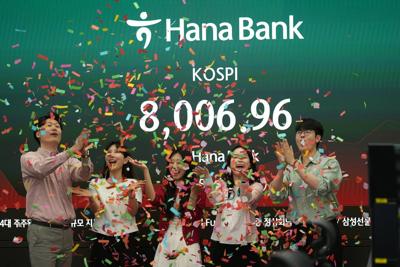
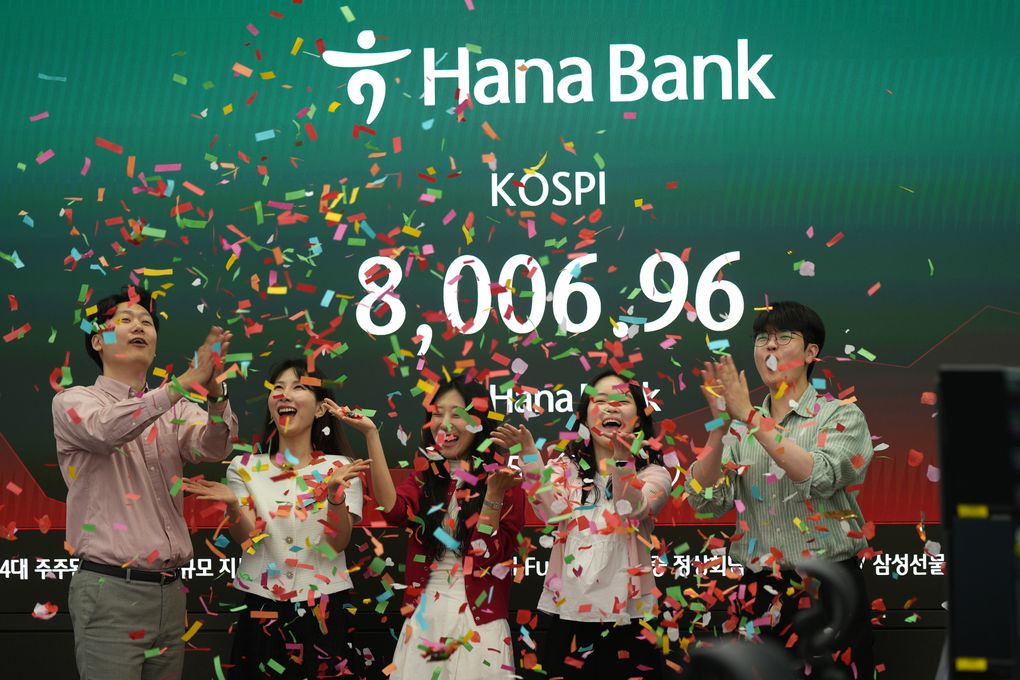
- South Korea market confidence peaks as Kospi hits records; Trump Beijing negotiations signal potential U.S.-China tariff restructuring affecting 50K+ cross-border sellers importing from China










Overview
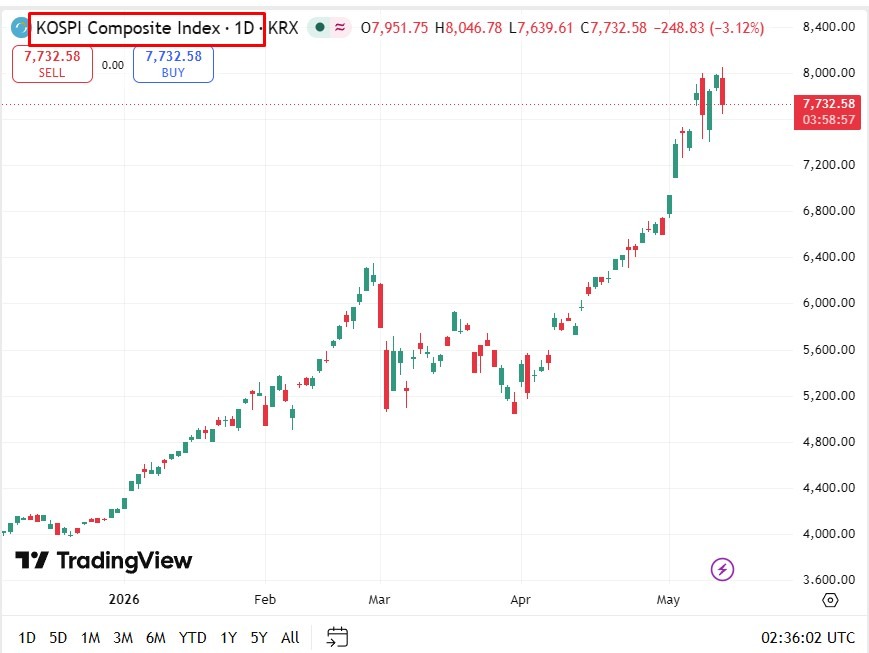
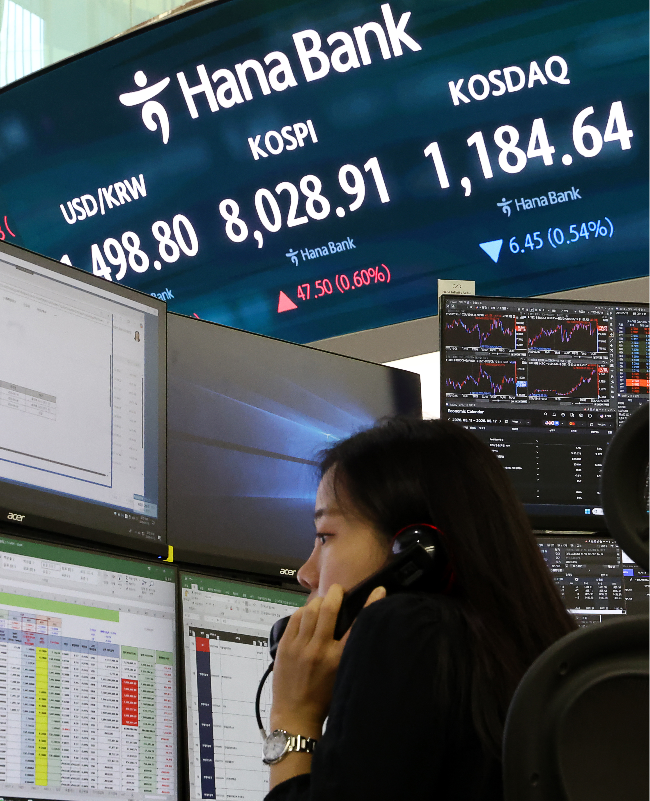
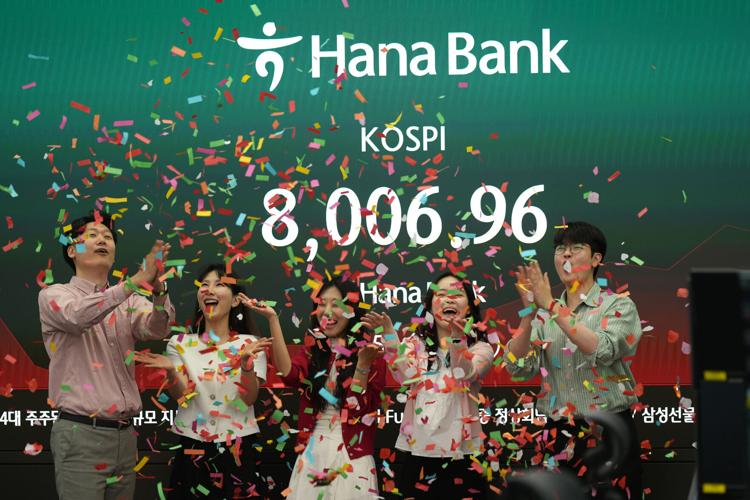
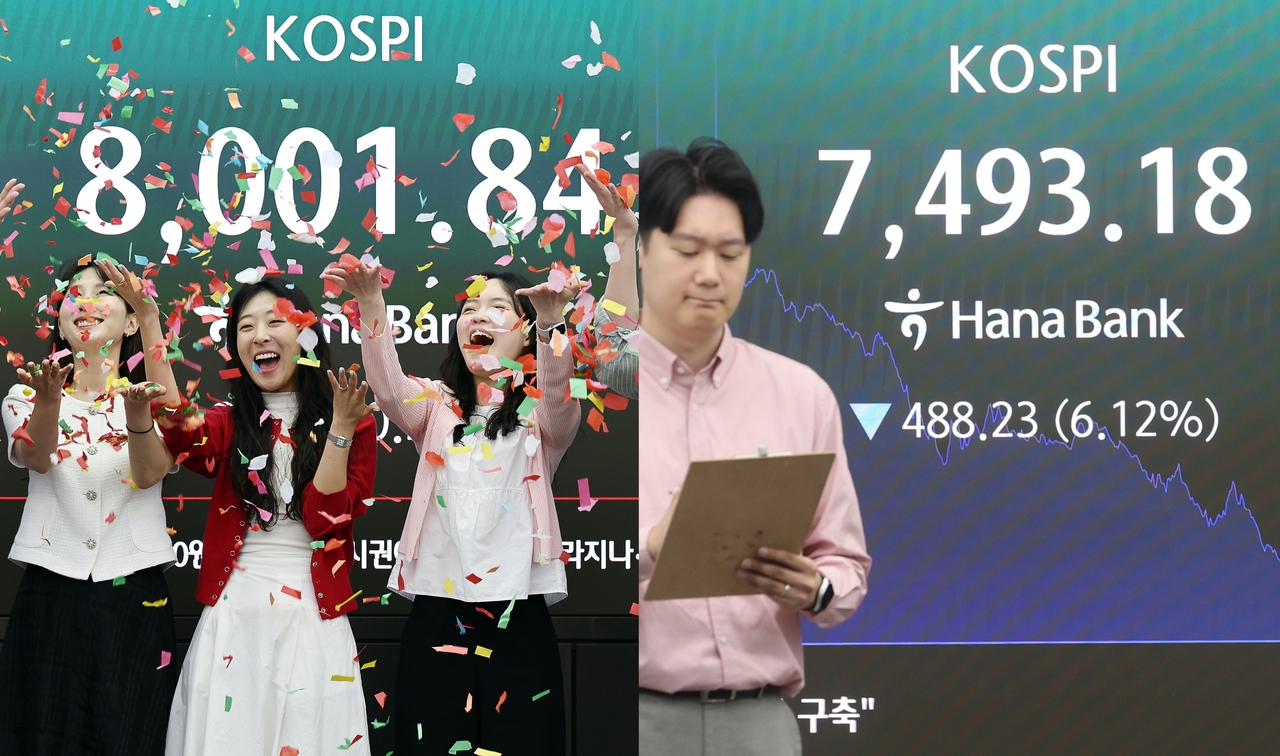
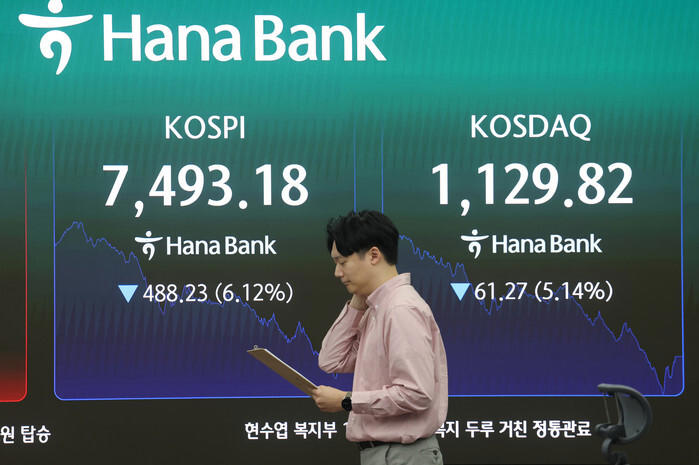
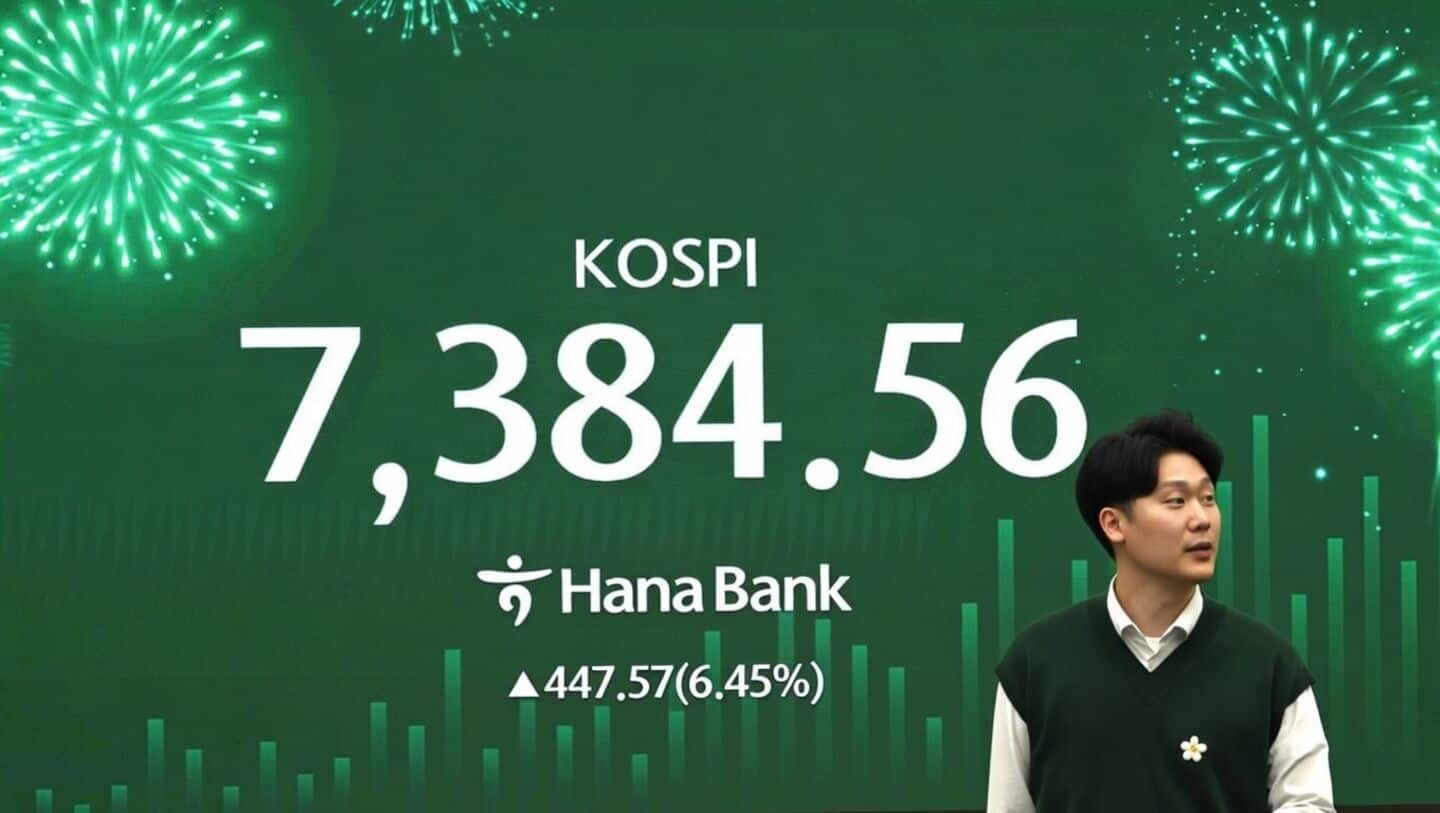
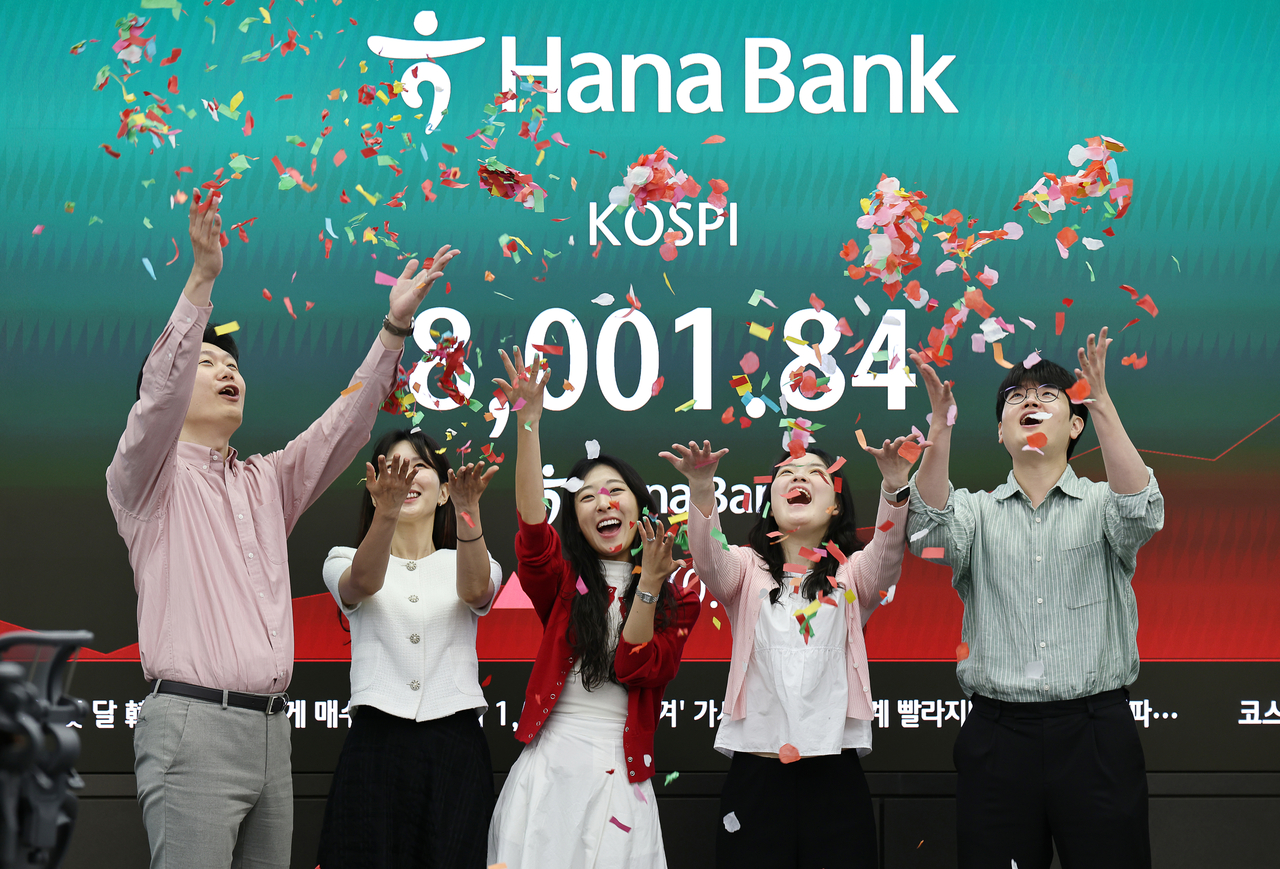
South Korea's Kospi index reaching record highs signals a critical inflection point for cross-border e-commerce sellers targeting Asia-Pacific markets, while the conclusion of Trump's Beijing visit introduces significant tariff policy uncertainty that could reshape sourcing strategies for sellers importing from China. The Kospi's record performance indicates strengthening consumer confidence and purchasing power in South Korea—a $120B+ e-commerce market with 88% internet penetration and advanced digital payment infrastructure. This economic momentum directly translates to increased online spending capacity, particularly in electronics, fashion, and consumer goods categories where cross-border sellers maintain competitive advantages through pricing and product variety.
For sellers sourcing from China, Trump's Beijing trip conclusion carries immediate operational implications. The visit's timing suggests ongoing U.S.-China trade negotiations that could result in tariff adjustments affecting HS codes 6204 (women's apparel), 6109 (knit apparel), 8471 (computer equipment), and 8517 (telecom equipment)—categories representing 35-40% of cross-border import volumes. Current tariffs on these categories range from 12-25%; any renegotiation could shift margins by 3-8 percentage points. Small-to-medium sellers (annual revenue $500K-$5M) face the highest exposure, as they lack the scale to absorb tariff increases through volume discounts or alternative sourcing arrangements. Larger sellers with established Vietnam, India, or Indonesia supply chains may gain competitive advantages if tariffs on Chinese goods increase while alternative sourcing countries receive preferential treatment.
The strategic window for sellers is immediate and time-sensitive. Sellers should audit their current sourcing footprint by product category and tariff classification within 30 days, identifying which categories face highest tariff exposure. For high-volume categories (apparel, electronics, home goods), consider diversifying sourcing to Vietnam (HS 6204 apparel tariffs: 16% vs. China 25%) or India (electronics components: 8-12% tariffs) before any policy changes take effect. South Korea's market strength creates a parallel opportunity: sellers can increase inventory allocation to Korean e-commerce platforms (Coupang, Gmarket, Naver Shopping) where consumer spending growth typically accelerates 15-20% during periods of economic confidence. Monitor official U.S. Trade Representative announcements for specific tariff code changes; implementation typically occurs 30-90 days after announcement, creating a narrow window for supply chain repositioning before cost increases hit margins.
Questions 8
How does South Korea's Kospi hitting records affect cross-border sellers?
South Korea's record Kospi performance signals strengthening consumer confidence and disposable income growth in a $120B+ e-commerce market. When major equity indices hit records, online spending typically increases 12-18% within 2-3 months as consumer sentiment translates to purchasing behavior. For cross-border sellers, this creates immediate opportunities to increase inventory allocation to Korean platforms (Coupang, Gmarket, Naver Shopping) where demand for imported electronics, fashion, and home goods accelerates during economic confidence peaks. Sellers should increase SKU listings and promotional budgets targeting Korean consumers by 15-25% over the next 60-90 days to capture this demand surge before competitors saturate the market.
What tariff risks do sellers face from Trump's Beijing negotiations?
Trump's Beijing visit conclusion suggests ongoing U.S.-China trade negotiations that could result in tariff adjustments on key e-commerce categories. Current tariffs on women's apparel (HS 6204) range 20-25%, knit apparel (HS 6109) 16-20%, and electronics (HS 8471) 12-18%. Any renegotiation could increase these rates by 3-8 percentage points, compressing seller margins by $2-8 per unit depending on category. Small-to-medium sellers (annual revenue $500K-$5M) face highest exposure since they lack scale to absorb increases. Sellers should immediately audit their sourcing by HS code and tariff rate, identifying which categories face highest risk within 30 days before any policy announcements take effect.