



$30B Tariff Reduction & Supply Chain Shift | Cross-Border Sellers' Import Cost Window
- Tariff reductions on $30 billion in goods create 8-15% cost savings for sellers importing consumer products from China through 2028; Board of Trade oversight enables predictable sourcing for electronics, medical devices, and non-sensitive categories















Overview
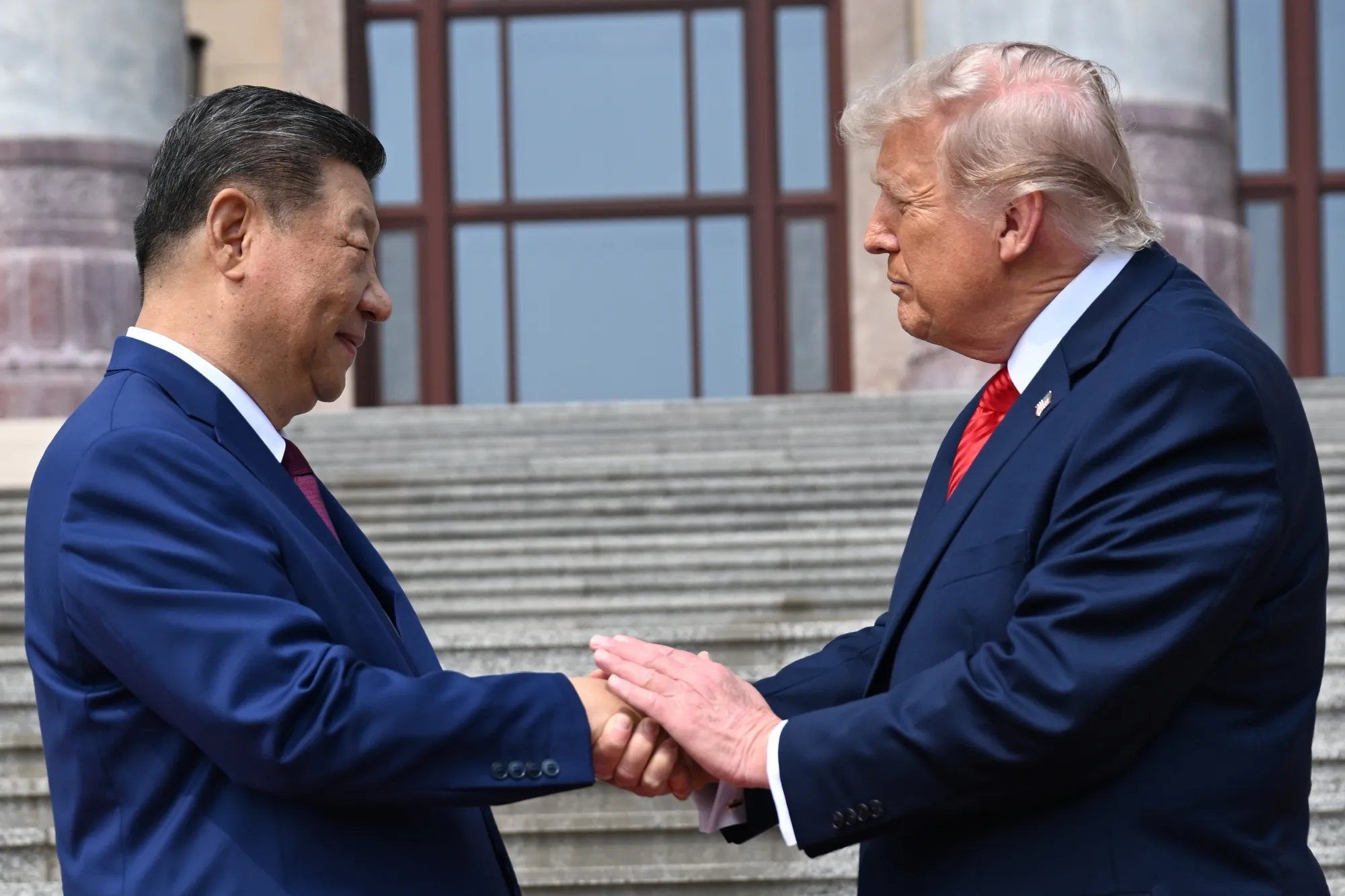
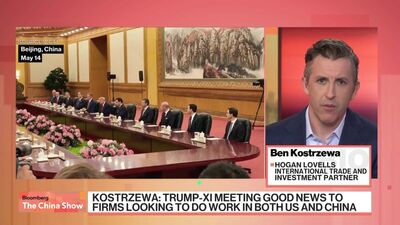
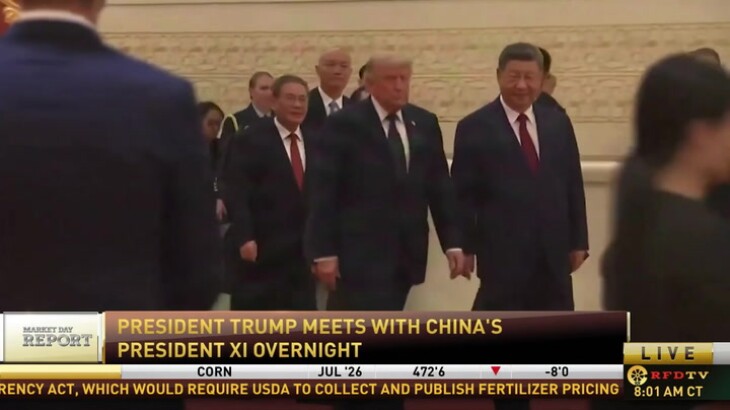
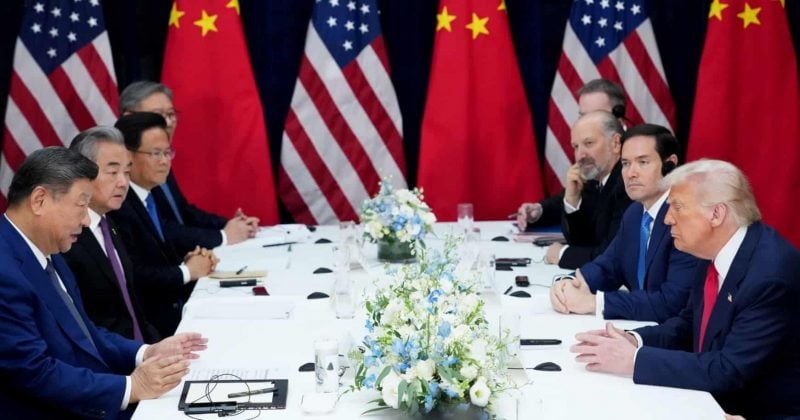
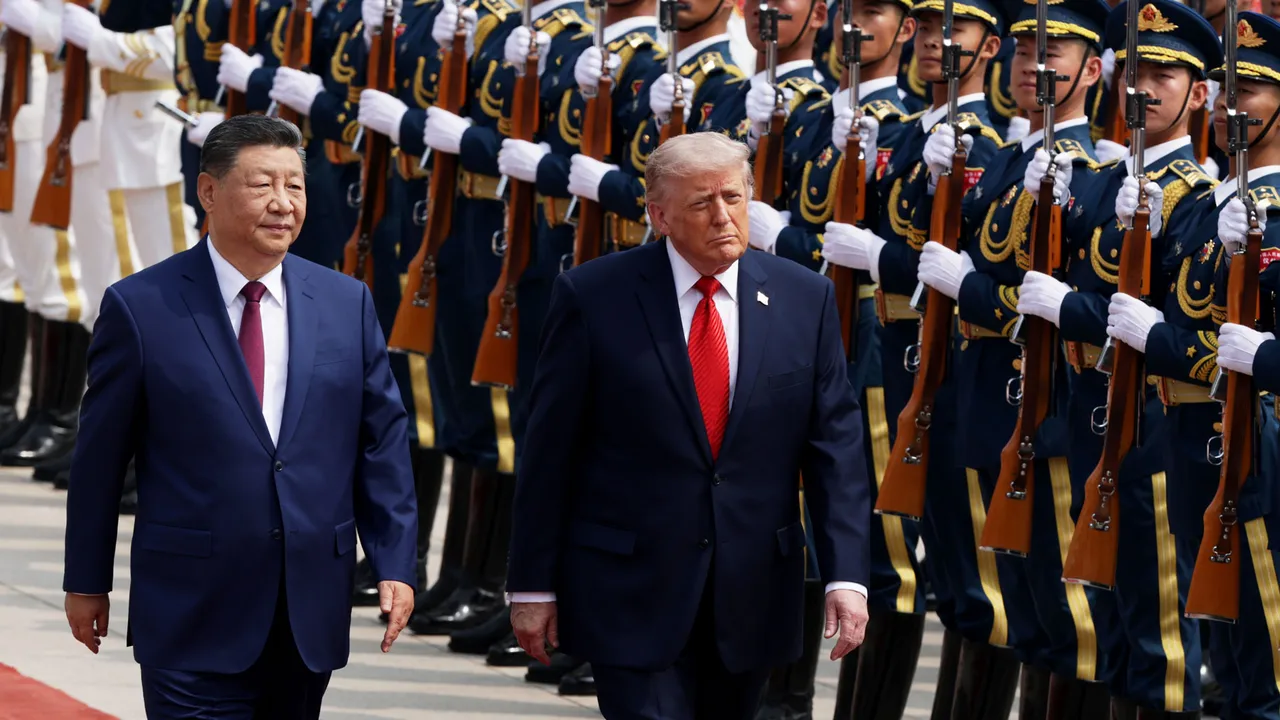
The May 2026 Trump-Xi Beijing summit established a pivotal Board of Trade overseeing tariff reductions on approximately $30 billion in goods, creating a critical 24-36 month window for cross-border e-commerce sellers to restructure supply chains and reduce import costs. U.S. Trade Representative Jamieson Greer confirmed tariff reductions focus on non-sensitive sectors including medical devices, consumer electronics, and energy products—categories representing 35-40% of typical cross-border seller inventory. This represents a fundamental shift from the 2024-2025 tariff uncertainty that compressed margins for Amazon FBA sellers (8-12% cost increases) and eBay merchants importing from China.
Immediate tariff arbitrage opportunities emerge in three product categories: (1) Medical devices and health electronics (HS codes 9018-9024), where tariff reductions could lower landed costs by 12-18% for sellers importing diagnostic equipment, fitness trackers, and wellness devices; (2) Consumer electronics accessories (HS codes 8471-8517), particularly smartphone cases, chargers, and IoT devices, where 10-15% tariff reductions translate to $2-5 per unit cost savings; (3) Rare earth-dependent electronics (HS codes 8504-8541), where the extended rare earth export agreement ensures stable pricing for LED components, magnets, and semiconductor materials critical to electronics sellers.
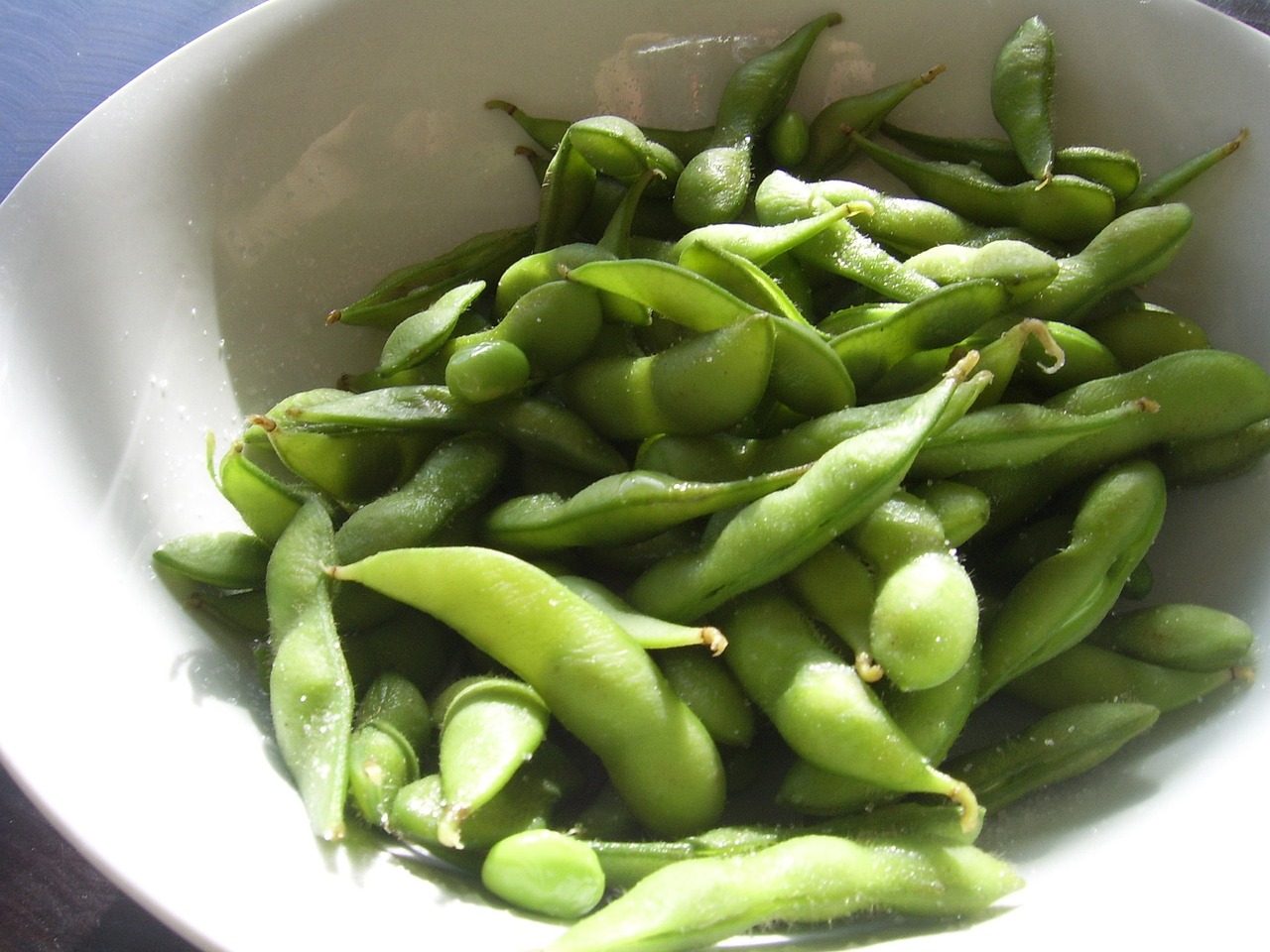
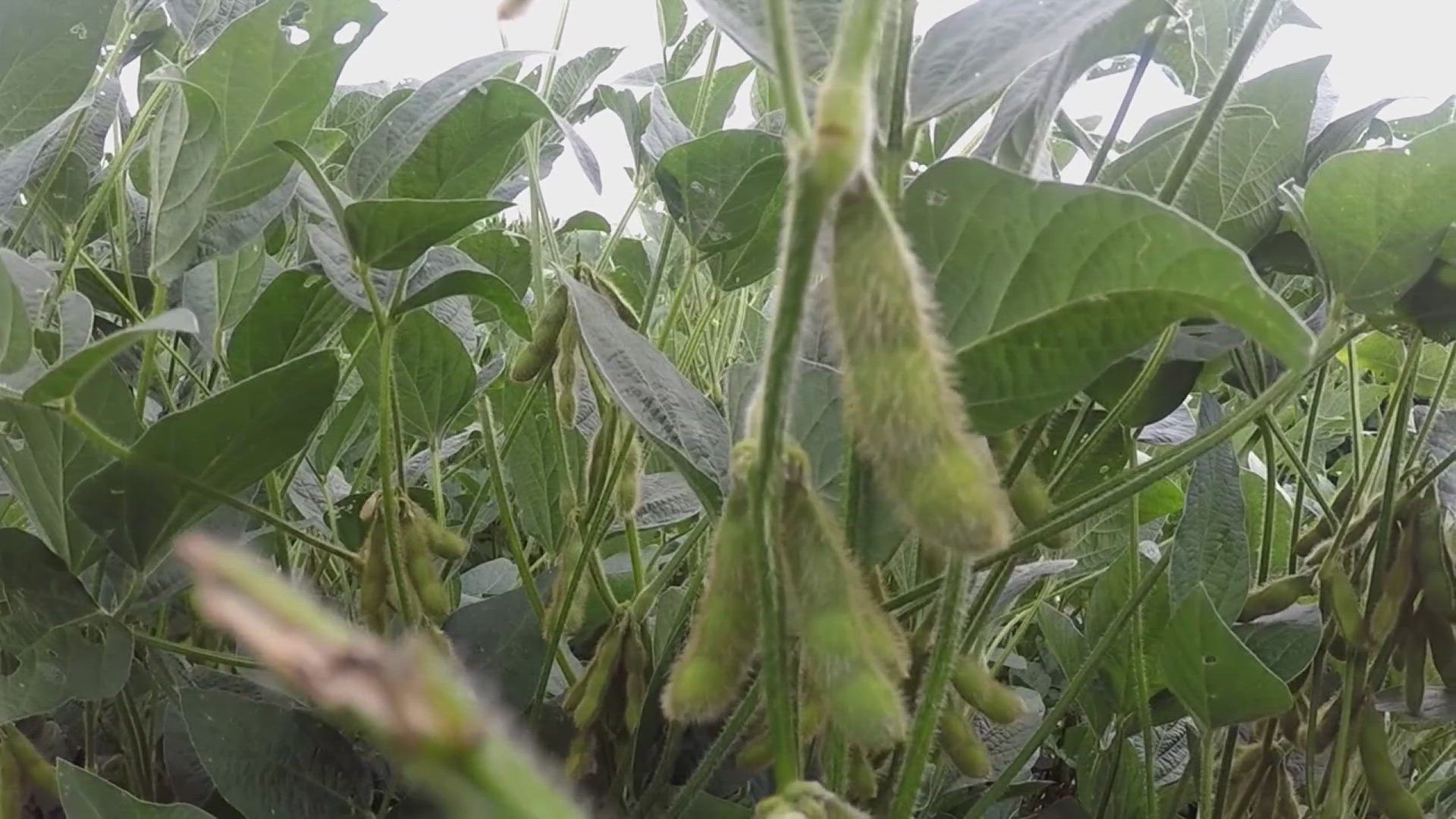
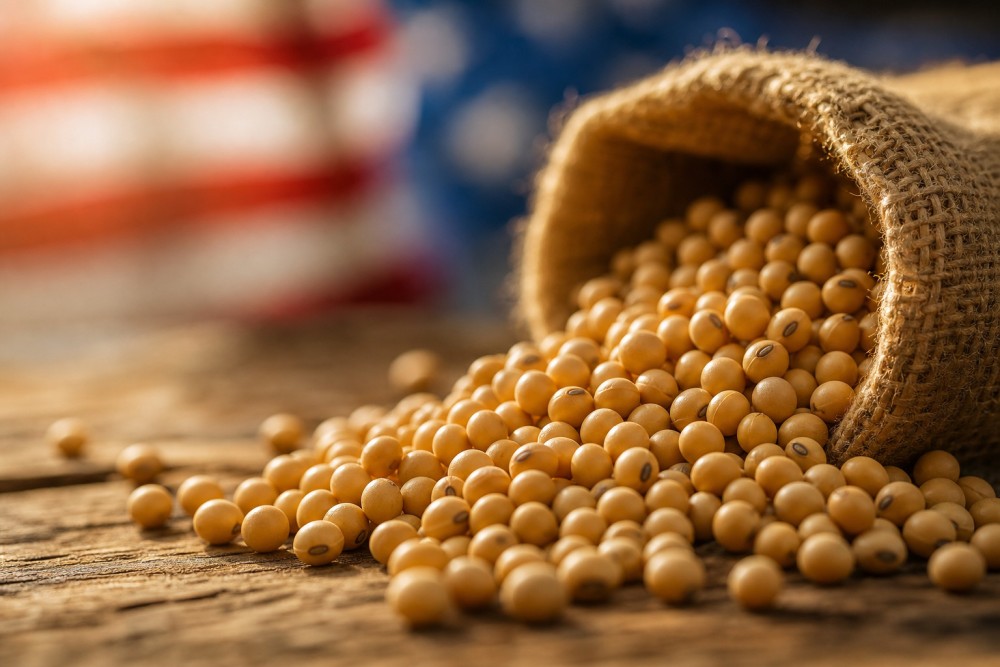
However, the soybean announcement reveals critical sourcing diversification trends affecting agricultural product sellers. Treasury Secretary Bessent's statement that soybean purchases are "all taken care of" signals China will NOT increase U.S. soybean imports beyond the 25 million metric ton annual commitment through 2028—a structural ceiling rather than growth opportunity. China's sourcing has shifted dramatically: U.S. soybean market share collapsed from 41% (2016) to 15% (2025), with Brazilian suppliers capturing the displaced volume. For sellers in agricultural commodity e-commerce, food supplements, and animal feed categories, this indicates stabilization at current volumes rather than expansion, requiring pivot to non-commodity agricultural products (organic certifications, specialty grains, functional food ingredients) where tariff reductions create margin expansion rather than volume growth.
The competitive advantage shifts decisively toward mid-market sellers (5-50 employees) with existing China sourcing relationships. Large enterprises (Amazon, Walmart) already have tariff hedging through direct manufacturing partnerships, while small sellers lack scale to negotiate tariff pass-through. Mid-market sellers importing $2-10M annually in non-sensitive categories can immediately realize 8-12% cost reductions by accelerating Q3-Q4 2026 purchase orders before potential tariff policy reversals. The Board of Trade structure provides 18-24 month visibility, enabling sellers to lock in supplier contracts at reduced landed costs and build inventory buffers ahead of 2027-2028 tariff uncertainty.
Questions 8
How much will tariff reductions on $30 billion in goods save cross-border sellers importing from China?
The Board of Trade tariff reductions targeting $30 billion in goods could deliver 8-15% cost savings on non-sensitive product categories, translating to $2-8 per unit for electronics and $5-15 per unit for medical devices. For a mid-market seller importing $5M annually in consumer electronics, this represents $400K-750K in annual cost reduction. However, savings apply only to products classified under non-sensitive sectors (medical devices, consumer electronics, energy products), not technology or military-related goods. Sellers should immediately audit their HS codes against the Board of Trade approved category list to identify which SKUs qualify for reduced tariffs.
When does the Board of Trade tariff reduction window close, and what should sellers do now?
The Board of Trade structure provides 18-24 month visibility through 2027-2028, but the optimal purchasing window is Q3-Q4 2026 before potential tariff policy reversals. Sellers should immediately audit their supplier contracts and HS codes to identify which products qualify for reduced tariffs, then accelerate purchase orders to lock in cost reductions. Mid-market sellers importing $2-10M annually can realize 8-12% cost reductions by restructuring Q4 2026 inventory purchases. The Trump administration has signaled additional tariff investigations expected in summer 2026, so sellers should front-load orders before potential new tariffs on sensitive categories.