
Northeast Logistics Crisis | Penn Station Fire Disrupts E-Commerce Supply Chains Through Friday
- Electrical fire halts LIRR service between Jamaica-Penn Station; impacts thousands of daily commuters and time-sensitive freight operations across Northeast Corridor through May 15-16, 2026













Overview
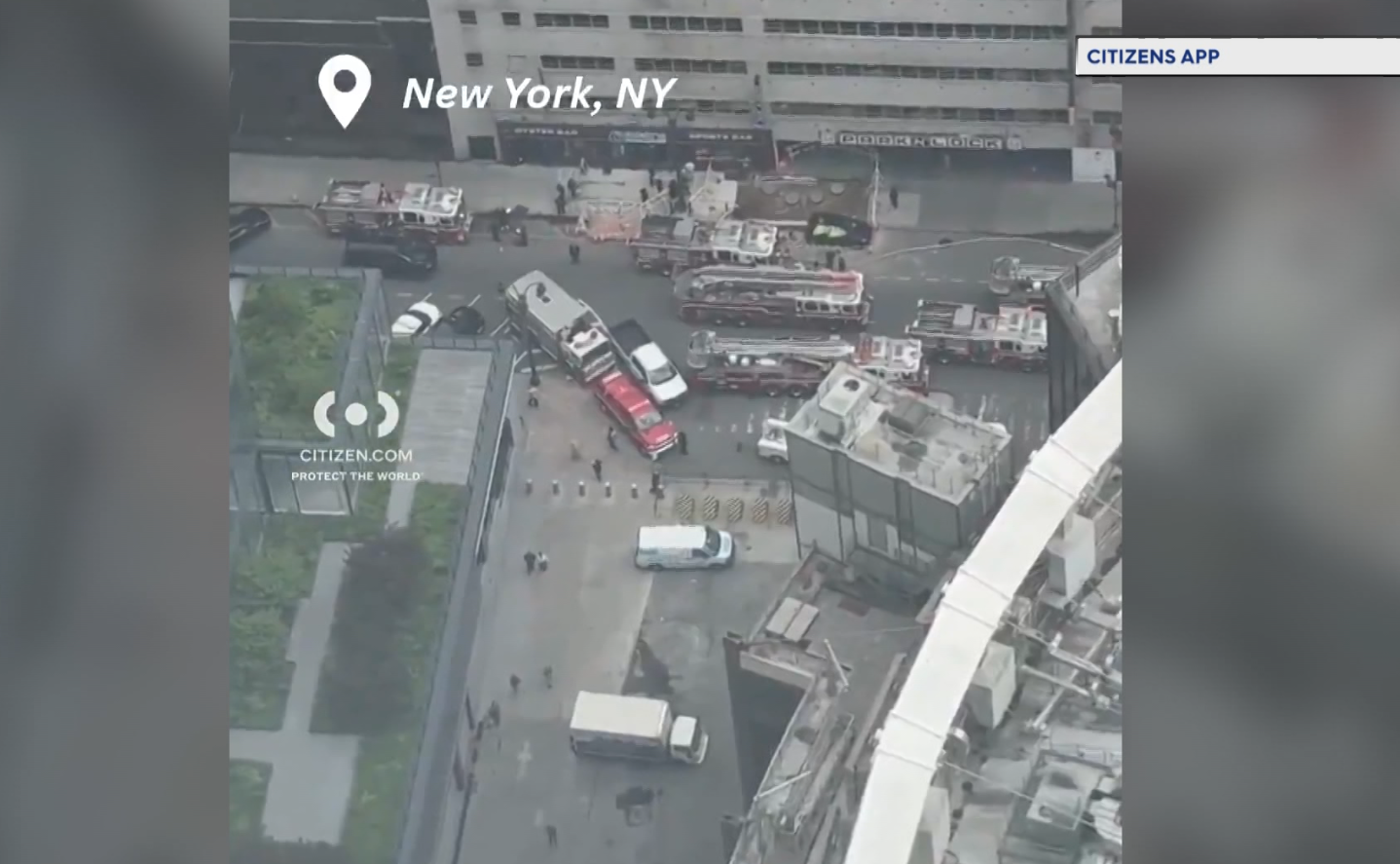
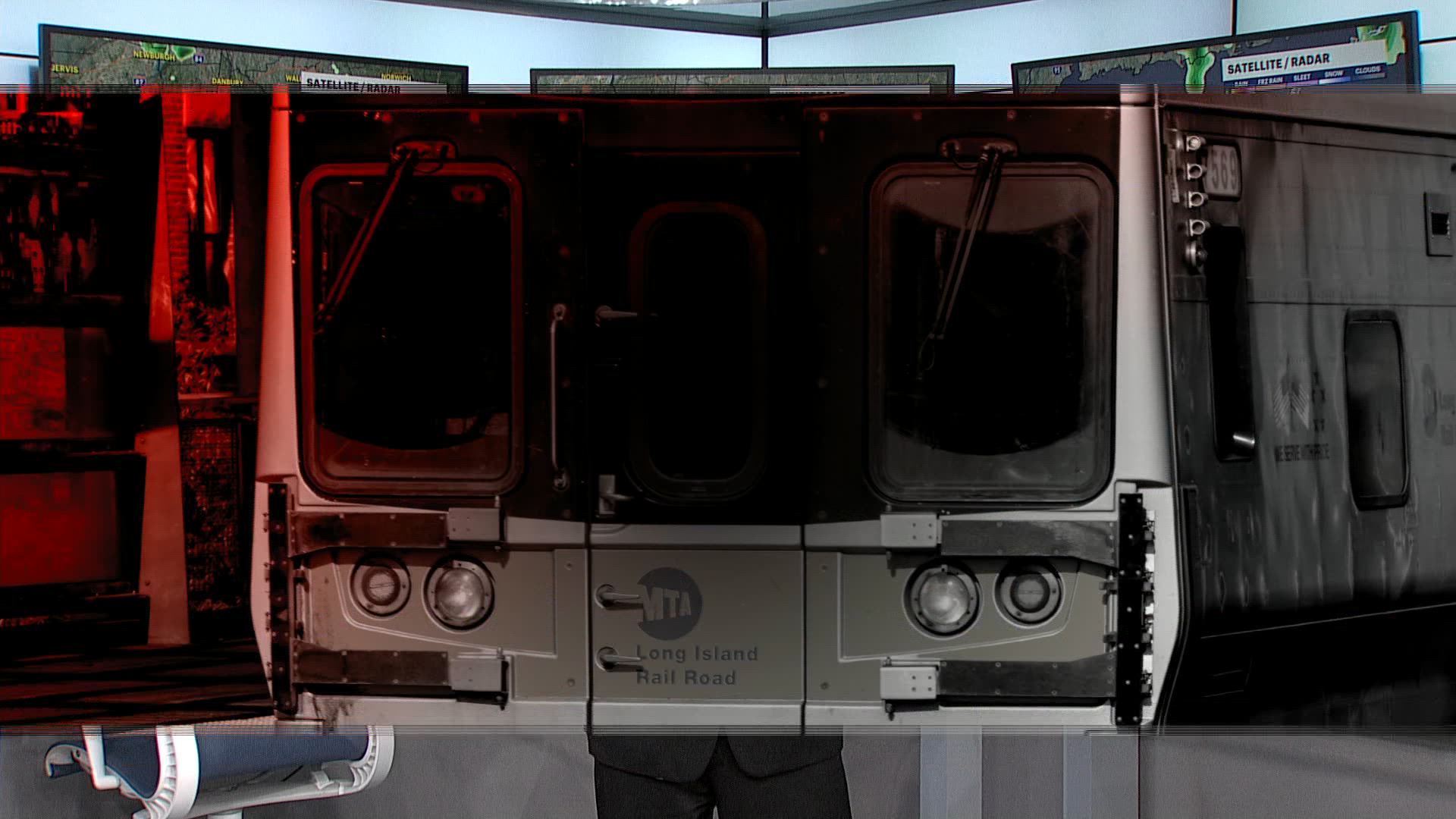
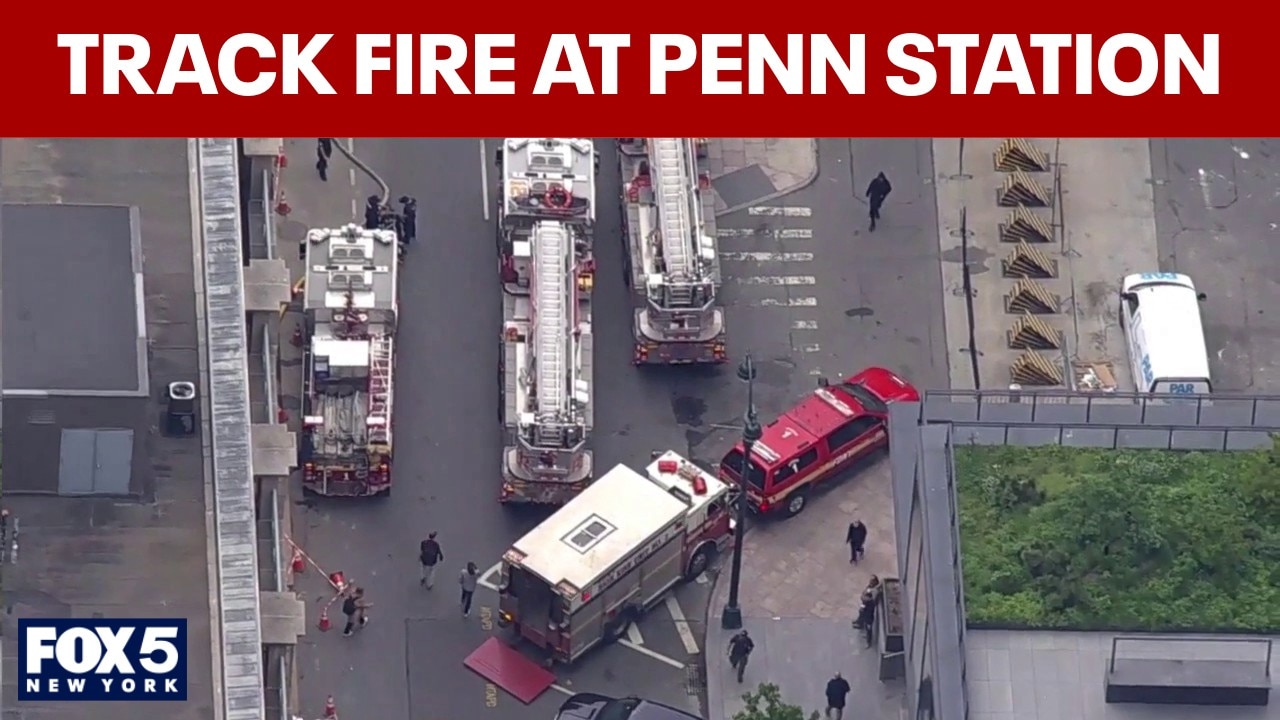
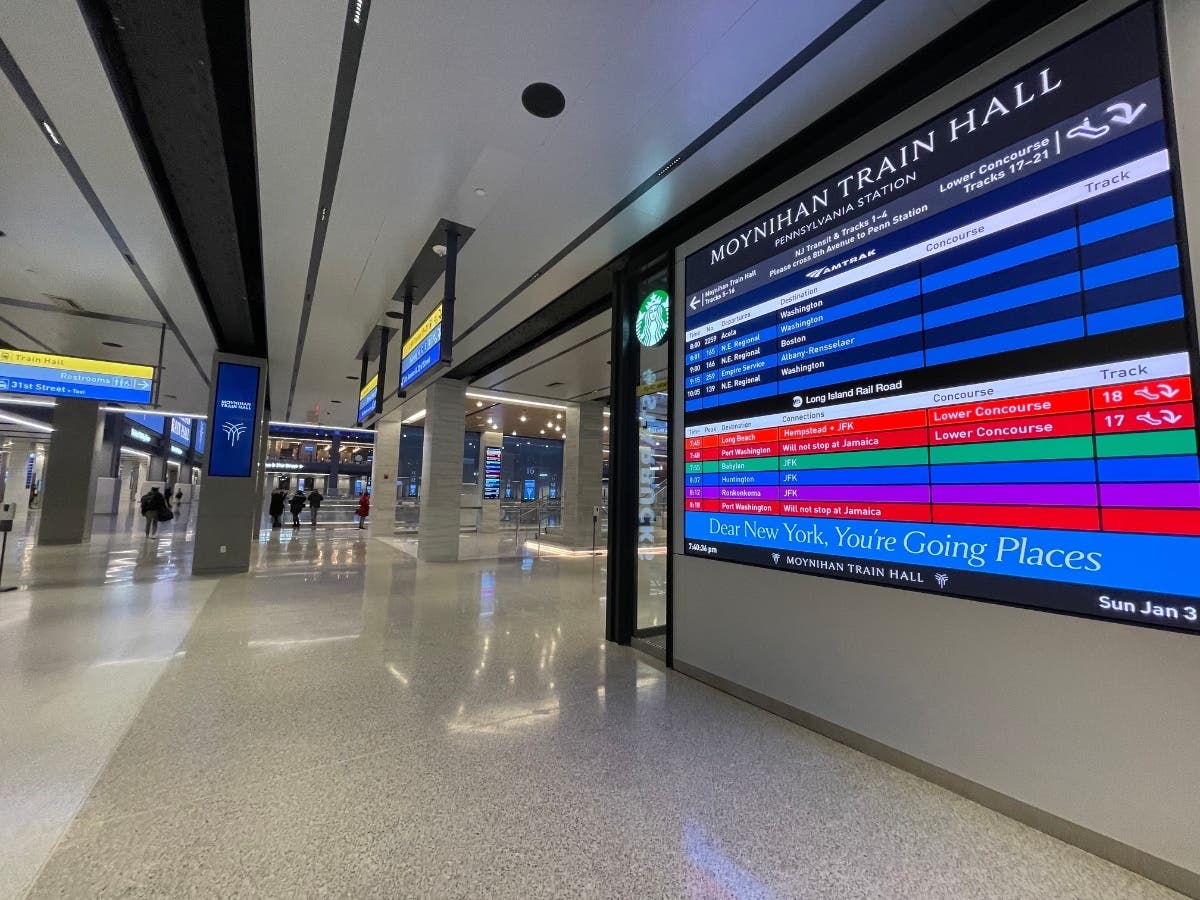
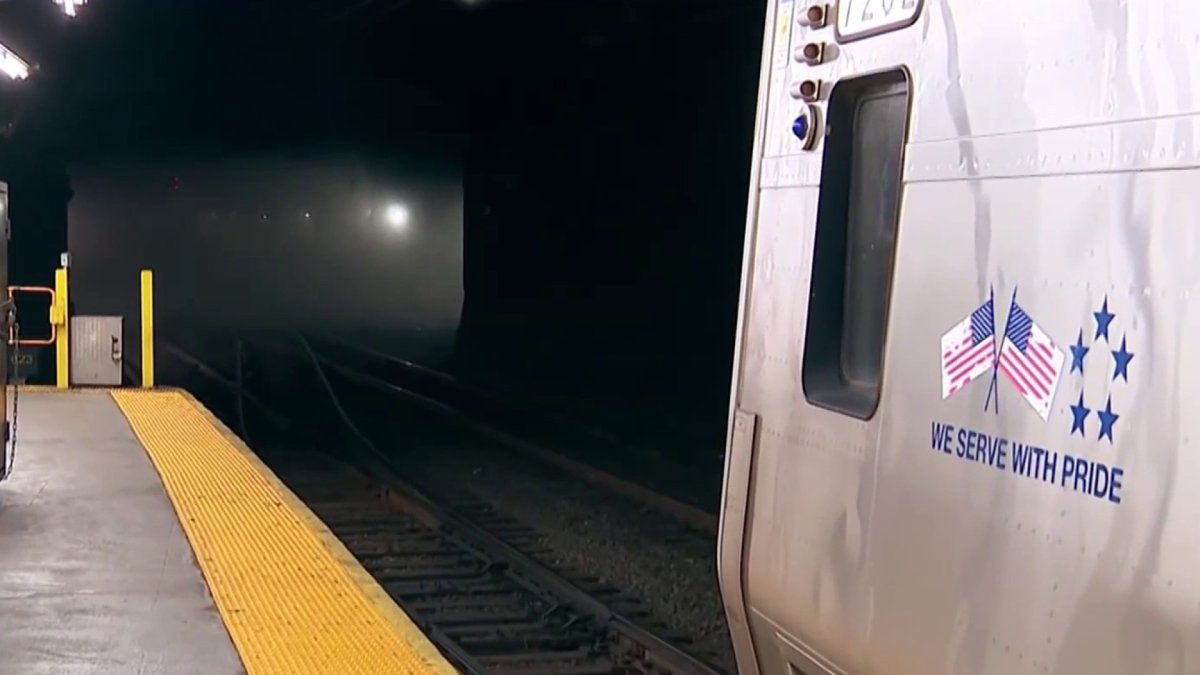
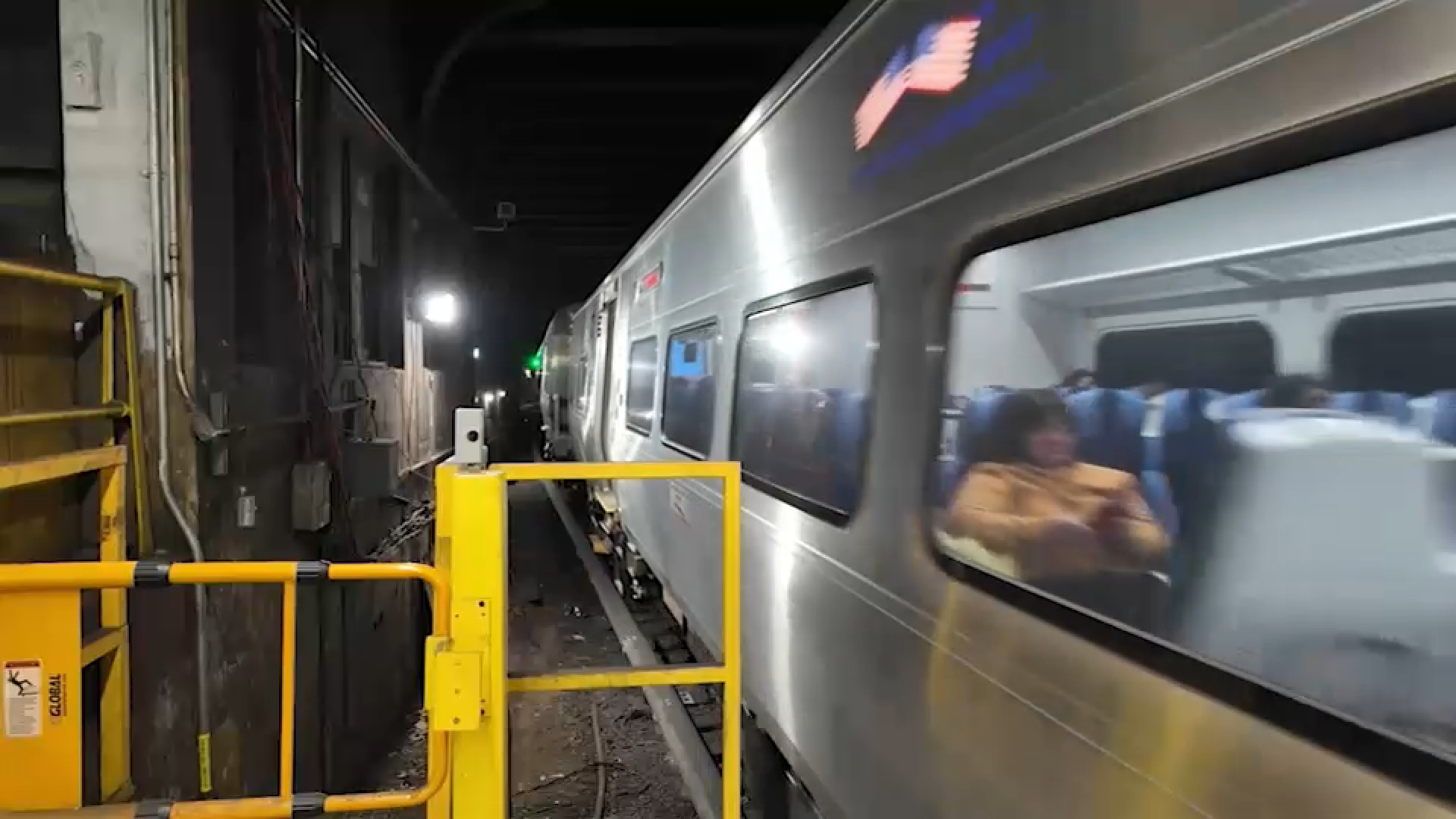
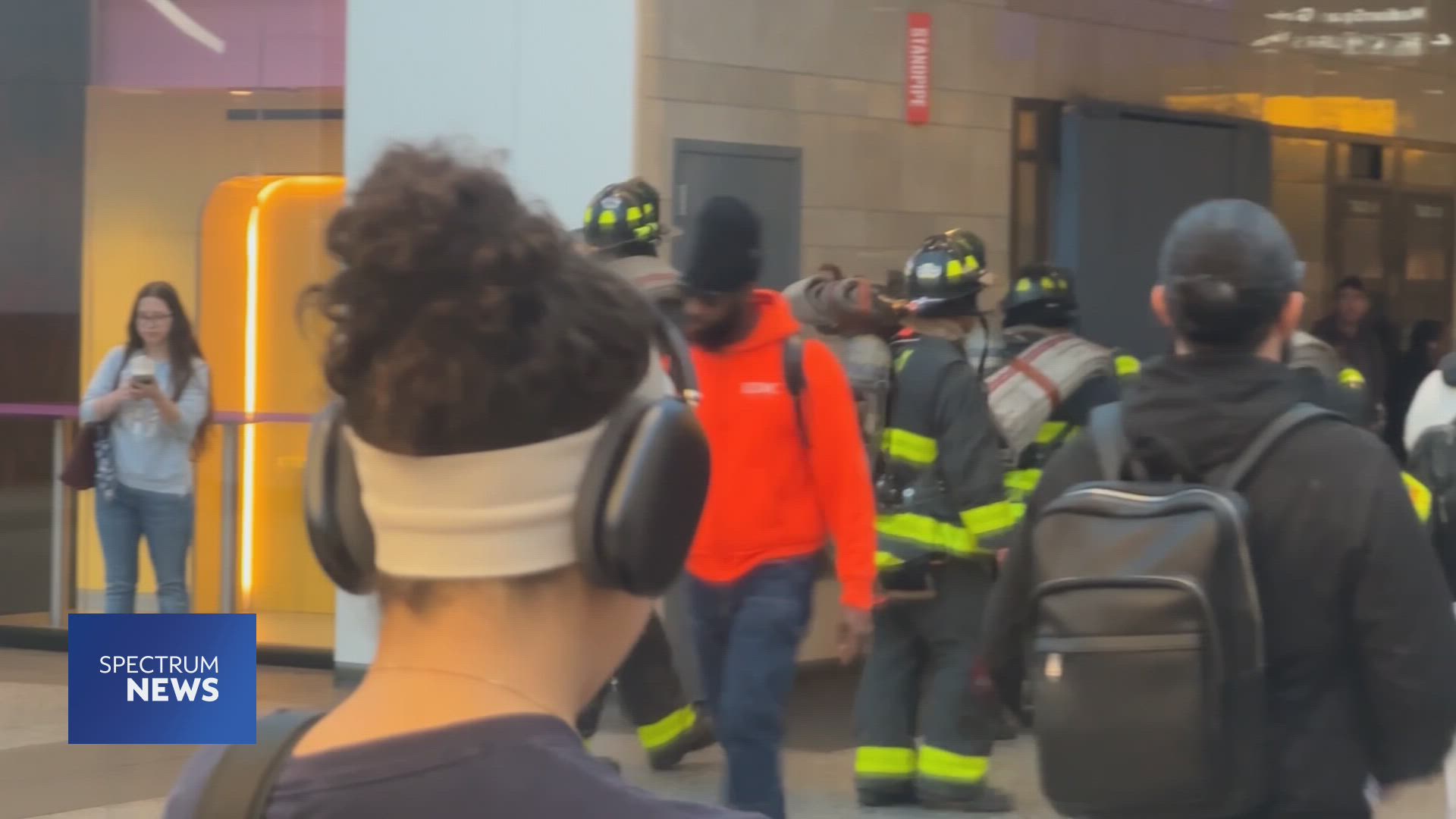
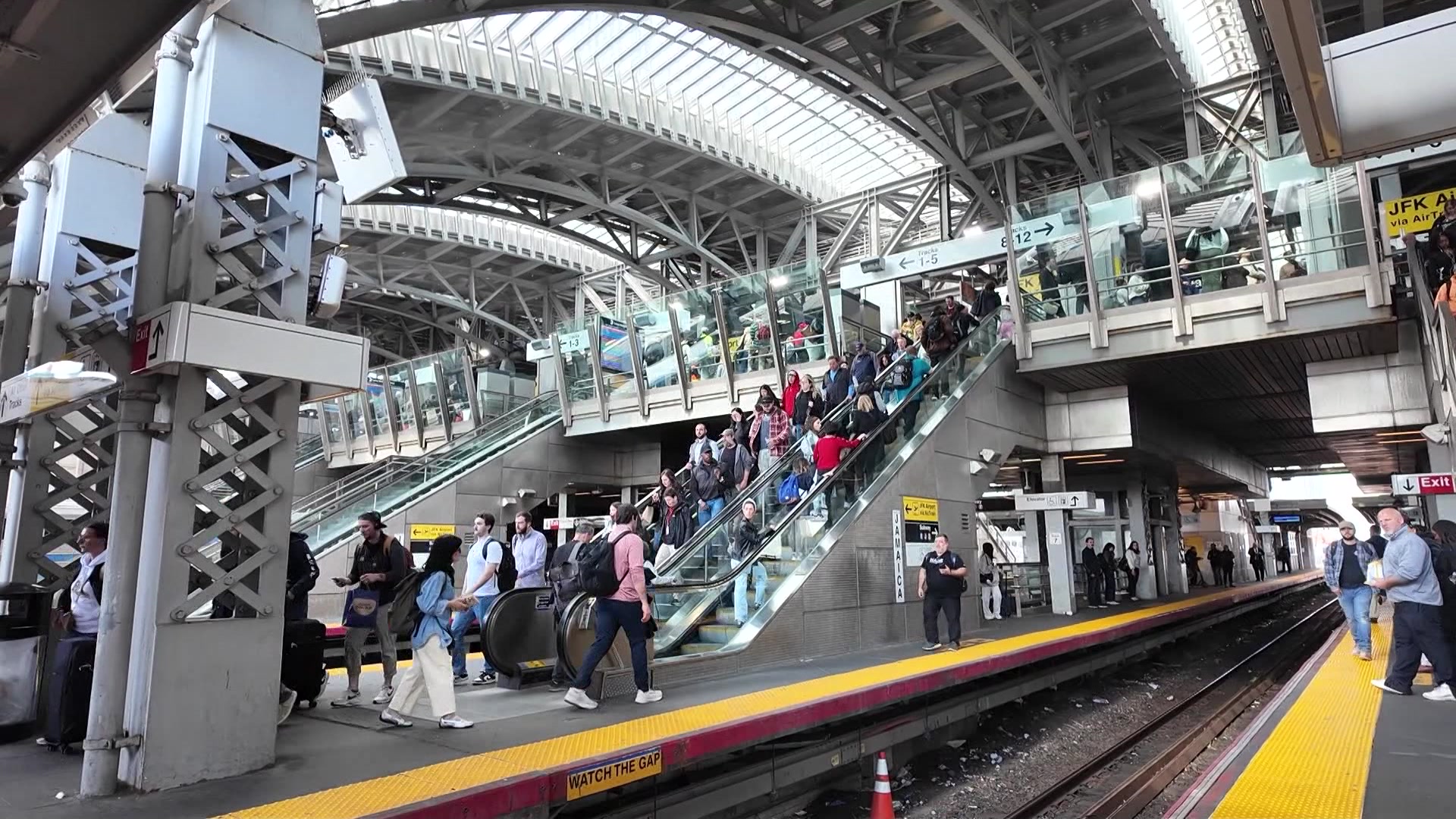
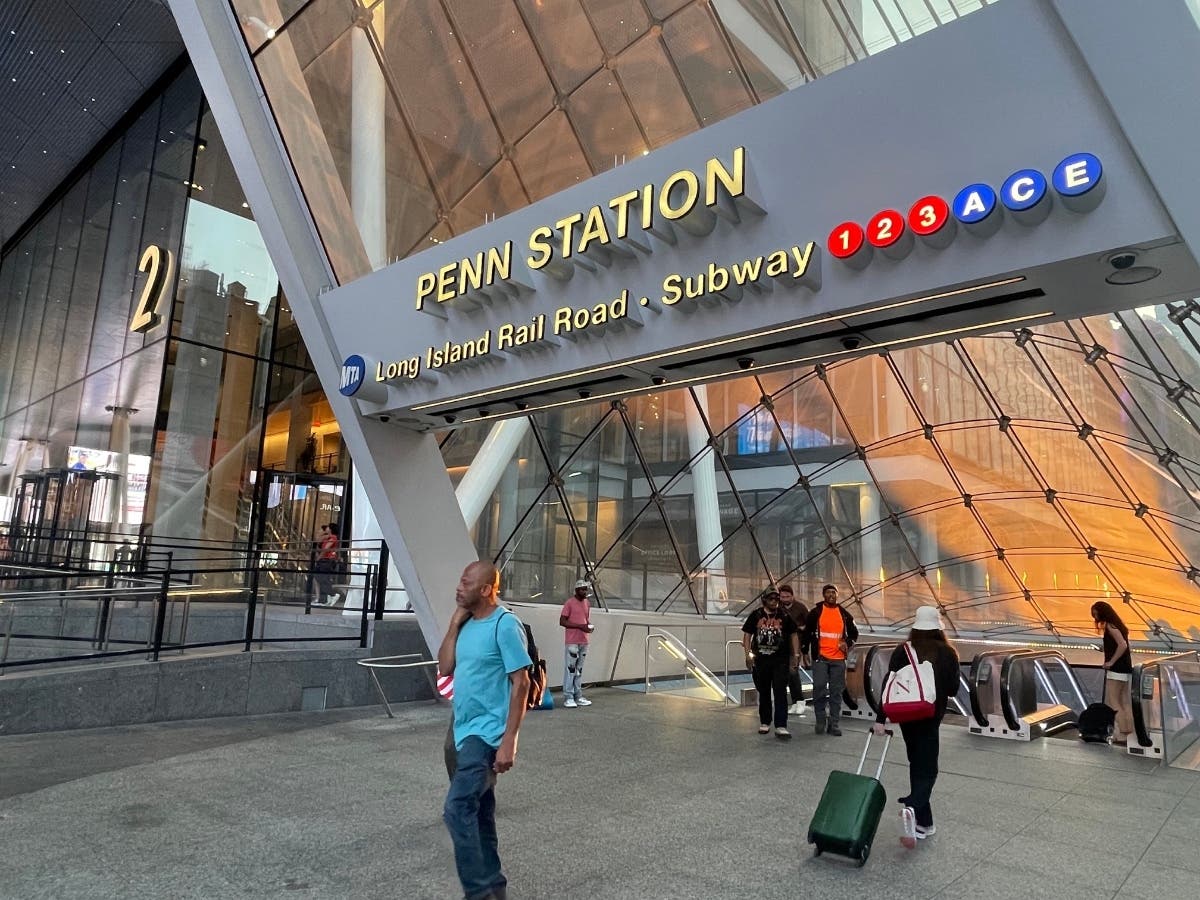
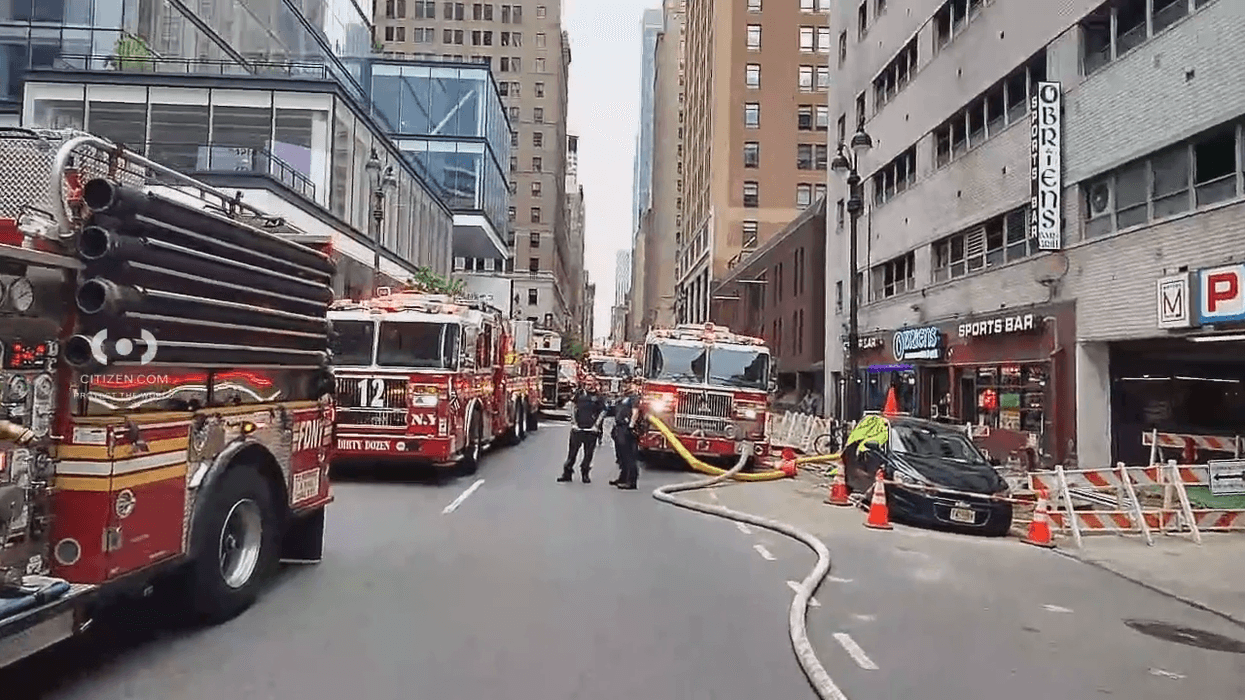
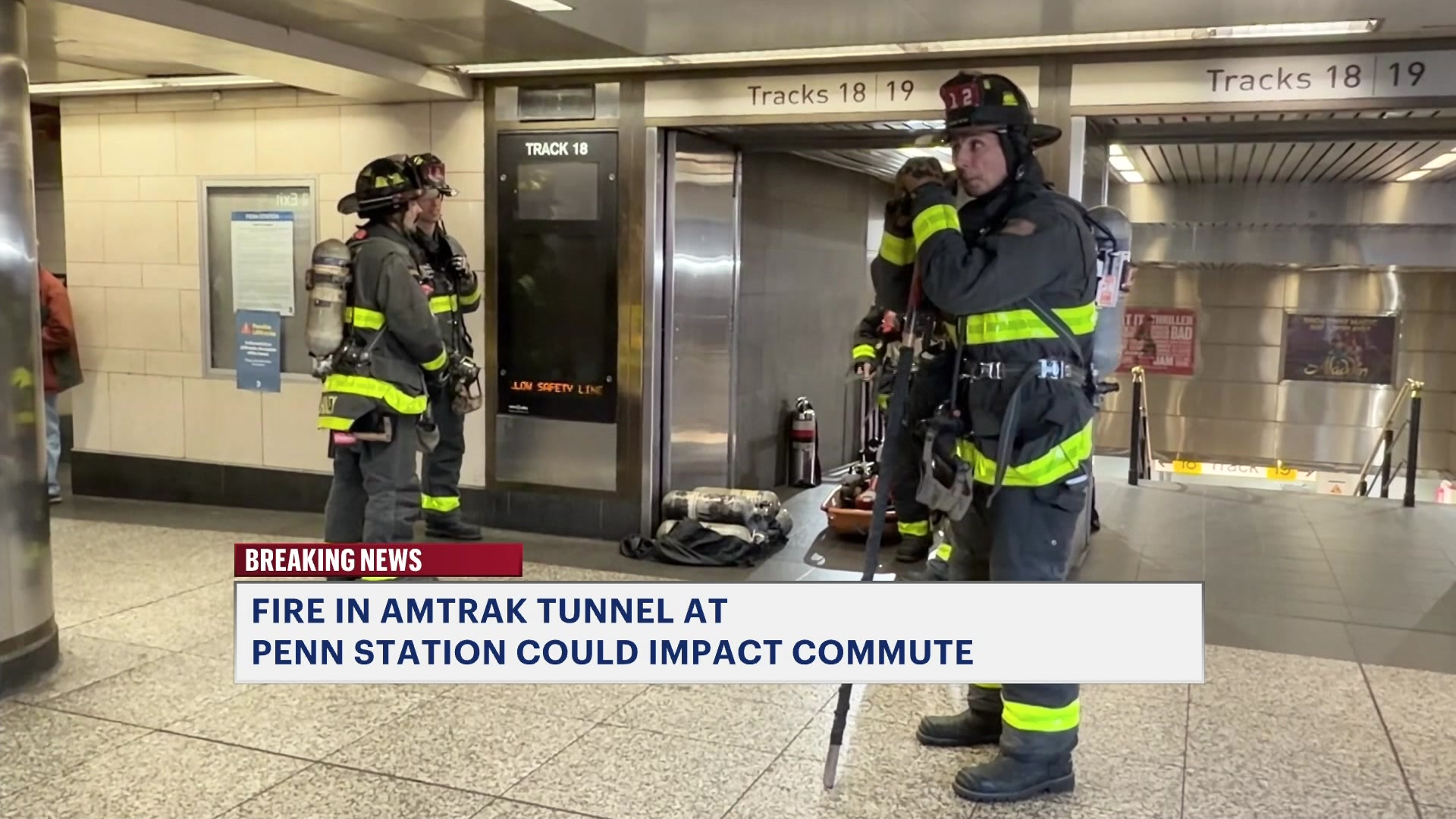
An electrical fire in an Amtrak-operated East River tunnel at Penn Station on May 14, 2026 (11:30 a.m.) triggered a cascading transportation crisis affecting the Long Island Rail Road (LIRR), NJ Transit, and Amtrak operations across the Northeast Corridor. The fire, located at 31st Street between Seventh and Eighth avenues in a tunnel section undergoing post-Superstorm Sandy repairs, forced the MTA to suspend all LIRR service in and out of Penn Station through Friday morning rush hours, with only half-hourly service between Jamaica and Penn Station restored by Friday. This represents a critical infrastructure vulnerability for e-commerce sellers and logistics providers operating in the tri-state region.
Direct Impact on E-Commerce Operations: For cross-border sellers relying on Penn Station as a freight consolidation hub, the disruption created significant operational challenges affecting inventory movement, last-mile delivery coordination, and supply chain timing. Sellers utilizing LIRR for warehouse-to-distribution center transfers or Amtrak for cross-country freight faced scheduling complications with time-sensitive shipments. The suspension of rail service between Jamaica and Penn Station directly impacted inventory movements for sellers serving the Northeast market, with unclear resolution timelines creating supply chain planning uncertainty. The incident demonstrates the vulnerability of concentrated transportation infrastructure to single-point failures in major commercial hubs.
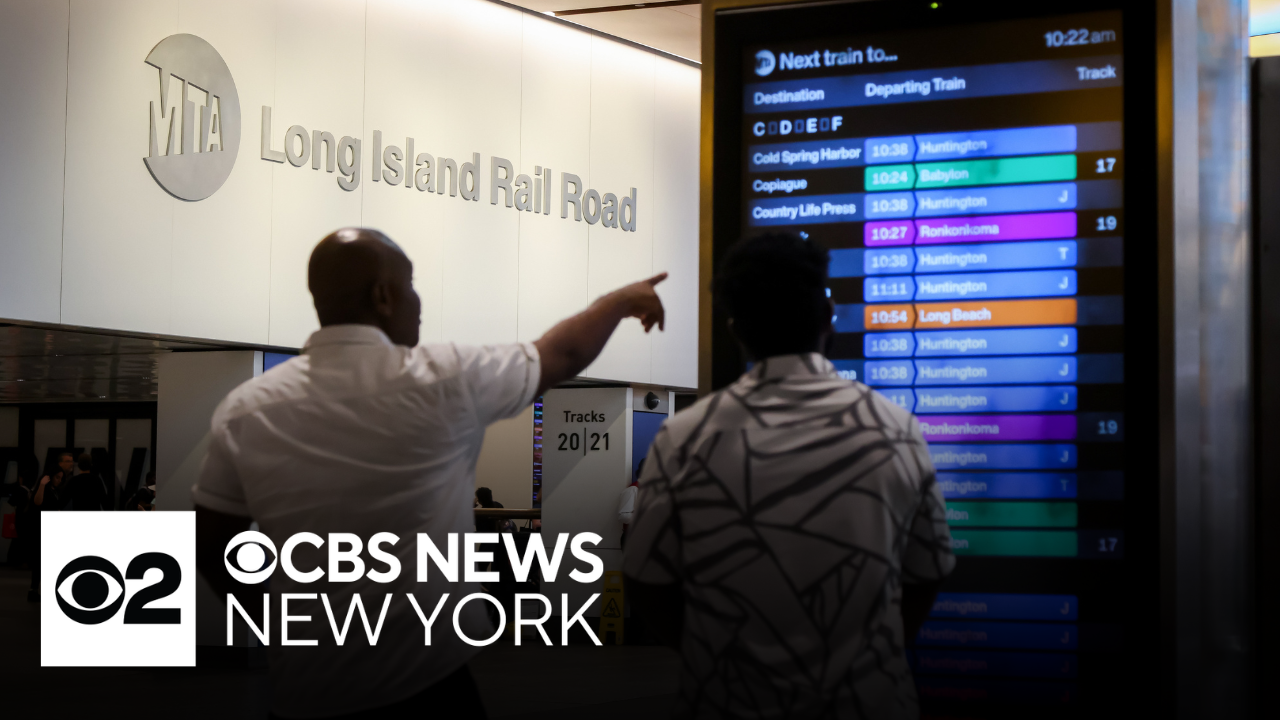
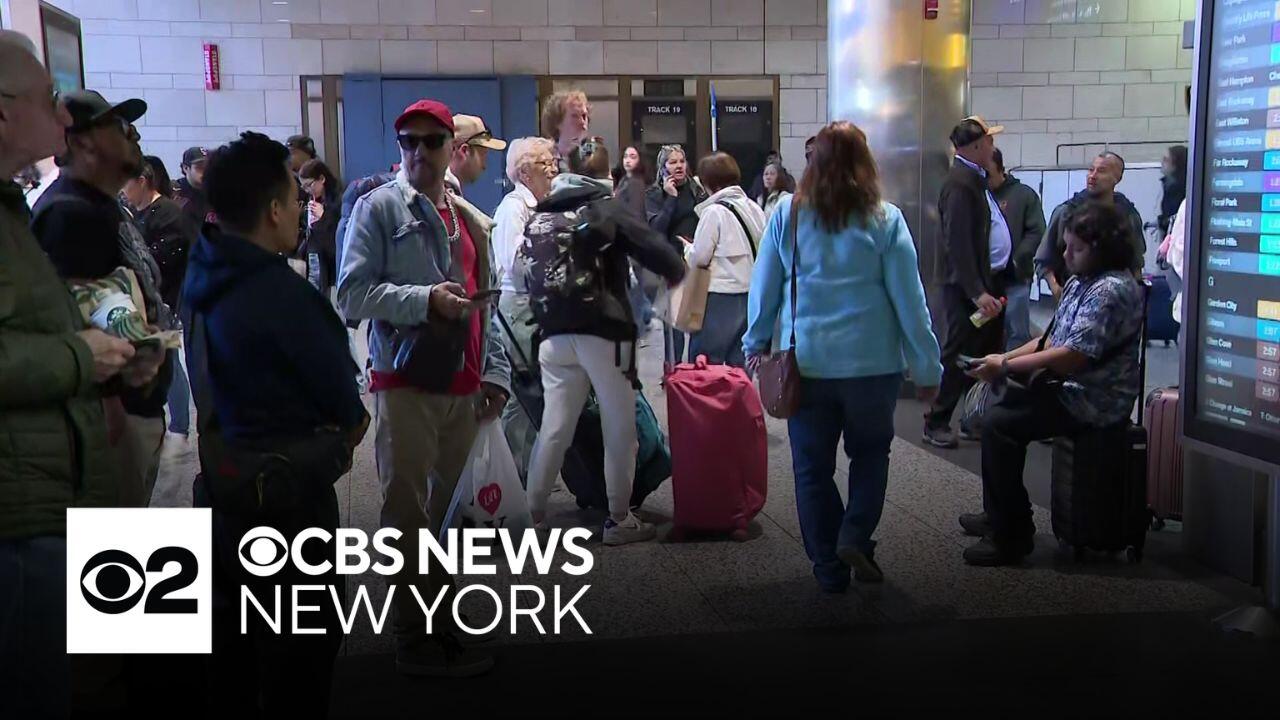
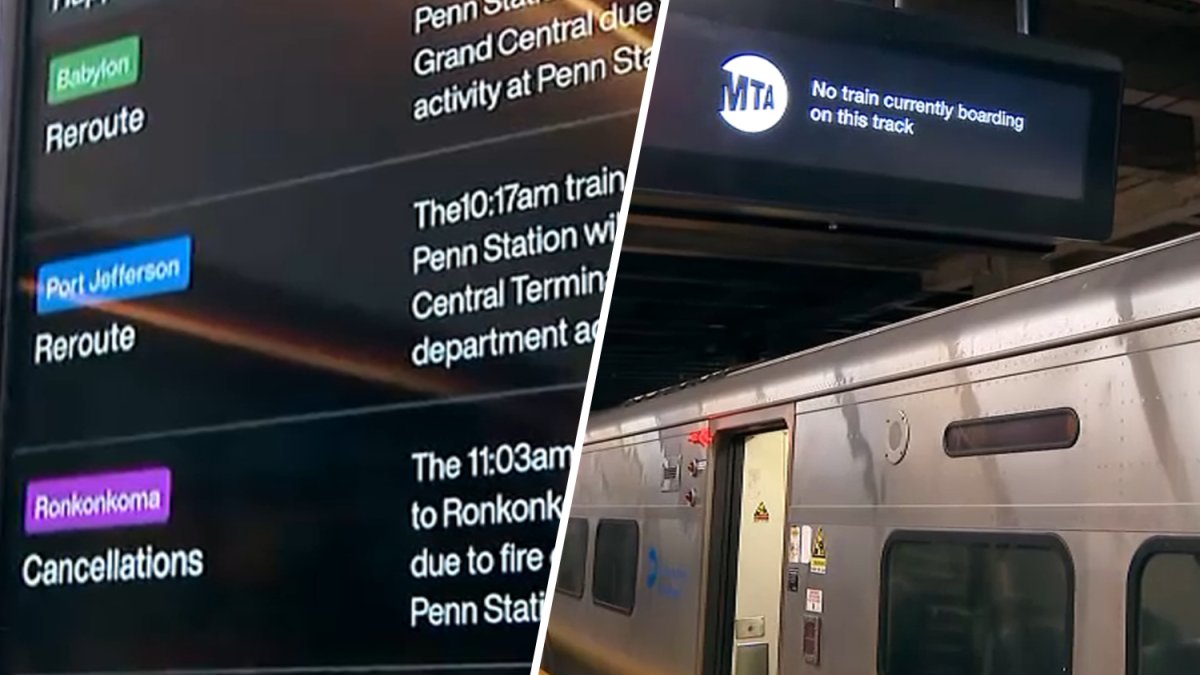
MTA Response and Alternative Routing: The MTA implemented immediate contingency measures by diverting most trains to Grand Central Terminal (operational throughout the night), Atlantic Terminal, and Grand Central Madison. The subway system cross-honored LIRR tickets on multiple lines (E, 4, 5, 6, 7), allowing affected commuters to use alternative transit without additional charges. NJ Transit services were diverted to Hoboken Terminal with residual delays. However, MTA officials indicated service would not be fully restored by Friday evening, creating extended operational uncertainty for logistics coordinators who must verify train status before operations.
Broader Infrastructure Vulnerability: This incident reflects aging transportation infrastructure challenges in major metropolitan areas critical to e-commerce distribution networks. Penn Station's role as a central transit point for millions of commuters and the Northeast Corridor's importance to cross-border commerce means operational disruptions ripple through supply chains serving the tri-state area. The MTA spokesperson's frustration—"Amtrak equipment. Amtrak tunnel. Amtrak tracks. LIRR riders once again are inconvenienced by this Amtrak situation"—highlights systemic coordination challenges between transit operators. For e-commerce businesses, this underscores the critical importance of maintaining diversified logistics routes, contingency plans for major transportation hub disruptions, and resilience strategies to maintain service level agreements during unexpected infrastructure emergencies.
Questions 8
How does the MTA's cross-honor ticket policy affect logistics operations versus passenger commuting?
The MTA's cross-honor ticket policy allows passengers to use subway services on the E, 4, 5, 6, and 7 lines without additional charges, addressing commuter impact but providing limited direct benefit to freight logistics operations. While the policy demonstrates MTA coordination efforts to minimize passenger impact through alternative routing and fare accommodation, freight consolidation and rail-based cargo movement cannot utilize subway alternatives. The policy highlights the distinction between passenger service contingency planning and freight logistics resilience. For sellers, this means freight operations lack equivalent alternative routing support, making it critical to establish direct relationships with Amtrak, LIRR freight services, and alternative 3PL providers who can navigate infrastructure disruptions independently of MTA passenger service policies.
What metrics should sellers monitor to assess Northeast logistics vulnerability?
Key performance indicators for infrastructure risk assessment include: (1) **Inventory concentration ratio** (% of stock in single region—target <40% in Northeast); (2) **Carrier dependency score** (% of shipments through single carrier—target <50%); (3) **Transportation disruption frequency** (track major incidents affecting your routes monthly); (4) **SLA compliance rate** (% of on-time deliveries—target >98%); (5) **Logistics cost variance** (% increase during disruptions—benchmark 8-12%); (6) **Customer chargeback rate** (% of orders with late-delivery disputes—target <2%). Sellers should implement **real-time monitoring dashboards** tracking these metrics and establish alert thresholds triggering contingency activation. The Penn Station incident should prompt quarterly infrastructure vulnerability assessments, particularly for sellers with >30% Northeast inventory concentration. These monitoring systems typically cost $2,000-5,000 annually but provide early warning enabling proactive rerouting before customer impact occurs.