



US-China Trade Thaw Signals Tariff Relief Window | Cross-Border Sellers Face Critical 90-Day Opportunity
- Trump-Xi summit May 2026 suggests tariff reduction pathway; 200 Boeing order signals diplomatic alignment; sellers must monitor tariff code changes on HS 8704-8708 (vehicles/parts), 6204-6206 (apparel), 9405 (lighting) for margin recovery opportunities




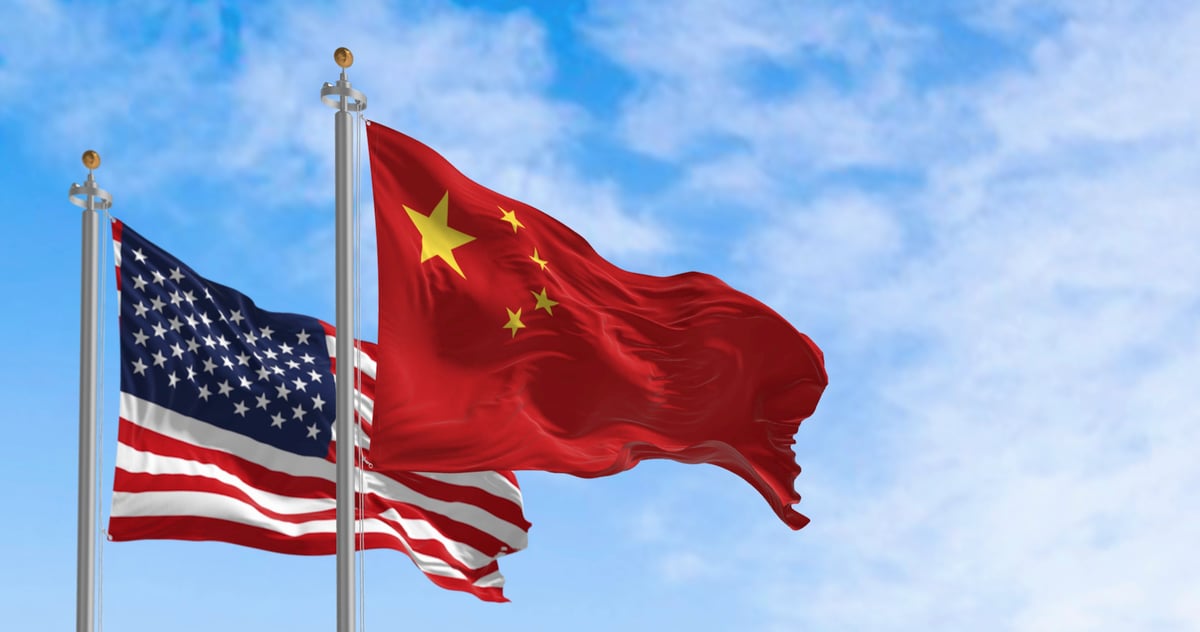


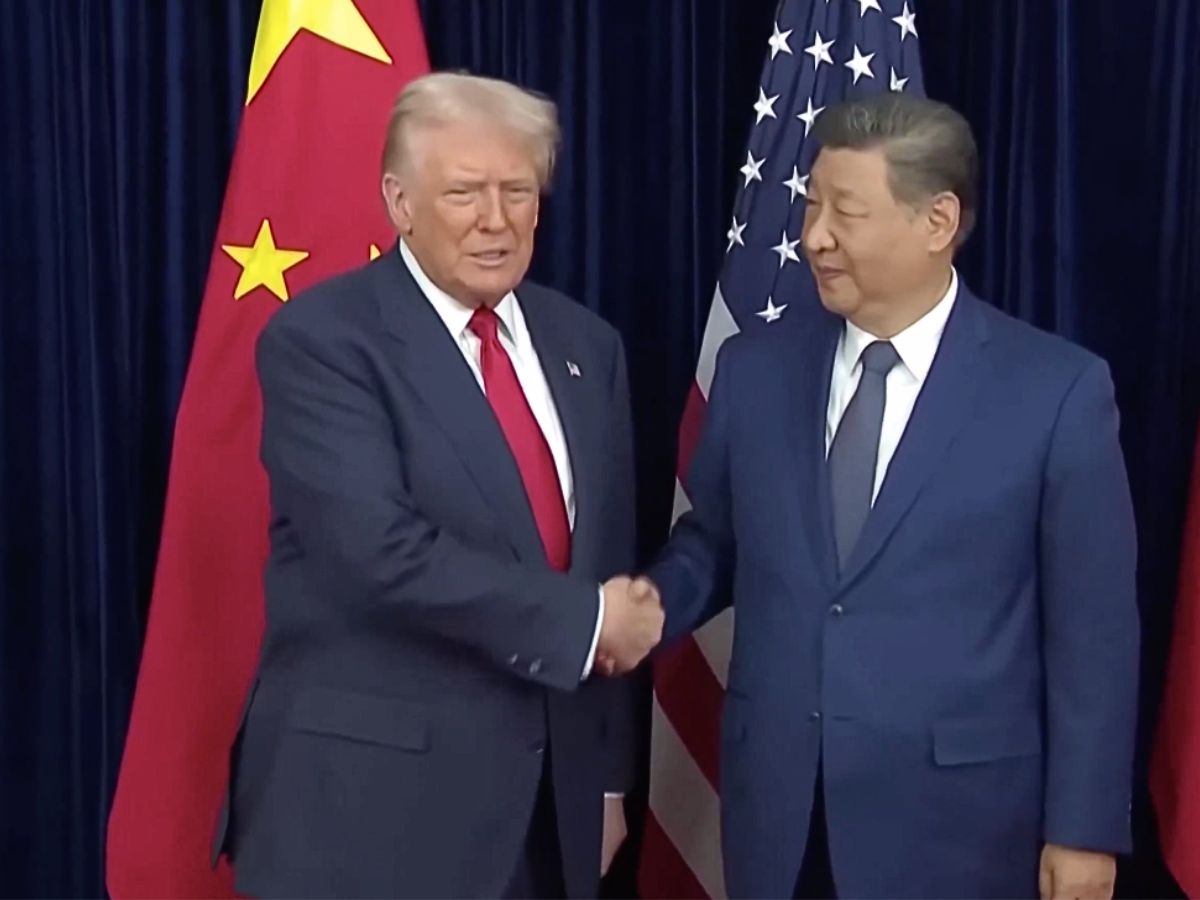


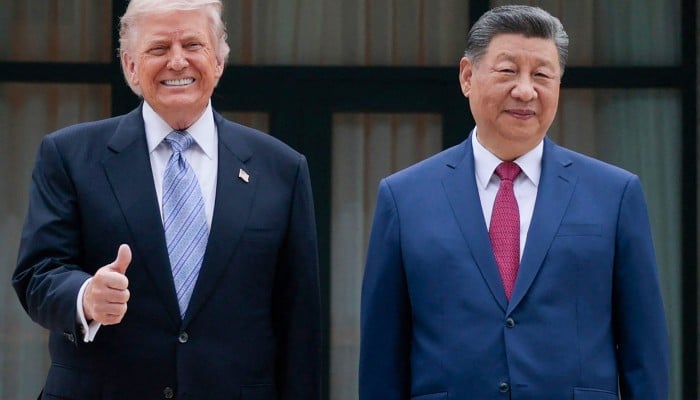
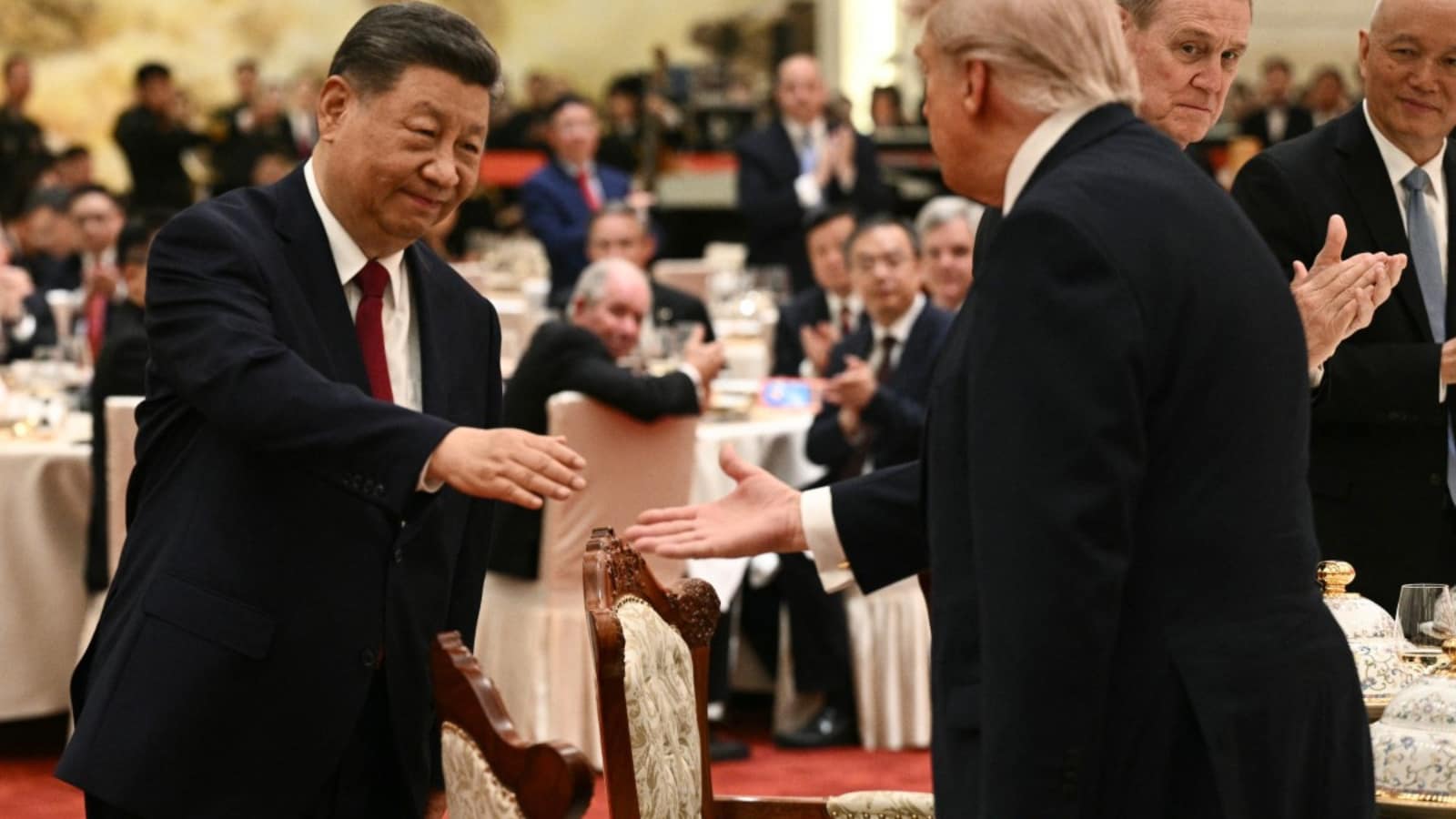

)
/Boeing%20Co_%20corporate%20building-by%20Tada%20Images%20via%20Shutterstock.jpg)
)



Overview
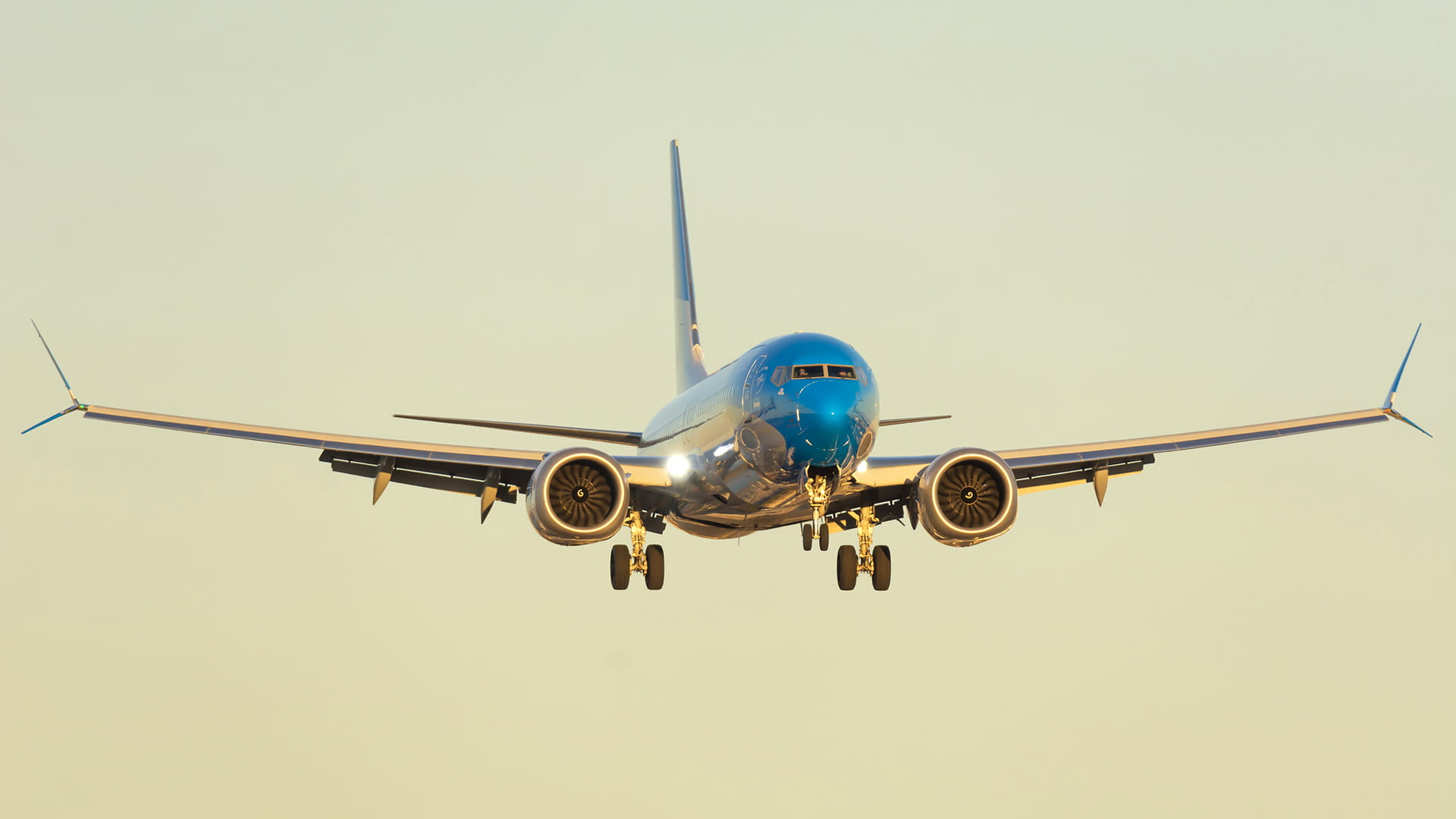
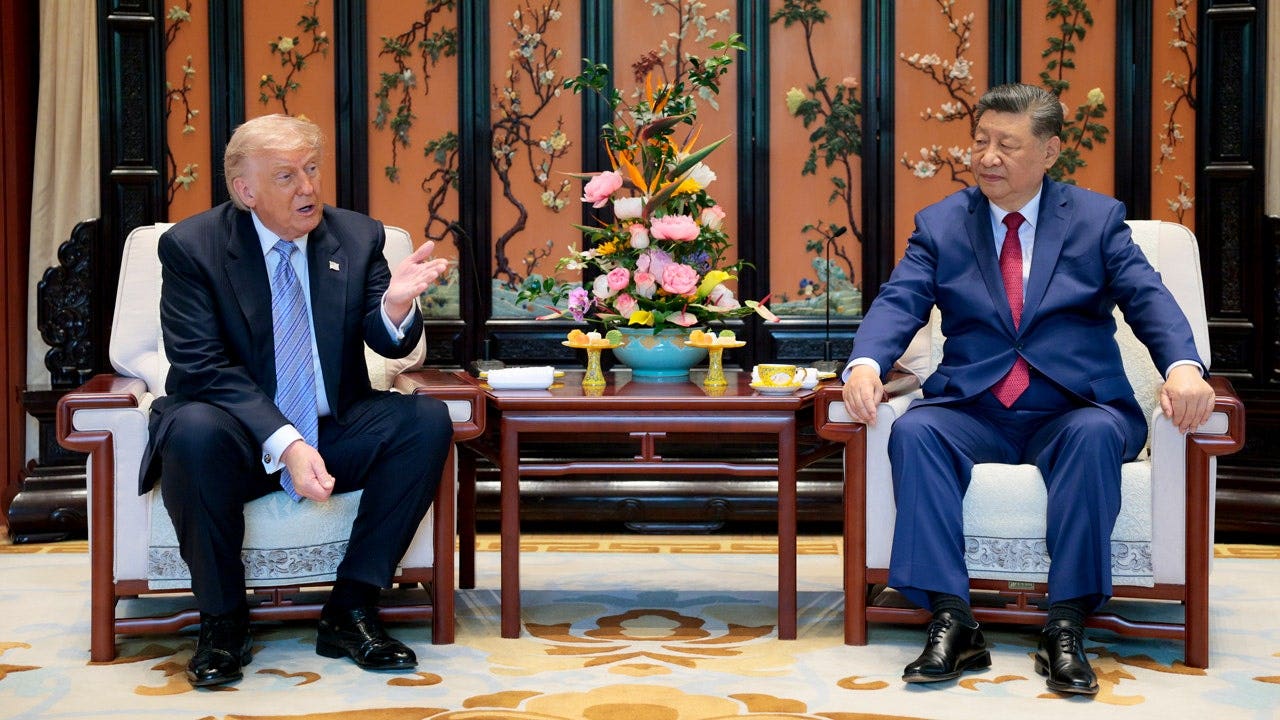
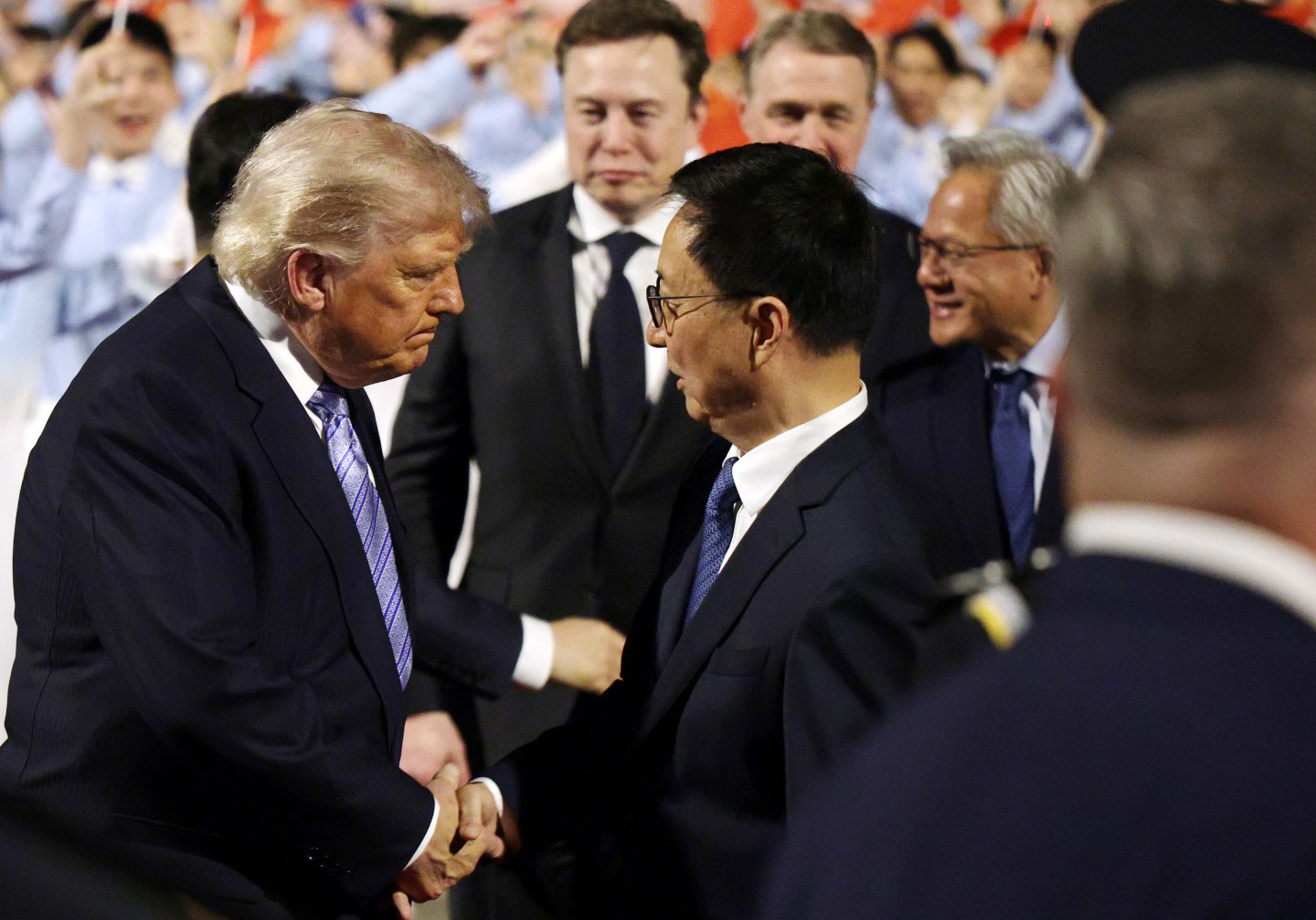
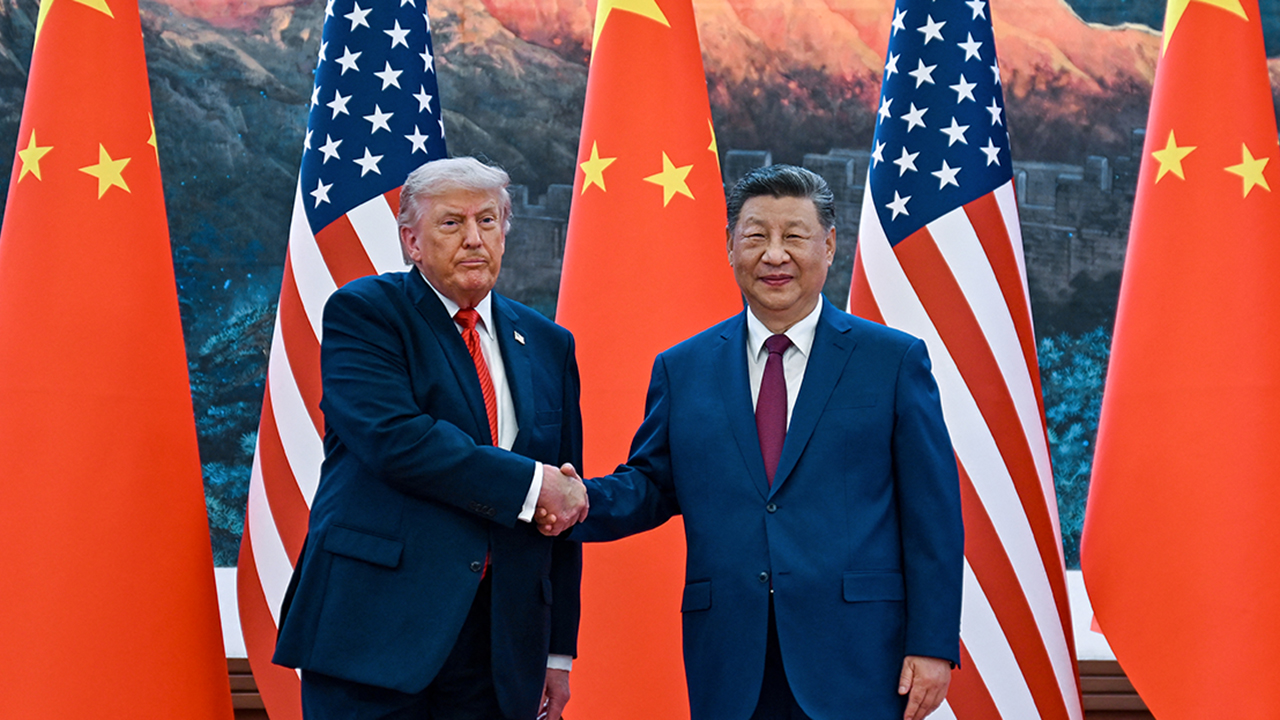
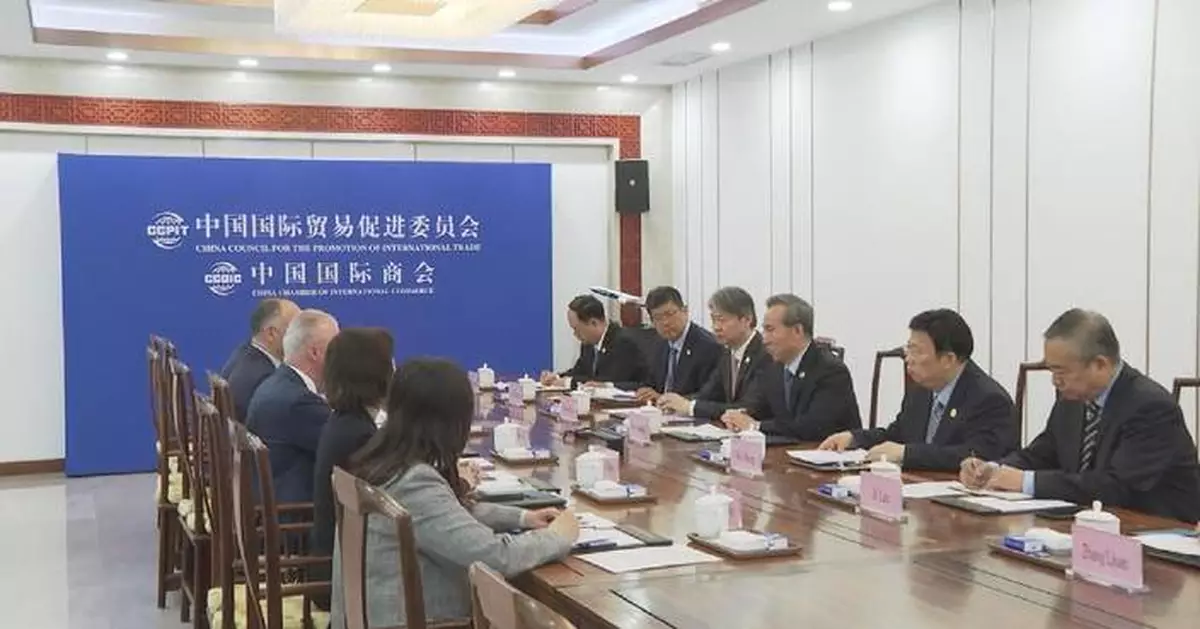
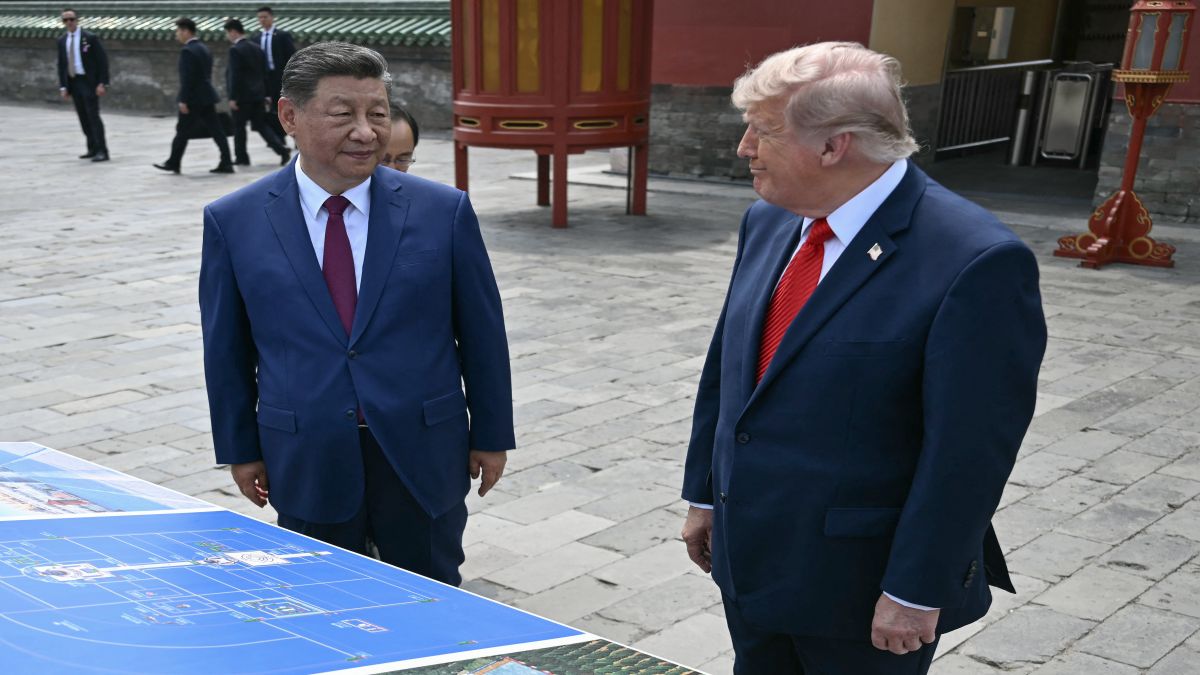
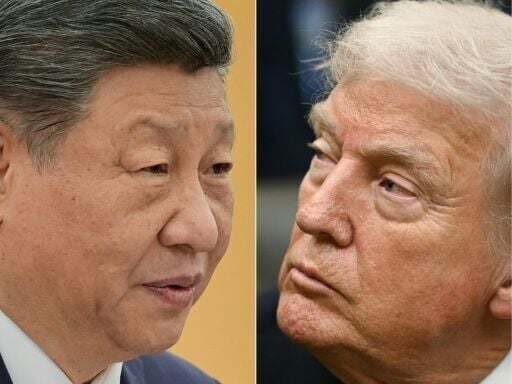
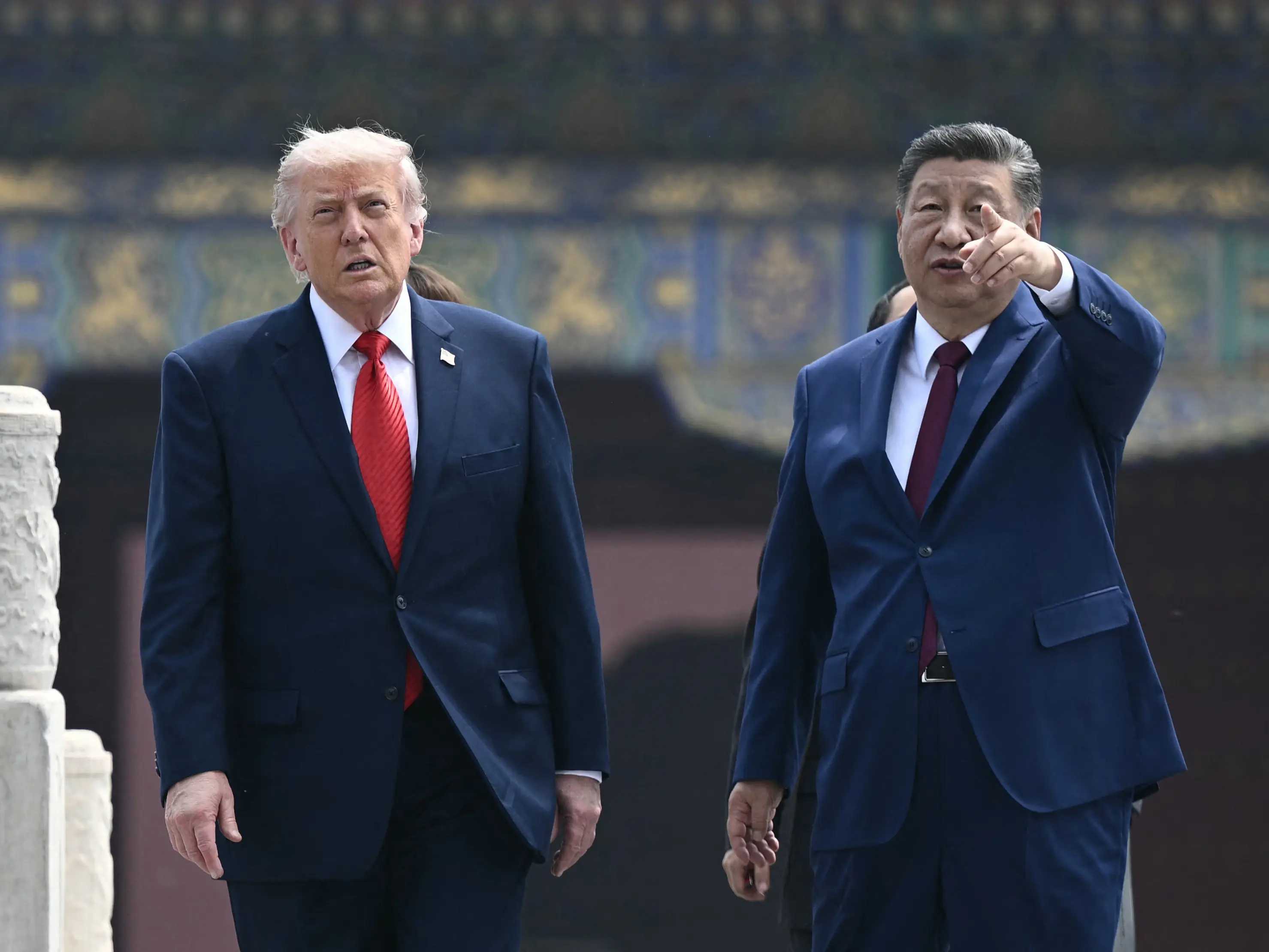
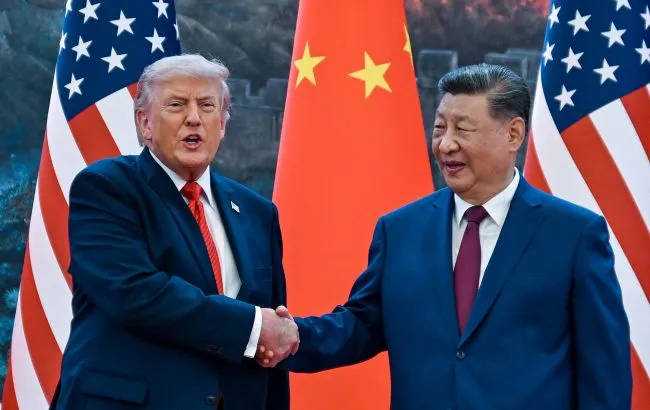
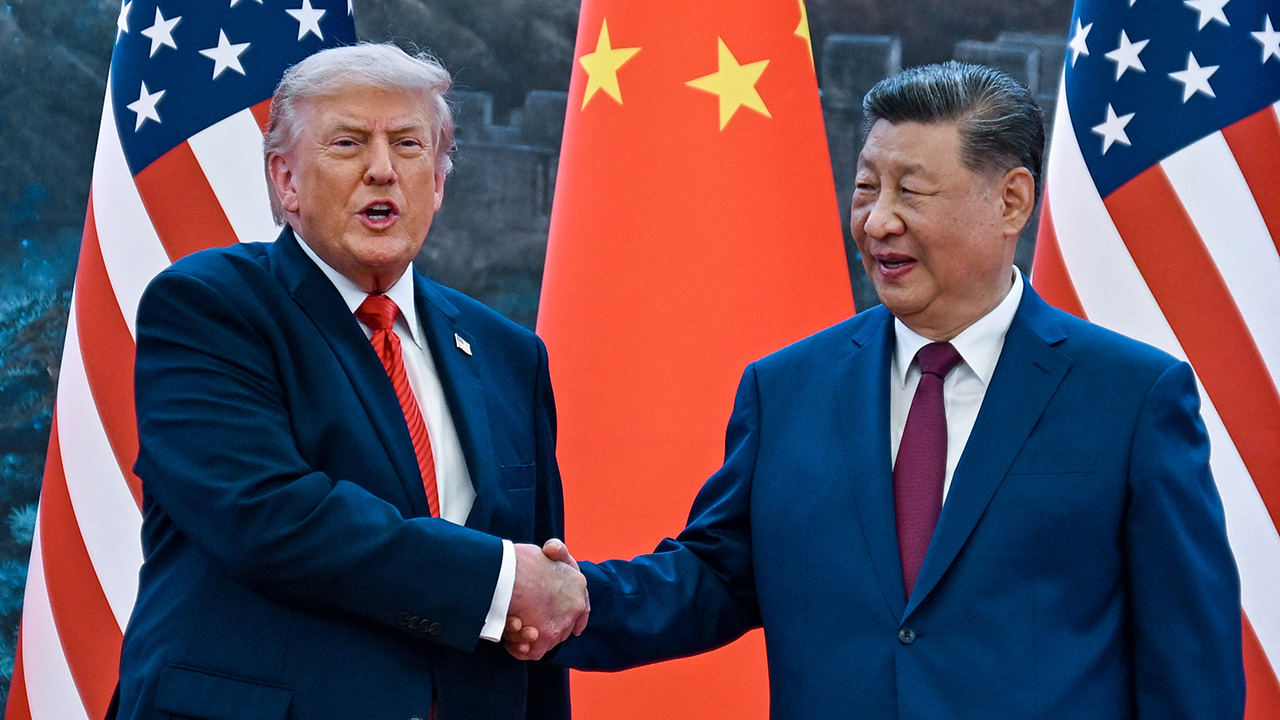
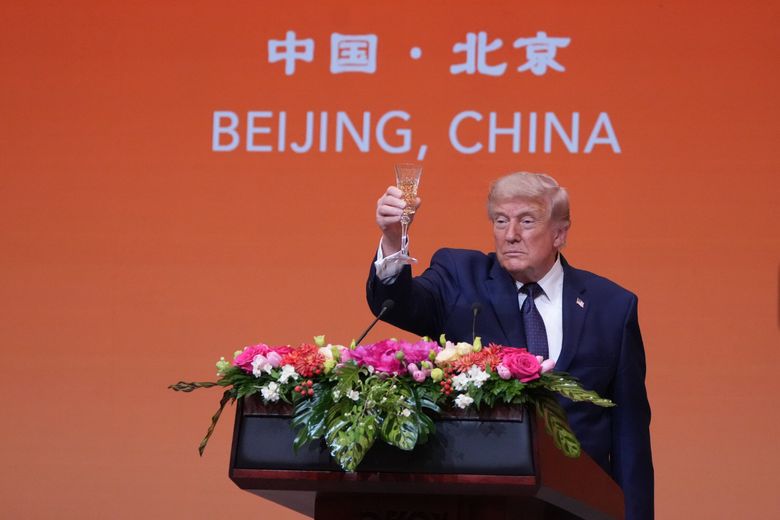
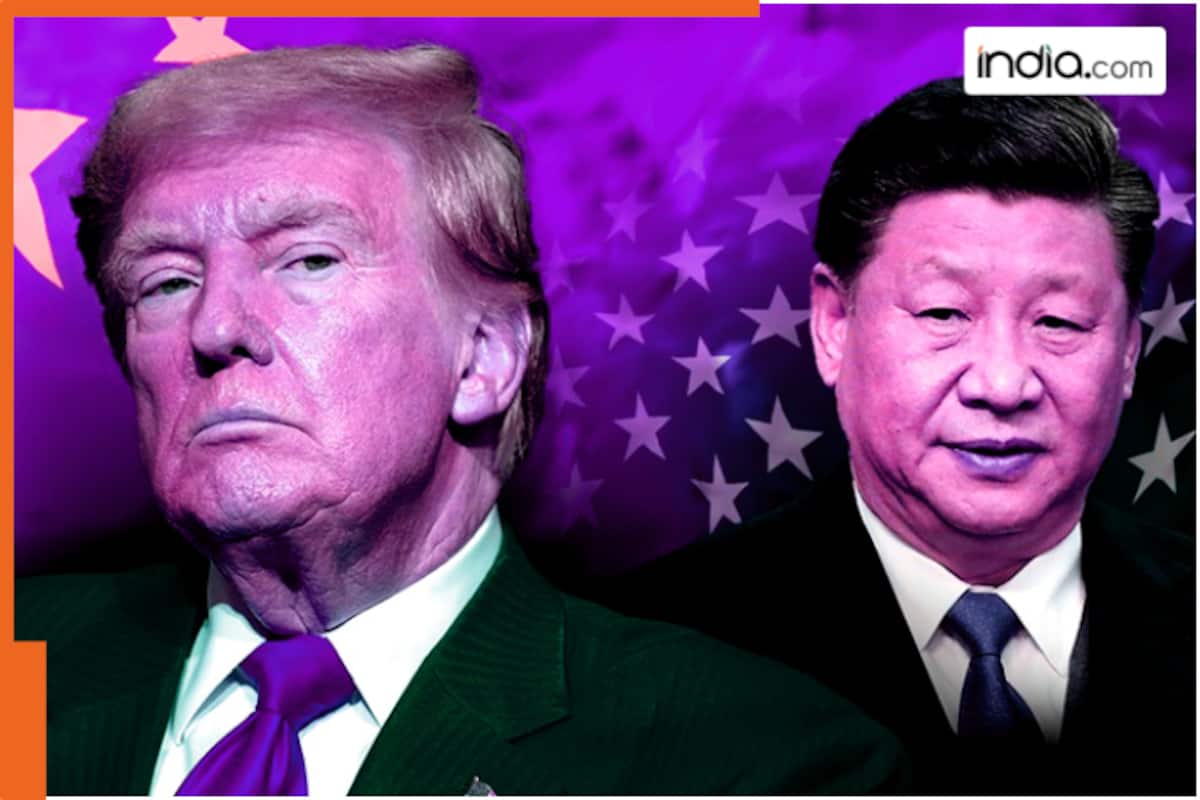
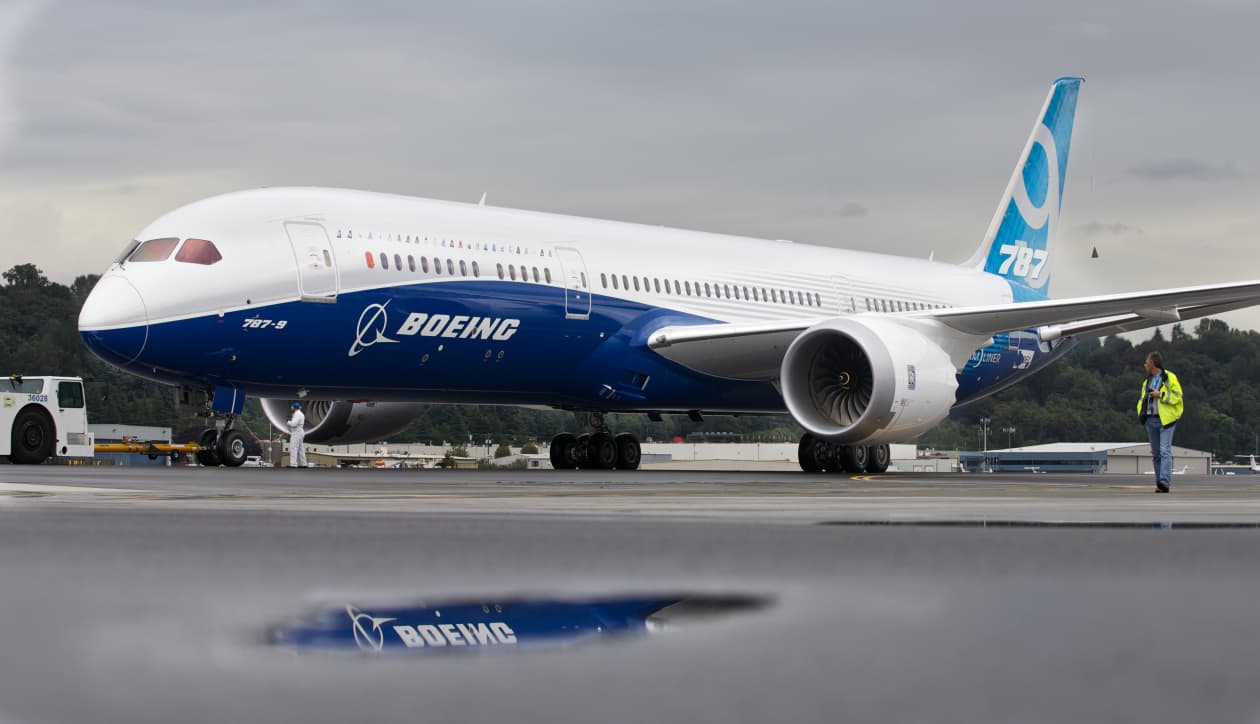
The May 14, 2026 Trump-Xi summit in Beijing represents a critical inflection point for cross-border e-commerce sellers sourcing from China. While the 200 Boeing aircraft order ($20-25B commitment) underperformed expectations versus anticipated 500-unit deals, it signals genuine diplomatic progress on trade tensions that have plagued US-China commerce since 2018. Trump's characterization of "fantastic trade deals" and Xi's acknowledgment of US economic concerns suggest active tariff negotiation pathways—the most significant development for sellers since the 2017 trade war escalation.
Tariff Arbitrage Opportunity Window: The summit's timing creates a 90-120 day window before formal tariff announcements. Sellers should immediately audit inventory by HS code categories most likely to see reductions: automotive parts (HS 8704-8708, currently 25% tariffs), apparel (HS 6204-6206, 16.5% rates), consumer electronics (HS 8471-8517, 0-25% variable), and lighting fixtures (HS 9405, 20% tariffs). Historical precedent from 2017-2018 shows tariff changes typically announced 30-60 days post-summit, with 90-180 day implementation windows. Sellers holding inventory in these categories face margin compression risk if they delay sourcing decisions—but also potential 8-15% cost recovery if tariffs decline as negotiations suggest.
Market Access Implications: China's aviation procurement demonstrates government-directed purchasing patterns. This signals Beijing's willingness to make commercial concessions to US companies in exchange for tariff relief. For e-commerce sellers, this translates to potential quota increases on Chinese-origin goods entering US markets, particularly in categories where Chinese manufacturers dominate (consumer electronics, home goods, apparel). The 51 Boeing orders received since 2017 versus 300 in 2017 shows how trade friction suppresses commercial activity—reversal of this trend could unlock $2-4B in additional cross-border trade volume.
Competitive Dynamics Shift: The Boeing disappointment (200 vs. 500 units) reveals investor skepticism about deal durability. This uncertainty extends to tariff negotiations—sellers cannot assume permanent relief. However, the diplomatic engagement itself reduces geopolitical risk premiums that have inflated sourcing costs. Sellers with diversified supply chains (Vietnam, India, Indonesia) gain negotiating leverage with Chinese suppliers during this window, as manufacturers face potential tariff relief but cannot guarantee it. Small-to-medium sellers (annual China imports $500K-$5M) should prioritize locking in supplier contracts with tariff-adjustment clauses rather than betting on permanent reductions.
Supply Chain Timing Critical: The fragile trade relationship—marked by rare earth supply concerns and tariff disputes—means any negative headline could reverse sentiment. Sellers must act within 60 days to secure inventory before potential tariff announcements. Delaying sourcing decisions risks either: (1) paying current elevated tariffs if negotiations stall, or (2) missing margin recovery if tariffs decline and competitors have already restocked. The 2018-2026 period of minimal Chinese aircraft orders (6/year vs. 127/year pre-2017) demonstrates how trade friction persists even during diplomatic engagement—suggesting tariff relief will be gradual, not immediate.
Questions 7
How should sellers adjust sourcing strategy during this 90-day tariff negotiation window?
Sellers face a critical decision: lock in inventory now at current tariff rates, or wait for potential reductions. The optimal strategy depends on category and inventory turnover. For fast-moving categories (electronics, apparel), secure 60-90 day inventory immediately using supplier contracts with tariff-adjustment clauses—allowing you to benefit if tariffs decline while protecting against rate increases. For slower-moving categories (furniture, industrial goods), delay sourcing 30-45 days to gather more intelligence on negotiation progress. Diversify sourcing across Vietnam, India, and Indonesia for 20-30% of volume to reduce China-specific tariff risk. Monitor USTR.gov and White House trade announcements daily for policy signals.
Which seller segments benefit most from potential US-China tariff reductions?
Small-to-medium sellers ($500K-$5M annual China imports) benefit most because they have flexibility to adjust sourcing quickly and lack long-term contracts locking them into current tariff rates. Large sellers ($10M+ imports) already have tariff hedging strategies and supplier agreements, limiting upside. Sellers in high-tariff categories (automotive parts 25%, apparel 16.5%, lighting 20%) see 8-15% margin recovery potential if rates decline 5-10 percentage points. Sellers in low-tariff electronics (0-5%) see minimal benefit. Category-specific: automotive aftermarket sellers, apparel wholesalers, and home goods importers should prioritize tariff monitoring. Sellers already diversified to Vietnam/India face less upside but lower downside risk.