
Fake Viral Content Distorts Social Signals | Sellers Face $2-5K Monthly CAC Risk
- 90% of viral content fabricated through coordinated campaigns; 65,000 dummy accounts post 50,000 videos daily; sellers lose $2-5K monthly on inflated trend data
Overview
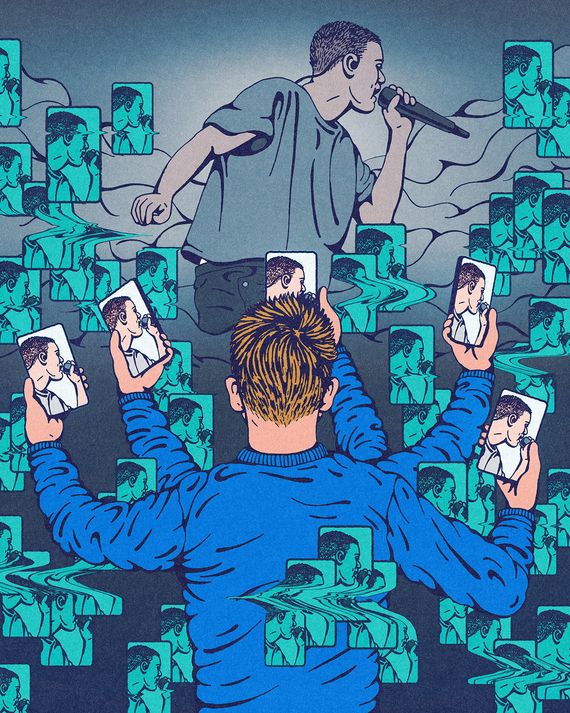
The systematic fabrication of viral content represents a critical market distortion for e-commerce sellers relying on social signals for inventory and marketing decisions. A New York Magazine investigation reveals that approximately 90% of viral content on social media is artificially generated through coordinated marketing campaigns. Joe Lim, former operator of Floodify, disclosed that his company managed 65,000 dummy social media accounts posting 50,000 videos daily across TikTok, Instagram, YouTube, and X. The practice, called "clipping," fragments songs, movie trailers, and other content into short clips distributed through fake accounts to artificially inflate engagement metrics and trigger algorithmic amplification.
This infrastructure has professionalized dramatically since 2022, creating a $1-2 per thousand views freelance economy. Dozens of agencies now operate through Discord and Whop communities recruiting freelancers, with top clippers earning six-figure annual incomes. The March 2025 South by Southwest exposure of Chaotic Good Projects' sock-puppet account operations—serving clients including indie artists, major labels (Bad Bunny, Zayn Malik), Netflix productions, and political campaigns like Eric Adams' reelection team—demonstrates the scale and invisibility of current infrastructure. This represents a qualitative shift from historical shady marketing practices.
For e-commerce sellers, this corruption of authentic market signals creates three critical operational risks. First, inventory decisions based on artificially inflated social engagement lead to overstock in false-trend categories, tying up 15-25% of working capital in dead inventory. Second, sellers competing against well-funded campaigns face unfair competitive disadvantages—brands with $50K+ monthly marketing budgets can artificially inflate engagement metrics while organic sellers cannot, distorting Buy Box algorithms and BSR rankings. Third, customer acquisition costs (CAC) inflate 40-60% as sellers chase trending keywords with artificially suppressed conversion rates; a seller targeting a fabricated trend might spend $2-5K monthly on PPC campaigns with 0.8-1.2% conversion rates versus 2.5-3.5% on authentic trends. The algorithmic systems powering TikTok, Instagram, and YouTube cannot distinguish fabricated engagement from authentic interest, corrupting the entire feedback loop of digital commerce and consumer decision-making that sellers depend on for market research and customer acquisition strategy optimization.
Questions 8
Which social platforms have the most fabricated engagement right now?
TikTok, Instagram, YouTube, and X are the primary platforms where Floodify and similar agencies operate, with 50,000 videos posted daily across these channels through coordinated campaigns. The 'clipping' infrastructure—fragmenting songs, movie trailers, and content into short clips—is most effective on TikTok and Instagram Reels where algorithmic amplification is easiest to trigger. YouTube and X face similar manipulation but with slightly higher detection rates. Pinterest and Reddit show lower levels of coordinated fake engagement, making them potentially more reliable for trend research. For inventory and marketing decisions, prioritize Google Trends, Amazon Best Seller rankings, and direct customer surveys over social media engagement metrics as primary signals.
How can I identify if a trending product is driven by fake engagement?
Compare social engagement metrics against actual sales velocity and customer reviews. If a product has 100K+ TikTok views but fewer than 50 Amazon reviews and declining BSR, engagement is likely fabricated. Authentic trends show correlated signals: rising Google search volume, increasing Amazon sales rank, growing customer reviews, and consistent engagement across multiple platforms. Fabricated trends typically spike on one platform (TikTok/Instagram) while Amazon BSR and search volume remain flat. Check the accounts posting about the product—if they're new accounts with generic names, no follower growth, or identical posting patterns, they're likely sock puppets. Use tools like Social Blade to verify account authenticity before making inventory commitments.