
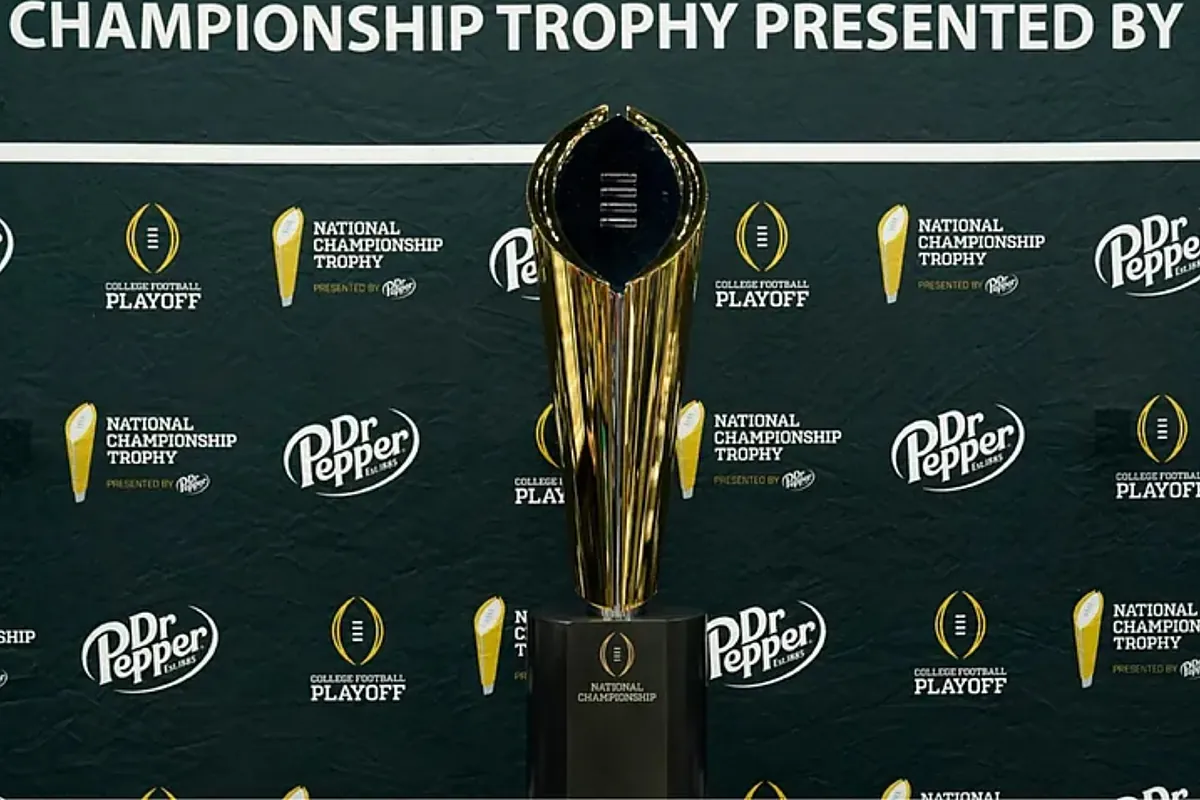


College Football's Bowl Season Reveals the Strategic Playbook of Collegiate Athletics
- Mapping the Complex Landscape of Competitive Matchups and Regional Sporting Dynamics

Overview
The college football bowl season represents far more than a series of athletic competitions—it's a sophisticated ecosystem of strategic positioning, regional pride, and institutional storytelling. With 36 distinct matchups spanning multiple conferences and divisions, this year's postseason reveals a complex tapestry of competitive dynamics that extend well beyond the football field.
Comprehensive Event Mapping emerges as a critical insight from the comprehensive bowl season overview. The intricate scheduling involving teams like Alabama, Oklahoma, Miami, Texas A&M, Tulane, Ole Miss, James Madison, and Oregon demonstrates the nuanced choreography of collegiate athletics. Each matchup is meticulously constructed, not just as a sporting event, but as a strategic narrative that encompasses team records, broadcasting networks, and point spreads.
Structural Diversity in Collegiate Competition stands out as a key trend. The bowl season encompasses multiple tiers—from high-profile College Football Playoff First Round Games to regional competitions like the Famous Idaho Potato Bowl and Myrtle Beach Bowl. This multi-layered approach reflects the rich, decentralized nature of American collegiate sports, where institutional prestige, regional identity, and athletic performance intersect in complex ways.
The granular detail provided—including specific game times, team records, and broadcasting information—underscores the professional-level organization underlying collegiate athletics. What might appear to be simple sporting events are, in fact, sophisticated platforms for institutional branding, athletic talent showcase, and regional economic engagement.
Critically, the bowl season serves as a microcosm of broader competitive ecosystem dynamics. Each game represents not just an athletic contest, but a strategic opportunity for teams to demonstrate performance, attract talent, secure funding, and build institutional reputation. The meticulous documentation of 36 matchups reveals a system that is simultaneously a sporting event, a marketing platform, and a complex organizational network.
The comprehensive nature of this coverage signals a mature, data-driven approach to collegiate sports management—where every game is an opportunity for strategic positioning, and where detailed statistical presentation becomes a form of institutional storytelling.
Questions 3
What strategic elements are embedded in the bowl season's structure?
The bowl season's structure integrates detailed performance tracking, broadcasting strategies, and point spread analysis. Each matchup is carefully constructed to serve multiple purposes: athletic competition, institutional marketing, talent scouting, and regional representation.
How diverse are the collegiate football competitions represented in the bowl season?
The bowl season encompasses multiple tiers, from high-profile College Football Playoff First Round Games to regional competitions like the Famous Idaho Potato Bowl. This diversity reflects the decentralized nature of American collegiate sports, where teams from different conferences and divisions compete across various levels of prestige.