



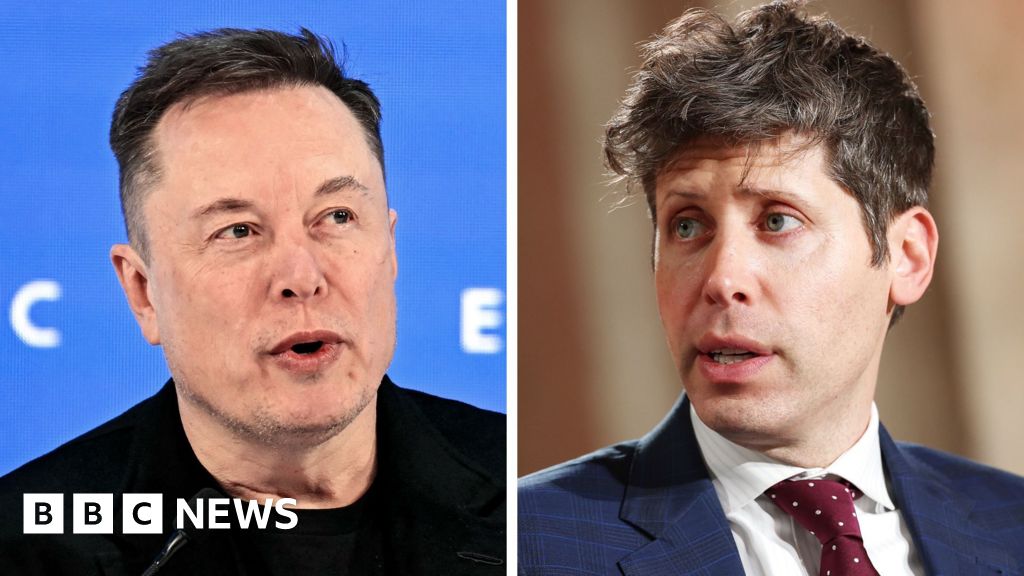
OpenAI Governance Crisis Signals Startup Accountability Shift | Seller Risk Alert
- $150B lawsuit exposes founder conflicts of interest; Microsoft's $10B investment faces scrutiny; venture-backed AI tools pricing/availability uncertain for e-commerce sellers

















Overview
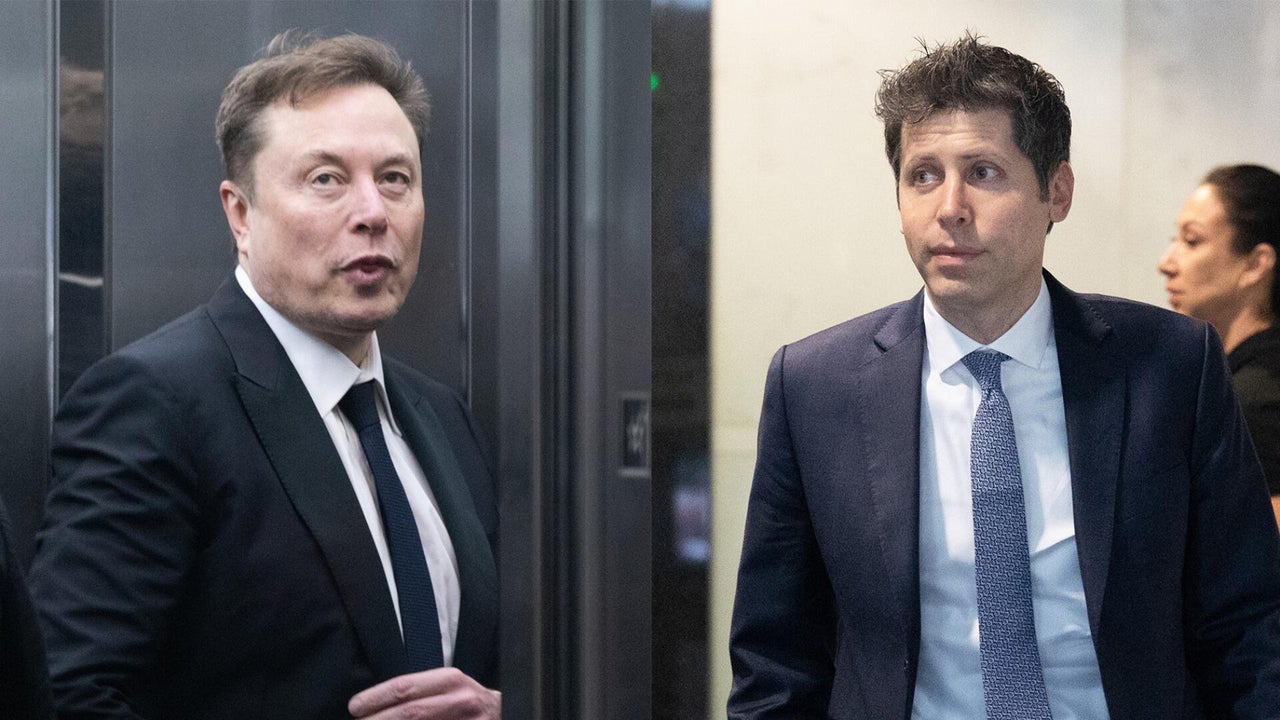
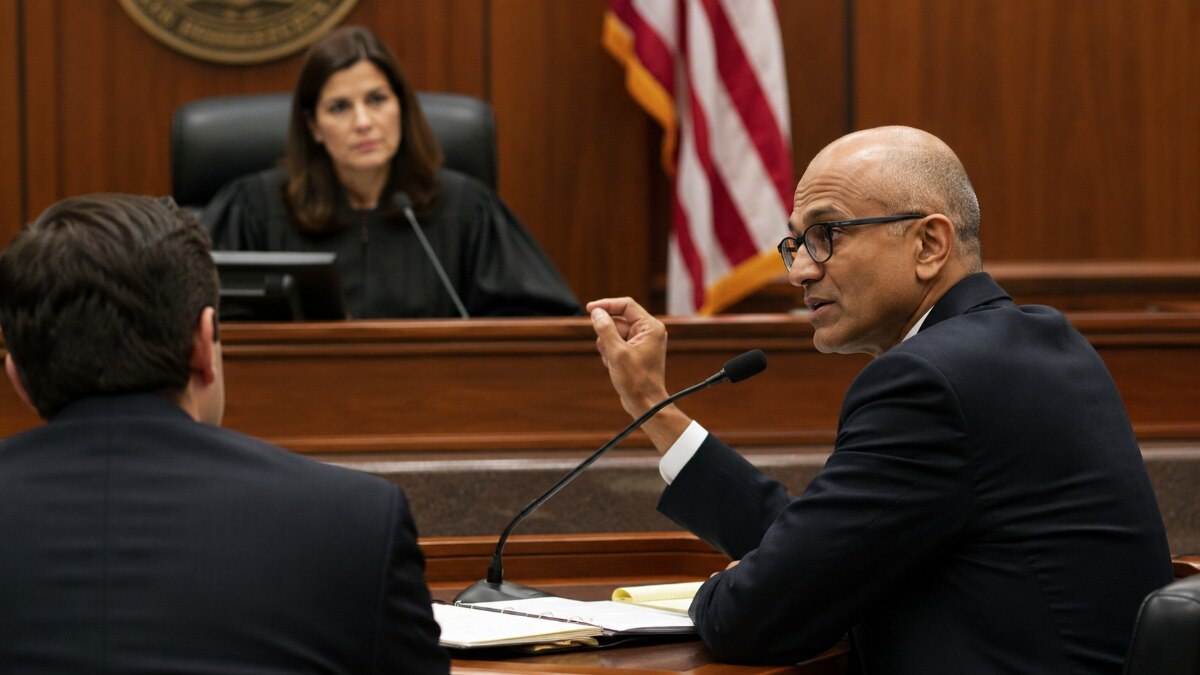
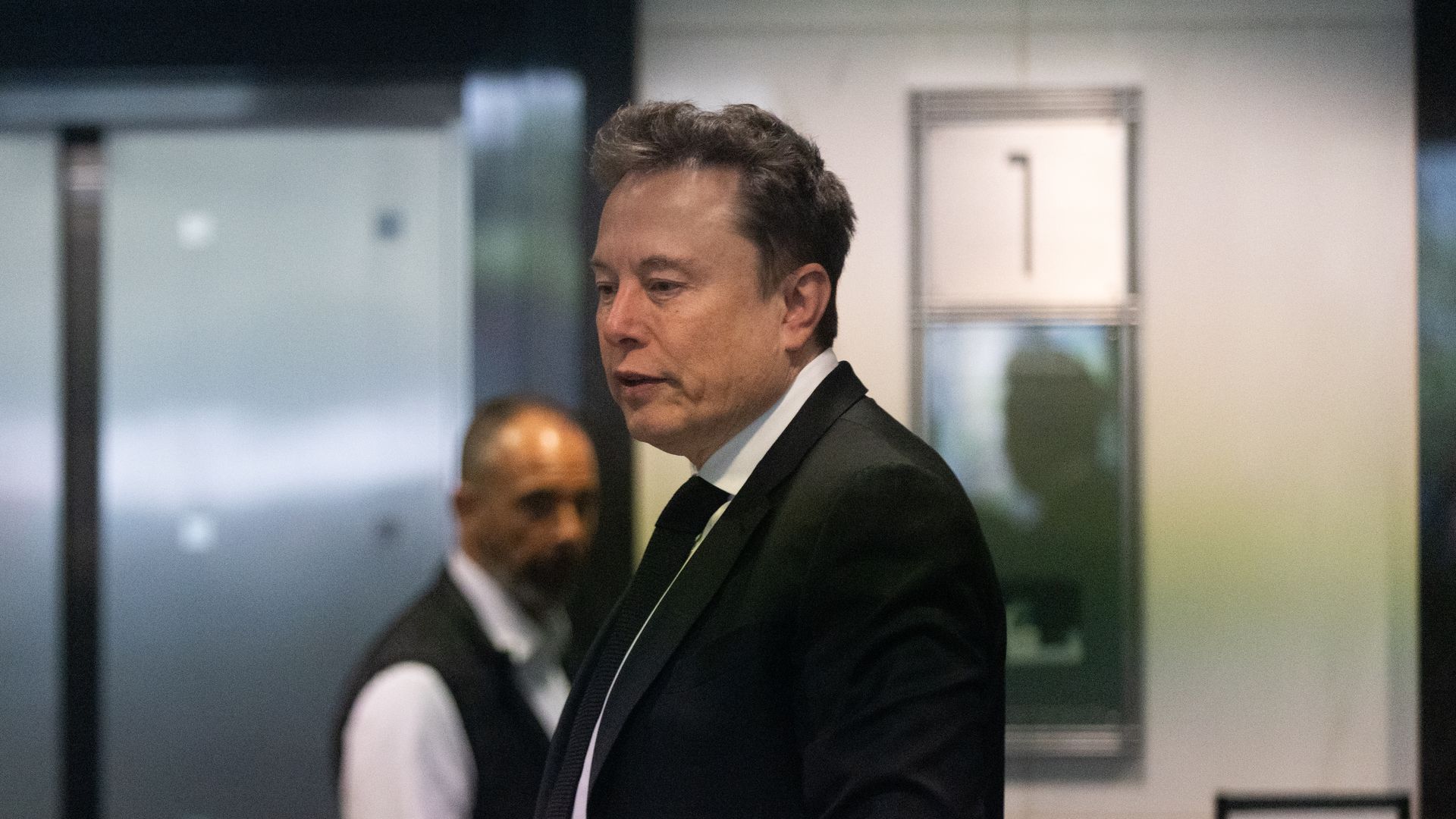
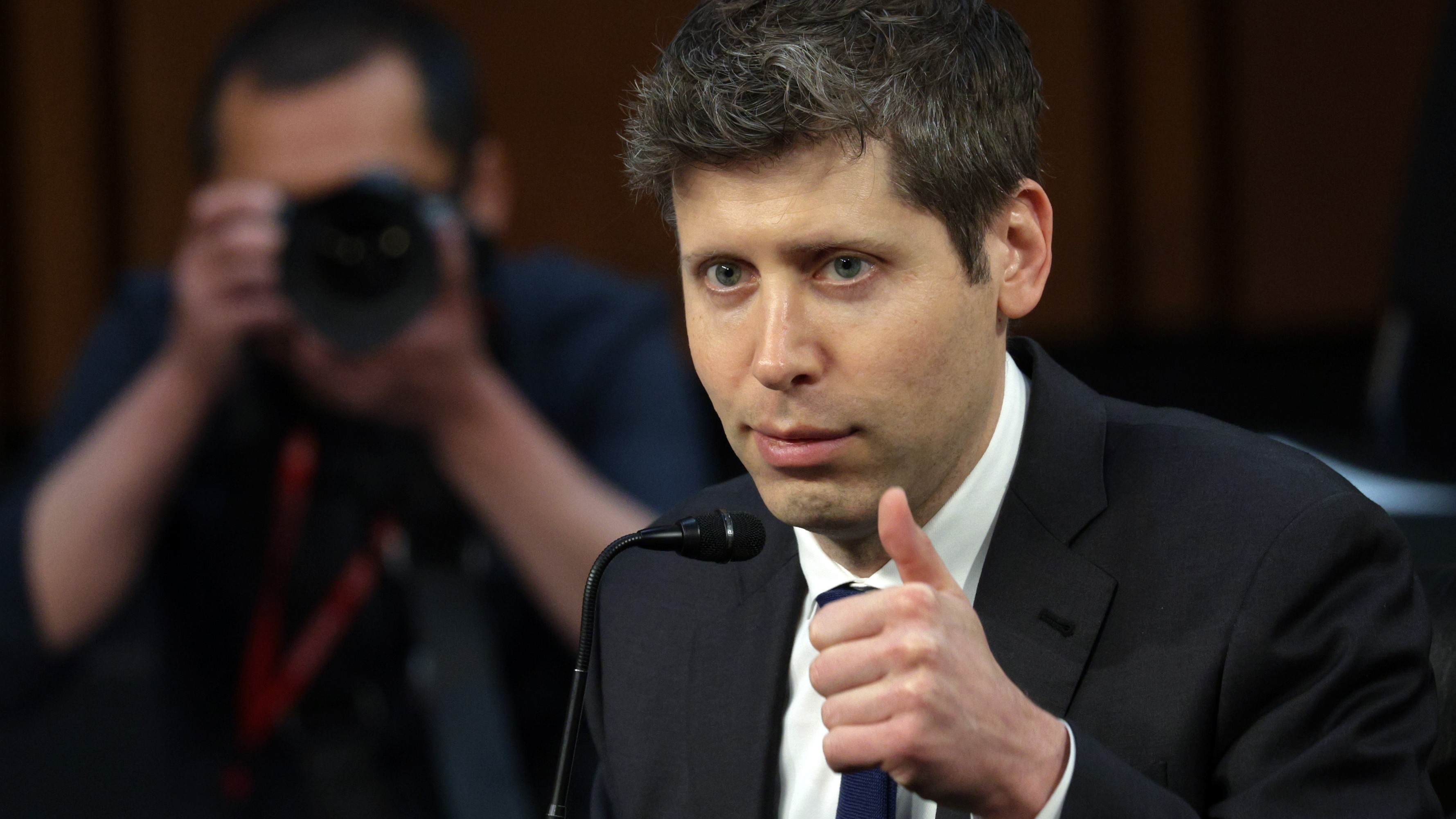
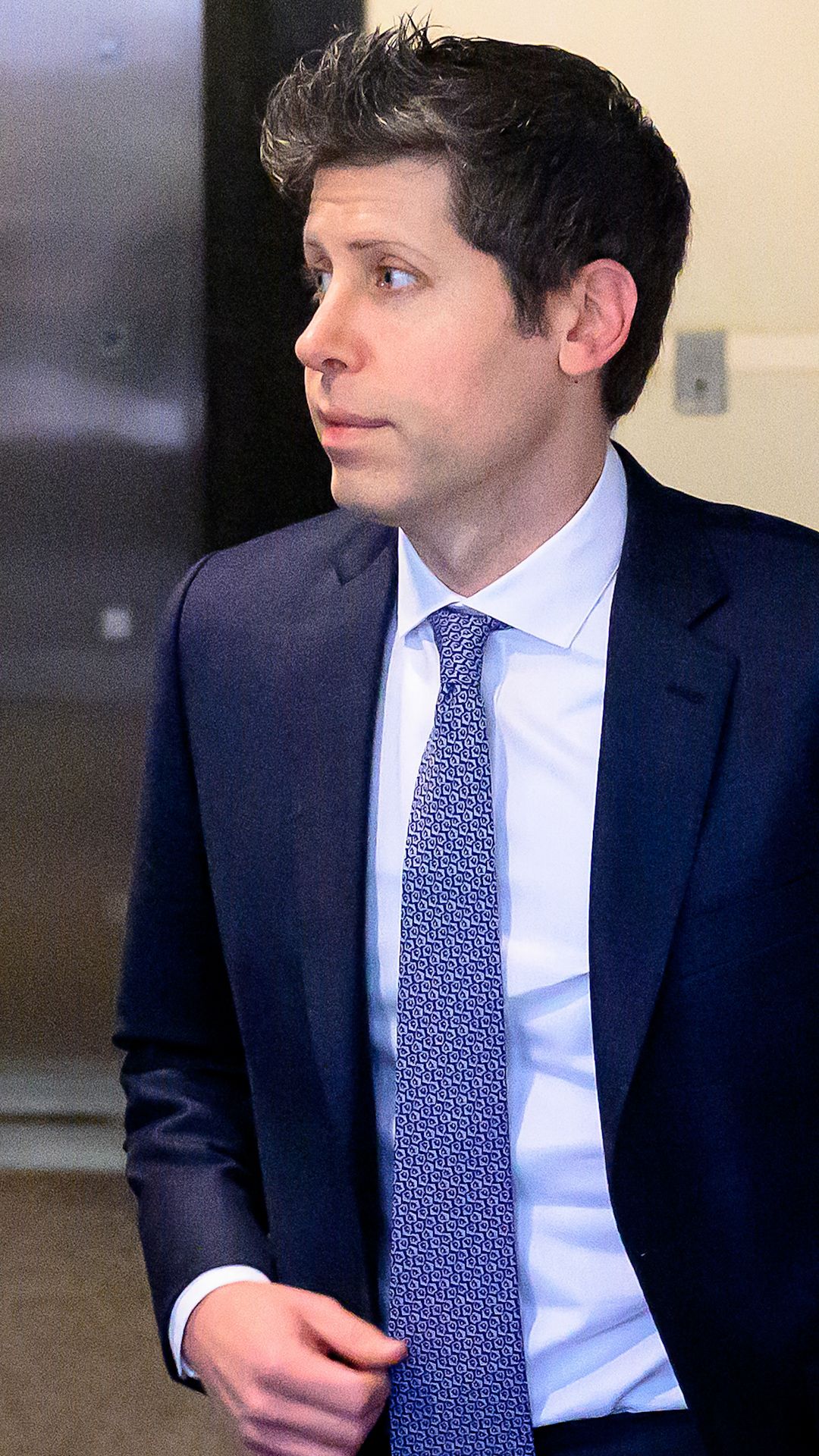
The high-profile Musk v. Altman trial in federal court (Oakland, California) represents a watershed moment for Silicon Valley governance standards that will indirectly impact e-commerce sellers relying on AI-powered business tools. The case centers on allegations that Sam Altman misrepresented OpenAI's non-profit commitment, with Musk seeking $150 billion in damages while Judge Yvonne Gonzalez Rogers maintains sole decision-making authority. Key revelations expose governance vulnerabilities affecting venture-backed tech companies: Altman's $1.5 billion stake in Helion Energy creates potential conflicts of interest with OpenAI partnerships; testimony from Microsoft CEO Satya Nadella and OpenAI co-founder Ilya Sutskever contradicted core claims about non-profit commitments; and text message evidence revealed "power struggles and loyalty concerns" within leadership structures.
For cross-border e-commerce sellers, this litigation creates three critical risk vectors. First, AI tool availability uncertainty: OpenAI's governance instability may delay ChatGPT API improvements, product launches, or pricing changes that sellers use for product research, listing optimization, and customer service automation. The trial's outcome could trigger organizational restructuring, affecting product roadmaps for 6-12 months. Second, Microsoft's $10 billion investment exposure: Microsoft faces potential legal liability from Musk's claims, creating uncertainty around Azure AI services, Copilot integration, and cloud infrastructure pricing that sellers depend on for inventory management and logistics optimization. A significant judgment could force Microsoft to reduce AI product investments or increase pricing to offset damages. Third, venture capital governance precedent: The trial establishes new accountability standards for founder relationships and non-profit commitments, potentially triggering audits of other venture-backed platforms (Shopify, Stripe, payment processors) that serve e-commerce ecosystems. Sellers may face increased compliance requirements or governance-related service disruptions.
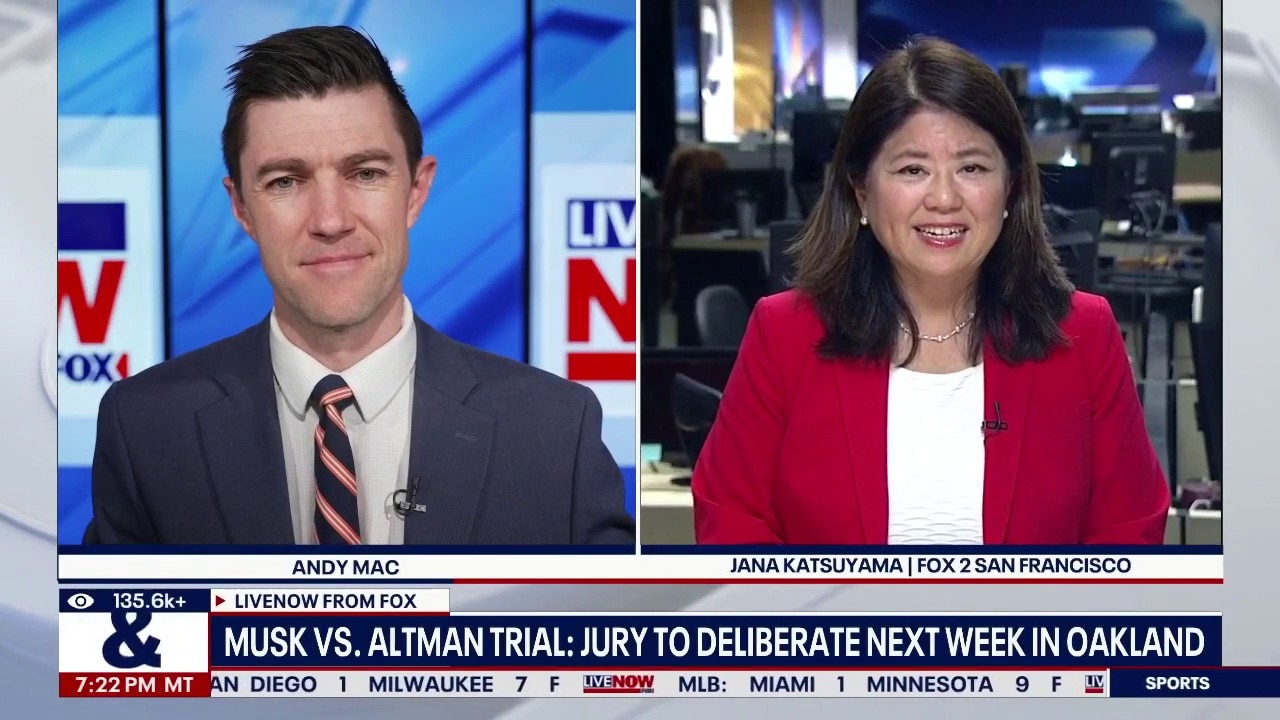
The trial's three-week duration (federal court, Oakland) concluded with closing arguments and jury deliberations, though Judge Rogers is not bound by jury recommendations and maintains discretion to award significantly less than $150 billion or nothing. The statute of limitations hinges on whether Musk knew of alleged breaches before August 2021—if so, his lawsuit lacks standing. Both parties may appeal, extending resolution timelines to 2-3 years. For sellers, the immediate impact manifests through AI tool pricing volatility (ChatGPT API rates may increase 15-25% if OpenAI faces restructuring costs), service availability gaps (potential 2-4 week delays in new feature rollouts), and platform uncertainty (Microsoft's Azure AI services may face temporary restrictions during litigation). Sellers should diversify AI tool dependencies, monitor OpenAI and Microsoft announcements for pricing/service changes, and evaluate alternative platforms (Google Vertex AI, Amazon SageMaker) for critical business functions.
Questions 8
How does the trial's statute of limitations issue affect verdict timeline?
The case hinges on whether Musk knew of alleged OpenAI breaches before August 2021. If he did, his lawsuit lacks standing and could be dismissed before verdict. This creates two scenarios: **Scenario 1** (Musk loses on statute grounds): Verdict within 8-12 weeks, appeals extend 18-24 months. **Scenario 2** (Statute upheld): Full trial proceeds, verdict in 4-6 months, appeals extend 24-36 months. Sellers should monitor court filings for statute of limitations rulings, as dismissal would resolve uncertainty faster but full trial extends governance questions longer. Either path creates 12-36 months of AI tool pricing/availability uncertainty.
What is the timeline for OpenAI governance resolution and potential seller impact?
The trial's closing arguments phase suggests a verdict is expected within 2-4 weeks (late January/early February 2025). Post-verdict, OpenAI will likely announce governance restructuring within 30-60 days, potentially including leadership changes, board composition updates, or strategic pivots. Sellers should expect API pricing announcements and product roadmap updates 60-90 days post-verdict. The most critical period for sellers is Q1 2025 (January-March), when OpenAI's restructuring plans will become clear. Sellers should finalize AI tool diversification strategies and lock in API contracts before potential price increases by March 31, 2025. Monitor OpenAI's official announcements weekly during this period for governance updates affecting service reliability and pricing.