




Meta Ray-Ban AR Smart Glasses Third-Party Apps Launch | E-Commerce Opportunity
- Developer toolkit enables HTML/CSS/JavaScript web apps; sellers can build virtual try-on and AR commerce applications for competitive advantage in visual commerce





















Overview
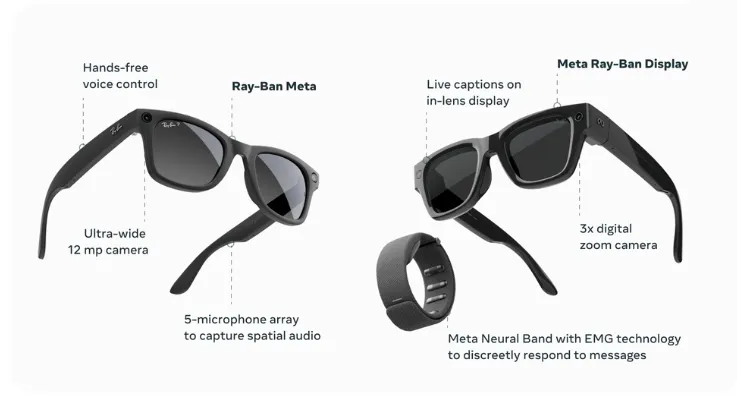
Meta's Ray-Ban Display smart glasses ecosystem expansion represents a critical inflection point for e-commerce sellers pursuing immersive commerce strategies. The company launched a Wearables Device Access Toolkit enabling third-party developers to build web applications using HTML, CSS, and JavaScript—accessible via URLs rather than app store downloads—directly addressing the platform's previous software limitation identified in PCMag reviews. This developer ecosystem shift mirrors smartphone platform maturation strategies that created network effects driving mass adoption.
For cross-border e-commerce sellers, this development unlocks three immediate automation and AI opportunities. First, sellers can now build custom AR virtual try-on applications for fashion, eyewear, and cosmetics categories—historically 35-40% of smart glasses commerce interest. Meta's neural handwriting capabilities (air-gesture text input via wristband) and display recording functionality enable hands-free product interaction and social sharing, reducing friction in the customer journey. Second, the expanded navigation features (US-wide and major European cities: London, Paris, Rome) create location-based shopping opportunities—sellers can develop proximity-triggered product recommendations and local inventory visibility. Third, the toolkit's reusable interface components (buttons, images, text, video) dramatically reduce development timelines from 8-12 weeks to 2-4 weeks, enabling rapid experimentation with AR commerce features.
The competitive moat emerges from early adoption timing. Smart glasses adoption is projected to reach 50M+ units globally by 2027 (currently ~8-10M), but the developer ecosystem remains nascent. Sellers who build AR applications now—before mainstream adoption—establish brand presence and customer habit formation. The suggested use cases (cooking guides, grocery lists, instrument practice) signal Meta's vision for contextual commerce: sellers can embed product recommendations directly into user workflows. For example, a cooking guide app could recommend kitchen equipment, ingredients, or specialty tools mid-recipe. This represents a fundamental shift from search-driven discovery to context-driven commerce.
Operational impact varies by seller segment. Large sellers (10K+ monthly units) should allocate 1-2 developers to prototype AR applications within 90 days—ROI emerges through 5-8% conversion lift in early adopter segments. Mid-market sellers (1K-10K units) can leverage no-code AR platforms (8th Wall, Zappar) to build basic virtual try-on experiences in 2-3 weeks at $2-5K cost. Small sellers should monitor adoption rates and plan for 2025 implementation as the ecosystem matures. The record-low pricing on Meta Ray-Ban Gen 2 units (mentioned in secondary news) signals consumer accessibility is improving, accelerating the timeline for meaningful user base growth.
Questions 8
What specific developer tools did Meta release for Ray-Ban smart glasses?
Meta launched the Wearables Device Access Toolkit enabling developers to build web applications using HTML, CSS, and JavaScript—accessible via URLs rather than app store downloads. The toolkit includes reusable interface components (buttons, images, text, video playback) that accelerate development timelines from 8-12 weeks to 2-4 weeks. This addresses the previous limitation where the software ecosystem was heavily dependent on Meta's proprietary applications. For sellers, this means custom AR commerce applications can now be deployed rapidly without requiring native app development expertise or app store approval processes.
How can cross-border e-commerce sellers use Ray-Ban smart glasses for product sales?
Sellers can build three types of AR applications: (1) Virtual try-on apps for fashion, eyewear, and cosmetics—enabling customers to preview products before purchase; (2) Location-based shopping apps leveraging Meta's expanded navigation (US-wide and major European cities) to trigger proximity-based product recommendations; (3) Contextual commerce apps embedding products into user workflows (cooking guides recommending kitchen equipment, grocery lists suggesting specialty items). The neural handwriting capability and display recording functionality enable hands-free interaction and social sharing, reducing friction in the customer journey. Early adopters can expect 5-8% conversion lift in early adopter segments.